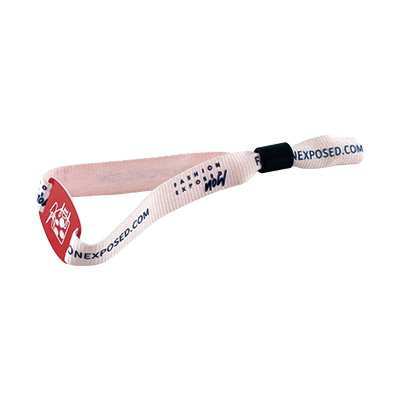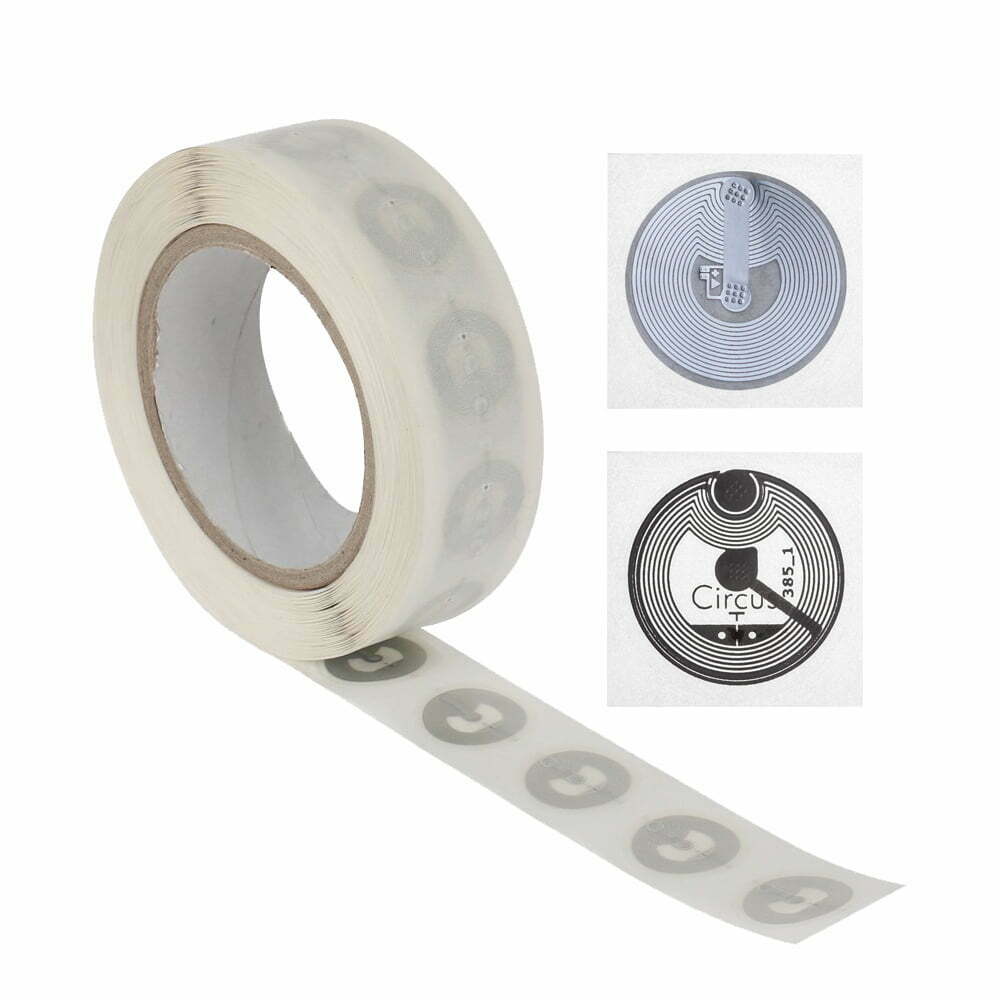
If you tear open a smart ticket, peel off an NFC sticker, or look through a hotel room key, you’ll find a thin, semi-transparent sheet with finely detailed lines hidden inside. This is an NFC Inlay.
As the “core carrier” of NFC products, the NFC Inlay is the most critical component determining sensing performance, reading distance, and the final product form.
1.What is an NFC Inlay?
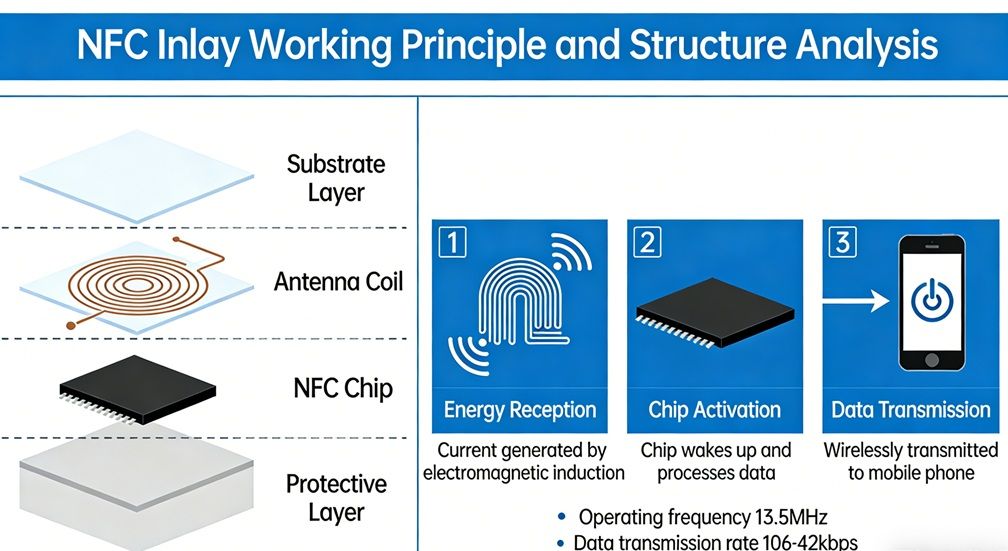
An NFC Inlay is a semi-finished form of an NFC tag. It consists of two core parts:
- IC (Chip): Responsible for storing data and processing logic (such as NTAG213, MIFARE, etc.).
- Antenna: Usually etched onto a PET substrate with aluminum, copper, or silver ink, responsible for capturing the electromagnetic waves of the reader.
Simply put, an Inlay is a pure technical component that hasn’t undergone final “outer shell” packaging.
2. Two Main Types of NFC Inlays
During sourcing or manufacturing, you must distinguish between the following two forms:
Dry Inlay:
- Characteristics: The chip and antenna are attached to a PET film without adhesive backing.
- Uses: It is a raw material for tag processing plants, typically laminated in the middle of cards or embedded in clothing hangtags.
Wet Inlay:
- Characteristics: An **adhesive layer** and release liner are added to the dry inlay.
- Uses: It is essentially a transparent NFC sticker. It can be used directly if complex surface printing is not required, or as an intermediate layer in the production of “composite tags”.
3.Technical Expansion: Inlay Antenna Manufacturing Process
Inlay performance is highly dependent on its antenna manufacturing method:
- Etched Aluminum: Currently the most mainstream and cost-effective process on the market, suitable for mass production.
- Copper Wire-embedded: Primarily used inside PVC cards. Due to copper’s better conductivity, it usually achieves a more stable sensing distance than aluminum etching.
- Printed Silver Ink: Excellent flexibility, commonly used in ultra-thin or flexible electronics, but its read performance is slightly lower than metal etching.
4.Key Parameters: How to Choose the Right Inlay?
When selecting an inlay for your project, please refer to the following technical dimensions:
- Size/Geometry: The larger the antenna, the longer the sensing distance. Common sizes include 25mm diameter round, 15x15mm square, or 85x54mm full-size card.
- Substrate: Usually PET, but special heat-resistant materials may be required for high-temperature applications.
- Chip Model: Determines storage space (144 bytes vs. 888 bytes) and whether encryption is supported.
5.Application Areas of NFC Inlay
- Smart Packaging: Brands embed the Inlay into the cardboard box interlayer for anti-counterfeiting and traceability.
- Card Manufacturing: It is the “heart” of all NFC smart cards and membership cards.
- Apparel Industry: Encapsulated in woven labels or hangtags for store anti-theft and inventory management.
- Ticketing Systems: Embedded in paper tickets for quick card-swiping entry at exhibitions or events.
Technical Guide: 5 Key Considerations for NFC Inlay Storage and Processing
Summary
NFC Inlay is the starting point for all NFC innovative products. Understanding the differences between dry and wet inlays, and the impact of antenna size on performance, can help you reduce procurement costs while ensuring the best interactive experience for your projects.
Looking for high-quality, consistent NFC inlay suppliers?
Browse our [NFC Inlay Product Catalog]. We offer a variety of sizes of dry/wet inlays driven by NXP original chips, support large-volume procurement, and provide professional technical support solutions for tag processing plants.
For more information,please contact us.