How Sustainable Is NFC Technology?
Contactless technologies like NFC are increasingly central to enterprise digital transformation — but their environmental credentials matter more than ever. For forward-thinking businesses committed to ESG goals, understanding the true sustainability profile of NFC is essential.
Energy Efficiency: Minimal Power, Maximum Utility
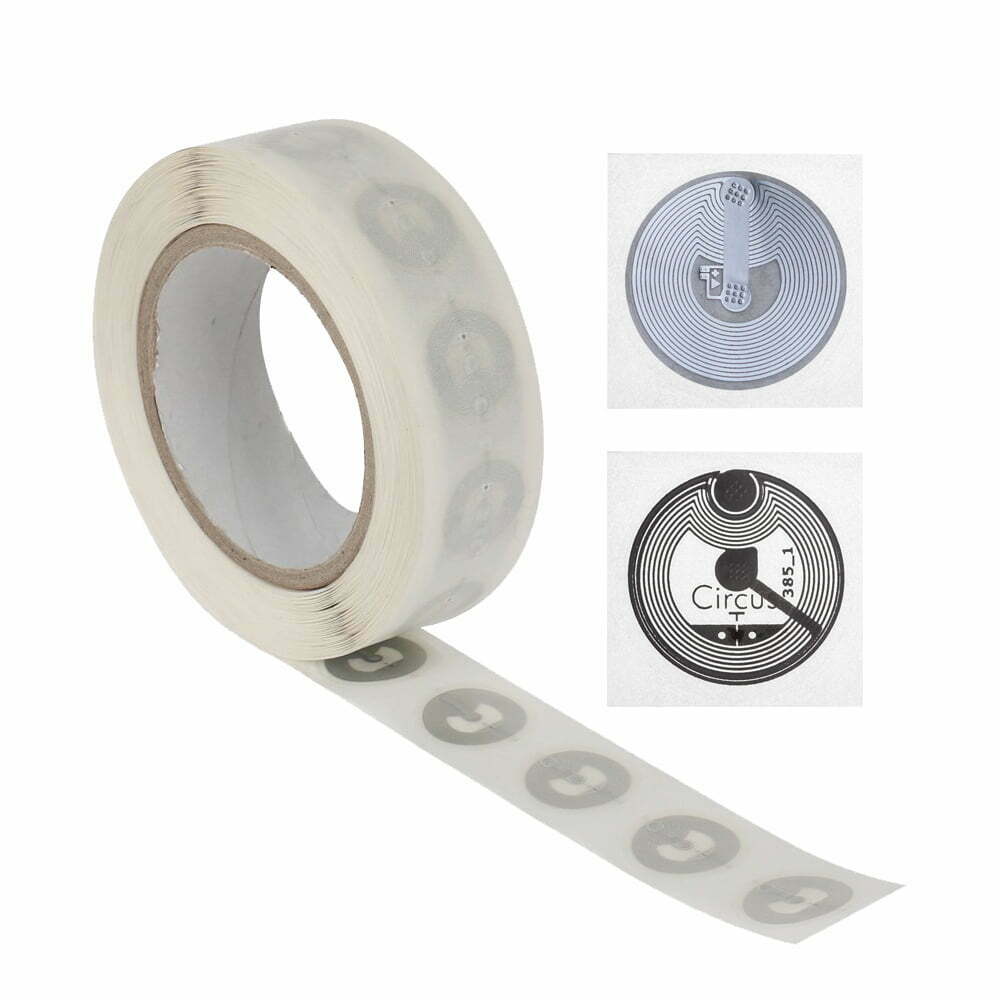
NFC operates in passive mode for most enterprise use cases — meaning tags require zero internal power source. Powered solely by the electromagnetic field of an NFC reader or smartphone, eco-friendly NFC tags consume virtually no electricity during read/write cycles. Compared to battery-dependent IoT sensors or Bluetooth beacons, NFC’s passive architecture delivers exceptional energy efficiency across high-volume deployments like NFC inlays, NFC business cards, and NFC event wristbands.
Reducing Paper Waste Across Operations
Enterprises deploying NFC for digital product passports, smart packaging, or access control eliminate millions of paper-based touchpoints annually. A single NFC sticker replaces printed manuals, QR-linked brochures, laminated ID badges, and disposable tickets — directly supporting zero-waste initiatives. In luxury retail and pharmaceuticals, NFC-enabled authentication reduces reliance on holographic labels and paper certificates.
Circular Economy Integration
NFC tags embedded in durable assets — such as reusable logistics containers, medical equipment, or industrial tools — support traceability throughout extended lifecycles. When paired with UHF RFID readers or RFID modules, these systems enable closed-loop inventory tracking, repair routing, and end-of-life material recovery — key pillars of circular supply chain design.
NFC vs. QR Code: A Sustainability Comparison
While both enable contactless interaction, their environmental footprints differ significantly:
>
| Factor | NFC Tags | QR Codes |
|---|---|---|
| Manufacturing Energy | Low — thin-film antenna + silicon chip; scalable semiconductor process | Very low — ink-on-paper or screen print |
| Operational Energy | Negligible (passive); no device battery drain required for reading | Moderate — smartphone camera + processor usage per scan |
| Lifecycle Durability | High — epoxy-encapsulated or silicone-embedded tags last years | Low — prone to fading, tearing, or smudging |
| Reusability | Yes — rewritable NFC tags support dynamic data updates | No — static; requires reprinting for new information |
Material Innovation in Eco-Friendly NFC Tags
Leading manufacturers like RFIDTAGHY now offer NFC inlays with PETG, paper-based substrates, and bio-sourced adhesives — reducing reliance on PVC and fossil-derived plastics. These sustainable NFC options maintain full compatibility with enterprise-grade readers and smartphones while meeting RoHS and REACH compliance standards.
Frequently Asked Questions
- Do NFC tags require batteries? No — standard NFC tags are passive devices powered by the reader’s field, making them inherently energy-efficient.
- Are eco-friendly NFC tags compatible with existing infrastructure? Yes. All NFC tags from RFIDTAGHY conform to ISO/IEC 14443 and NFC Forum standards, ensuring seamless integration with smartphones and UHF RFID readers.
- Can NFC support circular economy reporting? Absolutely. When used in Digital Product Passport solutions, NFC enables verifiable, tamper-resistant lifecycle data sharing across stakeholders.
- How do I verify a tag’s environmental compliance? Look for third-party certifications (e.g., TÜV SÜD, UL Environment) and material declarations — available for all RFIDTAGHY eco-NFC inlays.
Advance Your Sustainability Goals with Verified NFC Solutions
From eco-friendly NFC tags and RFID modules to end-to-end NFC solutions, NFCWORK and RFIDHY deliver enterprise-grade tools built for environmental responsibility. Request a sustainability integration consultation today — and discover how sustainable NFC can reduce your operational footprint while strengthening brand trust.