Why NFC Chip Memory Size Matters for Enterprise Deployments
Unlike consumer-grade NFC use cases, enterprise applications often require storing structured data (e.g., cryptographic signatures, URIs with parameters, sensor metadata, or encrypted credentials), making NFC chip memory size a critical specification—not an afterthought.
Memory Capacity Spectrum: From 144 Bytes to 8KB
NFC Forum–compliant chips span a wide range of memory capacities. Below is a comparison of widely deployed chips used across RFIDTAGHY’s certified NFC tags and NFCWORK’s enterprise-grade NFC inlays:
>
| Chip Model | NFC Chip Memory Size | Typical Use Cases | Key Constraints |
|---|---|---|---|
| NTAG213 | 144 bytes | Basic URL redirection, simple authentication triggers, NFC business cards | Limited space for dynamic payloads; no native encryption support |
| NTAG215 | 504 bytes | Digital Product Passport headers, multi-language URIs, lightweight NDEF records | Suitable for static or semi-dynamic content; insufficient for full cryptographic keys |
| NTAG216 | 888 bytes | Full DPP records, signed firmware identifiers, access control credentials | Balances capacity and cost for mid-tier enterprise deployments |
| ICODE SLIX2 / SLIX-L | 2KB–8KB | Secure product lifecycle logging, multi-stage authentication, offline verification | Requires compatible readers (e.g., RFIDHY UHF/HF hybrid readers); higher cost per tag |
Selecting the Right NFC Data Storage for Your Solution
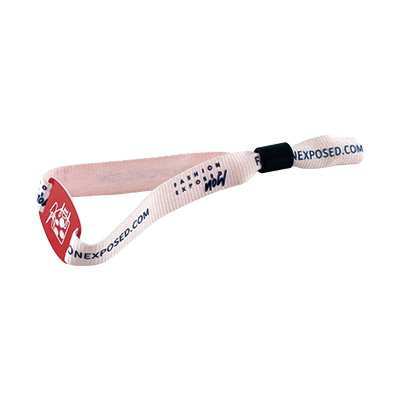
For Smart Management systems integrating NFC wristbands or NFC-enabled asset tags, memory choice affects more than just data volume—it influences read reliability, write endurance (>100,000 cycles for NTAG21x), and compliance with industry standards like ISO/IEC 14443-A and NFC Forum Type 2.
Example: A luxury watch brand implementing NFC-based anti-counterfeiting via Luxury Items Authentication may start with NTAG215 for URI-based verification—but scaling to include tamper-evident hashes and batch-level provenance requires NTAG216 or ICODE SLIX-L. Similarly, Digital Product Passport implementations benefit from ≥2KB chips to embed verifiable claims without relying solely on cloud lookups.
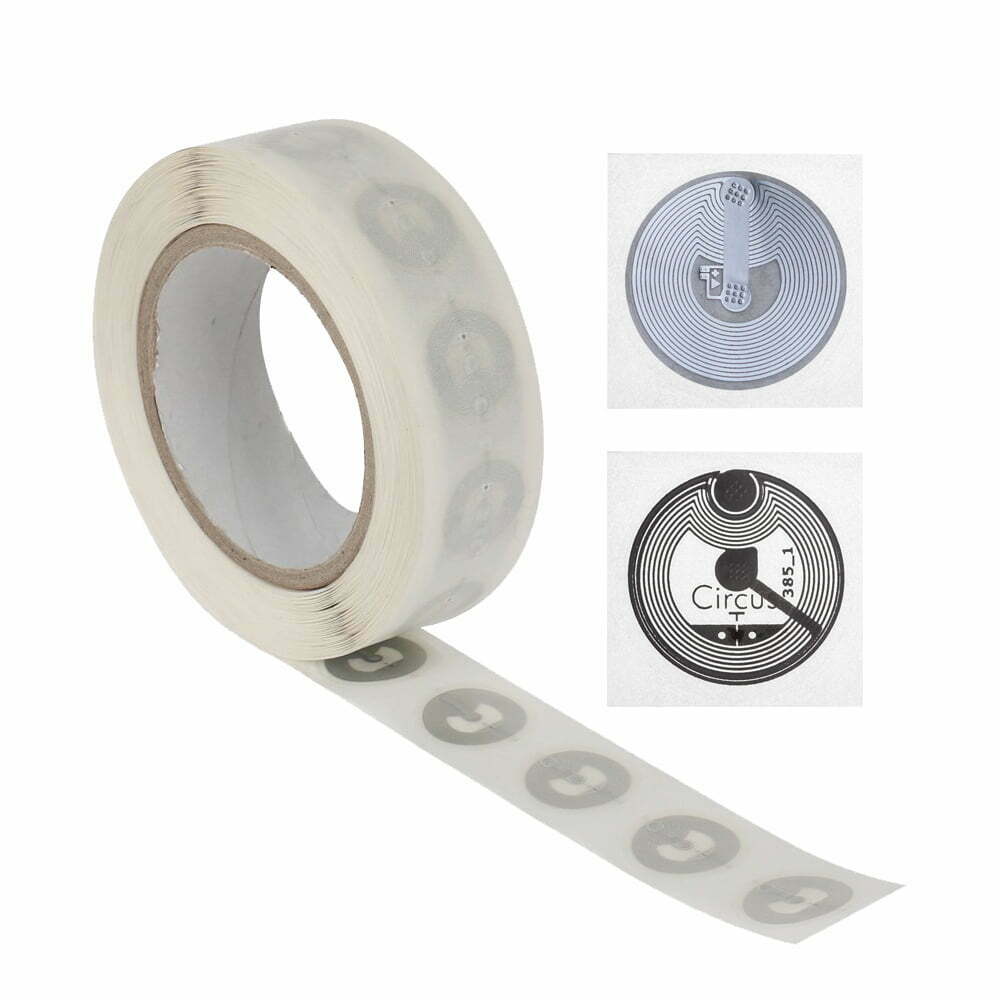
All NFC tags referenced here are available through RFIDTAGHY’s certified portfolio—including NFC stickers, NFC inlay, and NFC business cards—and fully supported by RFIDHY’s reader ecosystem and NFCWORK’s application-layer tooling.
FAQ
- What is the minimum NFC chip memory size needed for Digital Product Passport?
At minimum, 504 bytes (NTAG215) supports basic DPP URIs and lightweight metadata. For full compliance with EU DPP requirements—including digital signatures and versioned history—888+ bytes (NTAG216) or larger is recommended. - Can NTAG213 memory hold encrypted data?
No. NTAG213 memory (144B) lacks built-in crypto engines and sufficient space for modern encryption overhead. Use NTAG216 or ICODE SLIX-L for secure credential storage. - Do all NFC readers support high-memory chips like ICODE SLIX-L?
Not universally. Ensure compatibility with RFIDHY’s HF desktop or handheld readers, which natively support ISO/IEC 15693 and SLIX protocols. - How does NFC data storage impact tag cost at scale?
NTAG213 NFC tags remain the most economical for high-volume deployments (e.g., retail packaging). Moving to 2KB+ chips increases unit cost by ~20–40%, but reduces infrastructure dependency on cloud lookups and improves offline resilience.
Optimize Your NFC Infrastructure with Verified Memory Specifications
Explore RFIDTAGHY’s certified NFC tags with verified NTAG213 memory, NTAG216, and ICODE SLIX-L options—or consult NFCWORK’s engineering team to match chip memory size to your Smart Management or Digital Product Passport requirements. Request Technical Guidance