How NFC Payment Wristbands Integrate Into Global Contactless Ecosystems
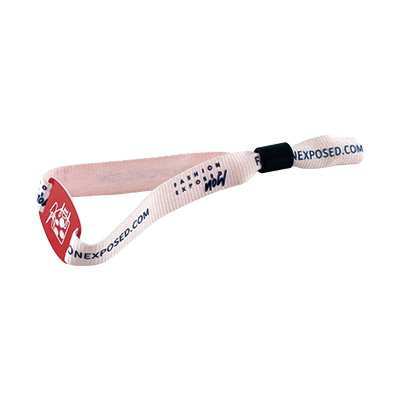
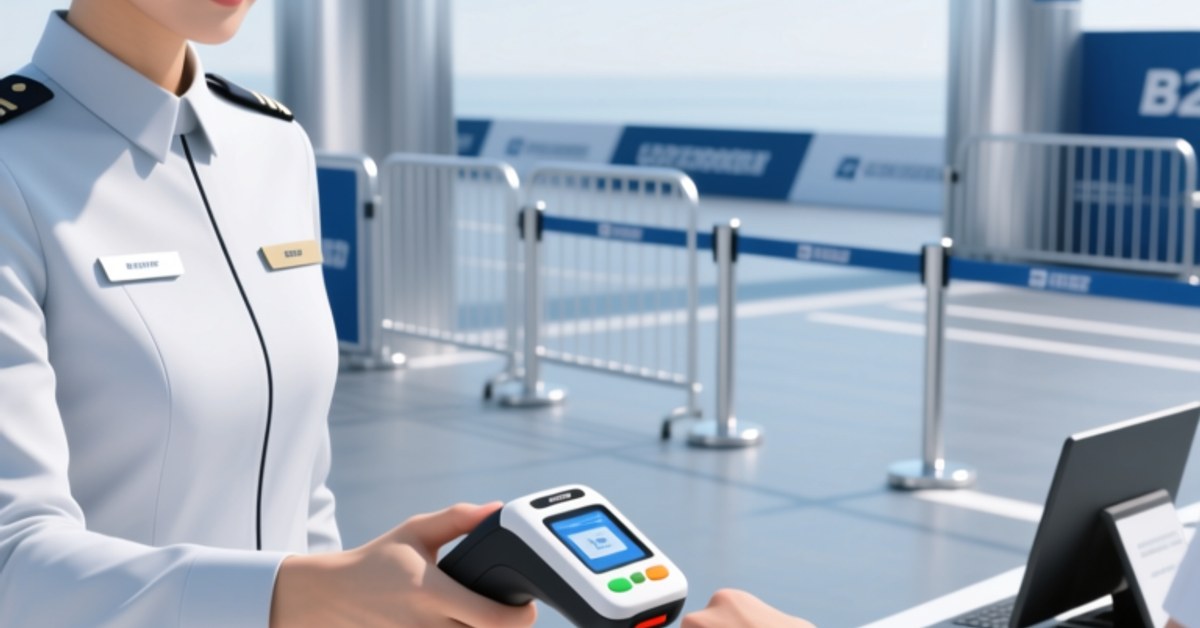
NFC-enabled wristbands for contactless payment are no longer novelty wearables — they’re engineered components of EMVCo-certified payment infrastructure. Unlike standard NFC tags, these devices must comply with ISO/IEC 14443-A and EMV Level 1 (physical layer) and Level 2 (protocol) specifications to interface seamlessly with Visa payWave, Mastercard PayPass, and UnionPay QuickPass terminals. Integration paths include:
- Stored-value wallets: Ideal for closed-loop environments (e.g., stadiums, campuses), where value is preloaded and managed via proprietary backend systems.
- Host Card Emulation (HCE): Enables cloud-based tokenization without a physical secure element — suitable for low-risk, high-volume use cases with strong backend authentication.
- Embedded Secure Element (eSE): Required for open-loop bank card emulation; supports dynamic cryptograms and meets PCI DSS requirements for cardholder data protection.
Chip Selection Guide for Performance and Compliance
The right chip determines interoperability, security, and lifecycle cost. All chips referenced below are available across RFIDHY, NFCWORK, and WristbandHY’s certified NFC wristband portfolios:
>
| Chip Family | Use Case | Key Specs | Typical Cost Range |
|---|---|---|---|
| NXP NTAG 213 / 215 / 216 | Closed-loop access & loyalty | NFC Forum Type 4, ISO 14443-A, 144–888 bytes, UID locking | £0.10–£0.30 |
| MIFARE DESFire EV2 / EV3 | Open-loop transit & payment | AES-128, SAM authentication, 8K EEPROM, Common Criteria EAL5+ | £0.50–£1.00 |
| NXP SLE 97 / JCOP Java Card | Bank-grade eSE wristbands | Java Card OS, PKI support, FIPS 140-2 validated crypto | £1.20–£2.50 |
Antenna Design for Wrist-Worn Reliability
Standard card-sized antennas (35–50 mm diameter) underperform on wrists due to detuning from proximity to human tissue. Optimized NFC wristbands use:
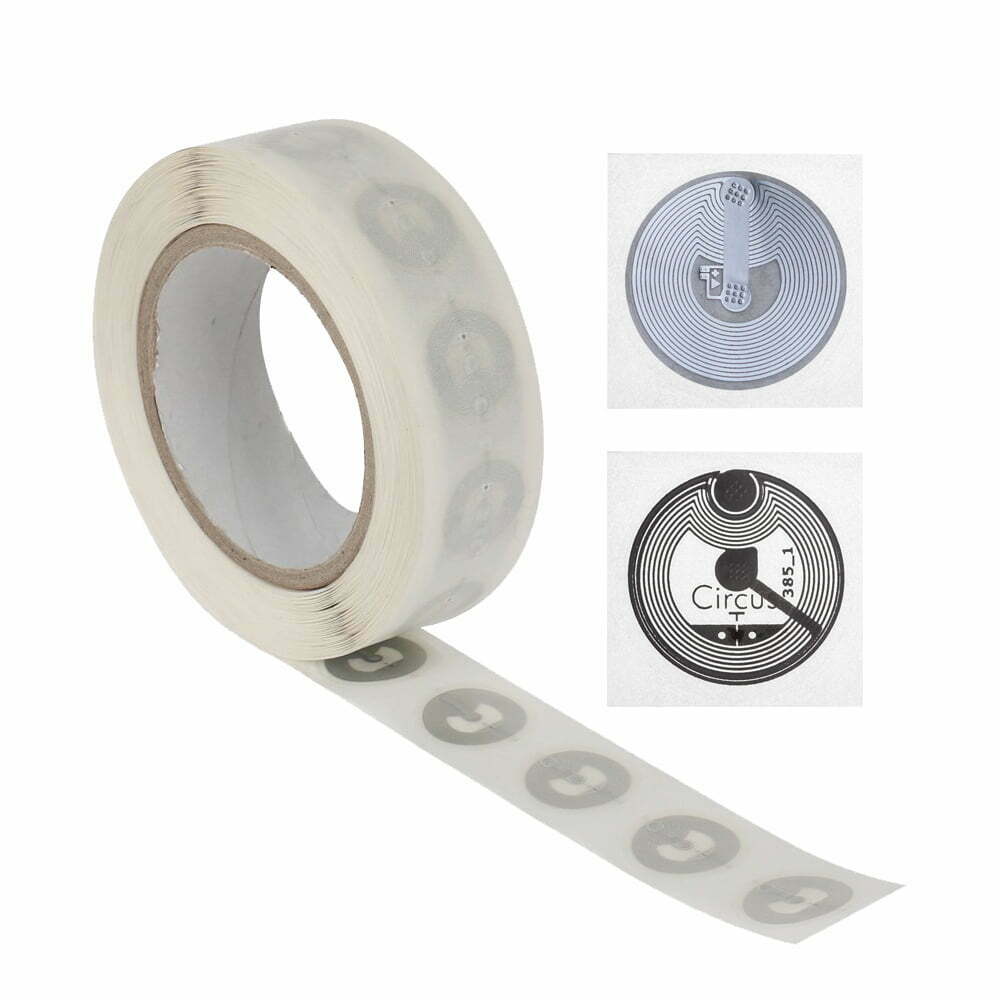
- Miniaturized coil geometry (12–20 mm diameter) with precise inductance targeting 1.5–2.2 µH
- Ferrite shielding layers to suppress eddy current losses and maintain Q-factor >25
- LCR matching networks to tune resonance at 13.56 MHz and sustain read range of 15–30 mm at POS terminals
Manufacturing Process: From Inlay to Wearable
Industrial-grade NFC wristbands undergo rigorous fabrication:
- Inlay embedding: Precision hot-stamping of NFC inlays into silicone substrates
- Overmolding: Liquid Silicone Rubber (LSR) injection molding (60–80 Shore A hardness); FDA/USP Class VI options available for healthcare use
- Encapsulation: IP67/IP68-rated sealing — validated via 2-meter immersion for 30 minutes
Security Architecture: Beyond Tap-and-Go
True payment-grade security requires mutual authentication and cryptographic session management:
- Dynamic challenge-response protocols between wristband and terminal
- Session key derivation using AES-128 or ECC-256
- PCI DSS compliance for stored-value implementations (tokenized vaults, encrypted logs)
- Anti-cloning protections: UID locking, sector-level encryption, and anti-tearing logic
Operational Advantages Over Traditional Cards
Real-world deployments confirm measurable ROI:
- 40% faster gate throughput (0.3s vs 0.5s average tap latency)
- 85% reduction in lost/dropped credentials versus plastic cards
- 500,000+ tap cycles per wristband — validated across RFIDHY’s NFC silicone wristband product line
Proven Implementations Across Industries
Leading global programs rely on certified NFC wristband hardware:
- Disney MagicBand+: 1B+ daily tap transactions across parks and resorts
- Shenzhen Metro: 5M+ passengers/day using wearable transit payments
- Barclays bPay Band Anthology: Financial-grade wearable program with eSE integration
- Alipay Wearable Program: Mass-deployed NFC wristbands for retail and transport in China
All leverage core components available from RFIDHY— including NFC inlay, NFC wristband, and NFC silicone wristband variants.
FAQ
- Do NFC payment wristbands require smartphone pairing? No — fully standalone operation is enabled via embedded secure element or HCE architecture.
- Are RFIDHY’s NFC wristbands compatible with global POS terminals? Yes — all certified NFC wristbands meet EMVCo Level 1 & 2 and ISO/IEC 14443-A standards for worldwide interoperability.
- Can I customize antenna performance for my wristband design? Absolutely — RFIDHY and NFCWORK offer antenna simulation, LCR tuning support, and custom inlay prototyping.
- What certifications do your NFC wristbands hold? CE, FCC, RoHS, REACH, IP67/IP68, and EMVCo Level 1 validation — full documentation provided upon request.
Design Your Next-Generation NFC Payment Wristband
Whether you’re launching a closed-loop loyalty program or building an open-loop bank-grade wearable solution, our engineering team delivers end-to-end support: chip selection guidance, antenna optimization, secure element integration, and rapid prototyping of NFC wristband samples. Contact us today to begin your custom NFC wristband payment solution.