Introduction: Two Wearable Form Factors, One Underlying NFC Capability
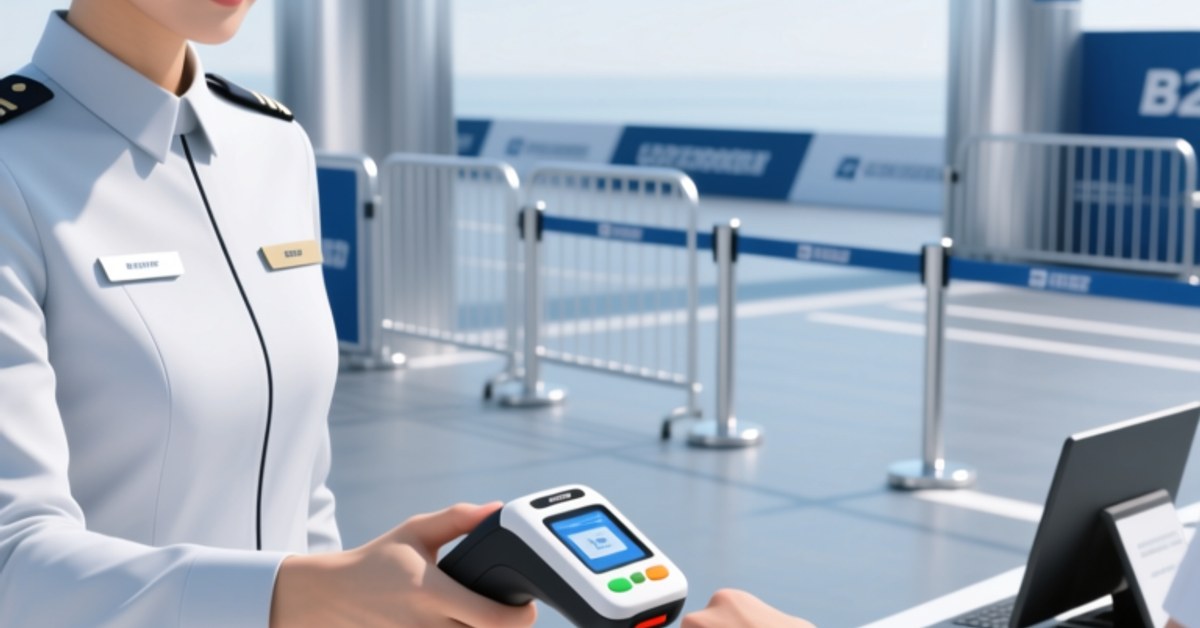
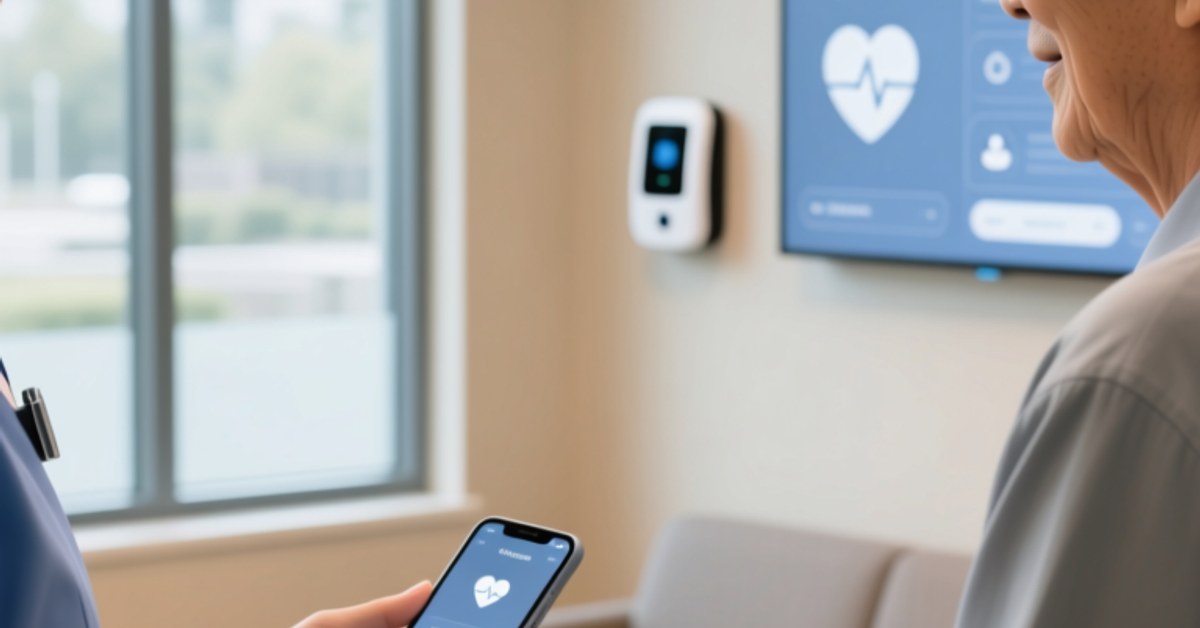
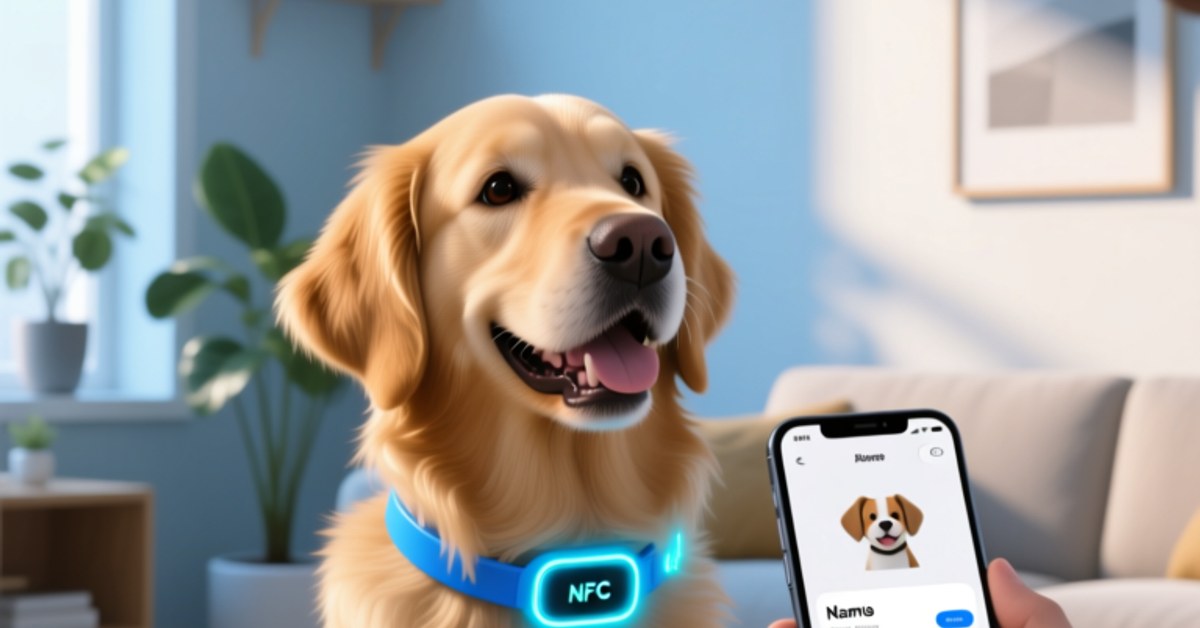
Near Field Communication is no longer confined to smartphones and plastic cards. Wearable form factors such as NFC rings and smartwatches now offer seamless tap-and-go experiences for enterprise access control, employee ID, cashless cafeteria payments, event check-in, and asset interaction. For product managers, procurement teams, and IT architects, the challenge is not the NFC chip itself—it is selecting the physical envelope that best fits daily workflows, user acceptance, and total cost of ownership.
RFIDHY and NFCWORK serve system integrators and organizations that embed NFC into everyday objects. This article provides a structured decision framework comparing passive NFC rings with active smartwatch platforms, addressing comfort, battery and charging trade-offs, interaction models, and scenario-specific fit. Whether your deployment targets 500 employees across a campus or 10,000 attendees at a festival, choosing the right form factor upfront avoids costly retrofits and user frustration.
Form Factor: Size, Weight, and All-Day Comfort
Wearable success often hinges on comfort. A device that ends up in a drawer cannot deliver ROI. NFC rings and smartwatches occupy opposite ends of the physical spectrum.
NFC rings are typically made from ceramic, titanium, or epoxy resin. They weigh between 5 and 15 grams and have no screen, buttons, or moving parts. Because they are fully passive, they can be worn 24/7 without concern for battery depletion or skin irritation commonly caused by charging contacts. Rings are unobtrusive and ideal for hands-free environments where workers need to tap readers while carrying packages, operating machinery, or wearing gloves.
Smartwatches, even the most compact models, weigh 30–60 grams and include a display, battery, and often a heart-rate sensor. The form factor adds bulk that some users find acceptable for fitness tracking but intrusive during sleep or under tight uniform sleeves. However, the screen serves additional purposes beyond NFC—it can display notifications, shift schedules, or access codes—making it a multi‑function platform.
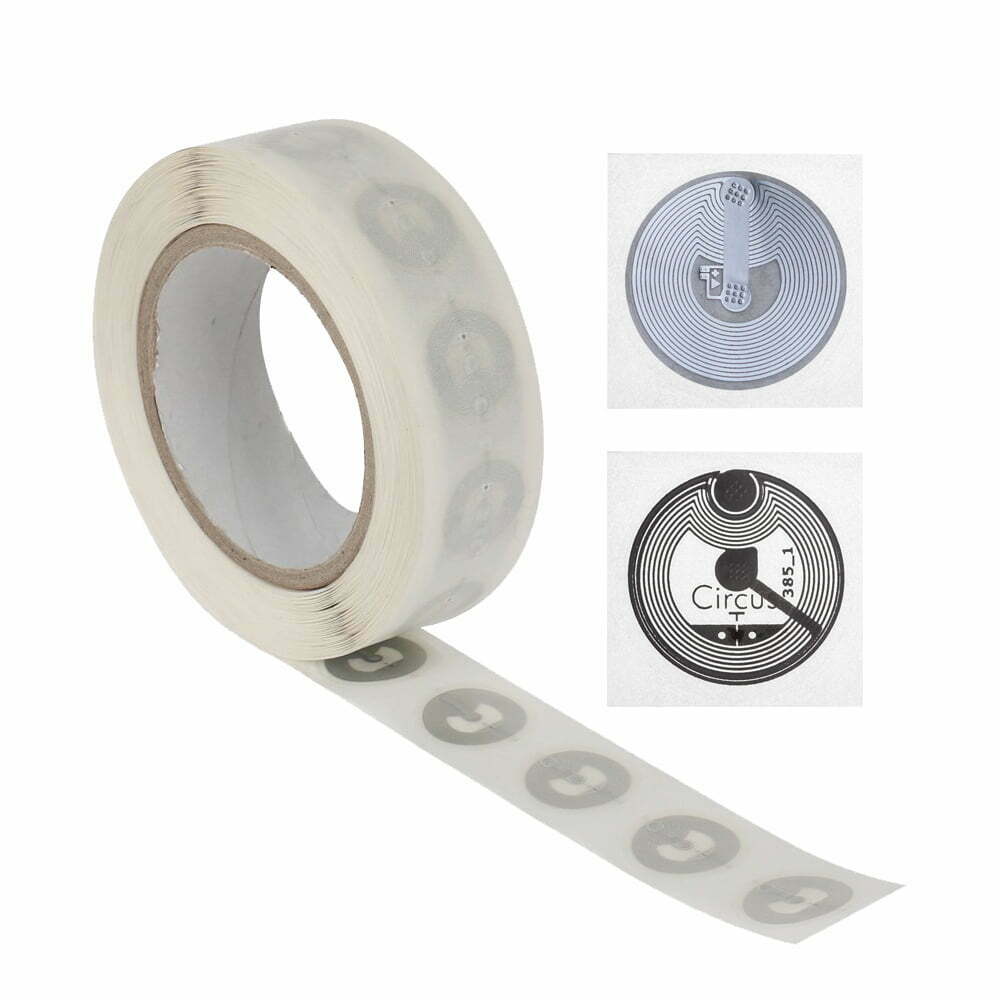
Beneath the ergonomics, the NFC components differ. An NFC ring integrates a passive NFC tag (typically an NTAG® or ICODE® chip) that draws energy from the reader field during a tap. A smartwatch contains an active NFC controller that can initiate card emulation or peer-to-peer communication. Both can perform contactless transactions, but the underlying electronics significantly affect use cases and maintenance.
For teams evaluating comfort at scale, consider whether your user will wear the device for an entire shift, overnight, or only during discrete events. The table below summarizes the key form factor trade-offs.
>
| Dimension | NFC Ring | Smartwatch |
|---|---|---|
| Weight (g) | 5–15 g | 30–60 g |
| Power source | None (passive NFC) | Rechargeable Li‑ion battery |
| Screen | None | Touchscreen or monochrome display |
| User input | Tap gesture only | Touch, button, voice, gestures |
| Water / dust resistance | IP68 typical, fully sealed | IP68 common, but charging port vulnerability |
| Typical wear duration | 24/7 without removal | Daytime; requires overnight charging |
Battery and Charging: The Fundamental Trade‑Off
Battery management is often the defining operational headache for enterprise wearables. The difference here is binary: an NFC ring requires no charging whatsoever, while a smartwatch demands daily or every-other-day attention.
A passive NFC ring harvests energy from the reader’s RF field during the short tap event. It has no battery, no sleep mode, and no end‑of‑life cycle tied to charge cycles. For high‑volume deployments—say, 2,000 warehouse staff using NFC rings for time‑and‑attendance and equipment access—the operational savings in charging infrastructure, replacement batteries, and help‑desk tickets can be substantial. NFC rings such as those available in NFCWORK’s product catalog can be issued once and expected to last years, with no user behavior required beyond wearing the ring.
Smartwatches pack a battery that typically delivers 1–3 days of runtime, depending on screen usage and sensor polling. Charging requires a cradle or magnetic puck per unit, adding logistical complexity in a shared workforce. IT managers must manage charging stations, spare devices for workers who forget to charge, and battery degradation over 12–18 months. On the plus side, the powered platform supports on‑device processing, real‑time display of shift information, and Bluetooth‑based handover to phones—valuable features that a passive ring cannot offer.
The choice, then, is between always‑available simplicity and feature‑rich capability at the cost of recurrent charging. For most access control and identification use cases where the primary action is a tap, the ring’s maintenance‑free design wins. When workers need to see schedules, receive alerts, or run internal apps, the smartwatch becomes necessary.
Interaction Models: Tap‑Based vs. Screen‑Mediated
How users interact with the wearable shapes onboarding time, error rates, and the types of workflows you can digitize.
NFC Ring Interaction
The interaction is purely a physical tap on an NFC reader. No screen means no visual feedback on the ring itself; confirmation must come from the reader’s LED/sound or a connected terminal display. This simplicity is a strength in high‑throughput environments—turnstiles, door locks, EV charging stations—where speed matters. Employees at a manufacturing plant can tap a ring on an industrial RFID reader without removing gloves, glance at a gate light, and proceed. The lack of a screen also eliminates distraction, making rings suitable for safety‑critical zones.
Smartwatch Interaction
Smartwatch‑based NFC can be initiated via an app or a pre‑loaded card, often requiring a button press or a wake gesture before tapping. The screen can display a transaction confirmation, an access PIN, or a dynamic QR code. This two‑way interaction is useful for loyalty programs, multi‑step payments, and personalized services. However, screen‑based UX may slow throughput in a factory entrance scenario compared with a simple ring tap, and screen breakage is a concern in rugged environments.
For deployments where hands‑free operation is critical—material handling, healthcare hand hygiene, security patrolling—the no‑look tap of an NFC ring often delivers faster and more reliable reads. For front‑of‑house or customer‑facing roles where displaying a name or access level adds value, the smartwatch screen offers clear advantages.
Use Case Fit Matrix: Matching Form Factor to the Job
Not every application demands a screen. The following matrix maps common enterprise wearable NFC applications to the more suitable form factor based on typical field requirements.
>
| Application | Preferred Form Factor | Key Reason |
|---|---|---|
| Employee access control (doors, turnstiles) | NFC Ring | Always available, no charging, tap speed |
| Cafeteria / vending cashless payment | Both | Rings for speed; watches for balance display |
| Time‑and‑attendance terminals | NFC Ring | Glove‑friendly, durable, zero maintenance |
| Hospital staff identification & hand hygiene | NFC Ring | Waterproof, sanitizable, no screen bacteria trap |
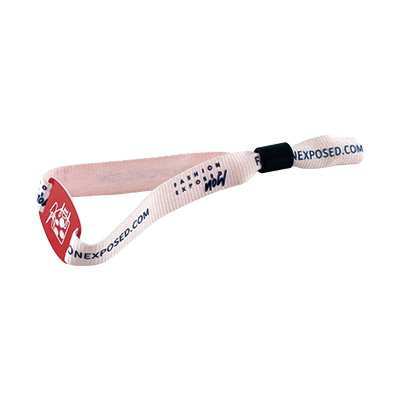
| Event check‑in & cashless wristband (festivals) | Smartwatch (or wristband) | Wrist wear accepted, screen for ticket detail |
| Warehouse logistics & asset check‑out | NFC Ring | Rugged, can’t drop, works with UHF RFID readers |
| Hotel key & amenity access | NFC Ring | Always on guest, no return needed |
| Corporate wellness program (fitness tracking) | Smartwatch | Health sensors, screen‑based progress |
Where both form factors can serve, the final decision often comes down to user profile and environmental constraints. For a workforce that already carries smartphones, a smartwatch may duplicate capabilities; a ring extends NFC without adding another screen. In guest‑facing scenarios like hotels, rings offer a delight factor and eliminate the cost of lost plastic cards. NFCWORK provides customizable NFC rings that can be pre‑encoded with unique IDs, URLs, or NDEF records to match each use case.
Making the Decision: Key Selection Criteria
When evaluating form factors for your next wearable NFC pilot or full rollout, we recommend scoring potential solutions against these five criteria:
- Always‑available requirement. If the wearable must function at any moment without user preparation, the passive ring is the only choice.
- Need for visual feedback. If users must see dynamic data (schedules, balances, alerts), a smartwatch is essential.
- Environmental ruggedness. Assess exposure to water, chemicals, dust, and impact. Rings with ceramic or epoxy housings generally withstand rougher handling than a screen‑based watch.
- User acceptability and fashion. Rings are discreet and have higher 24/7 wear compliance in white‑collar settings; watches may face resistance if employees already wear personal watches.
- Total cost of ownership (TCO). Factor in not only unit price but also charging accessories, battery replacement, IT support, and replacement rate from loss or breakage.
Both NFC rings and smartwatches can leverage the same NFC infrastructure—readers, middleware, and backend systems. This means you can start with one form factor and expand to the other later without a forklift upgrade. For example, an NFC wearable identification system deployed first with rings for facility access can later incorporate smartwatches for supervisors who need on‑wrist notifications.
Smart Wearable Ecosystems: Where Rings and Watches Converge
The choice is not always exclusive. In many modern enterprise architectures, rings and watches coexist. A warehouse associate wears an NFC ring for equipment checkout and door access, while the floor manager uses a smartwatch to receive real‑time pick list updates and still uses NFC for locker authentication. Both devices can be managed through a common cloud‑based NFC credentialing platform, such as those integrated by RFIDHY partners.
Reading previous NFCWORK articles can provide deeper dives into specific verticals. NFC in Smart Wearables: Beyond Payments into Identity, Access, and Health explores how passive and active wearables are reshaping hospital and office environments. Designing NFC‑Enabled Fitness Wearables covers technical considerations for product teams building health‑focused devices.
Ultimately, the “right” wearable form factor is the one that your users will wear consistently and that your support organization can sustain without friction. By separating the core NFC capability from the physical envelope, you can make an informed trade‑off between maintenance‑free rings and feature‑rich watches, aligning technology with the daily reality of your workforce.
Do NFC rings need to be charged?
No. Passive NFC rings contain a chip and antenna but no battery. They harvest energy from the reader’s electromagnetic field during the tap, so they never require charging. This makes them especially suitable for always‑on access and identification applications.
Can an NFC ring replace a smartwatch for cashless payments?
Yes, for simple contactless transactions at standard NFC payment terminals. However, an NFC ring provides no screen to display transaction confirmation, balance, or loyalty prompts. A smartwatch can show this information, and in some setups allows card selection, which may be required for multi‑purpose wallets.
Which wearable is more durable in industrial environments?
NFC rings, particularly those with ceramic or full‑epoxy encapsulation, are generally more durable. They have no charging port, screen, or mechanical buttons. Many rings carry an IP68 rating and withstand exposure to water, oils, and mild chemicals, whereas smartwatches may suffer from port corrosion or screen impact damage.
Are NFC rings compatible with existing NFC access control readers?
Typically yes, as long as the ring’s NFC chip type (e.g., NTAG216, ICODE SLIX) is supported by the reader infrastructure. Most enterprise readers that read MIFARE or NTAG cards can also read rings with the same chip technology. It is advisable to test compatibility with the specific reader models in your deployment.
Ready to evaluate NFC rings for your next wearable identification or access project? Explore NFCWORK’s range of custom‑encoded NFC rings, industrial‑grade NFC tags, and reader solutions. Our team helps system integrators and enterprise buyers select the right form factor, chip type, and encoding method to match your application. Contact us to discuss a pilot program or request samples.