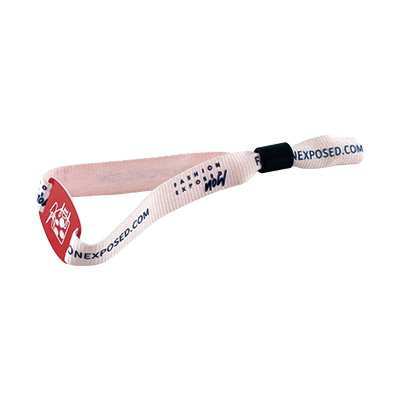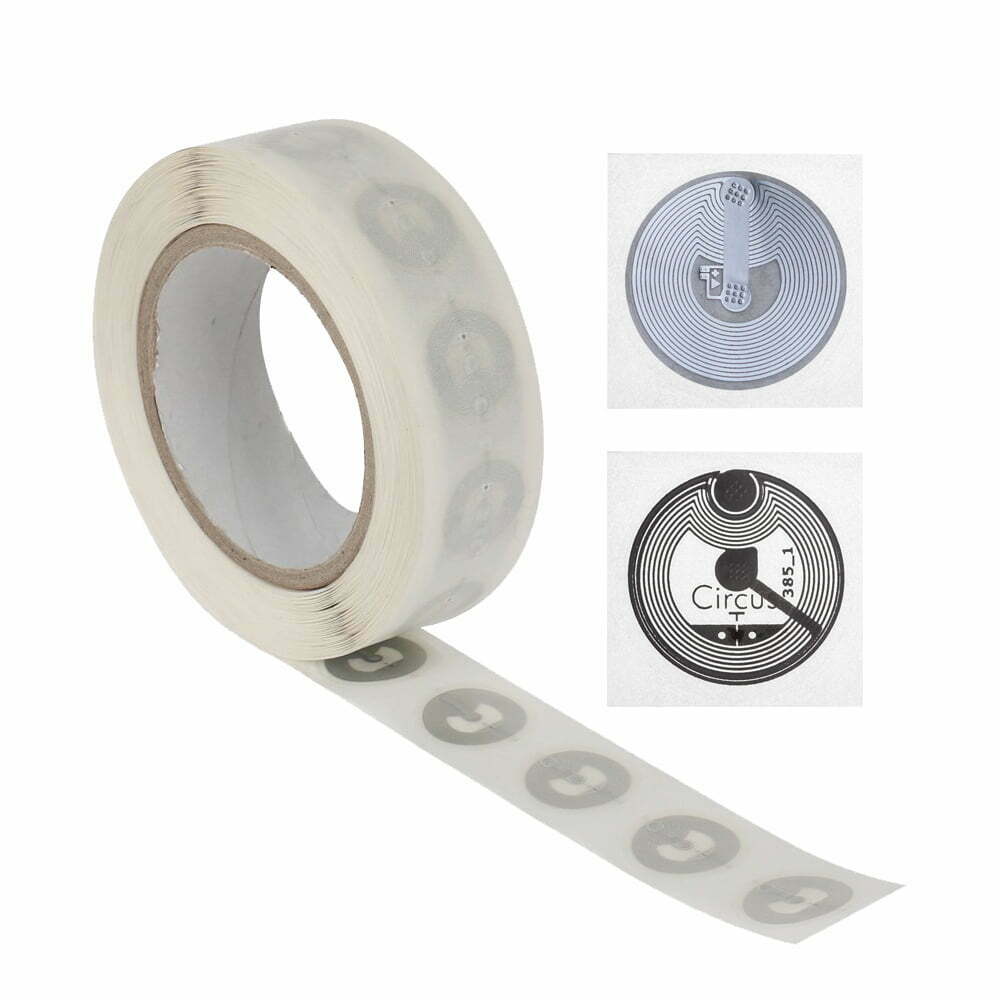
Mass-participation races are complex orchestrations. From the moment a participant arrives for packet pickup to the moment they share a finisher photo, race organizers need reliable data and smooth user journeys. NFC wristbands, sometimes deployed as RFID event wristbands, give race directors a single credential that supports registration, access control, timing, and participant experience.
The promise of a race wristband NFC system is simple: every athlete receives a uniquely coded wristband that can be scanned at the touchpoints they already use. Instead of juggling paper tickets, bib numbers, cashless top-ups, and photo codes, participants move through the event with one connected wearable. For large races, that simplicity has a direct operational impact because less friction at every station means shorter queues, fewer errors, and more confident participants.
Why an NFC/RFID Wristband Is More Than a Race Entry Token
An NFC/RFID wristband works as a secure, serialized identifier. Before the event, each wristband is linked to a participant profile containing race category, start wave, timing ID, and optional event services. When the wristband is scanned, the connected software instantly retrieves that profile and triggers the correct action. A volunteer at packet pickup sees the athlete’s name and bib details. A gate operator at the start corral sees wave authorization. A finish-line system records the athlete’s unique timing identity.
From an operations perspective, this is far better than collecting participant data multiple times at different physical stations. The wristband is also a passive device that requires no battery. It is powered by the reader’s electromagnetic field, making it a practical choice for events where thousands of wristbands must be activated, distributed, and used outdoors.
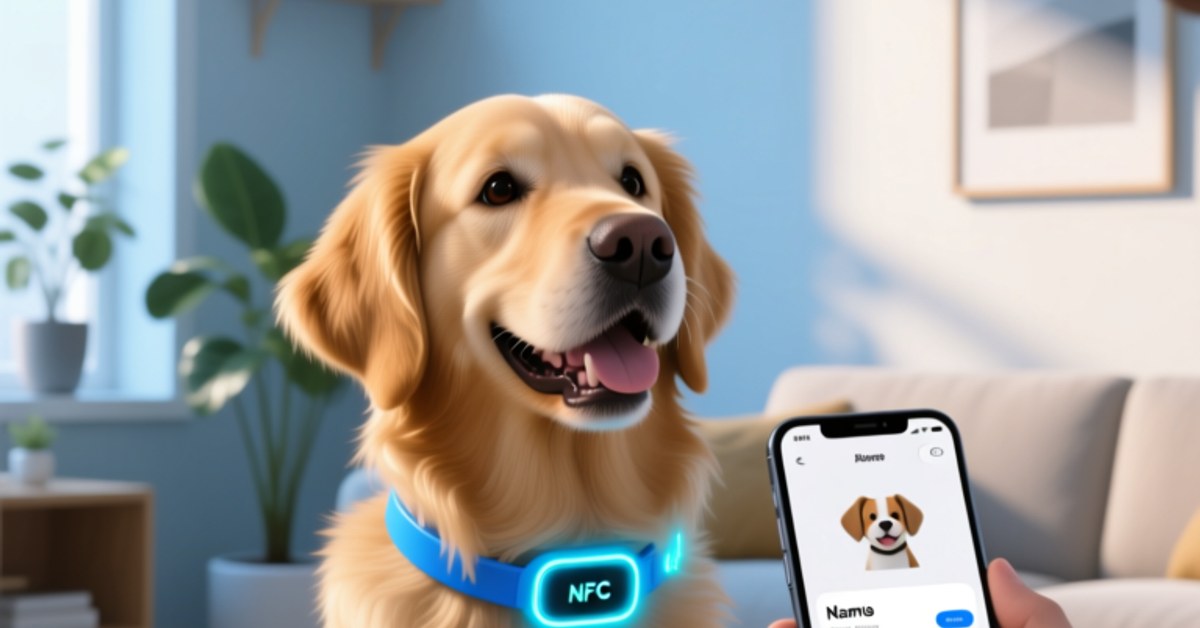
For organizers exploring connected wearables, NFC wearable identification technology can be extended beyond the race to broader participant safety and post-event engagement strategies.
Race-Day Packet Pickup and Event Check-In
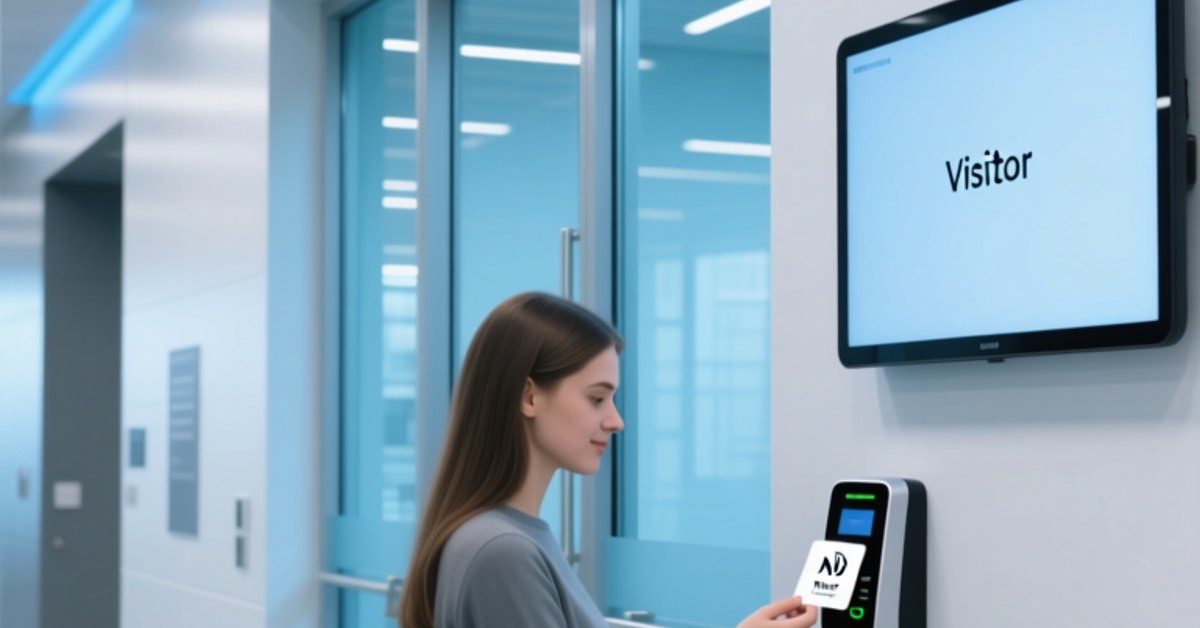
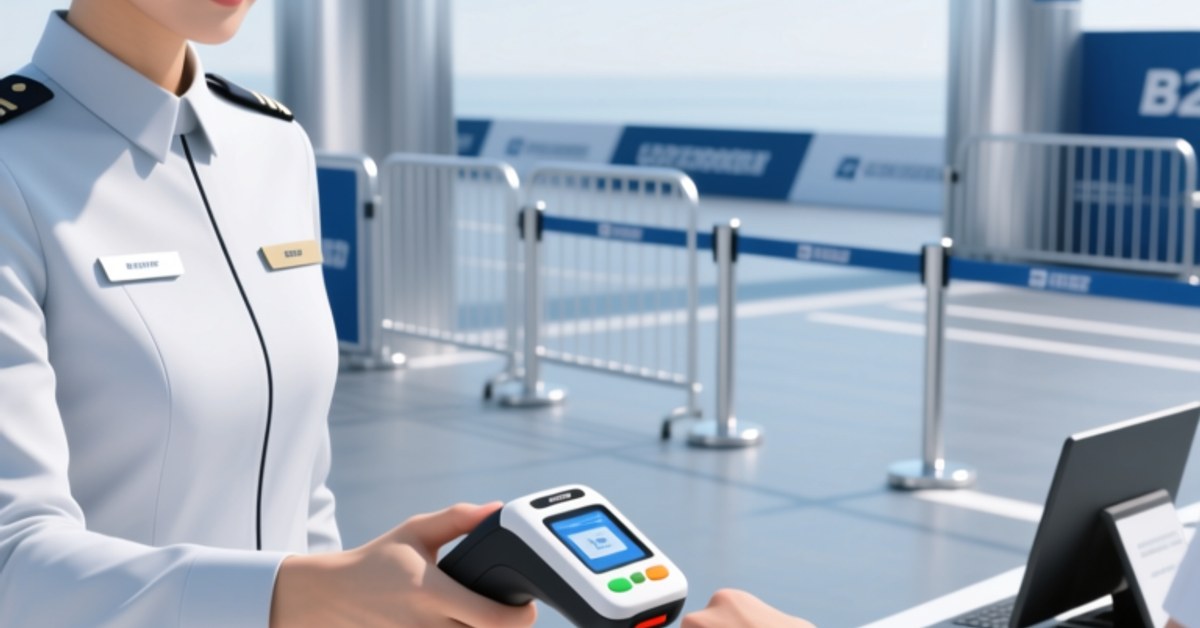
The first major operational bottleneck for most races is packet pickup. Athletes arrive at a venue with identification, registration emails, and waiver forms, and they expect a quick path to their race number and wristband. When a participant’s wristband is already encoded with a unique ID, event staff can use a desktop RFID reader or a handheld RFID reader to verify the participant instantly. This creates a true event check-in race day workflow that reduces line pressure and allows staff to focus on customer service rather than searching through spreadsheets.
Packet pickup can also be organized more intelligently when registration data is already linked to the wristband. Staff can see whether a participant has completed waivers, picked up a timing chip, or selected a specific start wave. For charity run RFID programs, the same scan can confirm fundraising milestones and unlock incentive items. By making the packet pickup station a connected touchpoint, organizers can proactively answer participant questions before the race starts.
Practical packet pickup steps to consider:
- Pre-encode wristbands with participant references and race entitlements before the event.
- Use one desktop RFID reader per check-in lane to reduce manual searching.
- Add a final read step after the wristband is placed on the participant’s arm to confirm activation.
- Separate express pickup for athletes who have already completed digital waivers.
Start Corral and Checkpoint Access
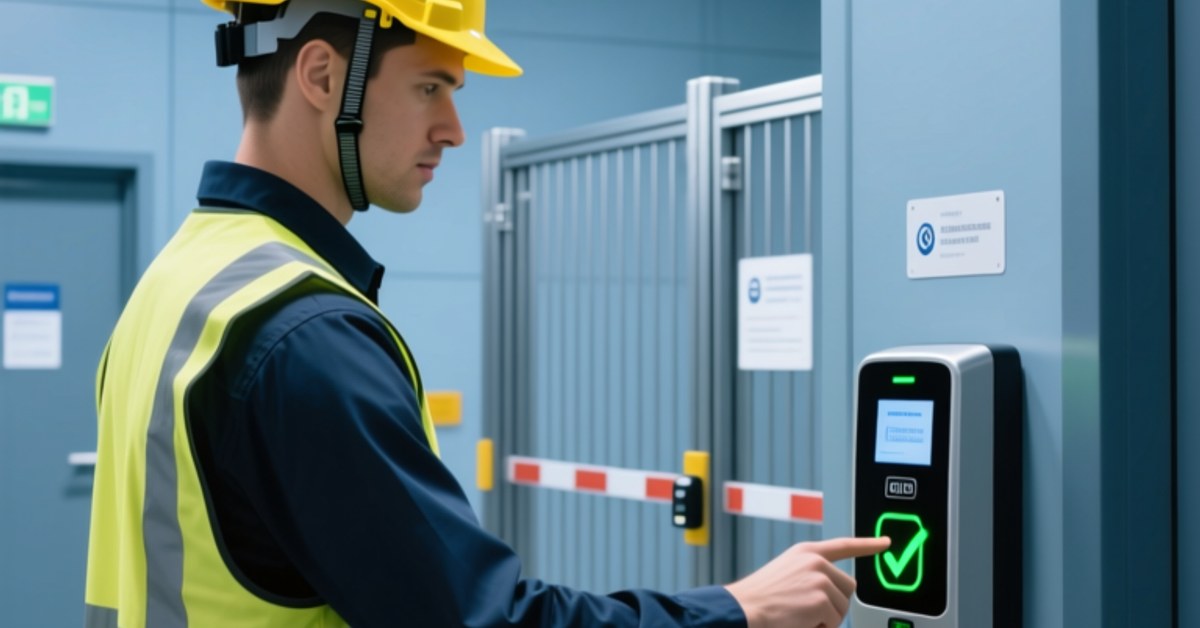
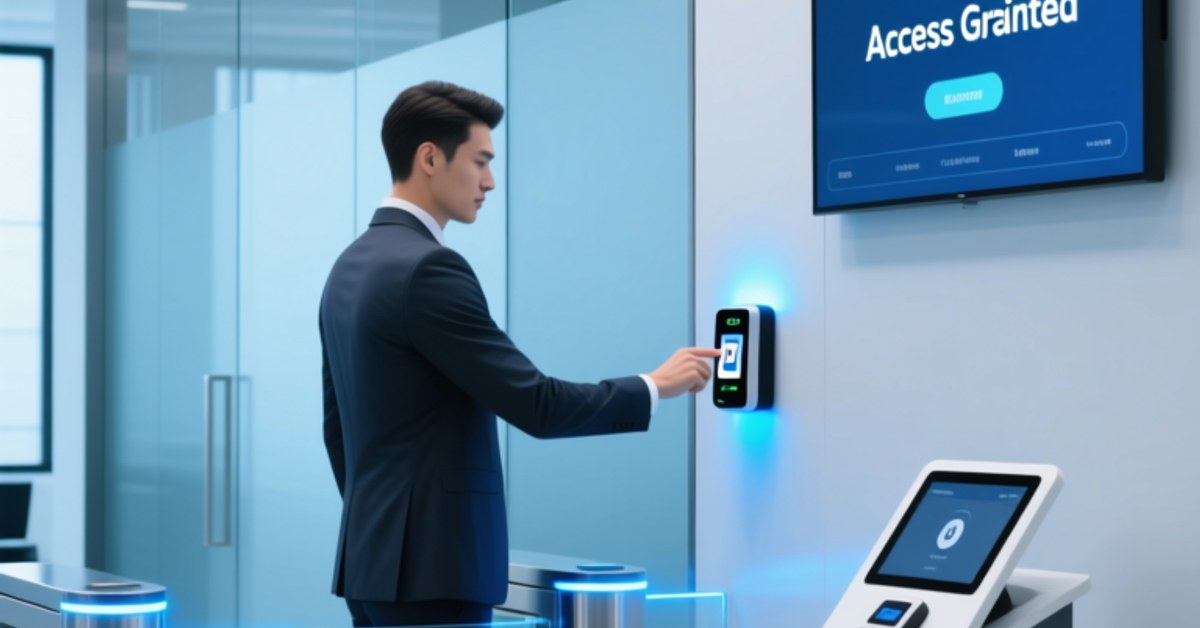
Start corral management becomes more complicated when you have multiple waves, seeded athletes, and charity runners entering the same area. Without reliable access control, participants can move into different waves, creating safety and timing problems. Fixed RFID readers mounted at corral entrances can read wristbands as participants pass through a gate, allowing the race system to confirm wave eligibility and block unauthorized entry.
The same infrastructure works at route checkpoints. Volunteers and race officials can carry handheld RFID readers to verify runner presence, validate route compliance, or flag athletes who need assistance. Checkpoint access is especially important for ultra marathons, multi-distance events, and relay races where participants may be required to pass through designated points at certain times. A scan at each checkpoint gives the timing team a clear record of who passed where and when, without requiring runners to stop for long.
Because these checkpoints are often outdoor and dusty, event wristbands need to be durable. NFC silicone wristbands are a popular form factor when the wristband is expected to survive rain, sweat, and repeated scanning throughout the day. For events with longer course distances, organizers should consider whether the wristband material can handle the expected environmental conditions.
Timing Integration: Linking the Marathon Timing Wristband to Race Results
Timing integration is where technology choices become visible. Every linked wristband carries an identifier that can be associated with a runner’s race database, but the technical frequency and read range must match the timing hardware being used. NFC is well suited for close-proximity scans at packet pickup, corral gates, and finish-line activation points. For automatic timing mats along the course and at the finish line, event teams often rely on RFID technology that supports longer read ranges and high-speed detection.
For race directors who are planning a marathon timing wristband deployment, the critical step is alignment with the timing service provider. The provider will specify the type of inlay, frequency, and activation format that works with their mats and software. In many cases, an RFID wristband with a UHF inlay is used at timing zones, while NFC-based scans support participant-facing services. This does not mean the two systems are disconnected. Both the timing ID and the NFC event ID can point to the same participant record, allowing results, photos, and post-race content to be unified.
When designing a timing workflow, ask these questions:
- What frequency does the timing system support?
- Will the timing reader automatically scan runners, or does the participant need to tap?
- How will timing data be synchronized with event check-in and participant communications?
- What backup plan exists for late registrations or wristband replacement?
Answering these questions early prevents the most common race-day problem: a wristband that works at packet pickup but cannot be read at the finish line.
Finish-Line and Results: Turning the Final Meter into Useful Data
The finish-line experience is the emotional peak of the race, but it is also a dense data collection zone. Participants cross a mat, their chip is read, and within seconds the result must be available to announcers, timing screens, and family members. For an event to feel professional, results must be accurate and immediate. A serialized wristband helps because every read is linked to a specific participant profile rather than a generic race bib.
At the finish line, organizers can use the RFID record to trigger automatic text or email updates, announce finishers by name, and activate personalized content. If the participant has registered for a post-race service, the same record tells volunteers which runner is eligible for premium perks, collectible items, or VIP recovery access. This creates a structured finish-line flow that still feels personal.
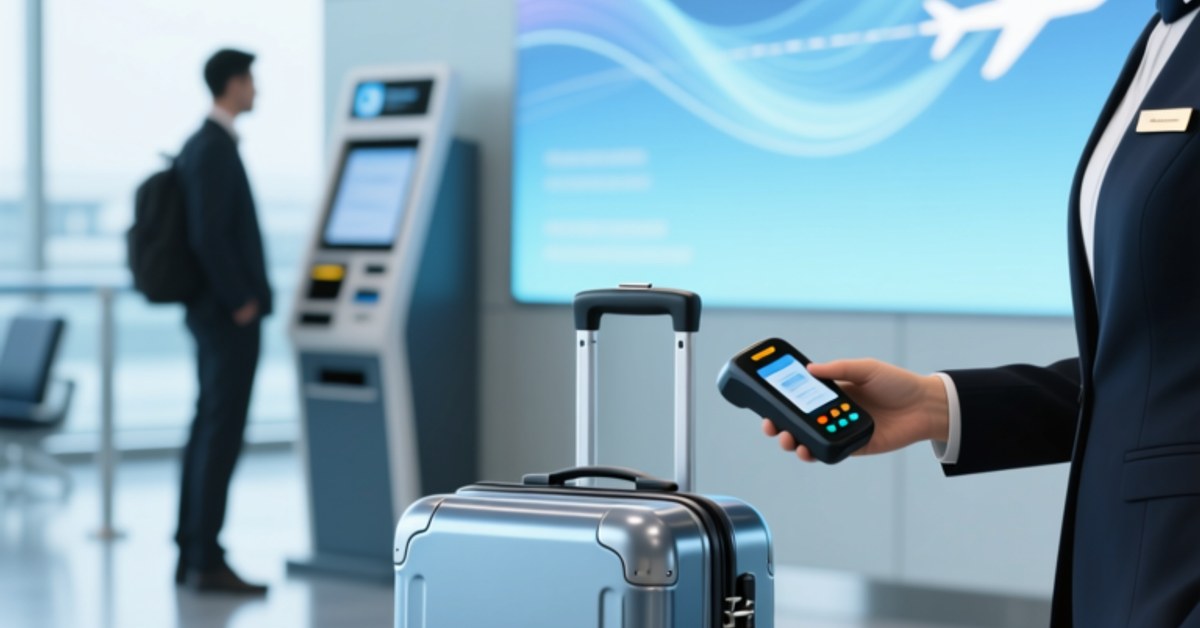
Finish-line designers should also plan for congested zones. Participants do not always stop immediately after the mat, and volunteers must be able to identify those who need medical attention or special assistance. Handheld RFID readers can be used by finish-line staff to scan wristbands when a participant is moving through the recovery area, giving the operations team a timestamped log of who has entered the zone and who has been offered services.
Post-Race Perks, Photos, and Participant Experience
Post-race engagement should not be an afterthought. Participants want proof of their performance and content they can share. Because the wristband remains mapped to the runner’s profile, it becomes the key to a personalized post-race experience. At photo stations, a participant can tap their wristband against an NFC reader to connect the official race photographer with their bib number and result. Instead of scrolling through hundreds of photos, the runner receives a curated gallery linked to their finish time.
For the race organizer, this is a powerful retention tool. The same wristband profile can power post-race surveys, donation receipts for charity runners, digital certificates, and early registration offers for next year’s event. The participant experience does not end at the finish line; it continues through every post-race touchpoint, and each scan provides measurable data about what participants actually value.
From a branding perspective, the wristband is also a physical souvenir. An NFC silicone wristband can carry event colors, sponsor messaging, and a subtle RFID antenna design. When the race is over, participants often keep wristbands as mementos, which extends brand visibility far beyond the event weekend.
Operational Checklist for a Connected Run or Charity Event
>
| Race Touchpoint | NFC/RFID Role | Recommended Approach |
|---|---|---|
| Packet pickup | Validate participant identity and issue race kit | Use a desktop RFID reader or handheld RFID reader at each check-in station |
| Start corrals | Confirm wave eligibility and restrict unauthorized access | Deploy fixed RFID readers at gate entry lanes |
| Route checkpoints | Capture route compliance and split data | Use handheld RFID readers or timing mats connected to event software |
| Finish line | Record official finish time and trigger post-race services | Align RFID frequency with timing provider and synchronize to participant profiles |
| Post-race experiences | Unlock photos, perks, and digital certificates | Set up NFC tap points near recovery, photo, and results areas |
Because every race has a unique course, participant mix, and budget, there is no single wristband formula that works for every event. The goal is to choose a scalable platform that can grow with the race, from a small charity run RFID deployment to a multi-day marathon and festival event. With the right RFID wristband, NFC event wristband, and reader infrastructure, race directors can reduce bottleneck pressure and build a connected race-day experience that participants will remember long after the finisher medal is stored.
Whether you are managing a 5K charity run or a marathon with twenty thousand participants, a clearly integrated wristband program is essential for race timing, checkpoint access, event check-in race day, and the all-important finish-line experience. Plan your participant journey, align your technology providers, and make the wristband a true partner in the event operation.
FAQ
Can an NFC wristband be used for marathon timing?
Yes. The key is to match the wristband technology to the timing system, not the other way around. NFC is effective for close-proximity scans at packet pickup, corrals, and post-race activations. For automatic timing mats, race organizers may choose an RFID wristband with an inlay frequency supported by the timing provider. A connected participant database allows both NFC and RFID reads to reference the same race record.
What is the difference between an NFC wristband and an RFID wristband?
NFC is a short-range form of HF RFID commonly used for tap-and-go interactions. RFID is a broader category that includes different frequencies and read ranges. Event teams often use the term RFID wristband when the wearable is part of a long-range radio-frequency timing or access-control deployment, while NFC wristbands are used for app-free, close-contact participant experiences.
Do participants need to charge their race wristbands?
No. Passive NFC and RFID wristbands do not contain batteries. They are activated by the electromagnetic field generated by a compatible reader. This makes them lightweight, maintenance-free, and suitable for races where thousands of wristbands are issued and used outdoors.
How can NFC wristbands improve post-race photo delivery?
When a participant taps an NFC wristband at a photo station or finish-line activation point, the unique ID is linked to their race profile. Photographers can use that reference to deliver photos faster and more accurately. Runners receive a personalized gallery tied to their bib number instead of searching through generic race pictures.
Build a Seamless Race-Day Operation with NFC/RFID Wristbands
From packet pickup to finish-line results, RFIDHY can help you select the right NFC/RFID wristbands, readers, and event infrastructure for your next race. Talk to our team about participant flow, timing integration, and custom wristband design.
Contact our team today or review available NFC/RFID products to start planning your mass-participation event.