Global NFC Market Size and Growth Outlook for 2026
According to MarketsandMarkets, the global NFC market is projected to reach USD 27.3 billion by 2026, growing at a compound annual growth rate (CAGR) of 18.2% from 2021 to 2026. This robust expansion reflects deepening enterprise integration across supply chain visibility, brand protection, and customer engagement systems.
Key Drivers Accelerating NFC Industry Growth
- Regulatory mandates: EU Digital Product Passport (DPP) requirements are catalyzing NFC-enabled traceability in manufacturing and luxury goods.
- Rising counterfeit concerns: Brands increasingly deploy NFC tags and luxury items authentication solutions to secure high-value assets.
- Smart infrastructure upgrades: Enterprises adopt Smart management platforms powered by NFC readers, antennas, and secure modules from RFIDHY.
- Hardware affordability: Cost reductions in NFC inlays, NFC business cards, and UHF RFID modules have lowered entry barriers for mid-market deployments.
Regional Distribution of NFC Market Size
North America remains the largest regional contributor (34% share in 2025), driven by early adoption in retail, healthcare, and hospitality. However, Asia-Pacific is the fastest-growing region—projected to expand at 21.7% CAGR—fueled by manufacturing digitization and government-backed smart city initiatives. Europe follows closely, with strong demand anchored in sustainability compliance and Digital Product Passport readiness.
>
| Region | 2026 Market Share | Primary Growth Catalysts |
|---|---|---|
| North America | 34% | Retail innovation, healthcare interoperability, NFC-enabled access control |
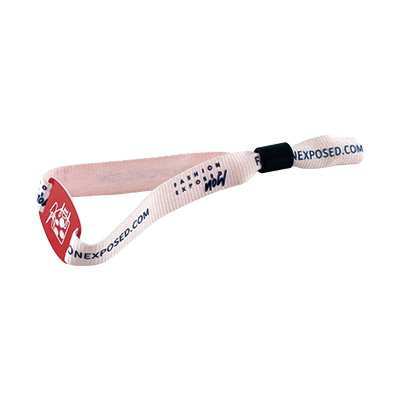
| Asia-Pacific | 31% | Smart manufacturing, export compliance, NFC wristband adoption for events & logistics |
| Europe | 26% | Digital Product Passport regulation, luxury authentication, circular economy frameworks |
| Rest of World | 9% | Emerging logistics digitization, public sector NFC pilots |
Strategic Implications for Enterprise Buyers
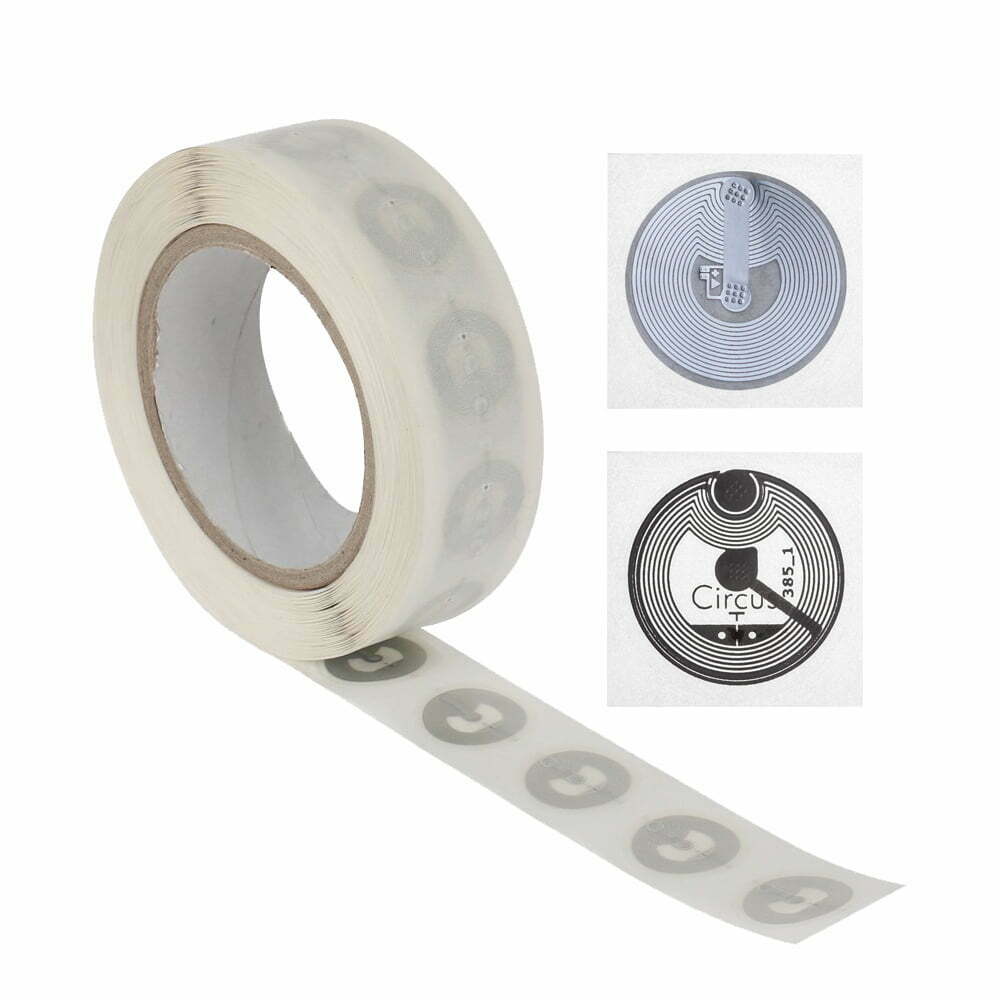
As NFC market trends 2026 shift toward interoperability, security, and scalability, enterprises must prioritize solutions built on certified hardware. For example, NFC inlays compliant with ISO/IEC 14443-A and NDEF standards ensure seamless integration with existing mobile and reader ecosystems. Similarly, UHF RFID readers and NFC wristbands deployed in industrial or event environments benefit from ruggedized design and EPC Gen2v2 support—critical for long-term ROI.
Enterprises evaluating NFC deployment should assess vendor alignment with global certification bodies (e.g., EMVCo, NFC Forum) and verify compatibility across NFC-enabled smartphones, point-of-sale terminals, and backend ERP or WMS platforms.
Frequently Asked Questions
- What is the projected global NFC market size in 2026?
MarketsandMarkets forecasts the global NFC market will reach USD 27.3 billion by 2026, growing at a CAGR of 18.2%. - Which industries are driving NFC industry growth most significantly?
Retail, luxury goods, healthcare, manufacturing, and hospitality lead adoption—particularly for digital product passports, asset tracking, and contactless guest services. - Are NFC tags and readers from RFIDHY compliant with global standards?
Yes. All RFIDHY readers and NFC tags meet ISO/IEC 14443, NFC Forum, and EPCglobal specifications. - How does NFC compare to QR codes for enterprise use cases?
NFC offers superior security, offline functionality, and automation—ideal for access control, authentication, and inventory scanning where reliability matters.
Our team provides no-cost technical consultation to help enterprises evaluate NFC solution fit—including tag selection, reader deployment strategy, and integration with your existing SOLUTIONS stack.