Przegląd śledzenia środków ochrony osobistej RFID
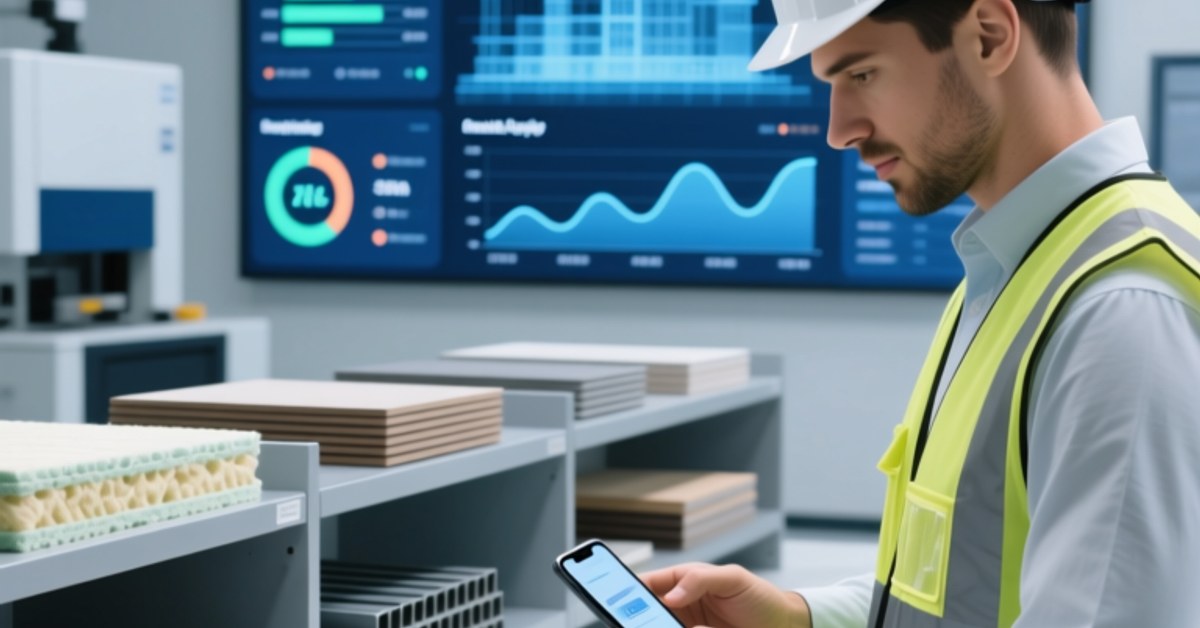
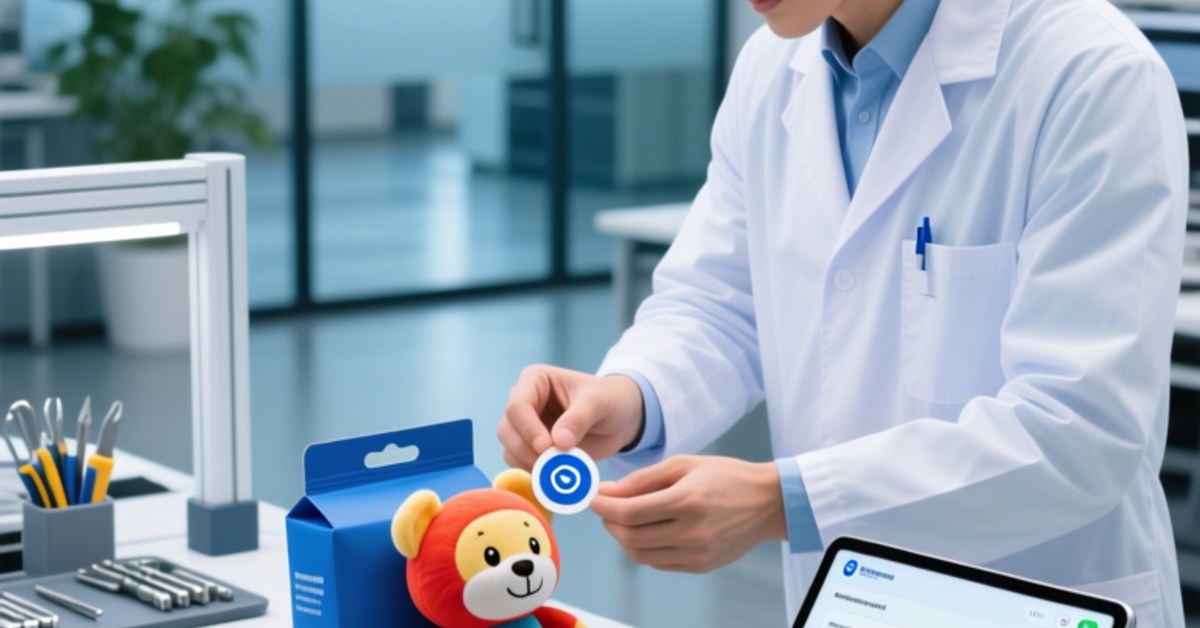
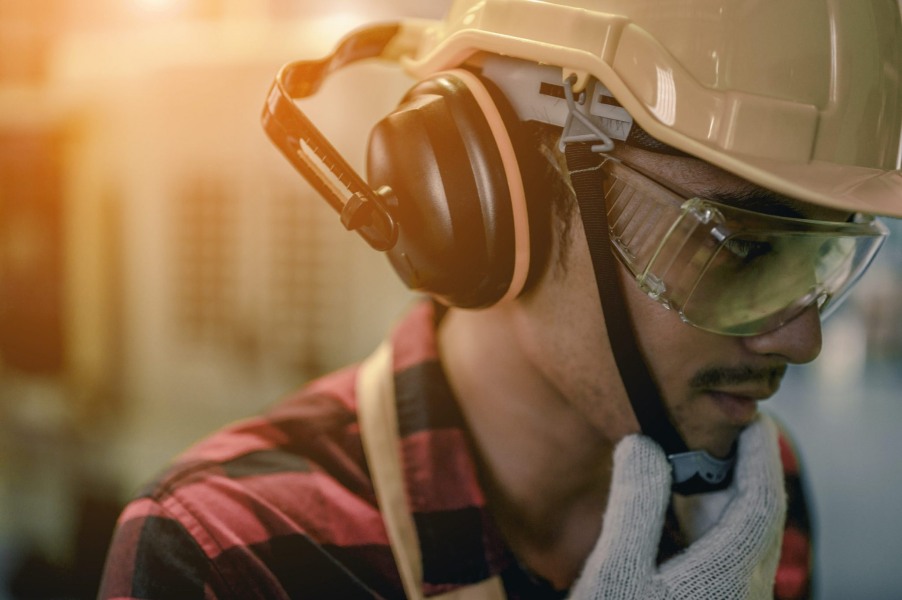
Śledzenie środków ochrony osobistej RFID (Śledzenie środków ochrony osobistej RFID) polega na dołączeniu Tagi RFID do sprzętu ochronnego, takiego jak kaski, okulary ochronne, lub obuwie ochronne. W połączeniu z czytnikami stacjonarnymi lub ręcznymi, umożliwia zarządzanie sprzętem zabezpieczającym RFID i inwentaryzację w czasie rzeczywistym. Dzięki śledzeniu sprzętu zabezpieczającego RFID i śledzeniu sprzętu ochronnego RFID, firmy mogą wdrożyć automatyczną odprawę, powiadomienia o utraconych przedmiotach, i zwrócić zapisy, znacznie poprawiając zgodność i identyfikowalność.
Jak to działa i najważniejsze funkcje
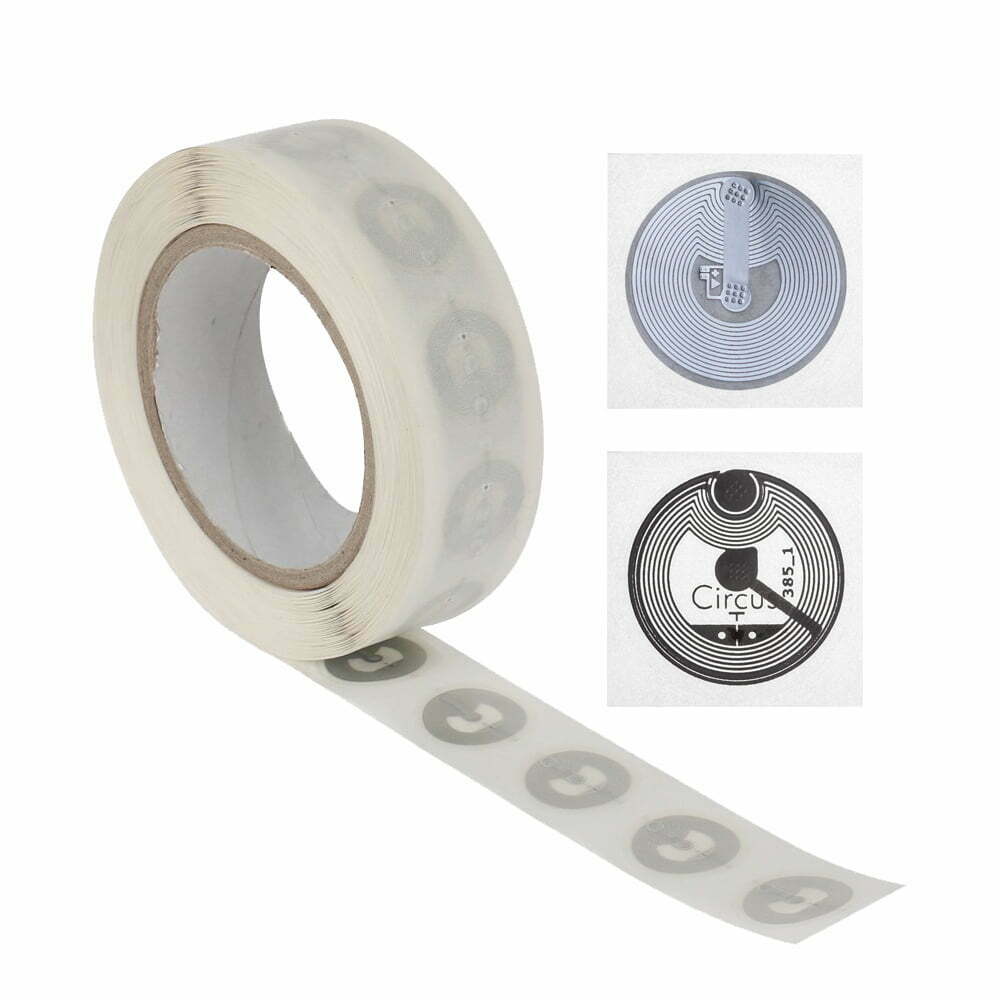
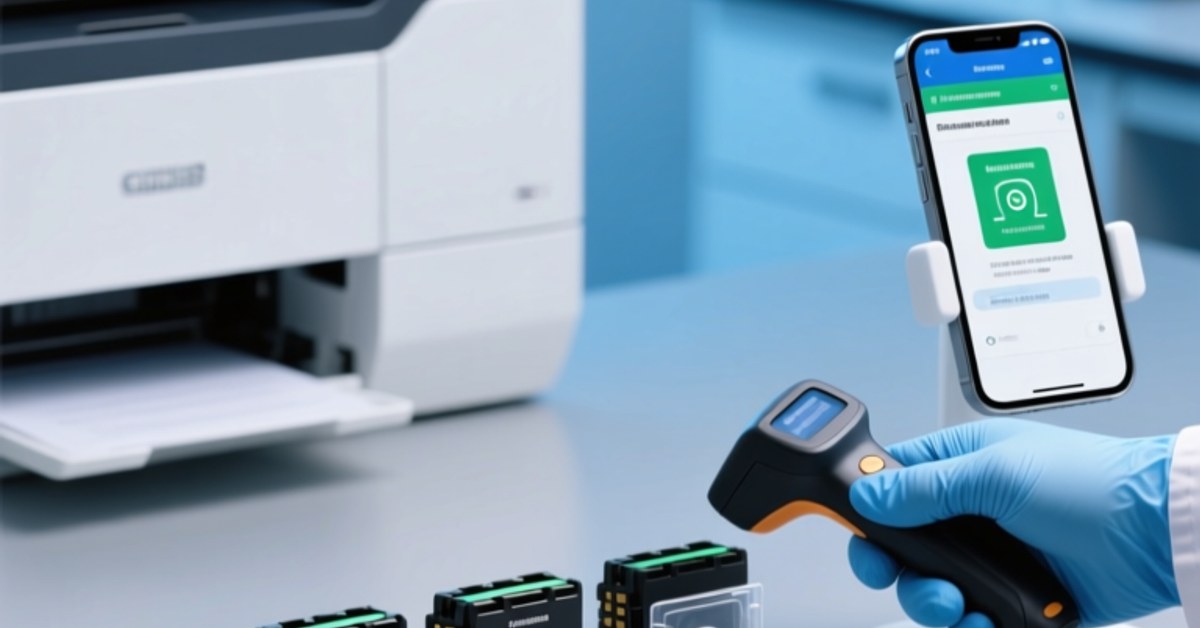
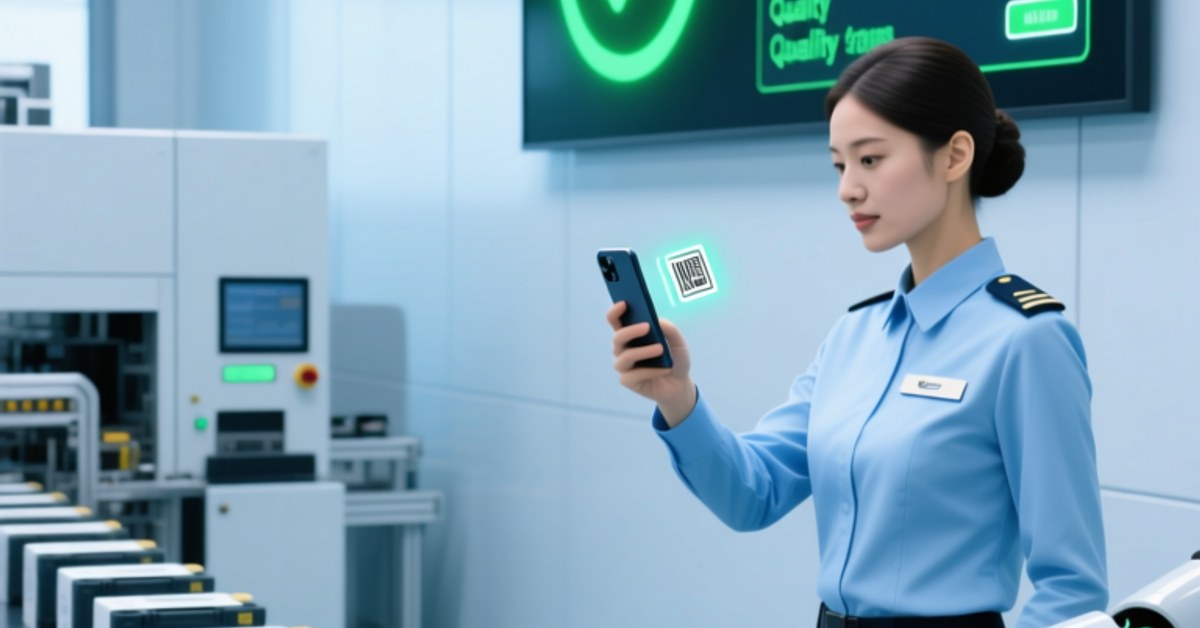
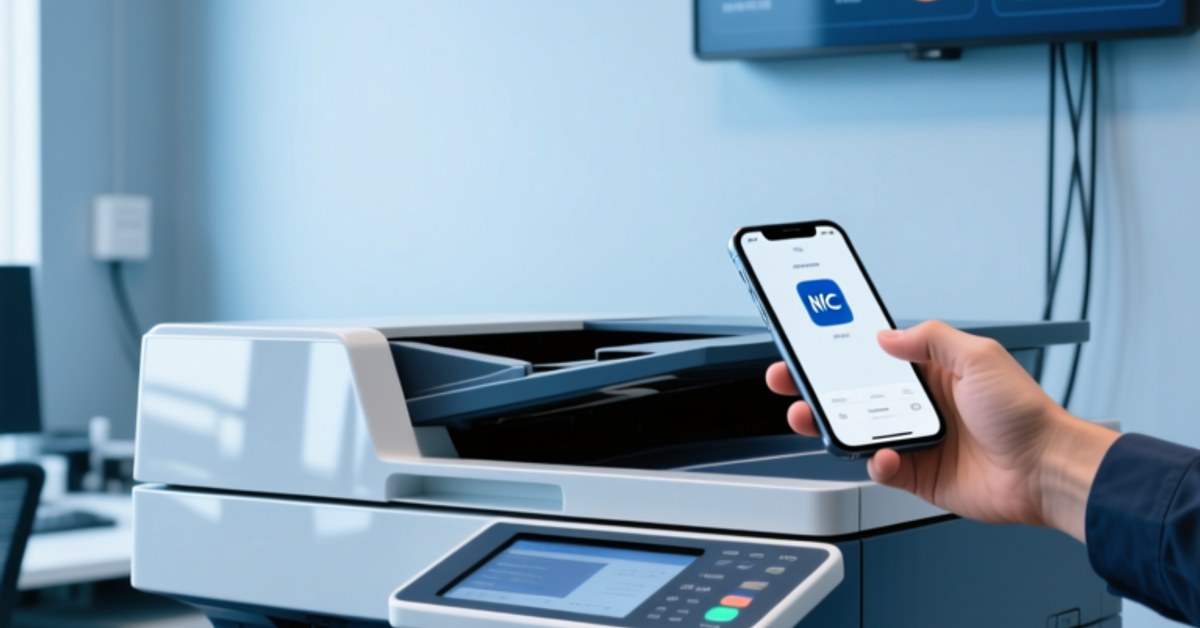
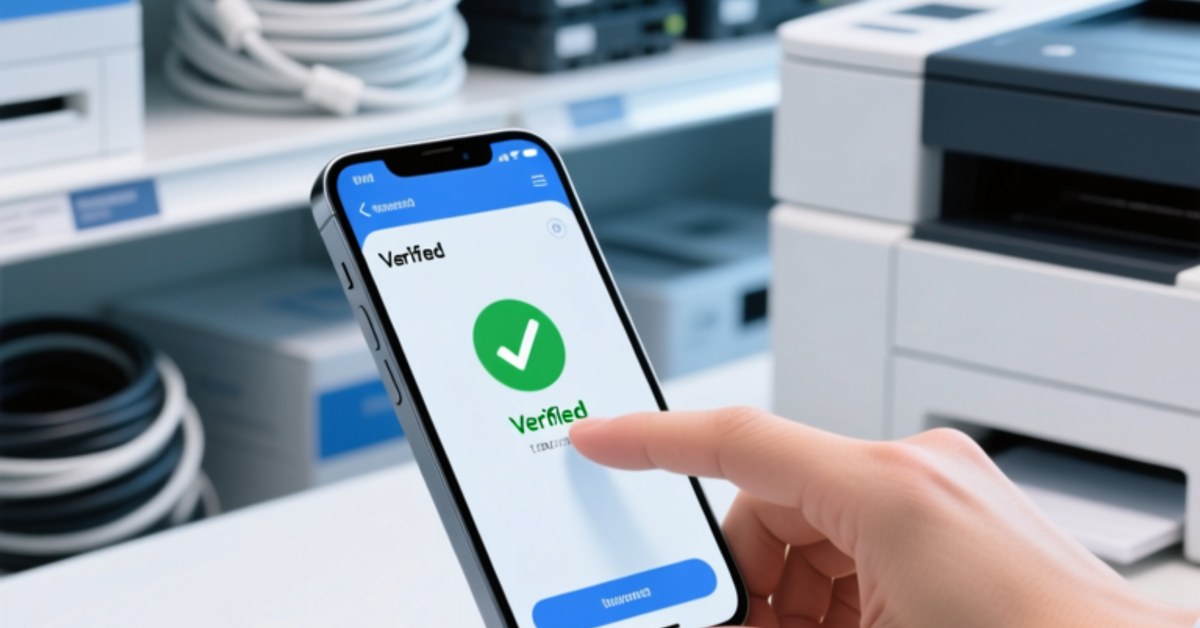
Typowy system składa się z Tagi RFID (w tym odporny na wysoką temperaturę Lub znaczniki RFID na metalu), stałe anteny kontroli dostępu, ręczne skanery RFID, oraz platformę zarządzania. Kończy cały proces śledzenia środków ochrony indywidualnej opartych na technologii RFID (ŚOI), przemysłowe urządzenia do noszenia RFID, i ŚOI oparte na technologii RFID: automatyczne zameldowanie, inspekcje stanowisk pracy, wypożyczenie i zwrot przedmiotu, oraz historyczne zapisy użytkowania. Ten rodzaj zarządzania urządzeniami zabezpieczającymi w oparciu o technologię RFID może skrócić ręczne liczenie zapasów z godzin do minut i zmniejszyć ryzyko przestojów lub kar finansowych za nieprzestrzeganie przepisów z powodu utraty lub niewłaściwego umieszczenia.
Wyniki i dane
Kilka raportów branżowych i studiów przypadków wykazało, że wdrożenie środków ochrony osobistej opartych na technologii RFID (ŚOI) śledzenie lub śledzenie urządzeń zabezpieczających w oparciu o technologię RFID może w przybliżeniu zmniejszyć ryzyko utraty sprzętu/inwentarza 33% Do 60% w różnych scenariuszach (w zależności od głębokości wdrożenia i stopnia transformacji procesu). Ponadto, Czas wyszukiwania i wysyłania urządzeń ulega znacznemu skróceniu, w niektórych przypadkach oszczędza tysiące godzin codziennego czasu wyszukiwania. Aby zapewnić powtarzalność wyników, Śledzenie sprzętu ochronnego w oparciu o technologię RFID, Zarządzanie urządzeniami zabezpieczającymi w oparciu o technologię RFID, i optymalizację procesów należy wdrażać jednocześnie.
Zalecenia wdrożeniowe i wybór dostawcy
Do wdrożenia, zaleca się priorytetowe traktowanie dostawców obsługujących tagi branżowe (takie jak antymetalowe znaczniki RFID) i platformy zarządzania aktywami. Strategie śledzenia RFID dla środków ochrony indywidualnej (ŚOI) i ŚOI wielokrotnego użytku powinny być skonfigurowane według roli stanowiska i zintegrowane z kontrolą dostępu i regułami alarmowymi, aby osiągnąć zarządzanie w pętli zamkniętej. Jako jeden z wiodących dostawców rozwiązań w branży, RFIDHY oferuje kompleksową usługę wdrażania, od metalowych znaczników RFID po platformę zarządzania, wspieranie zarówno pilotów terenowych, jak i wielkoskalowej replikacji środków ochrony osobistej RFID (ŚOI) oraz śledzenie sprzętu ochronnego RFID.
Wniosek
Podsumowując, Sprzęt ochrony osobistej RFID (ŚOI) śledzenie i śledzenie urządzeń zabezpieczających RFID to nie tylko narzędzia do zarządzania zapasami, ale także skuteczne środki poprawiające przestrzeganie zasad bezpieczeństwa pracowników i ograniczające straty aktywów. Wybierając odpowiednie produkty (takie jak metalowe znaczniki RFID), w połączeniu z ulepszeniami procesów i współpracującymi dostawcami (jak na przykład RFIDHY), firmy mogą osiągnąć znaczny zwrot kosztów i redukcję ryzyka, zapewniając jednocześnie bezpieczeństwo.
Które znaczniki RFID są najbardziej odpowiednie dla środków ochrony osobistej? Czy potrzebuję metalowych znaczników RFID??
Do środków ochrony indywidualnej z metalowymi akcesoriami lub w bliskim kontakcie z powierzchniami metalowymi, preferowane powinny być znaczniki RFID na metalu lub przemysłowe. Do środków ochrony indywidualnej, które wymagają wielokrotnego czyszczenia lub są odporne na wysokie temperatury, Można wybrać znaczniki RFID odporne na wysoką temperaturę lub chemikalia, aby zapewnić długoterminową stabilność środków ochrony osobistej RFID i śledzenia sprzętu ochronnego.
Czy znaczniki RFID zawiodą podczas prania środków ochrony indywidualnej?, narażone na działanie wysokich temperatur, lub narażone na działanie środków chemicznych?
Niekoniecznie zawiodą, ale ważny jest wybór odpowiednich tagów: Tagi RFID odporne na wysoką temperaturę i chemikalia nadają się do scenariuszy związanych z wysoką temperaturą/czyszczeniem, natomiast znaczniki RFID na metalu nadają się do podłoży metalowych. Właściwy dobór zapewnia wysokie współczynniki odczytu w przypadku śledzenia RFID środków ochrony osobistej wielokrotnego użytku i zarządzania sprzętem zabezpieczającym RFID, nawet w trudnych warunkach.
Czy śledzenie RFID narusza prywatność pracowników?? Jak można osiągnąć zgodność?
Śledzenie środków ochrony osobistej RFID i sprzętu zabezpieczającego RFID zazwyczaj koncentruje się na przedmiotach (ŚOI) zamiast ciągłego lokalizowania poszczególnych osób. Aby osiągnąć zgodność, zaleca się stosowanie tagowania na poziomie elementu, ogranicz częstotliwość śledzenia, jasno określić okresy przechowywania danych, oraz w przejrzysty sposób wyjaśniaj wykorzystanie danych w podręcznikach pracowników, aby zrównoważyć zarządzanie bezpieczeństwem i prywatność osobistą.
Typowe zagrożenia związane z wdrażaniem śledzenia RFID ŚOI i sposoby ich ograniczania?
Typowe problemy obejmują niewłaściwy wybór tagów, martwe punkty, niedopasowanie procesu, i opór pracowników. Ryzyko można ograniczyć poprzez testowanie metalowych znaczników RFID, oceny zasięgu, szkolenie procesowe, i pilotów na małą skalę (zaczynając od pilotażu, a następnie zwiększając skalę) w celu zapewnienia powtarzalnych wyników śledzenia sprzętu zabezpieczającego RFID i śledzenia sprzętu ochronnego RFID.
Jak wybrać dostawcę RFID? Wszelkie zalecenia?
Przy wyborze, rozważać: czy dostawca oferuje metalowe i trwałe przemysłowe znaczniki RFID, sprawdzona platforma do śledzenia i zarządzania środkami ochrony osobistej RFID, wsparcie integracji kontroli dostępu/ERP, i doświadczenie wdrożeniowe w terenie. RFIDHY, przykład dostawcy rozwiązań, zapewnia kompleksową obsługę od znaczniki RFID na metalu na platformę zarządzania, wspieranie zarówno pilotażowych, jak i zakrojonych na dużą skalę wdrożeń śledzenia RFID ŚOI wielokrotnego użytku oraz zarządzania sprzętem zabezpieczającym RFID.
Aby uzyskać więcej informacji,Proszę Skontaktuj się z nami.