Wstęp: Dlaczego zgodność zabawek wymaga warstwy cyfrowej
Zabawki sprzedawane w UE podlegają obecnie bardziej rygorystycznym przepisom dotyczącym bezpieczeństwa produktów. Ogólne rozporządzenie dotyczące bezpieczeństwa produktów (GPSR), obowiązują od 13 Grudzień 2024, rozszerza obowiązki w zakresie identyfikowalności i informowania konsumentów w odniesieniu do wszystkich produktów konsumenckich, w tym zabawki. Naraz, dyrektywa w sprawie bezpieczeństwa zabawek 2009/48/WE w dalszym ciągu określa szczegółowe substancje chemiczne, mechaniczny, wymagania elektryczne i palność. Dla producentów, importerzy i zespoły ds. zgodności z przepisami dotyczącymi eksportu, wyzwaniem nie jest już tylko zdanie testów laboratoryjnych, ale udowodnienie i utrzymanie informacji o bezpieczeństwie przez cały cykl życia produktu.
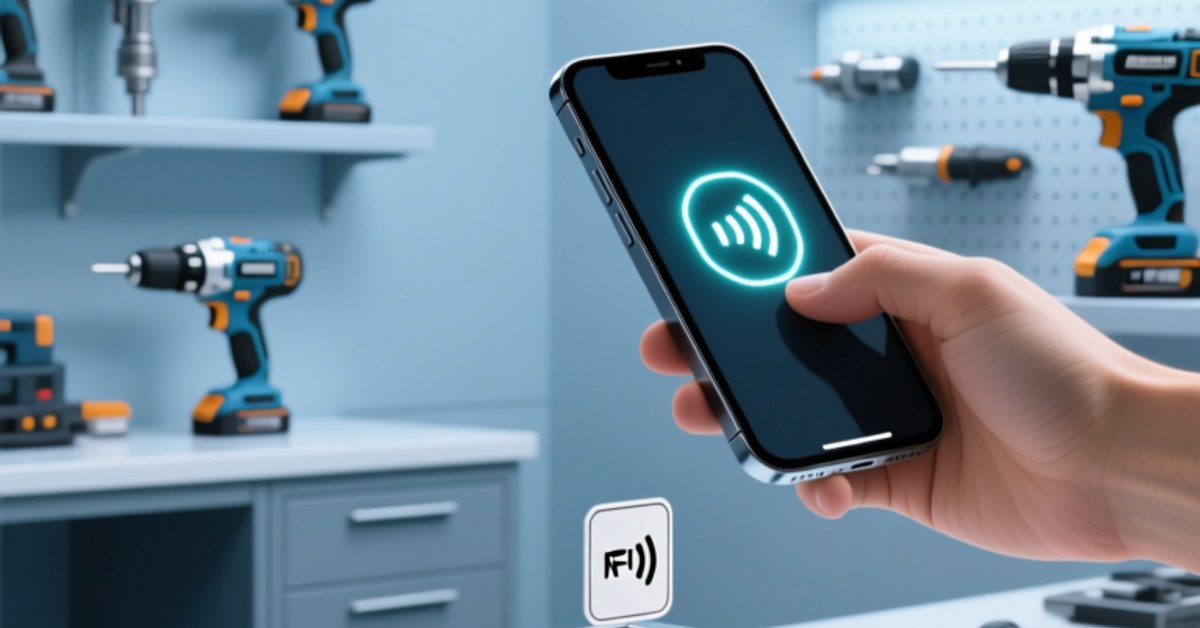
NFC Cyfrowy paszport produktu dla zabawek daje praktyczną odpowiedź. Dołączając plik Tag NFC, Naklejka NFC lub wkładka NFC do produktu lub opakowania, każda zabawka może powiązać się z rejestrem w chmurze zawierającym dokumentację bezpieczeństwa, ostrzeżenia, dane wsadowe i aktualizacje przywoływania na żywo. Rodzice, sprzedawcy detaliczni i organy regulacyjne mogą skanować za pomocą smartfona z obsługą NFC i natychmiast uzyskać dostęp do właściwych informacji. Tło szerszego przypadku użycia, Widzieć Cyfrowy paszport produktu.
Z punktu widzenia marki, to coś więcej niż archiwum zgodności. Dobrze zaprojektowany DPP może zmniejszyć liczbę zapytań o wsparcie, dać sprzedawcom detalicznym pewność podczas audytów, i utwórz spójny cyfrowy zapis bezpieczeństwa w całej fabryce, magazyn i punkt sprzedaży. Dla zespołów eksportowych, upraszcza także dokumentację specyficzną dla rynku, ponieważ ten sam identyfikator NFC może zawierać szczegóły dotyczące języka i przepisów obowiązujących w kraju docelowym.
Czego wymaga GPSR dla zabawek
GPSR (UE) 2023/988 zastąpiła dyrektywę w sprawie ogólnego bezpieczeństwa produktów i wprowadziła szerokie obowiązki dotyczące produktów konsumenckich wprowadzanych na rynek UE. Dla marek zabawek, następujące obszary są szczególnie istotne:
- Identyfikacja i identyfikowalność produktu: Produkty muszą zawierać informacje umożliwiające identyfikację, łącznie z typem, numer partii lub serii, oraz dane producenta lub importera.
- Informacje i ostrzeżenia dotyczące bezpieczeństwa: Instrukcje i ostrzeżenia muszą być jasne, w języku rynku docelowego, i dostępne przed zakupem oraz w trakcie użytkowania.
- Dokumentacja techniczna: Wykonawcy mają obowiązek prowadzenia dokumentacji technicznej, oceny ryzyka i, tam, gdzie ma to zastosowanie, Deklaracja zgodności.
- Przejrzystość sprzedaży na odległość: Oferty online muszą zawierać informacje o producencie i osobie odpowiedzialnej, zdjęcia produktów i ostrzeżenia.
- Reakcja na incydent i wycofanie: Firmy muszą posiadać procedury działań naprawczych, komunikacja konsumencka i współpraca z organami nadzoru rynku.
Wiele z tych wymagań wykracza poza fizyczną etykietę. Cyfrowy paszport produktu uzupełnia drukowaną etykietę, umożliwiając przeszukiwanie tych samych informacji, możliwość aktualizacji i dostosowania do języka.
Związek z dyrektywą w sprawie bezpieczeństwa zabawek
Dyrektywa w sprawie bezpieczeństwa zabawek 2009/48/WE pozostaje podstawową zasadą bezpieczeństwa technicznego zabawek. Obejmuje klasyfikację wiekową, małe części, limity migracji chemicznej, palność, bezpieczeństwo i higiena elektryczna. Pod GPSR, te istniejące wymagania techniczne są wzmocnione większymi obowiązkami w zakresie identyfikowalności i komunikacji. Ustrukturyzowany program DPP powinien zatem zawierać powiązanie z dokumentacją techniczną zabawki, raporty z testów i Deklarację zgodności z unikalnym identyfikatorem NFC, zamiast traktować dane dotyczące bezpieczeństwa jak statyczną teczkę papierową.
Digitalizacja dokumentacji bezpieczeństwa za pomocą NFC
Zabawki generują wiele dokumentów bezpieczeństwa: oceny ryzyka projektowego, W 71 raporty z testów, Deklaracje REACH, certyfikaty dotyczące kontaktu z żywnością lub elektroniki, etykiety ostrzegawcze, uzasadnienie klasyfikacji wiekowej i informacje dla importera. Zarządzanie tymi rekordami w ramach jednostek SKU, partii i rynków jest trudne w przypadku systemów opartych wyłącznie na papierze lub arkuszach kalkulacyjnych.
Cyfrowy paszport produktu NFC digitalizuje łańcuch dokumentów. Każda zabawka lub opakowanie otrzymuje numer seryjny Tag NFC lub wkładka NFC. Po zeskanowaniu, tag otwiera bezpieczną stronę produktu, która wyświetla odpowiednie dokumenty dotyczące bezpieczeństwa lub łącza do nich. Sam tag nie przechowuje całego pliku; zawiera unikalny identyfikator lub adres URL, który łączy się z rekordem w chmurze. Umożliwia to producentom aktualizację dokumentu, zmienić ostrzeżenie, lub opublikuj powiadomienie o wycofaniu bez ponownego drukowania tagów.
>
| Typ dokumentu | Rola w GPSR/bezpieczeństwie zabawek | Jak obsługuje to NFC DPP |
|---|---|---|
| Deklaracja zgodności UE | Potwierdza zgodność z dyrektywą w sprawie bezpieczeństwa zabawek | Połącz najnowszą podpisaną wersję z dokładnym kodem SKU lub partią |
| W 71 raporty z testów | Dowód mechaniczny, badania chemiczne i palności | Publikuj aktualne certyfikaty dla organów regulacyjnych i kupujących |
| Ocena ryzyka | Dokumentuje zagrożenia i środki łagodzące | Przechowuj analizę ryzyka kontrolowaną przez wersję dla każdej rodziny produktów |
| Ostrzeżenia i klasyfikacja wiekowa | Wymagana komunikacja dotycząca bezpieczeństwa konsumentów | Wyświetlaj ostrzeżenia specyficzne dla języka po skanowaniu |
| Dane dotyczące partii i produkcji | Możliwość śledzenia w przypadku wycofania produktów i dochodzeń | Zamapuj identyfikator NFC na fabrykę, data, materiałów i dostawców |
Kluczem jest traktowanie znacznika NFC jako kontrolowanego nośnika danych, nie sama baza danych. Poprzez oddzielenie fizycznej tożsamości znacznika od zapisu w chmurze, marki mogą dodawać nowe raporty z testów, zmienić dane osoby odpowiedzialnej, lub rozszerz się na dodatkowe języki UE bez dotykania linii produkcyjnych. To oddzielenie obsługuje również wersjonowanie: każda zmiana dokumentu jest zapisywana ze znacznikiem czasu i stanem zatwierdzenia, co jest cenne podczas kontroli w ramach nadzoru rynku.
Typowe obudowy NFC dla zabawek
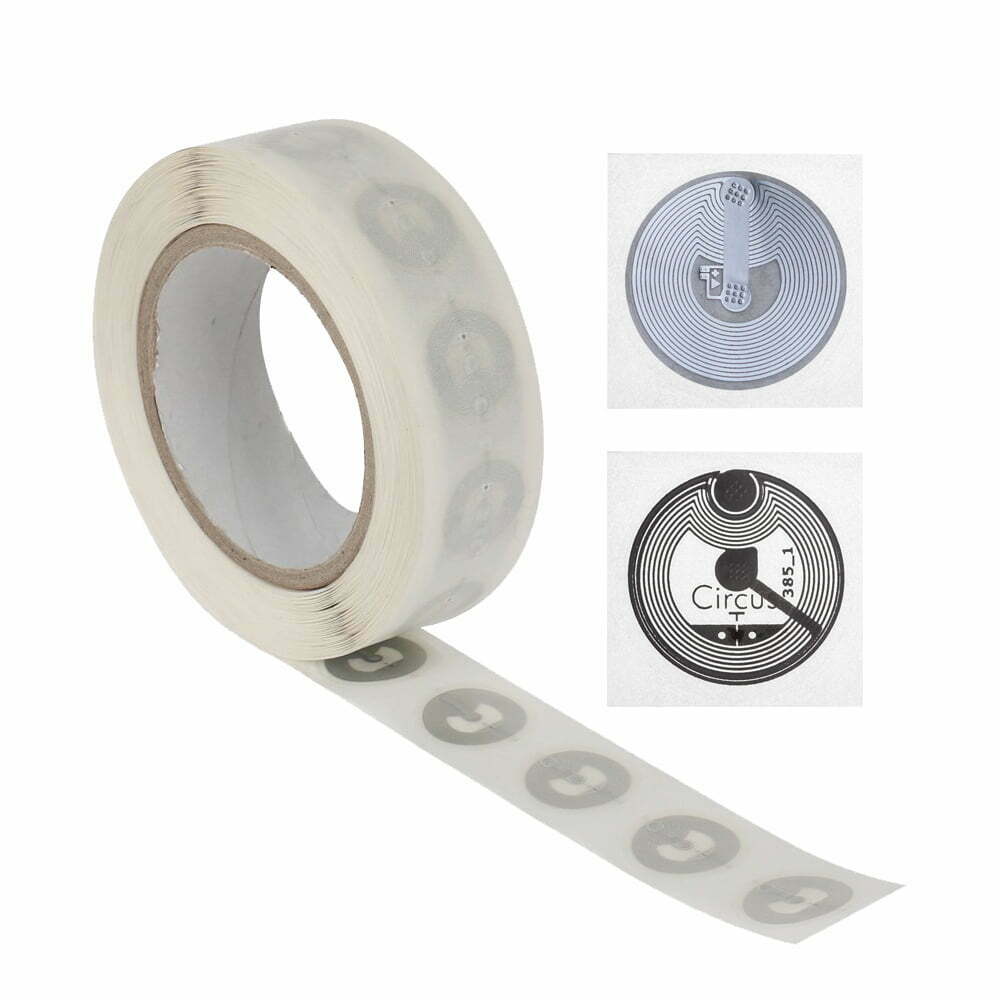
- Naklejki NFC: Nadaje się do pudeł kartonowych, instrukcje i opakowanie zewnętrzne.
- Wkładki NFC: Cienki i elastyczny, nadaje się do osadzenia pod etykietami, wewnątrz plastikowych skorup, lub wewnątrz kart laminowanych papierem.
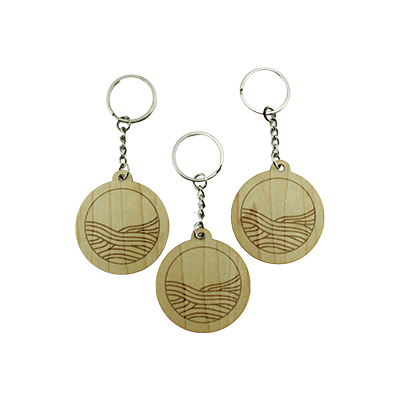
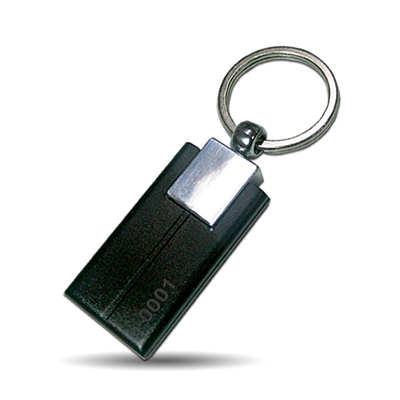
- Tagi NFC: Trwałe opcje przywieszek lub dołączonych etykiet produktów, gdzie wymagana jest większa odporność fizyczna.
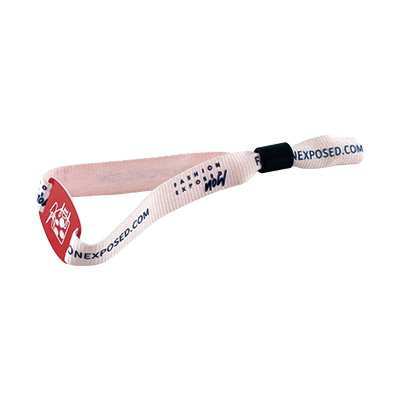
- Opaski na rękę NFC I Opaski RFID: Przydatne w przypadku zestawów promocyjnych zabawek, interaktywne wydarzenia, lub kolekcjonerskie zestawy produktów, w których paszport cyfrowy również wspiera zaangażowanie.
Dla kategorii produktów, producenci mogą wybierać Tagi NFC, Naklejki NFC i wkładki NFC w zależności od podłoża zabawki, projekt opakowania i wymagany zakres odczytu. Do zabawek o większej objętości lub plastikowych, cienkie wkładki NFC można osadzić pod etykietą lub wewnątrz plastikowej obudowy. Do opakowań kartonowych, Naklejki NFC mogą być bardziej praktyczne. Powiązane opcje produktów RFID i NFC są również dostępne pod adresem RFIDHY I Opaska na nadgarstekHY gdzie czynniki kształtu obejmują Opaski na rękę NFC I Opaski RFID na zestawy kampanii lub akcesoria do zabawek interaktywnych.
Wycofanie i reakcja na incydenty
Pod GPSR, w przypadku stwierdzenia, że zabawka stwarza ryzyko, podmioty gospodarcze muszą natychmiast podjąć działania naprawcze i poinformować konsumentów i władze. W przypomnieniu, największym wyzwaniem operacyjnym jest dotarcie do właściwego konsumenta z odpowiednią instrukcją we właściwym czasie. Informacja o fizycznym wycofaniu na półce sklepowej nie towarzyszy produktowi w domu.
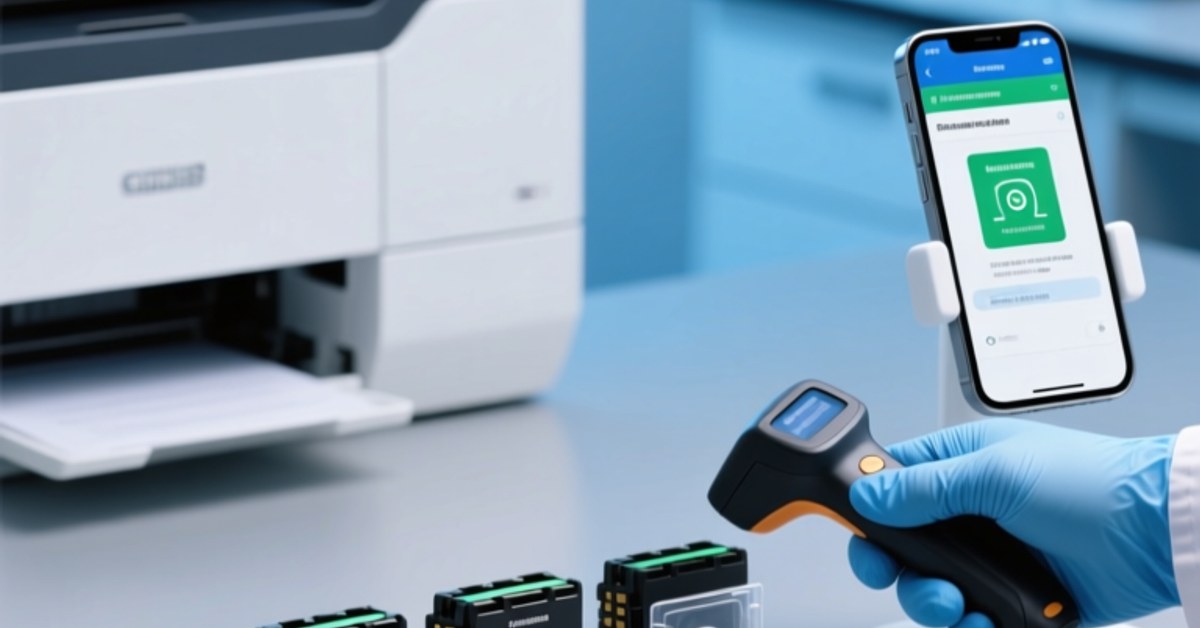
NFC to zmienia. Ponieważ paszport produktu cyfrowego jest powiązany z rekordem w chmurze, producent może zaktualizować status produktu na „wycofanie” lub „wymagana naprawa”. Konsumenci skanujący zabawkę widzą najnowszą instrukcję: przestań używać, zażądać zwrotu pieniędzy, sprawdź numer partii, lub uzyskaj dostęp do portalu zwrotów. Sprzedawcy detaliczni i dystrybutorzy mogą skanować wiele jednostek za pomocą smartfona lub czytnika ręcznego z obsługą NFC, aby sprawdzić, którego towaru dotyczy problem. Zmniejsza to ryzyko nieaktualnych ogłoszeń papierowych i przyspiesza widoczność łańcucha dostaw.
Kategorie produktów, takie jak Tagi RFID UHF I ręczne czytniki RFID może również obsługiwać selekcję wycofań na poziomie magazynu w połączeniu z paszportami na poziomie jednostki z obsługą NFC. Jednakże, w przypadku zabawek skierowanych do konsumenta, NFC pozostaje najbardziej praktyczny, ponieważ współpracuje ze standardem smartfony bez dodatkowego wyposażenia. Widzieć Smartfon z obsługą NFC dla kompatybilności urządzenia.
Organy nadzoru rynku coraz częściej oczekują od przedsiębiorstw wykazania, że potrafią szybko i dokładnie komunikować środki naprawcze. Cyfrowy paszport produktu zapewnia możliwą do sprawdzenia ścieżkę pokazującą, kiedy opublikowano informacje o wycofaniu i które jednostki SKU lub partie zostały dotknięte. Dzięki temu proces wycofania jest bardziej przejrzysty wewnętrznie i zewnętrznie.
Realistyczny przepływ pracy przy wycofaniu z NFC DPP
>
| Krok | Działanie | Rola NFC DPP |
|---|---|---|
| 1. Identyfikacja ryzyka | Zespół ds. jakości lub bezpieczeństwa potwierdza zagrożenie | Zaktualizuj status ryzyka DPP dla dotkniętych SKU/partii |
| 2. Powiadomienie władz | Powiadom nadzór rynku w ramach wymaganej procedury | Utrzymuj ścieżkę audytu dat i środków naprawczych |
| 3. Komunikacja konsumencka | Wydaj zawiadomienie o wycofaniu i instrukcje | Pokaż najnowszy alert dotyczący bezpieczeństwa podczas skanowania zabawki |
| 4. Powroty / naprawa | Odbierz produkty lub poprowadź naprawę | Link do formularza zwrotu, lokalizatora centrum serwisowego lub instrukcje naprawy |
| 5. Zamknięcie | Zamknąć incydent po podjęciu działań naprawczych | Archiwizuj zapis zdarzeń i przywróć normalny stan produktu |
Dostęp konsumentów do informacji dotyczących bezpieczeństwa
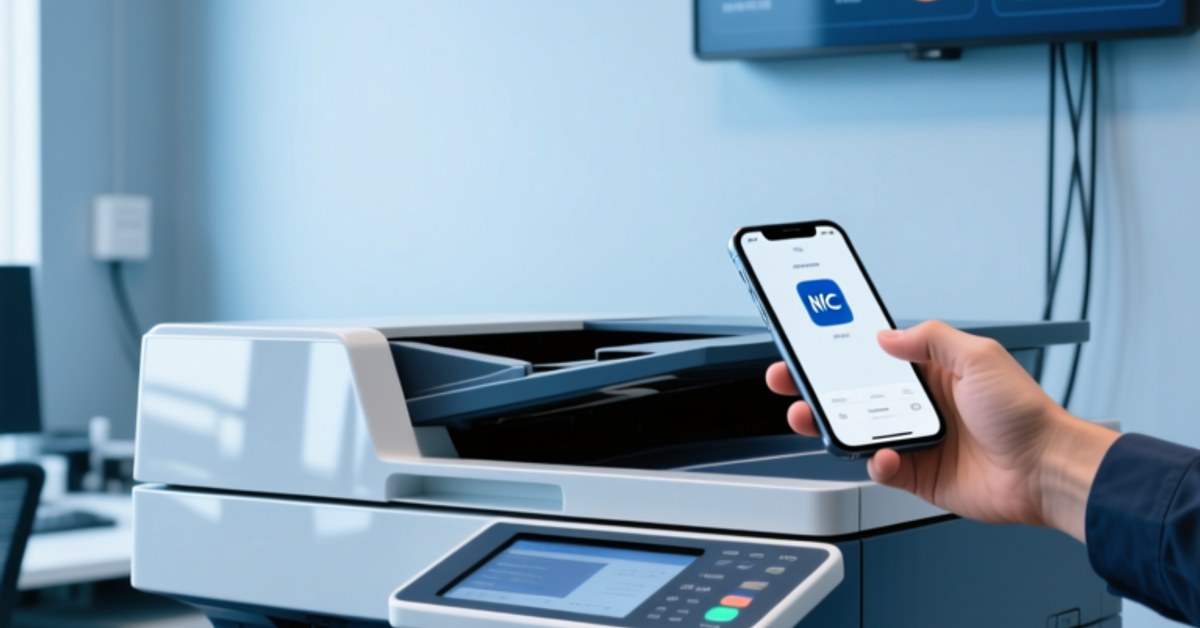
Rodzice nie potrzebują specjalnej aplikacji. Większość nowoczesnych urządzeń z Androidem i iPhonem obsługuje odczyt NFC natywnie lub za pośrednictwem funkcji systemowych. Kliknięcie zabawki lub opakowania powoduje otwarcie strony internetowej dostosowanej do urządzeń mobilnych. Ta strona może zostać wyświetlona:
- Odpowiedni wiek i ostrzeżenia o zagrożeniach
- Instrukcja prania lub pielęgnacji
- Informacje dotyczące usuwania lub recyklingu baterii w przypadku zabawek elektronicznych
- Dane producenta i osoby odpowiedzialnej w UE
- Stan przywołania na żywo
- Wielojęzyczne instrukcje dla kraju sprzedaży
Ponieważ paszport opiera się na adresie URL, może szanować prywatność, unikając obowiązkowego gromadzenia danych osobowych. Na przykład, rodzice mogą przeglądać informacje dotyczące bezpieczeństwa bez konieczności zakładania konta. Jeśli chcesz bogatszego zaangażowania, takiego jak rejestracja lub dowód własności, możesz zaoferować opcjonalne formularze zgody.
Do sprzedaży internetowej, tego samego łącza DPP można używać na stronach produktów w celu wyświetlania ostrzeżeń w języku kupującego przed zakupem. Spełnia to wymagania dotyczące sprzedaży na odległość GPSR i pomaga ograniczyć zwroty zamówień spowodowane brakującymi lub niejasnymi informacjami dotyczącymi bezpieczeństwa.
Lista kontrolna wdrożenia dla producentów zabawek
Skorzystaj z tej listy kontrolnej, aby przejść od koncepcji regulacyjnej do programu paszportowego produktów cyfrowych NFC, który można wdrożyć. Pomyślne wdrożenie zwykle wymaga ścisłego dostosowania zgodności z przepisami, inżynieria opakowań i informatyka. Poniższa lista kontrolna nie stanowi standardu prawnego, ale zapewnia uporządkowaną ścieżkę. Zawsze zatwierdzaj ostateczne wymagania z osobą odpowiedzialną w UE, jednostka notyfikowana lub radca prawny.
- Mapuj rodziny produktów i dokumenty dotyczące zgodności. Określ, które pliki techniczne, raporty z testów i ostrzeżenia dotyczą każdego SKU.
- Wybierz odpowiedni współczynnik kształtu NFC. Porównaj tagi NFC, Naklejki NFC i wkładki NFC oparte na materiale, sposób mocowania, zabezpieczenie przed manipulacją i bezpieczeństwo dzieci.
- Wybierz jednostkę, serializacja na poziomie wsadowym lub SKU. Do zabawek wysokiego ryzyka, identyfikatory na poziomie jednostki poprawiają precyzję przywoływania; dla tanich artykułów, poziom partii może być wystarczający.
- Zaprojektuj model danych DPP. Dołącz identyfikator produktu, producent, odpowiedzialna osoba, seria, stopień wiekowy, ostrzeżenia, dokumenty, status przypominania i wielojęzyczna treść.
- Integracja z istniejącymi systemami. Podłącz DPP do PLM, ERP, MES lub drukowanie etykiet, dzięki czemu nowe SKU automatycznie generują paszporty.
- Sprawdź czytelność NFC. Przetestuj na gotowym zapakowanym produkcie, szczególnie w plastiku, folią lub zakrzywionymi powierzchniami.
- Ustanów zarządzanie aktualizacjami. Określ, kto może zmieniać dokumenty bezpieczeństwa, status przywołania i ostrzeżenia, i sposób zatwierdzania wersji.
- Szkolić zespoły obsługi klienta i zgodności. Upewnij się, że rozumieją, co konsumenci widzą po skanowaniu i jak eskalować problemy związane z bezpieczeństwem.
- Uruchom pilotaż. Zacznij od jednej linii produktów, mierzyć szybkość skanowania, obsługuje zapytania i przypomina o wydajności symulacji przed skalowaniem.
Często zadawane pytania
Co to jest GPSR i kiedy ma zastosowanie do zabawek?
Rozporządzenie UE dotyczące ogólnego bezpieczeństwa produktów (UE) 2023/988 dotyczy produktów konsumenckich, w tym zabawki, i od tego czasu ma zastosowanie 13 Grudzień 2024. Zwiększa to identyfikowalność, informacje dotyczące bezpieczeństwa i obowiązki związane z wycofaniem produktów wraz z dyrektywą w sprawie bezpieczeństwa zabawek 2009/48/WE.
Czy paszport produktu cyfrowego NFC zastępuje dokumentację papierową??
NFC DPP to praktyczna warstwa cyfrowa, nie zastępuje całkowicie wszystkich zapisów prawnych. Powinien zawierać odnośnik do najnowszej Deklaracji Zgodności, raporty z testów i ostrzeżenia, podczas gdy producenci zachowują wymaganą dokumentację techniczną. W wielu przypadkach, program DPP poprawia kontrolę dostępu i wersji w porównaniu z dokumentacją w formie papierowej.
Czy paszport produktu cyfrowego NFC może zostać wycofany??
Tak. Ponieważ serializowany tag NFC wskazuje na rekord w chmurze, marki mogą aktualizować status produktu, aby go wycofać, naprawić lub zaprzestać używania. Konsumenci, którzy zeskanują zabawkę po aktualizacji, zobaczą najnowszą instrukcję bez konieczności posiadania nowej fizycznej etykiety.
Jakie formaty NFC sprawdzają się najlepiej w przypadku zabawek dla dzieci?
Najlepsza opcja zależy od produktu i opakowania. Naklejki NFC dobrze sprawdzają się na opakowaniach kartonowych, natomiast cienkie wkładki NFC można osadzić pod etykietami lub wewnątrz plastikowych obudów. Do pluszowych zabawek lub artykułów tekstylnych, marki mogą używać zawieszek lub wszytych metek NFC z miejscem bezpiecznym dla dzieci. Wybór odpowiedniego rozmiaru tagu NFC, podłoże i metodę mocowania należy przetestować na produkcie końcowym.
Czy skanowanie konsumenckie jest łatwe bez specjalistycznej aplikacji??
Większość nowoczesnych urządzeń z systemem Android i iPhone z obsługą NFC może odczytywać znaczniki NFC bez aplikacji innej firmy. Skanowanie otwiera stronę produktu dostosowaną do urządzeń mobilnych, aby rodzice mieli dostęp do ostrzeżeń, klasyfikacja wiekowa, szczegóły producenta i stan bezpieczeństwa na żywo w zwykłej przeglądarce.
Zbuduj cyfrowy paszport produktu obsługujący GPSR dla swoich zabawek
Technologia NFCWORK (RFIDHY) pomaga producentom zabawek, marki produktów dla dzieci i zespoły ds. zgodności eksportowej wdrażają tagi NFC, Wkładki NFC i platformy paszportów produktów cyfrowych zgodne z wymogami UE dotyczącymi GPSR i dyrektywy w sprawie bezpieczeństwa zabawek. Opowiedz nam o formularzach produktów, proces pakowania i zgodności, a nasz zespół może polecić architekturę identyfikowalności, która można skalować od etapu pilotażowego do pełnej produkcji.
Skontaktuj się z naszym zespołem lub przeglądaj Produkty NFC zacząć planować.