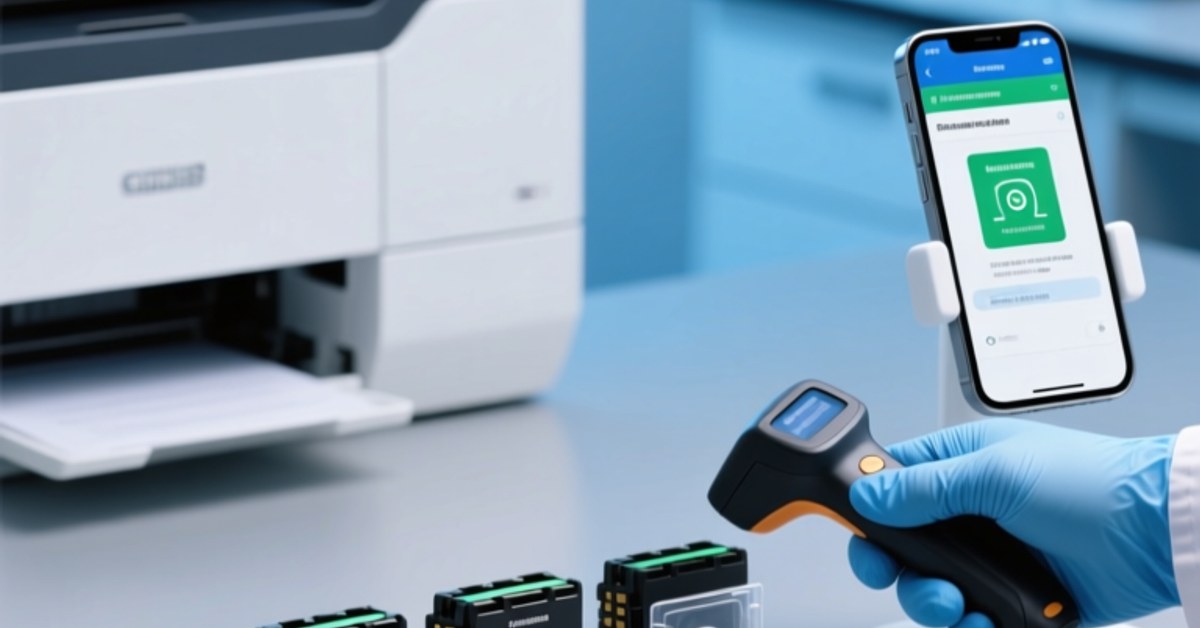
Few consumables are attacked as aggressively as printer cartridges. Podrobić, refilled and grey-market units move through online marketplaces, independent retail and even legitimate distribution channels, and every unit that slips through represents lost revenue, disputed warranty claims and potential print-quality or device-damage complaints. Choosing an authentication technology is therefore not a packaging detail — it is a decision that shapes firmware strategy, after-sales operations, regulatory readiness and the total cost of a cartridge program for years.
This article compares the three technologies most commonly specified on cartridges today: printed QR codes, wired contact chips, I Tagi NFC. It is written for product managers, packaging engineers, brand protection leads and procurement teams who need a defensible technical rationale rather than a marketing claim.
Why Cartridge Authentication Is a Strategic Decision
Authentication on a cartridge typically serves several objectives at once, and different stakeholders weight them differently:
- Revenue protection: detecting counterfeit and unauthorized refilled units before they enter the installed base.
- Warranty and service integrity: proving that a failure occurred on a genuine or approved unit, and rejecting claims tied to unauthorized refills.
- Device and user safety: preventing poorly formulated toner or ink and substandard components from damaging printheads, fusers or the wider device fleet.
- Supply chain visibility: tracing batch, plant and ship-to data for recalls, returns and channel audits.
- Regulatory and sustainability reporting: linking the physical cartridge to digital records, as required by emerging Cyfrowy paszport produktu frameworks for consumables and electronics.
Because these goals differ in how much they rely on cryptographic proof versus readable information, the technology choice is rarely a simple ranking. It is a fit question.
The Three Contenders at a Glance
>
| Atrybut | Kod QR | Contact Chip | Znacznik NFC |
|---|---|---|---|
| Read mechanism | Optical scan, line of sight required | Physical contact, powered by host device | Contactless RF field, works through plastic |
| Typical reader | Smartphone camera, skaner ręczny | Printer cartridge bay electronics | NFC-enabled smartphone or reader |
| Clone difficulty | Niski (image is copyable) | Medium to high (chip-level protection) | Low for UID only; high with cryptographic ICs |
| Pojemność danych | Small to moderate payload or URL | Small, structured memory | Umiarkowany, structured memory with app data |
| Unit cost profile | Lowest | Highest integration cost | Umiarkowany, IC-dependent |
| Human-readable check | Tak, by design | NIE, machine-only | NIE, requires a tap |
| Najlepsze dopasowanie | Consumer education, batch traceability | In-printer gating and metering | Tamper-evident verification and lifecycle data |
How Each Technology Actually Works
Kody QR
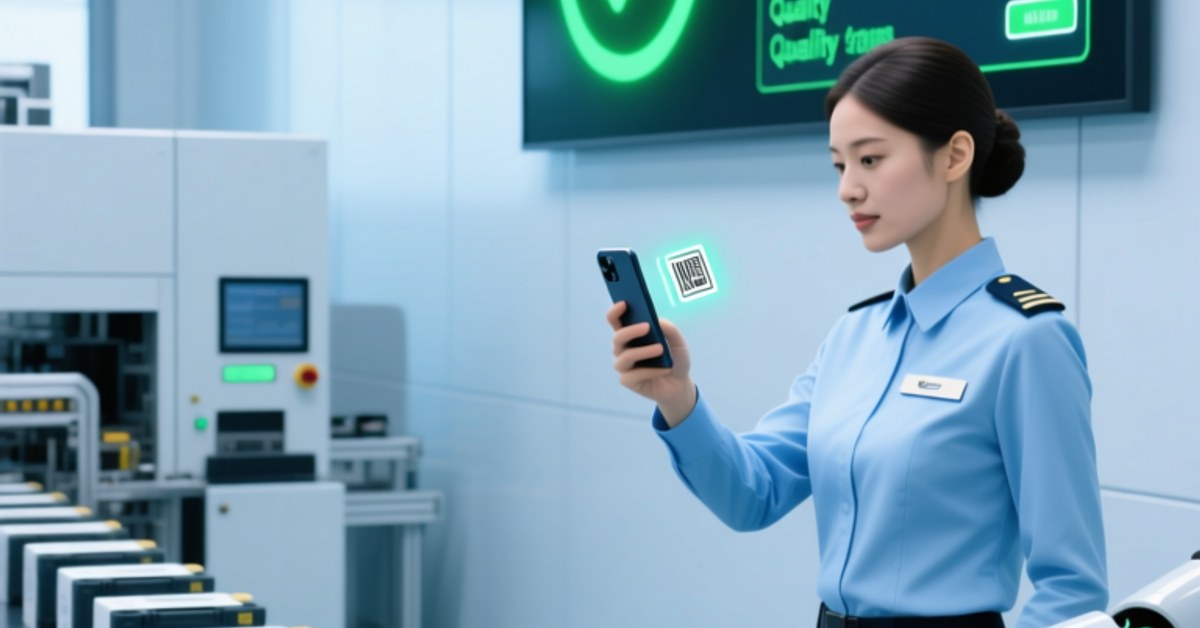
A QR code is printed or laser-marked on the cartridge label and encodes a URL, a serialized token or a short identifier. Verification happens in the cloud: the user scans, the server checks the token against issuance records, and the result is returned to the browser. The code itself carries no secret; its security comes entirely from server-side logic, usage limits and anomaly detection.
Contact Chips
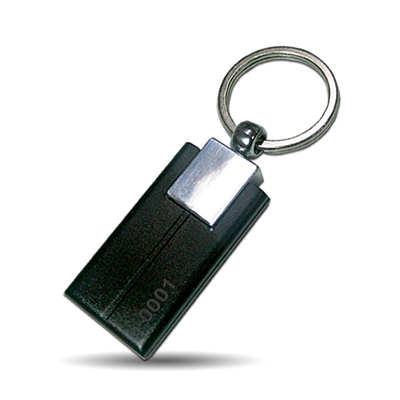
Contact chips sit on the cartridge body and connect through metal pads when the unit is inserted. They are powered and read by the printer, which makes them the natural place for gating logic, page metering, consumable-level tracking and error reporting. Because they operate inside a closed system, the authentication algorithm never has to be exposed to a phone or an open network.
Tagi NFC
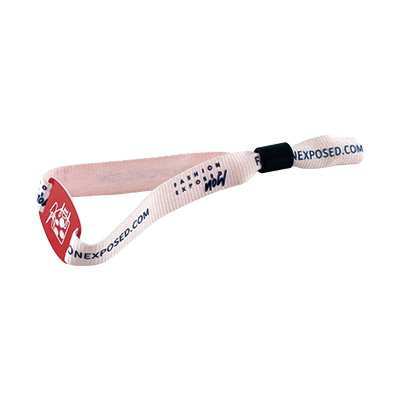
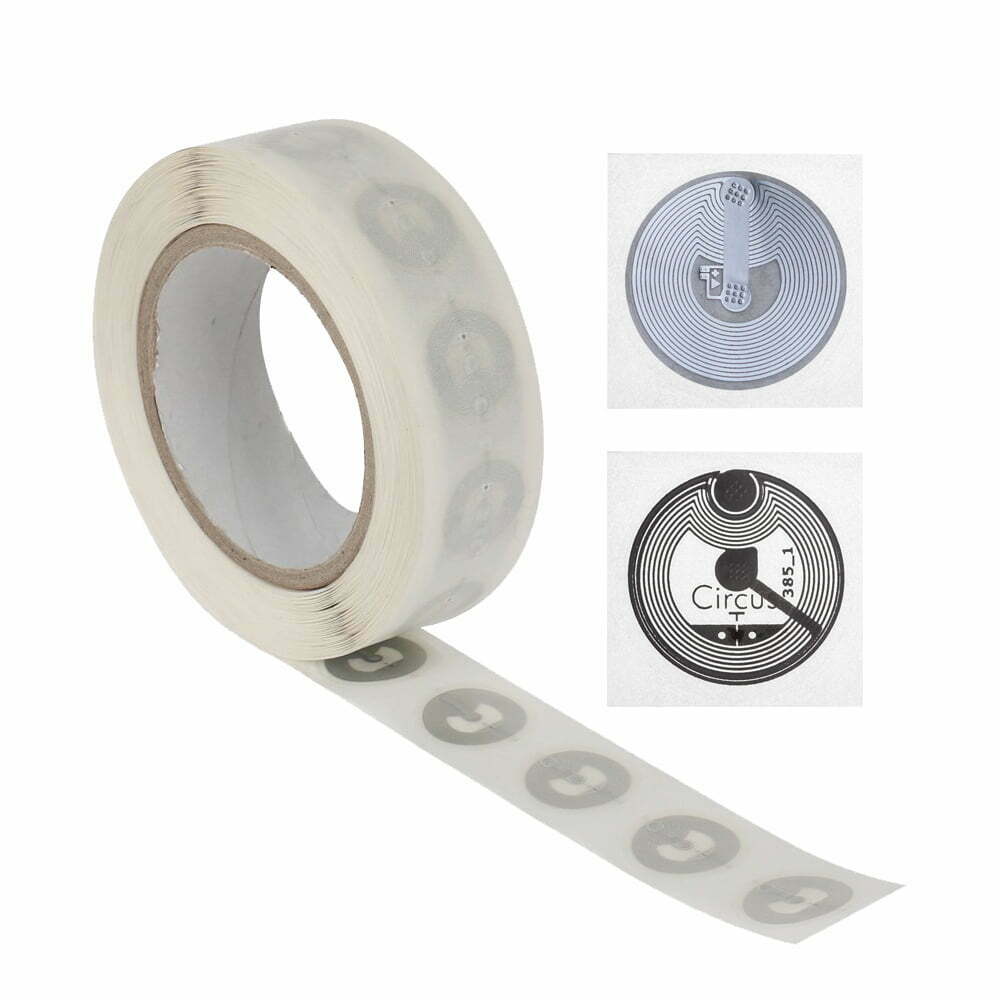
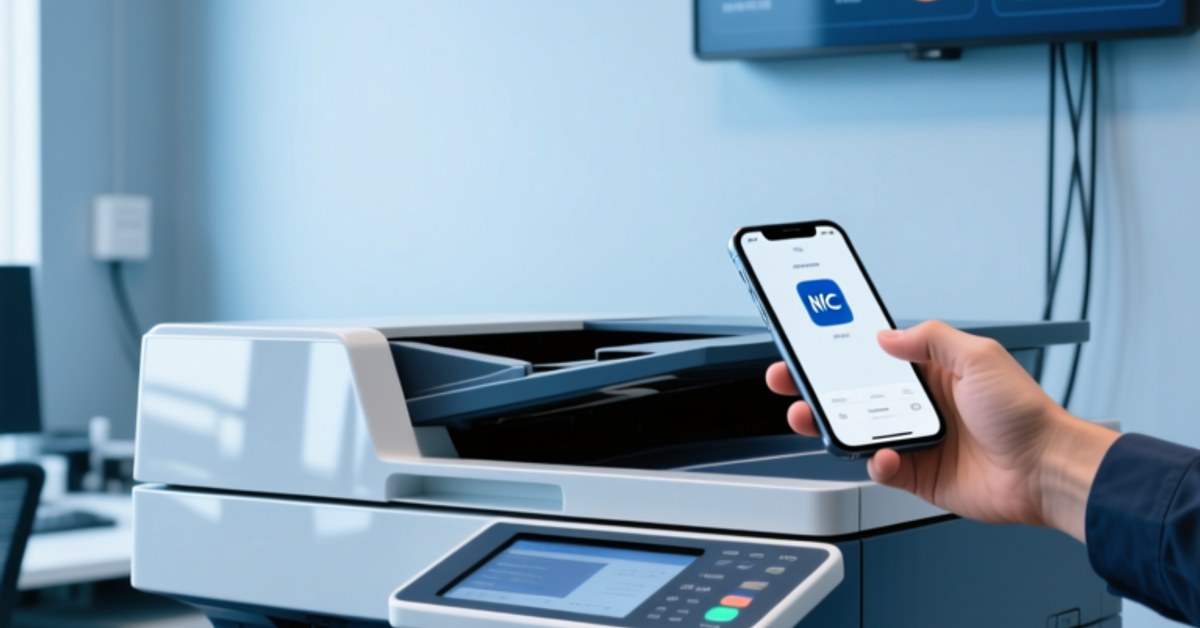
NFC tags on a cartridge communicate with any NFC-enabled smartphone or dedicated reader without physical contact, and can be embedded under a label or inside the cartridge housing. The important distinction is between tags that only expose a static unique identifier and tags built on secure ICs that perform challenge-response authentication, digital signature verification or dynamic code generation. Only the latter provide meaningful cloning resistance. For programs that need both machine verification and a human-facing check, jakiś NFC tag or NFC inlay can be integrated during label conversion rather than applied as a separate step.
Security and Cloning Resistance
Kody QR: Easy to Copy, Hard to Control
A photographed QR code can be reprinted anywhere. What protects the program is the back-end: each token is issued once, and repeated scans from different geographies, devices or time windows raise flags. Serialized QR with a tamper-evident substrate works reasonably well against casual counterfeiting and gives brand protection teams a data trail, but it cannot stop a determined attacker who harvests valid codes from genuine packaging. Treat QR as a detection and traceability layer, not as a cryptographic gate.
Contact Chips: Metered but Physically Reachable
Chips are the strongest option for in-device gating because the printer controls the clock, the power and the protocol. Attackers can still attempt chip harvesting from genuine cartridges, emulation boards and firmware bypass, which is why mature programs rotate keys, monitor authentication failure patterns and pair chip identity with cloud-side cartridge lifecycle records. The physical contacts are also the weak point: contamination, wear and oxidation can cause intermittent reads that generate false-negative authentication events.
Tagi NFC: Strong When Cryptography Is Built In
NFC’s security profile depends entirely on the IC chosen. Static UID tags are trivially copyable and should never be the sole basis for a genuine-versus-fake decision. Cryptographic NFC tags, dla kontrastu, support mutual authentication with a reader or phone, which makes cloning economically unattractive and enables offline verification in field service scenarios. Pairing a cryptographic NFC tag with a tamper proof label that voids on removal adds physical evidence to the digital proof, so a transferred tag produces an obvious visual failure.
Cost and Implementation
Unit price is the easiest cost to compare and the least useful on its own. The real cost model spans five drivers:
>
| Cost driver | Kod QR | Contact Chip | Znacznik NFC |
|---|---|---|---|
| Consumable material | Print area on existing label | Chip plus carrier and contacts | Tag or inlay plus conversion |
| Tooling and placement | Printer or laser configuration | New mechanical and electrical design | Label redesign, antenna placement |
| Encoding and data | Serialization and lookup service | Key provisioning and personalization | Tag encoding and key provisioning |
| Reader infrastructure | Existing phones and scanners | Printer firmware and cartridge bay | Phones, plus handheld or desktop readers for operations |
| Ongoing operations | Cloud verification and analytics | Key management and firmware updates | Cloud verification plus key management |
QR is the lowest-barrier option and can usually be piloted on existing packaging lines. Contact chips carry the highest engineering cost because they affect the cartridge body, the printer hardware and the firmware roadmap. NFC sits between the two, but it demands careful antenna design: cartridge housings often contain conductive coatings, metal frames or dense toner masses that detune an antenna, and tags on curved or shrink-wrapped surfaces need tolerance testing. Working with a partner experienced in Tagi NFC, labels and inlays during the mechanical design phase usually costs far less than retrofitting after tooling is cut.
Doświadczenie użytkownika
Verification by the Person Holding the Cartridge
QR is familiar and language-neutral but requires good lighting, a clean print surface and a stable network connection, and it forces the user to navigate a browser. NFC is faster and feels more premium: a single tap on an NFC-enabled smartphone opens a verification page or app view without unlocking a camera. In resale, retail audit and warranty workflows, that difference in friction materially affects how often verification actually happens.
Verification by Machines and Field Teams
Inside the printer, the contact chip remains unmatched because authentication is automatic and invisible. W magazynie, service van or returns desk, a handheld Czytnik RFID or desktop reader can process an Tag NFC in under a second, even through outer packaging, which is valuable when auditing pallets, processing warranty returns or confirming that returned units match their case records.
Durability and the Cartridge Environment
Cartridges are hostile environments for any label or electronics. The technology you choose has to survive:
- Heat: proximity to fuser assemblies and warm shipping containers.
- Contamination: toner dust, ink mist and dust buildup that can obscure print or coat exposed contacts.
- Narażenie chemiczne: cleaning solvents, alcohol wipes and residue from handling.
- Abrasion: carton-on-carton friction, conveyor contact and repeated insertion and removal.
- Humidity and electrostatic discharge: condensation during cold-chain transitions and ESD events in dry service environments.
Printed QR codes degrade first when print quality falls, and a partially damaged code simply fails. Exposed contact pads are vulnerable to contamination and mechanical wear. NFC tags protected under a label or molded into the housing are generally the most resilient of the three, provided the antenna was designed for the surrounding material and the adhesive system was validated on the actual substrate.
Hybrid Approaches
Most mature cartridge programs end up combining technologies rather than choosing one:
- Contact chip plus NFC: the chip handles in-printer gating and metering, while the NFC tag carries lifecycle, batch and cyfrowy paszport produktu data for humans and field teams.
- QR plus NFC on the same label: the QR provides a visible, universally scannable entry point, while the NFC tag provides the cryptographic check for users who tap.
- Cryptographic NFC plus a tamper proof label: digital authentication paired with physical evidence of tag transfer.
- QR for consumers, NFC for the channel: different access levels and data payloads for different audiences, sharing one serialization back end.
Hybrid designs also reduce business risk: if one channel fails, the other still supports verification. The trade-off is label complexity and a data architecture that must resolve multiple identifiers to a single cartridge record.
A Practical Selection Framework
>
| Scenariusz | Recommended approach | Primary reason |
|---|---|---|
| OEM gating, metering and firmware enforcement | Contact chip, with NFC as a secondary layer | Closed-system control of the authentication exchange |
| Konsument “is this genuine?” check at point of use | NFC tag with QR fallback on the same label | Low friction for tap users, universal access for others |
| Remanufacturer or component provenance program | Cryptographic NFC tag linked to a cloud record | Verifiable identity without printer-side firmware changes |
| High-value industrial or large-format cartridges | Contact chip plus NFC plus tamper proof label | Value justifies layered digital and physical protection |
| Regulatory and sustainability reporting readiness | NFC tag resolving to a Cyfrowy paszport produktu nagrywać | Machine-readable, updatable lifecycle data |
| Niski koszt, high-volume retail consumables | Serialized QR on a tamper-evident label | Lowest unit cost with usable traceability |
Implementation Checklist
- Define the primary threat model: counterfeit units, refill substitution, tag transfer, or warranty fraud.
- Decide whether verification must happen inside the device, on a phone, or both.
- Specify cryptographic authentication rather than static identifiers for any NFC-based claim.
- Validate antenna performance and adhesion on the real substrate, curvature and coating.
- Agree on key management, personalization and serialization responsibilities before tooling.
- Design the failure path: what happens when a tag cannot be read, or a network is unavailable.
- Plan for data retention and interoperability so records can support future passport-style reporting.
- Pilot with a limited SKU, measure read rates in the field, then scale.
Making the Choice
There is no universally correct answer for cartridge authentication. Contact chips remain the strongest option for in-device gating. Cryptographic NFC tags offer the best balance of user experience, durability and upgradeable data for brand protection and lifecycle programs. Serialized QR codes remain the most economical way to put a verification and traceability layer in front of every customer. The programs that perform best over time are the ones that combine these strengths deliberately, and that treat physical tamper evidence and back-end analytics as part of the same architecture. If you are evaluating tag formats, antenna designs or label constructions for a cartridge program, our team can help you test the options against your actual packaging and printer environment.
Często zadawane pytania
Is NFC more secure than QR for printer cartridge authentication?
Only when the NFC tag includes cryptographic authentication. A static UID tag on a cartridge can be cloned as easily as a printed QR code. Cryptographic NFC tags that perform challenge-response or digital signature verification provide materially stronger cloning resistance than a serialized QR code, because the secret is never exposed on the label surface.
Do we still need a contact chip if we add NFC to a cartridge?
In many cases yes. The contact chip is powered and controlled by the printer, which makes it the most reliable place for gating, page metering and firmware-level checks. NFC tags are better suited to human verification, field service scanning and lifecycle data such as batch history or Digital Product Passport records. The two serve different jobs and complement each other.
How much does each option add to cartridge unit cost?
Relative cost is fairly consistent: printed QR is the lowest-cost option, NFC tags sit in the middle and depend heavily on the IC and antenna design, and contact chips carry the highest total cost because they affect cartridge mechanics, printer hardware and firmware. Total cost of ownership also includes encoding, key management, cloud verification and label conversion, so unit price alone is a poor selection criterion.
Can NFC tags be read through the cartridge box or shrink wrap?
Tak, NFC reads through most non-metallic packaging, which is one of its operational advantages for warehouse audits and warranty returns. Performance depends on antenna design, the thickness and composition of the packaging, and any metallic or conductive layers. Read range should always be validated on the finished pack.
What is the role of a tamper proof label in cartridge authentication?
A tamper proof label provides physical evidence. If the label cannot be removed and reapplied without visible damage, a harvested or transferred tag is immediately obvious. Combining a tamper-evident substrate with a cryptographic NFC tag gives the program both digital and physical proof, which is significantly harder to defeat than either alone.
Which option is best for regulatory traceability and future Digital Product Passport requirements?
NFC is generally the most practical carrier because it can hold structured, machine-readable data and point to an updatable cloud record, while remaining readable by ordinary smartfony. QR can serve as a fallback entry point on the same label. The critical design decision is the data architecture behind the identifier, not only the tag format itself.
How do we test durability before committing to tooling?
Run a pilot on the real cartridge body with the intended label construction, then subject samples to heat, wilgotność, solvent wipe, abrasion and repeated insertion cycles. Measure read rate before and after each stress test. This usually reveals antenna detuning, adhesive lift or contact contamination issues long before mass production.
Plan Your Cartridge Authentication Program with NFCWORK
Whether you are evaluating a cryptographic NFC tag, an NFC inlay for label conversion, or a hybrid design that combines contact chip control with contactless verification, the right answer depends on your cartridge housing, packaging line and verification workflow. Technologia NFCWORK (RFIDHY) supports brand protection teams with NFC tag and inlay selection, label construction advice, sample testing and reader options for warehouse and field use.
Share your cartridge format, packaging constraints and threat model, and we will recommend a practical configuration and provide samples for validation.
- Review our Produkty NFC dla tagów, labels and inlays.
- Badać authentication use cases I Cyfrowy paszport produktu architectures.
- Read related coverage on brand strategy in printer consumables.
Skontaktuj się z naszym zespołem to request samples and a technical consultation.