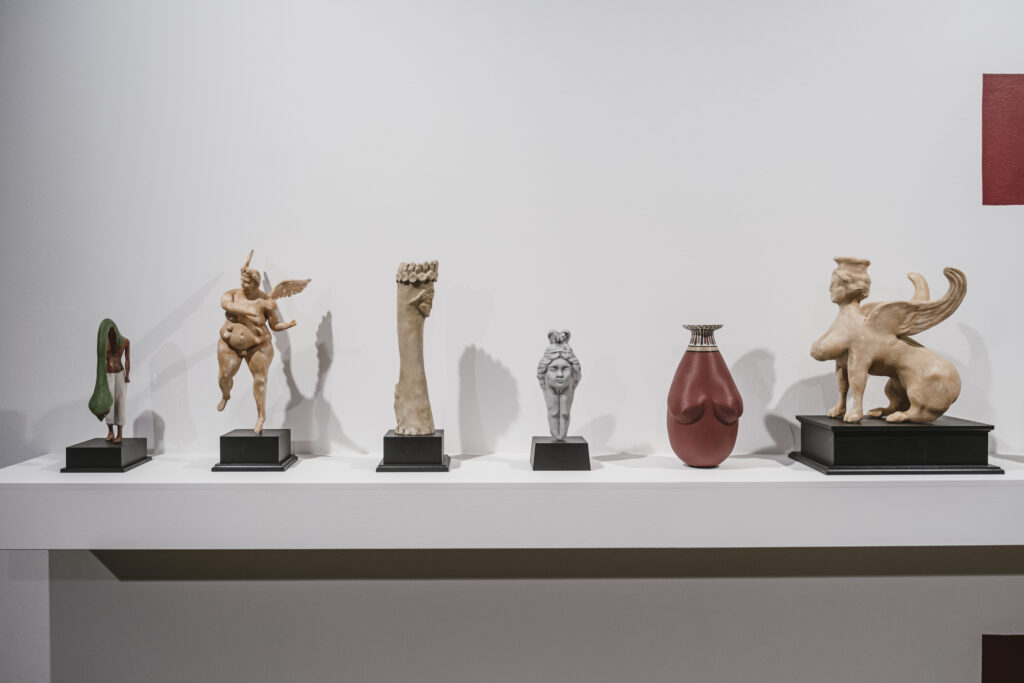
Pewne muzeum sztuki posiada ponad 30,000 dzieła sztuki nowoczesnej i współczesnej, zarządzane wcześniej przy użyciu papierowych ksiąg rachunkowych i kodów kreskowych. Kompleksowa inwentaryzacja wymagała dwutygodniowego zamknięcia, mobilizując cały personel muzeum, i osiągnięcie poziomu dokładności wynoszącego zaledwie około 85%. Rejestracja zmian w miejscu odbioru była opóźniona, często znalezienie konkretnych dzieł zajmuje kilka dni. Bardziej poważnie, podczas wystaw wypożyczeń, W monitorowaniu obiegu dzieł sztuki istniały martwe punkty, stwarzając ogromną presję w zakresie bezpieczeństwa i ubezpieczeń. Aby sprostać tym wyzwaniom, W 2023, z którym to muzeum sztuki oficjalnie nawiązało współpracę RFIDHY rozpoczęcie kompleksowego projektu digitalizacji zbiorów i modernizacji inteligentnego magazynu RFID.
Realizację projektu podzielono na trzy etapy:
Pierwsza faza była “Przypisanie tożsamości cyfrowej”
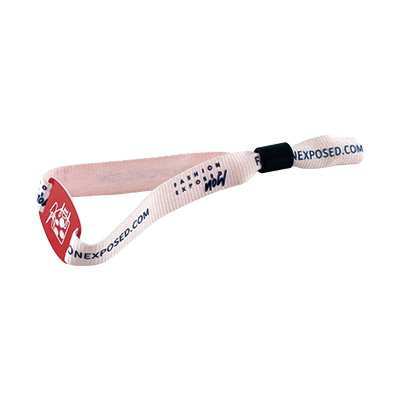
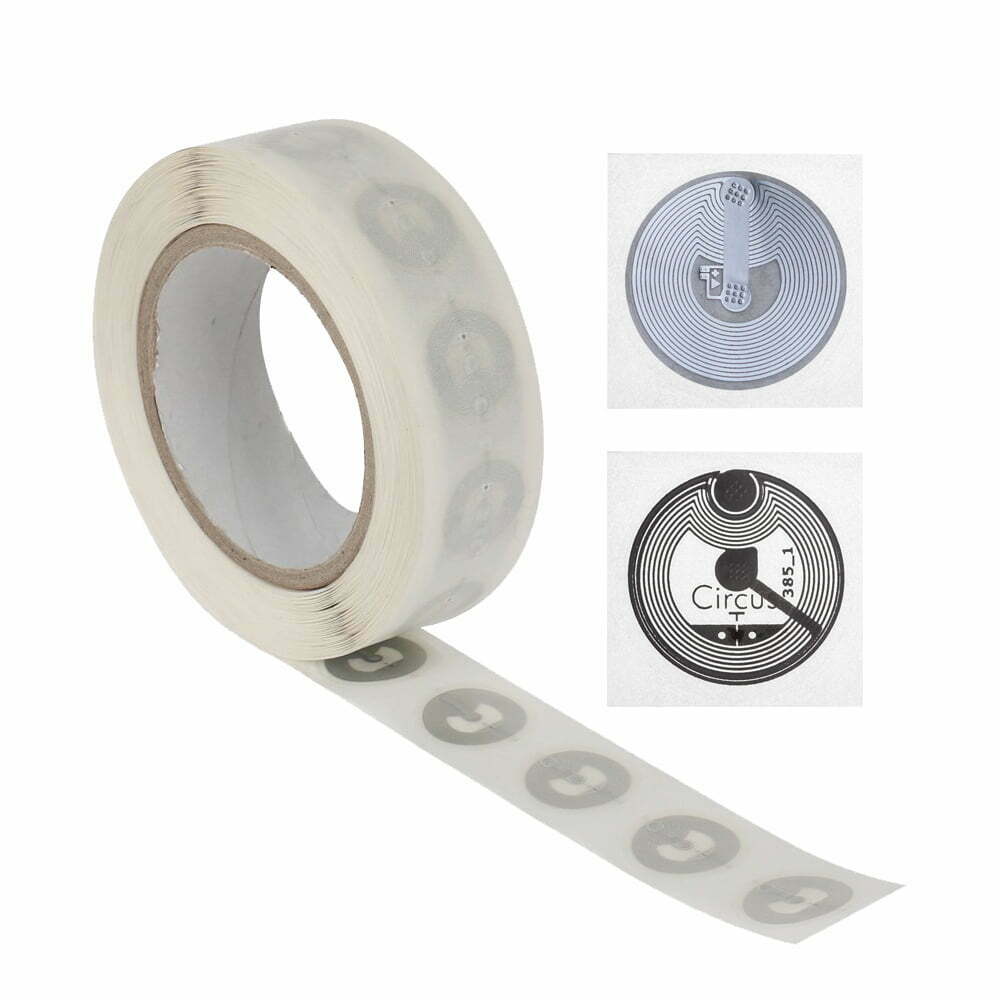
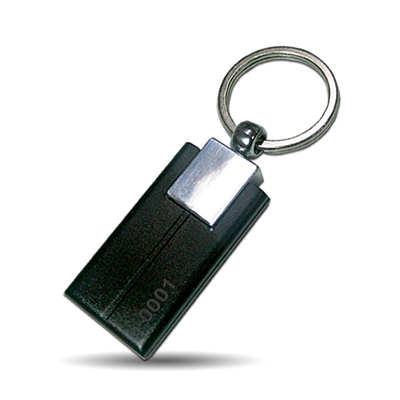
RFIDHYzespół ekspertów sklasyfikował i ocenił kolekcję, dostosowywanie niewidocznych osadzonych Tagi RFID (do oprawionego obrazu olejnego) oraz przenośne znaczniki artefaktów RFID (dla rzeźb) dla różnych typów prac. Jednocześnie, Zakończono rejestrację obrazu w wysokiej rozdzielczości i ustrukturyzowane wprowadzanie danych podstawowych informacji dla wszystkich prac, utworzenie kompletnego archiwum cyfrowego na “Śledzenie” platforma.
Druga faza była “Wdrażanie inteligentnego środowiska”
W nowym magazynie, wszystkie inteligentne regały mobilne posiadają zintegrowane układy anten RFID typu półkowego, umożliwiając wizualizację w czasie rzeczywistym lokalizacji kolekcji. Przy wejściach do magazynów zainstalowano drzwi dostępowe RFID o wysokiej czułości, automatyczne rejestrowanie wszystkich czynności związanych z wejściem i wyjściem.
Trzecia faza była “Reinżynieria procesu”
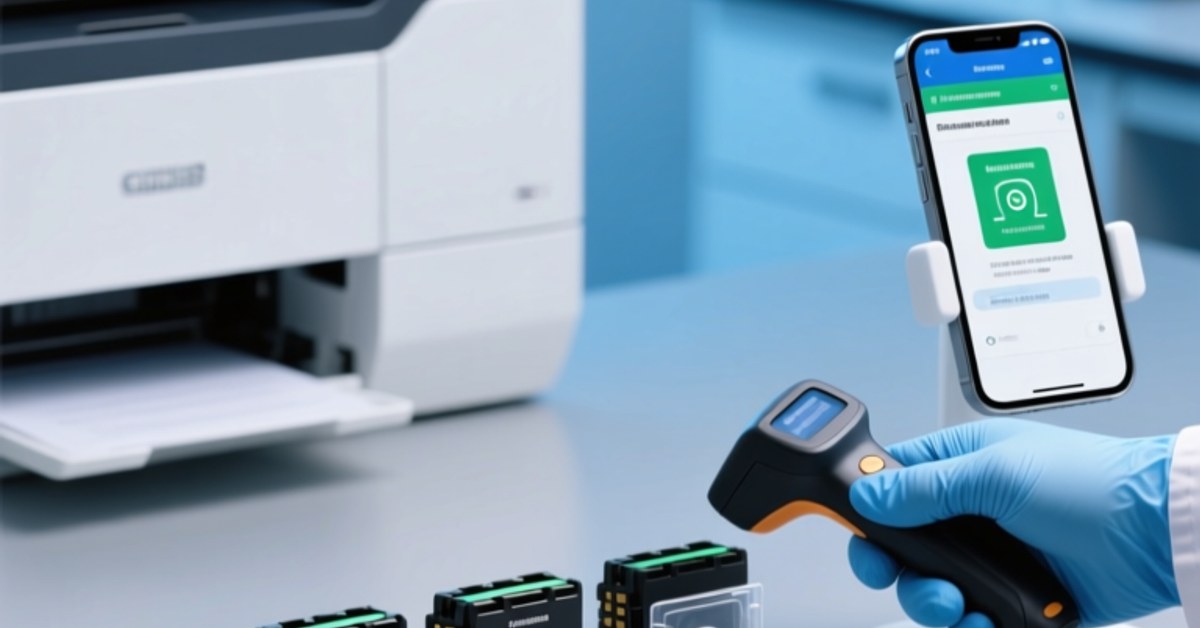
Pracownikom przekazano ręczne urządzenia magazynowe RFID klasy przemysłowej, i cały przepływ pracy od momentu otrzymania, inwentaryzacja, w oparciu o nowy system zoptymalizowano wyszukiwanie na wystawie.
Wyniki projektu
Pierwszy, w zakresie wydajności zapasów nastąpił skok jakościowy: cały okres inwentaryzacji został skrócony 15 dni do 2 dni, a współczynnik dokładności wzrósł do ponad 99.8%.
Po drugie, system umożliwia “wyszukiwanie jednym kliknięciem” w celu lokalizacji artefaktu. Wpisanie nazwy w systemie powoduje natychmiastowe wyświetlenie lokalizacji na regale mobilnym, łącznie z numerem półki, skrócenie czasu wyszukiwania średnio z kilku godzin do minut.
Po trzecie, umożliwia zarządzanie identyfikowalnością zabytków kultury w pętli zamkniętej w całym procesie. Od pierwszego wydania, transport, wystawa, do jego powrotu, trajektoria ruchu i znaczniki czasu dowolnej grafiki są rejestrowane automatycznie, tworząc niezaprzeczalny łańcuch audytów. To znacznie zmniejsza błędy ludzkie i ryzyko, co skutkuje obniżonymi składkami ubezpieczeniowymi. Projekt ten stał się przykładem odniesienia dla inteligentnej budowy muzeów sztuki w Chinach.
Przyszły
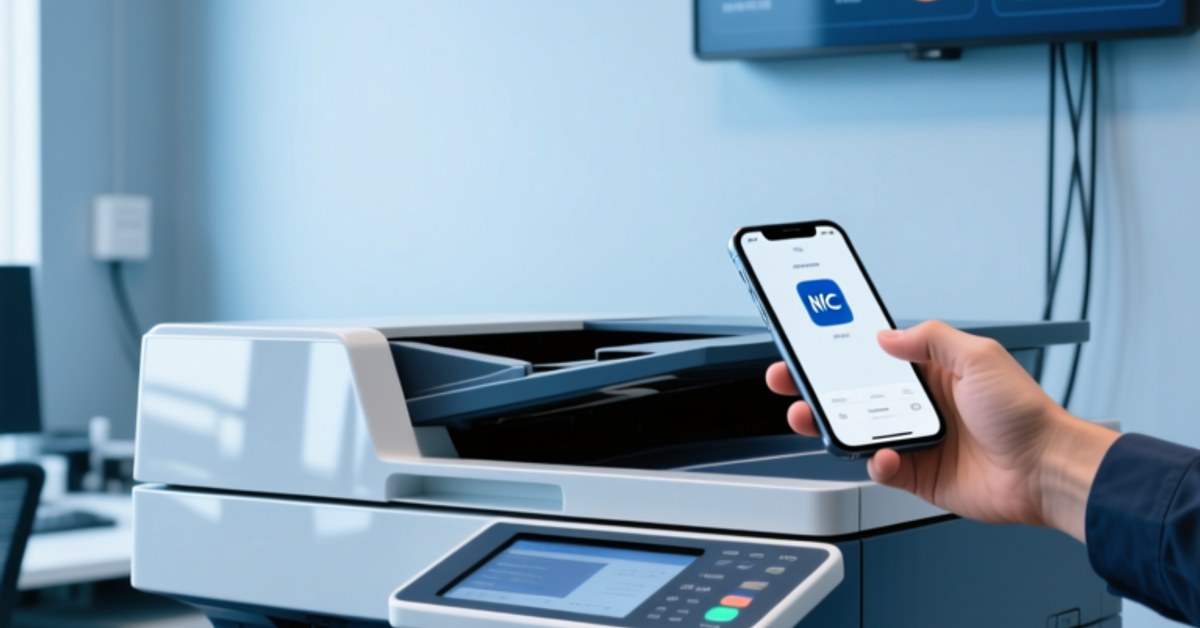
Muzeum planuje rozwój interaktywnych wycieczek z przewodnikiem w oparciu o ten system. W przyszłości, odwiedzający mogą korzystać ze swoich telefonów komórkowych’ Funkcja NFC umożliwiająca dostęp do dzieł sztuki w autoryzowanych lokalizacjach w celu uzyskania dostępu do bogatszych objaśnień multimedialnych, historie stworzenia, a nawet zapisy z poprzednich wystaw, unowocześnienie wyświetlaczy statycznych do poziomu głęboko interaktywnego. To właśnie jest rozszerzona wartość interaktywnego systemu inteligentnego muzeum opartego na technologii RFID.
Aby uzyskać więcej informacji,Proszę Skontaktuj się z nami.