Dla współczesnych liderów biznesu, ESG (Środowiskowy, Społeczny, i Zarządzanie) nie jest już kwestią marginalną, ale podstawową strategią biznesową. Inwestorzy, klienci, i organy regulacyjne wymagają od przedsiębiorstw większej trwałości. Dla branży ŚOI, UE DPP jest istotnym czynnikiem regulacyjnym, pomaganie firmom w przejściu od tradycji “produkować-używać-wyrzucać” modelu gospodarki o obiegu zamkniętym. Ta transformacja oznacza nie tylko zgodność, ale także główną szansę na zwiększenie wartości marki i objęcie pozycji lidera na rynku.
Od odpadu do wartości: Umożliwienie recyklingu i regeneracji
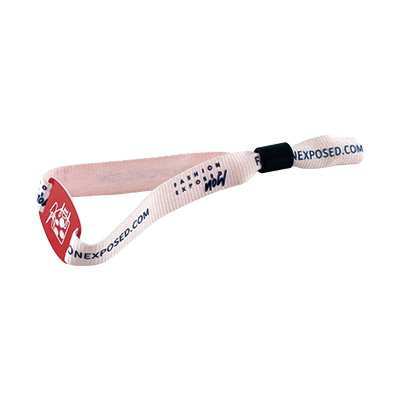
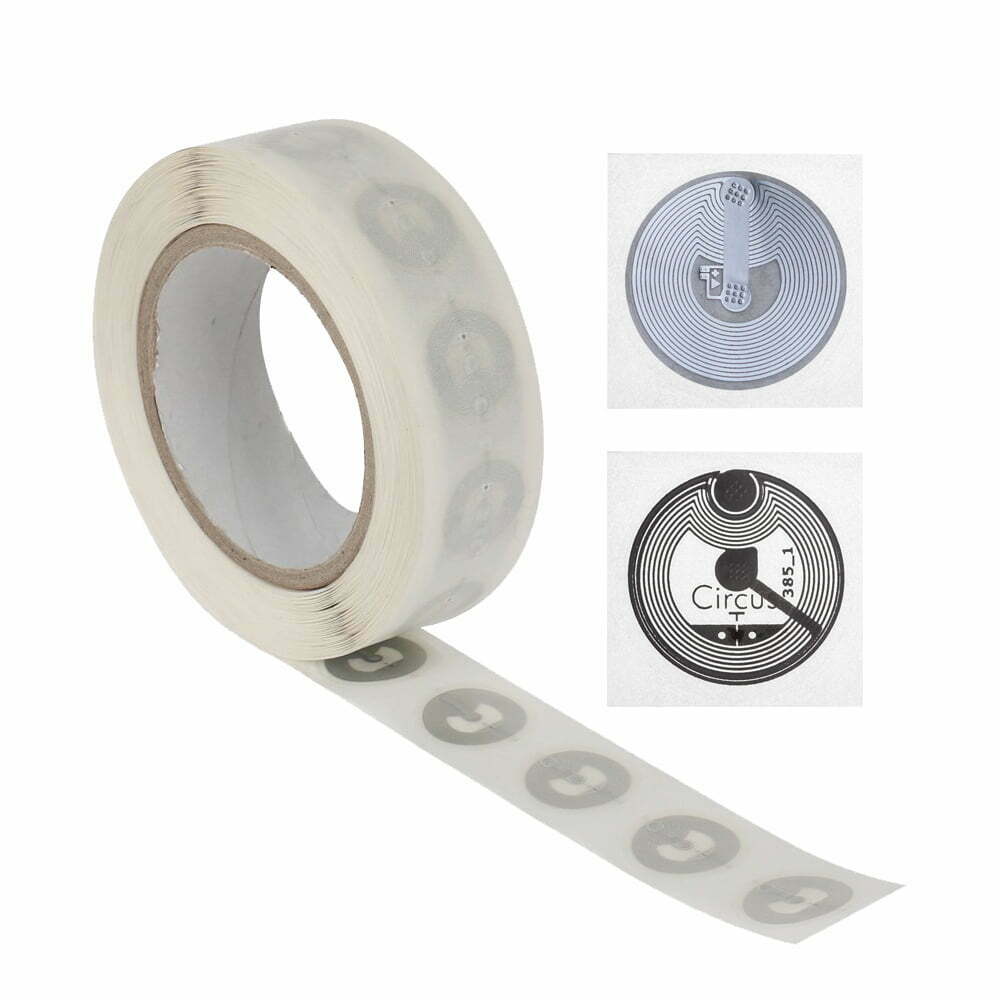
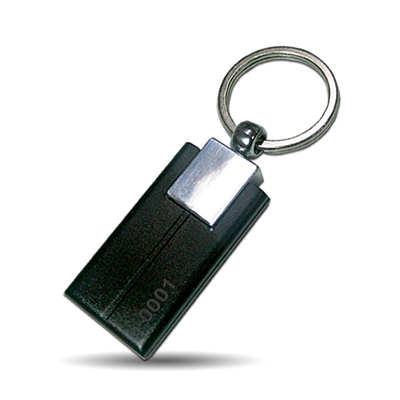
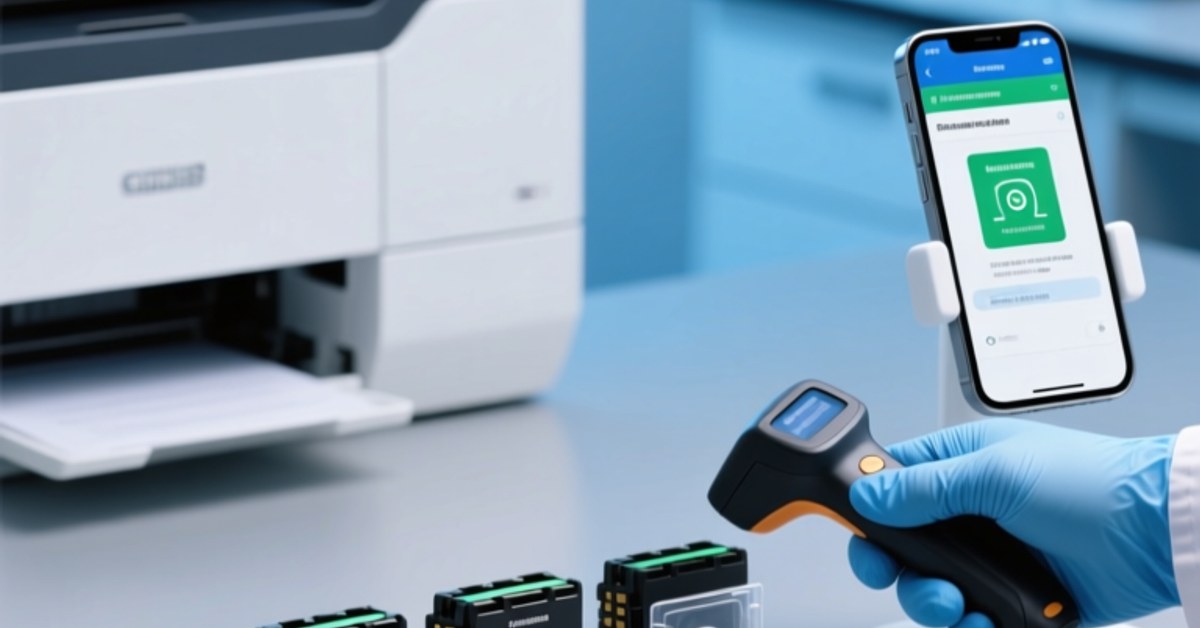
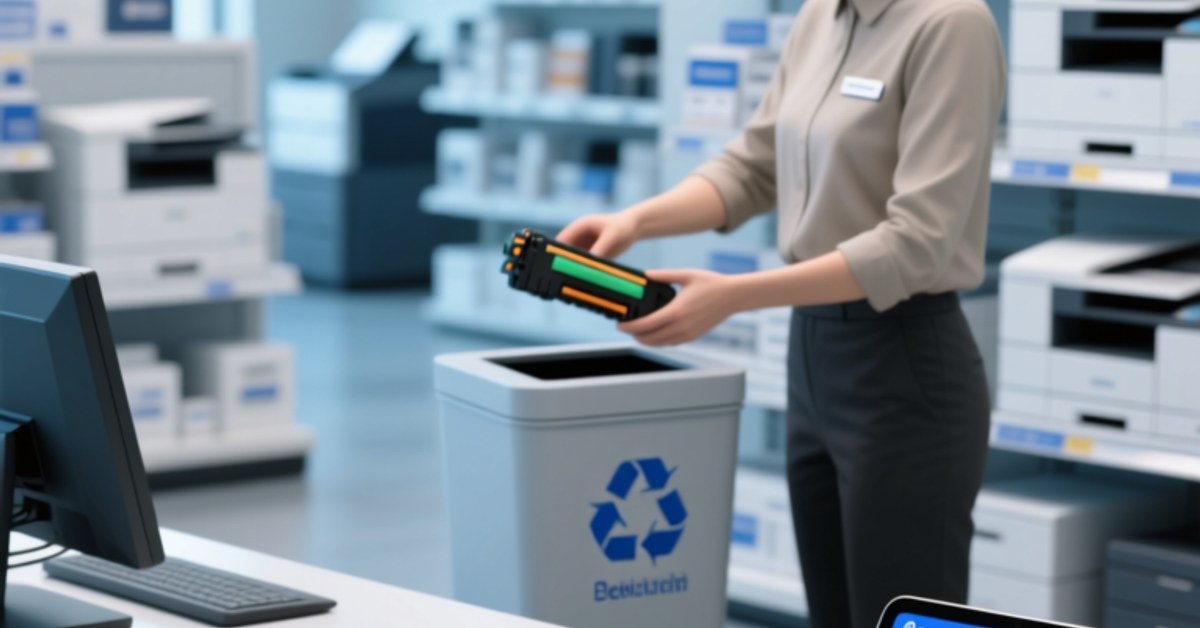
Obecnie, większość wyrzuconych środków ochrony indywidualnej trafia na wysypiska śmieci. The DPP zmienia to, dostarczając zweryfikowanych danych na temat składu materiału, umożliwiając recykling i regenerację. Jednakże, gromadzenie tych danych na etapie wycofania z eksploatacji stanowi poważne wyzwanie. W tym miejscu kluczowa staje się technologia RFID do śledzenia cyklu życia ŚOI. Tagi RFID, bezpośrednio dołączone do produktu, umożliwiają zakładom recyklingu szybkie skanowanie i sortowanie produktów według rodzaju materiału, znacząco zwiększając poziom recyklingu i tworząc nową wartość z odpadów.
Wydłuż żywotność produktu dzięki inteligentnej konserwacji i ponownemu użyciu
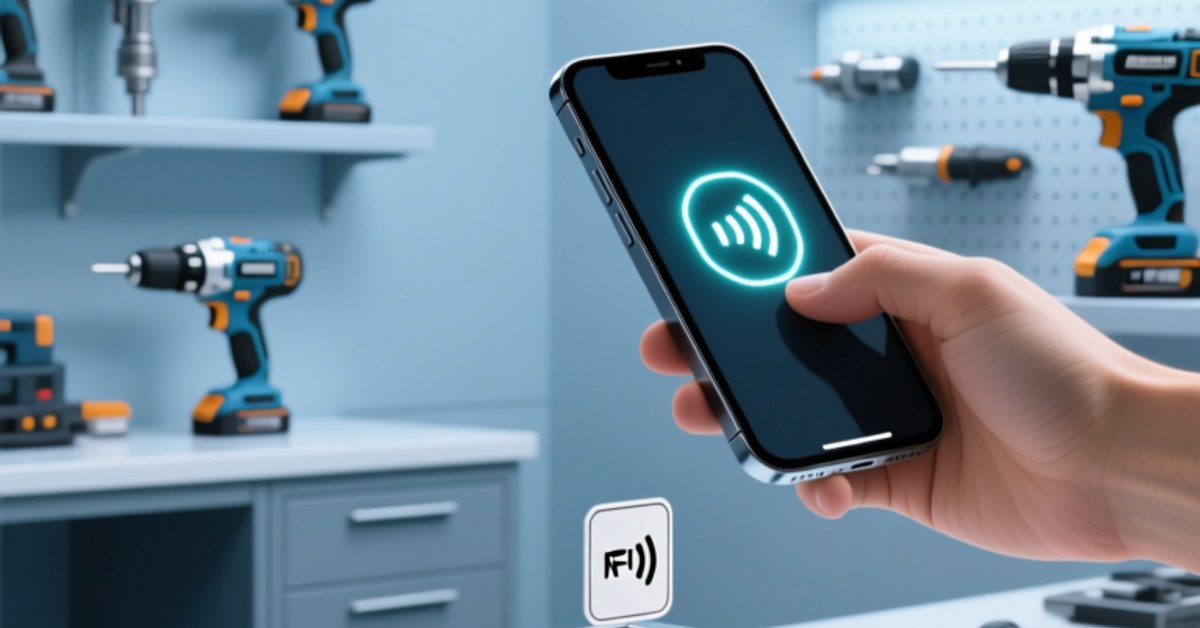
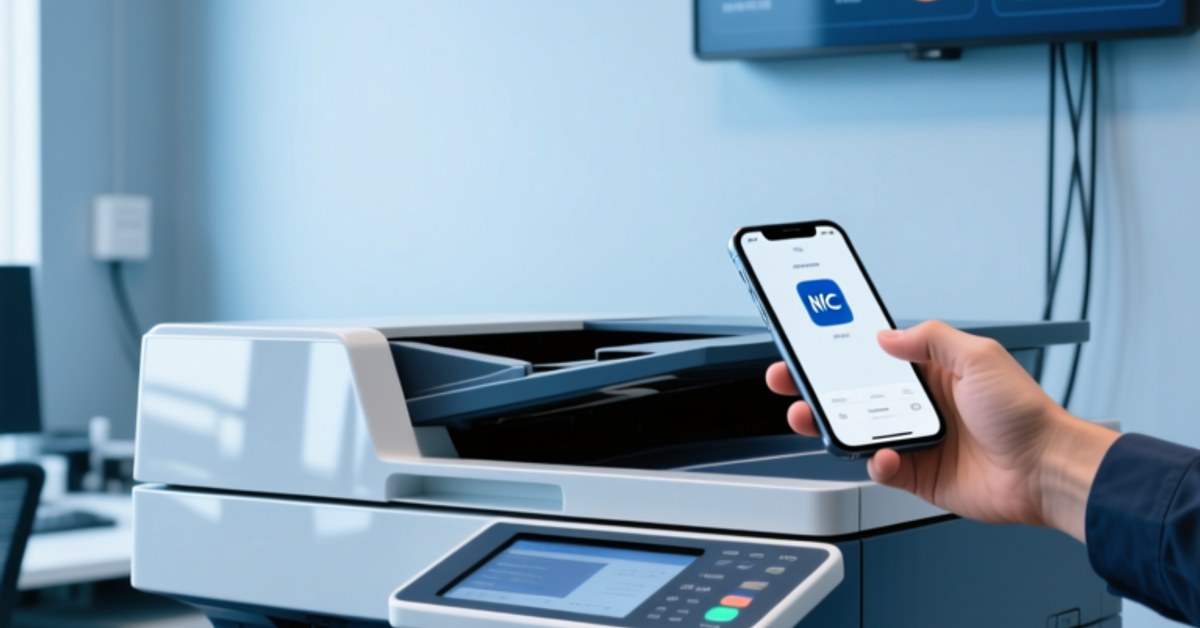
Najbardziej zrównoważony produkt to ten, który trwa najdłużej. Dokument DPP może zawierać informacje dotyczące konserwacji i napraw, wspieranie modeli ponownego użycia. System śledzenia konserwacji sprzętu bezpieczeństwa oparty na technologii RFID pomaga firmom monitorować wykorzystanie produktów, harmonogram konserwacji, i sprawdzić integralność odnowionego sprzętu. Dane zbierane za pośrednictwem Tagi RFID gwarantuje, że każdy produkt pozostanie bezpieczny i zgodny przez cały cykl życia, zmniejszenie całkowitego kosztu posiadania i wpływu na środowisko.
Przejrzyste procesy wycofania z eksploatacji i lepsza reputacja marki
Odpowiedzialne procesy wycofania z eksploatacji są niezbędne dla gospodarki o obiegu zamkniętym. DPP zapewnia jasne wytyczne, ale weryfikacja jest kluczowa. Technologia RFID umożliwia śledzenie zapisów. Co ważniejsze, bogate dane zebrane za pomocą technologii RFID w mocny sposób ukazują wysiłki firmy na rzecz zrównoważonego rozwoju. Dzięki temu firmy mogą śmiało promować swoje zobowiązania środowiskowe, przekształcić zgodność w przewagę konkurencyjną, i budować zaufanie wśród interesariuszy.
Wniosek:
RFID – kluczowa technologia dla rozwoju zrównoważonych środków ochrony indywidualnej. DPP wymaga przejrzystości informacji o produktach, a technologia RFID umożliwia to skutecznie i elastycznie. Automatyzując gromadzenie i udostępnianie danych dotyczących cyklu życia produktu, staje się technologią kluczową dla osiągnięcia gospodarki o obiegu zamkniętym. Wykorzystanie rozwiązań RFID do zarządzania zrównoważonymi produktami PPE nie tylko spełnia wymogi regulacyjne, ale także pozwala Twojej marce wyróżnić się jako lider branży w nowej erze odpowiedzialnego biznesu. Gotowi do stworzenia zrównoważonej przyszłości dla swoich produktów ŚOI? Poznaj nasze rozwiązania RFID i odkryj, jak wykorzystać przepisy DPP, aby uzyskać strategiczną przewagę.
Aby uzyskać więcej informacji,Proszę Skontaktuj się z nami.