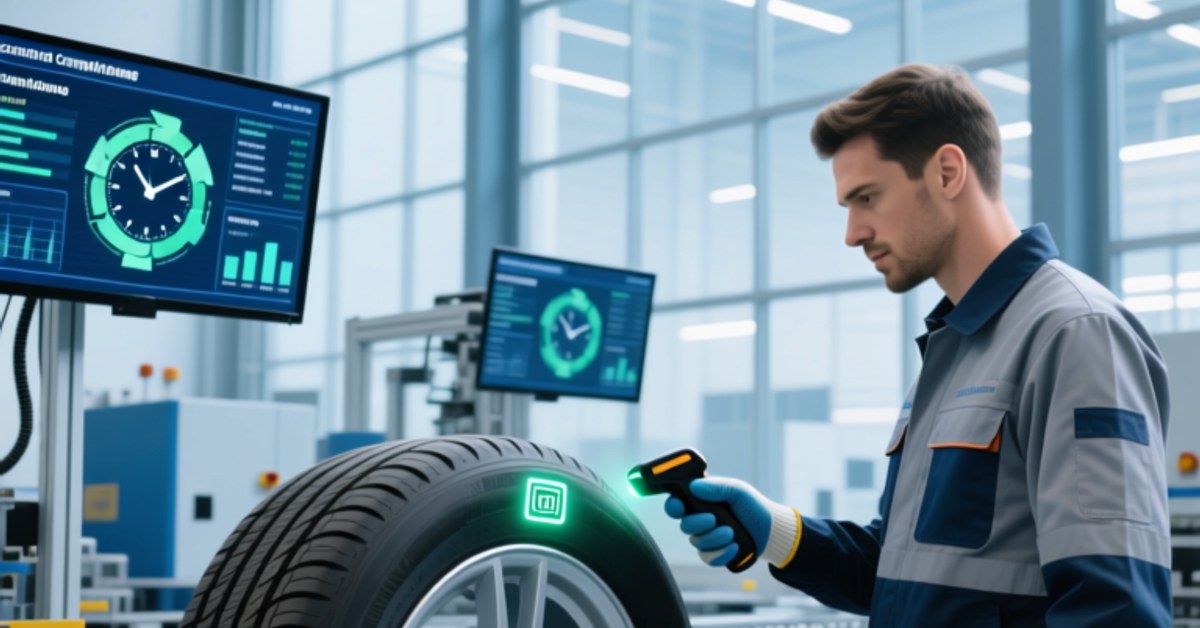
Dans le secteur des biens de consommation, les marques sont depuis longtemps confrontées à trois défis majeurs de gestion: difficulté d'authentification du produit, traçabilité peu claire de la chaîne d’approvisionnement, et détournement fréquent des canaux. Les méthodes de gestion traditionnelles souffrent de limitations telles que la fragmentation de l'information, retards de données, et sensibilité à la contrefaçon. Maintenant, Basé sur RFID/NFC “un article, un code” technologie, en attribuant une identité numérique unique à chaque produit, permet une gestion visuelle complète du processus, de la production à la consommation, apporter une solution innovante et efficace à ces problèmes.
Qu'est-ce que “un article, un code”?
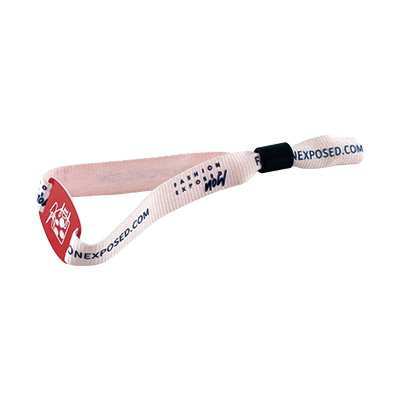
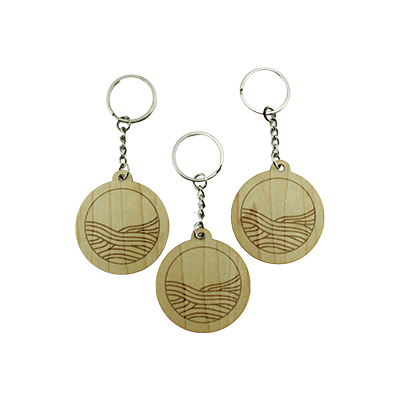
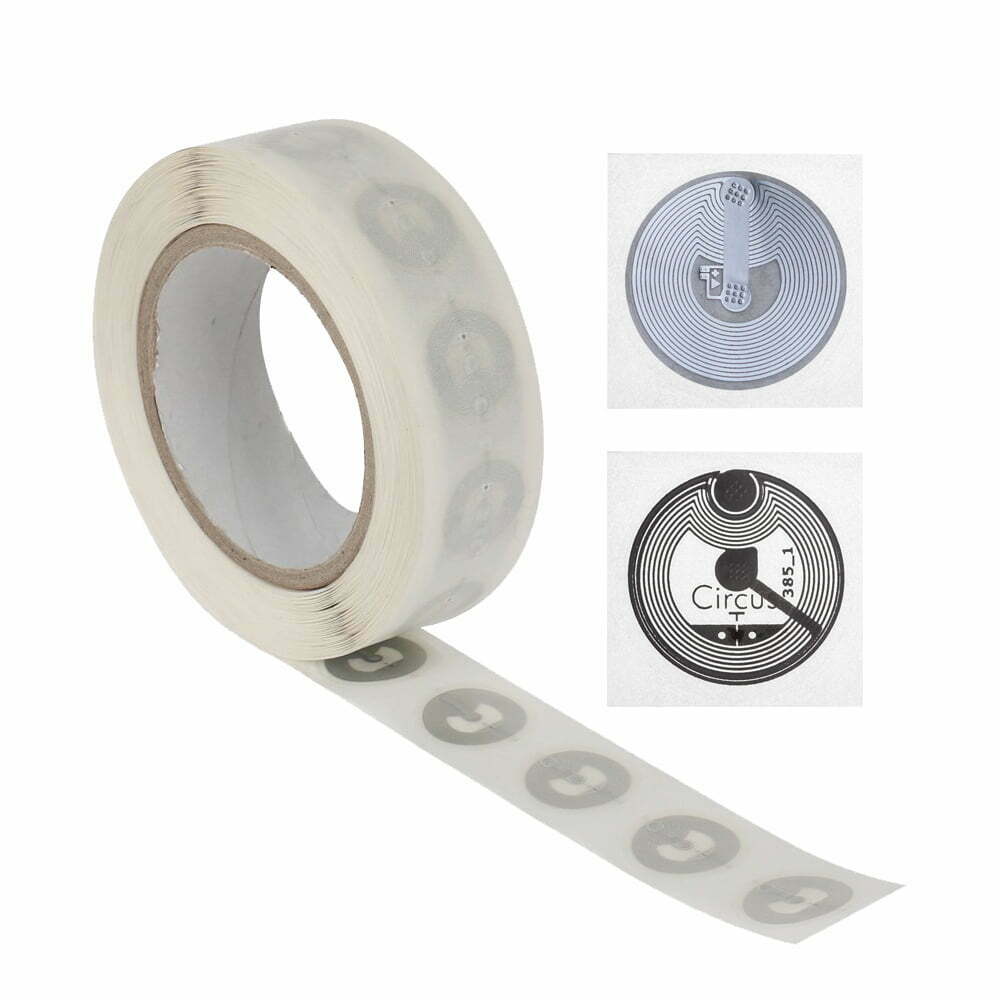
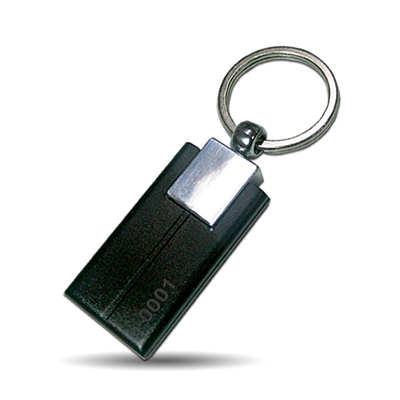
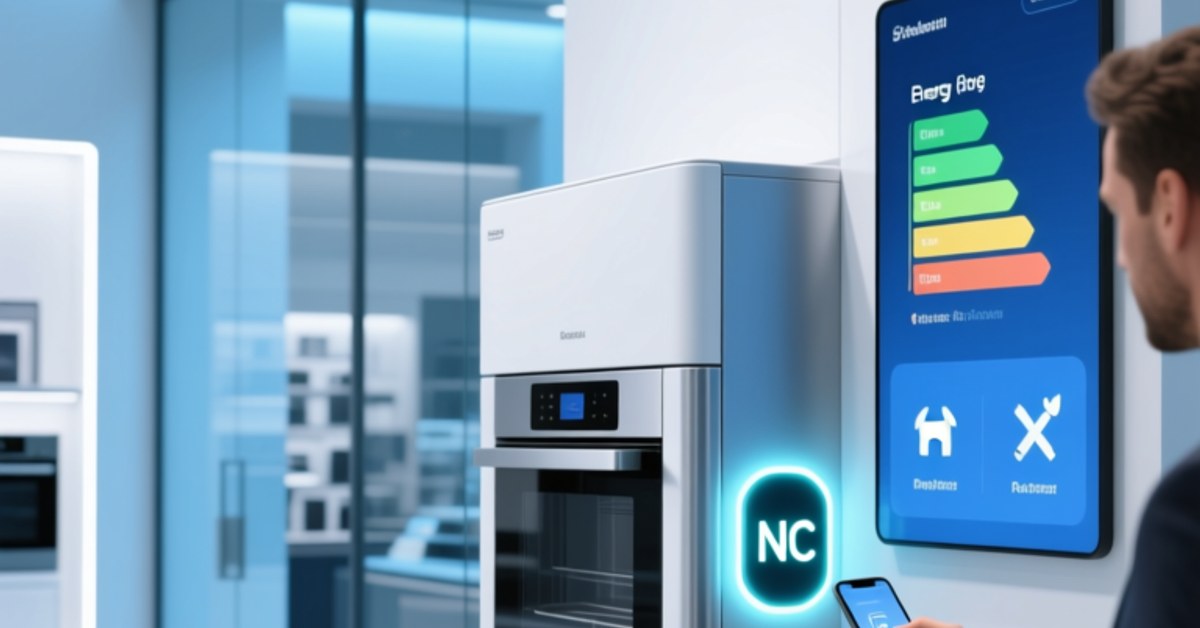
“Un article, un code” fait référence à l'attribution d'une identification numérique unique au monde à chaque plus petite unité de vente d'un produit (généralement écrit sur un RFID ou Puce NFC). Étiquettes RFID UHF conviennent au lot, longue distance, et lecture et écriture rapides, répondant aux besoins de logistique et de gestion d’entrepôt; Balises NFC, avec leurs capacités pratiques de lecture sur téléphone portable, devenir un point de contact direct reliant les marques et les consommateurs. Cette technologie constitue le cœur du système de gestion de l'identité numérique du produit..
Depuis “Difficile de s'authentifier” à “Anti-contrefaçon instantanée”
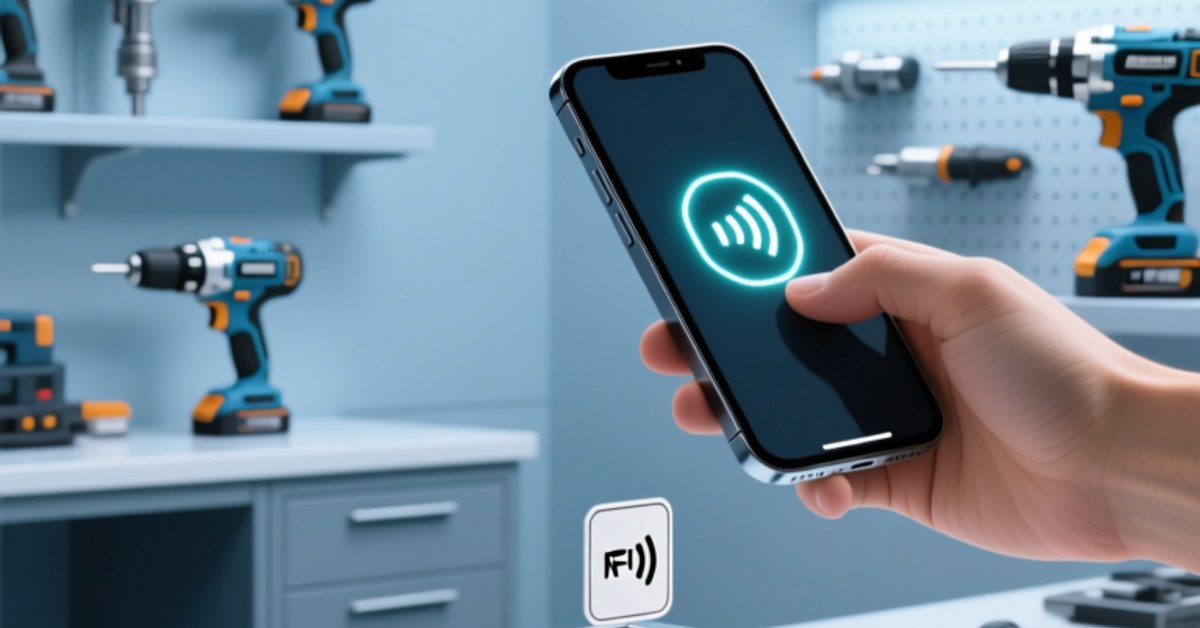
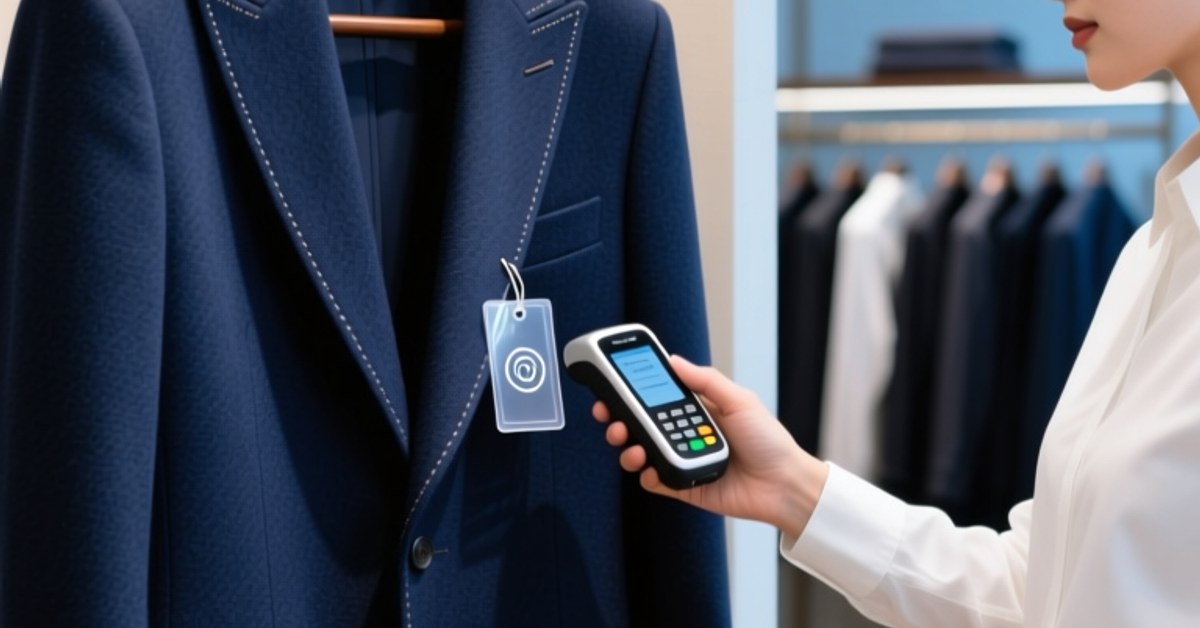
Les produits contrefaits causent chaque année des centaines de milliards de dollars de pertes à l’industrie mondiale des biens de consommation.. Basé sur le cryptage et le caractère unique de Puces NFC, les consommateurs peuvent simplement tenir leur téléphone portable à proximité du produit pour effectuer la vérification anti-contrefaçon NFC via les canaux officiels. Le processus ne prend que quelques secondes et est difficile à contrefaire. Une étude de cas citée par l'institut de recherche IoT faisant autorité, IoT Analytics, montre que les marques utilisant cette technologie ont constaté une réduction moyenne de plus de 70% sur le marché des plaintes pour contrefaçon, améliorer considérablement la réputation de la marque.
Depuis “Silos d’informations” à “Traçabilité visuelle de l'ensemble du processus”
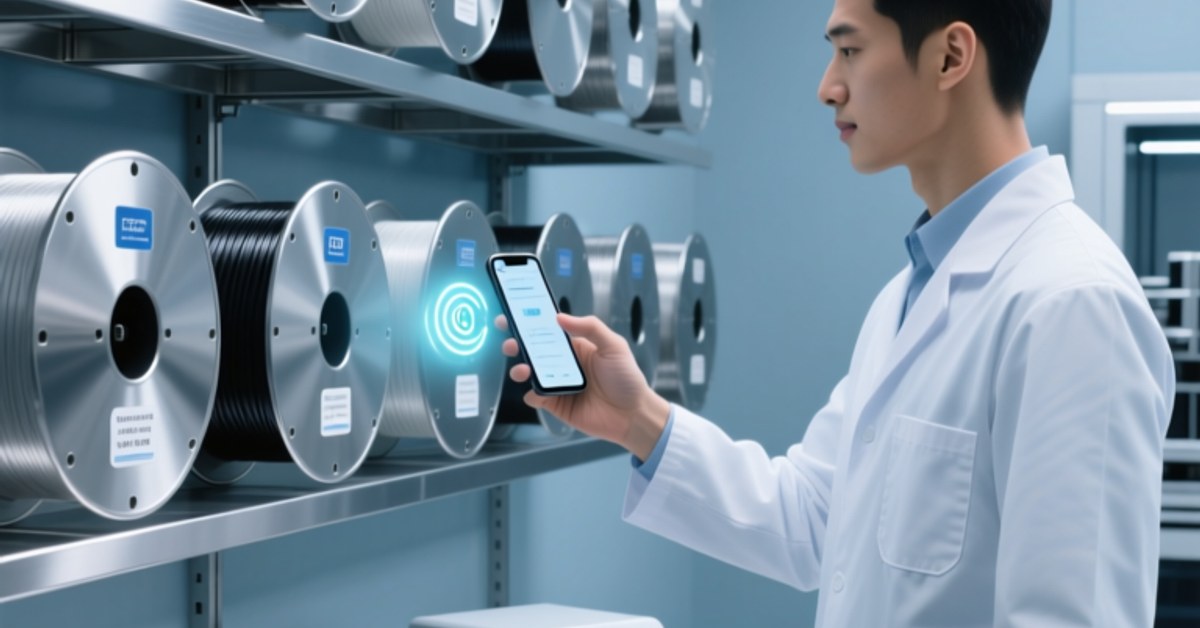
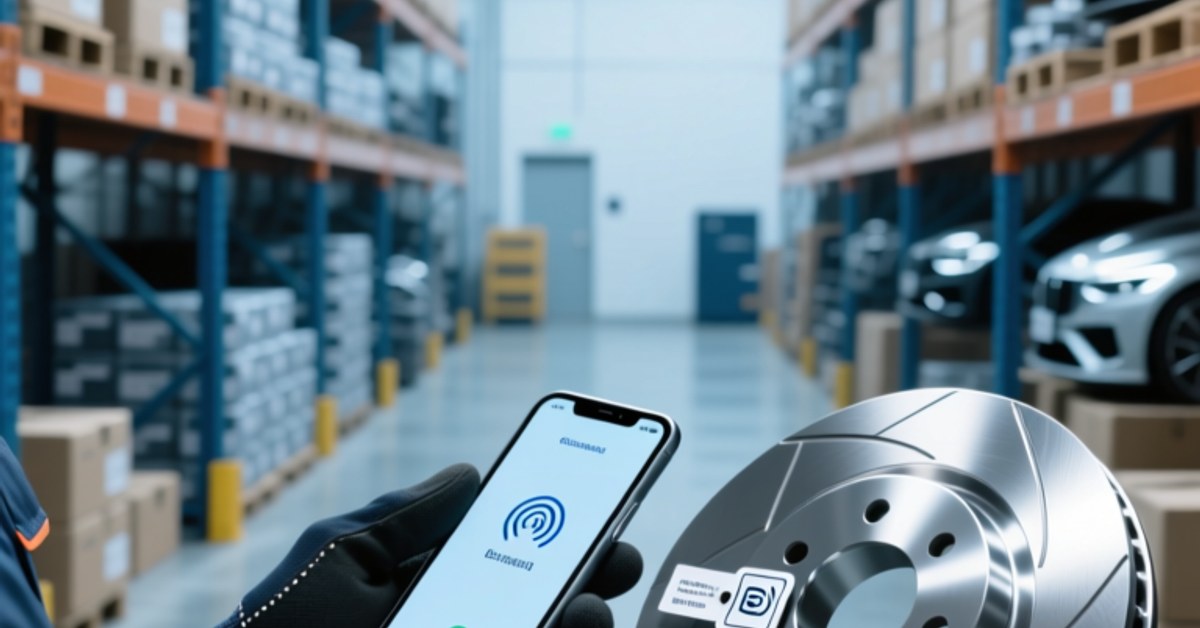
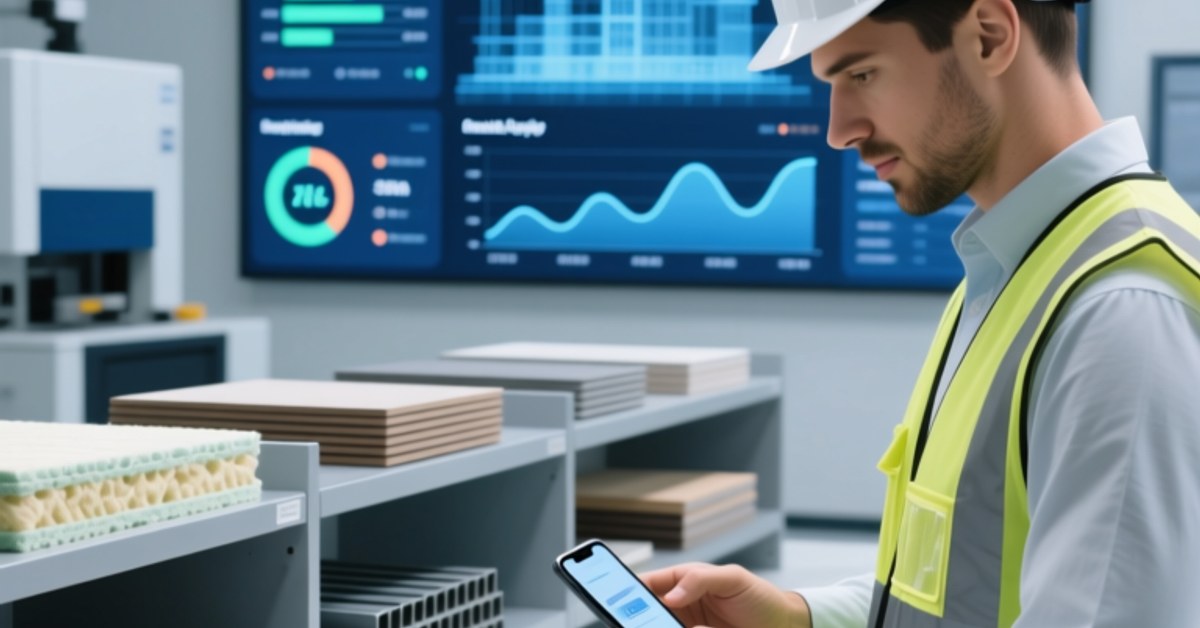
Les systèmes de traçabilité traditionnels ont de longues chaînes et sont sujets à des interruptions d'informations. En déployant des lecteurs RFID à différentes étapes des matières premières, production, logistique, et les ventes, le système peut collecter et télécharger automatiquement et de manière transparente des données sur une plate-forme cloud, permettant une gestion visuelle de la chaîne d’approvisionnement. Cela améliore non seulement l'efficacité opérationnelle, mais permet également une traçabilité précise et un rappel en quelques minutes en cas de problèmes de qualité., minimiser les risques et les pertes.
De l’audit passif à la lutte anti-contrefaçon proactive et intelligente
Le détournement des canaux perturbe les systèmes de tarification et nuit aux intérêts de toutes les parties. Basé sur un système anti-contrefaçon RFID, en installant des dispositifs de lecture et d'écriture aux nœuds clés du canal (tels que les entrepôts de distributeurs), le système peut enregistrer automatiquement les informations géographiques du flux de produits. Le système analyse intelligemment les données, et une fois qu'il détecte qu'un produit est activé pour la vente dans une zone non autorisée, il peut émettre automatiquement un avertissement, permettant aux entreprises de passer d'un audit passif à un contrôle proactif des canaux et de maintenir l'ordre du marché.
Pratique réussie
RFIDHY, un fournisseur de solutions d'identification pour l'Internet des objets, s'appuie sur sa vaste expérience du secteur pour fournir à de nombreuses marques de biens de consommation des services de bout en bout, des étiquettes RFID/NFC hautes performances et du matériel intelligent aux plateformes de gestion intégrées. Leurs solutions assurent non seulement la stabilité et la sécurité de “un article, un code” collecte de données, mais également réaliser une intégration approfondie avec les systèmes back-end de l'entreprise, transformer véritablement les données en informations de gestion et en valeur commerciale.
Conclusion
“Un article, un code, visibilité totale” n'est plus un concept futur. Technologie RFID/NFC, en construisant une chaîne de données fiable tout au long du cycle de vie du produit, fournit aux entreprises de biens de consommation une clé intelligente pour résoudre trois défis de gestion majeurs. Ce n'est pas seulement un outil pour construire un fossé de marque mais aussi une voie essentielle vers des opérations numériques et raffinées.. Choisir de s'associer à des partenaires expérimentés est crucial pour assurer le succès de cette transformation et acquérir un avantage concurrentiel sur le marché..
Pour plus d'informations,s'il te plaît Contactez-nous.