Introduction: Le mandat du passeport produit numérique
Le Écoconception pour la réglementation des produits durables (ESPR) remodèle la façon dont les produits sont conçus, fabriqué, et suivi dans l'Union européenne. À sa base se trouve le Passeport produit numérique (DPP) – un enregistrement numérique contenant des données spécifiques au produit tout au long de son cycle de vie. Pour les fabricants, le respect des exigences ESPR de l’UE n’est pas une simple case à cocher réglementaire; c'est une opportunité stratégique pour améliorer la transparence de la chaîne d'approvisionnement, permettre des modèles économiques circulaires, et renforcer la confiance des consommateurs.
Cette feuille de route se concentre sur DPP compatibles NFC comme pratique, rentable, et une solution de conformité évolutive. En intégrant des balises de communication en champ proche directement dans les produits ou les emballages, les fabricants peuvent fournir un accès instantané au DPP via une simple pression sur un smartphone. Aucune infrastructure d'analyse complexe n'est requise, ce qui le rend particulièrement adapté aux industries comme l'habillement, électronique, meubles, et production de batteries.
Comprendre le calendrier et la portée du ESPR de l’UE
L'ESPR a été proposé en mars 2022 et devrait entrer pleinement en vigueur entre 2024 et 2027, avec des actes délégués pour des groupes de produits spécifiques, déployés progressivement. La première vague comprend les batteries, textile, et électronique. Les fabricants exportant vers l’UE doivent se préparer dès maintenant pour éviter les perturbations de l’accès au marché.
>
| Jalon | Chronologie prévue | Impact sur les fabricants |
|---|---|---|
| L'ESPR entre en vigueur | 2024–2025 | Base juridique établie; les actes délégués commencent |
| Batterie DPP obligatoire | 2027 | Toutes les batteries industrielles et électriques doivent être munies d'un passeport numérique |
| Textiles & électronique DPP | 2027–2028 | Application progressive pour les biens de consommation à rotation rapide |
| Couverture complète | 2030+ | La plupart des catégories de produits sont probablement couvertes |
L'adoption précoce de la technologie NFC DPP permet aux fabricants d'affiner leurs processus de collecte de données, former les partenaires de la chaîne d'approvisionnement, et s'aligner sur les actes délégués à venir bien avant les délais.
La pile technologique DPP: La place du NFC
Un système de passeport produit numérique nécessite une pile technologique multicouche. Le tableau ci-dessous présente chaque couche et comment la technologie NFC s'intègre au niveau du support de données..
>
| Couche | Description | Rôle NFC |
|---|---|---|
| Identification unique | Chaque produit reçoit un identifiant unique au monde (UID) | Balises NFC intégrer un UID programmé en usine qui ne peut pas être modifié, servant d’empreinte numérique immuable du produit |
| Support de données | Support physique reliant le produit à l'enregistrement numérique | Balises NFC/Incrustations NFC sont attachés directement au produit ou à l’emballage, permettre un accès sans contact |
| Gestion des données | Référentiel DPP basé sur le cloud ou la blockchain | La mémoire des balises NFC peut stocker une URL résoluble pointant vers le DPP hébergé dans le cloud; options cryptées disponibles |
| Interface d'accès | Comment les parties prenantes lisent/écrivent les données | Les consommateurs et les auditeurs utilisent n'importe quel smartphone compatible NFC; les lecteurs industriels gèrent la vérification en masse |
| Sécurité & Confiance | Mécanismes d’authentification et d’intégrité | Puces NFC comme NTAG 424 L'ADN permet une authentification mutuelle et une communication cryptée |
À NFCTRAVAIL, nous aidons les fabricants à sélectionner les bonnes balises NFC pour leurs applications DPP – du standard Autocollants NFC à robuste tags NFC anti-métal pour environnements industriels.
Guide de mise en œuvre étape par étape du DPP NFC
La mise en œuvre d’un DPP conforme peut être décomposée en quatre phases claires. Suivez cette feuille de route pour intégrer la technologie NFC tout en minimisant les perturbations opérationnelles.
Phase 1: Cartographie des données produits et architecture DPP
- Identifiez tous les champs de données obligatoires EU ESPR pour votre catégorie de produit (matériels, contenu recyclé, empreinte carbone, instructions de réparation, exigences de manutention).
- Définissez votre modèle de données DPP – tenez compte des normes GS1 pour l'identification des produits et le partage de données.
- Déterminer si les données résideront sur une plateforme cloud, une blockchain, ou une architecture hybride. Assurez-vous que le système peut attribuer une URL de résolveur unique pour chaque unité de produit.
- Concevoir la couche de visualisation DPP : comment les consommateurs et les partenaires verront-ils et interagiront-ils avec les données du passeport ??
Phase 2: Stratégie de sélection et d'encodage des balises NFC
Choisir la balise NFC optimale est essentiel. Les principales considérations comprennent:
- Taille de la mémoire: Pour un DPP URL uniquement, 144 octets (NTAG 213) suffire; pour stocker des données supplémentaires hors ligne, considérer 888 octets (NTAG 216). Les applications orientées sécurité bénéficient de NTAG 424 ADN avec cryptage AES.
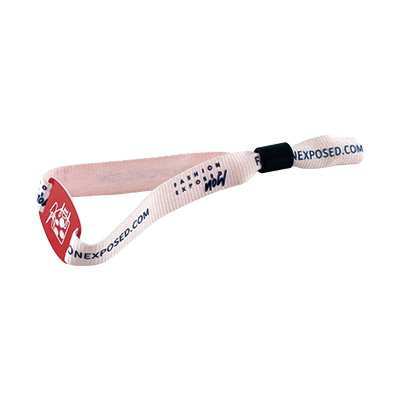
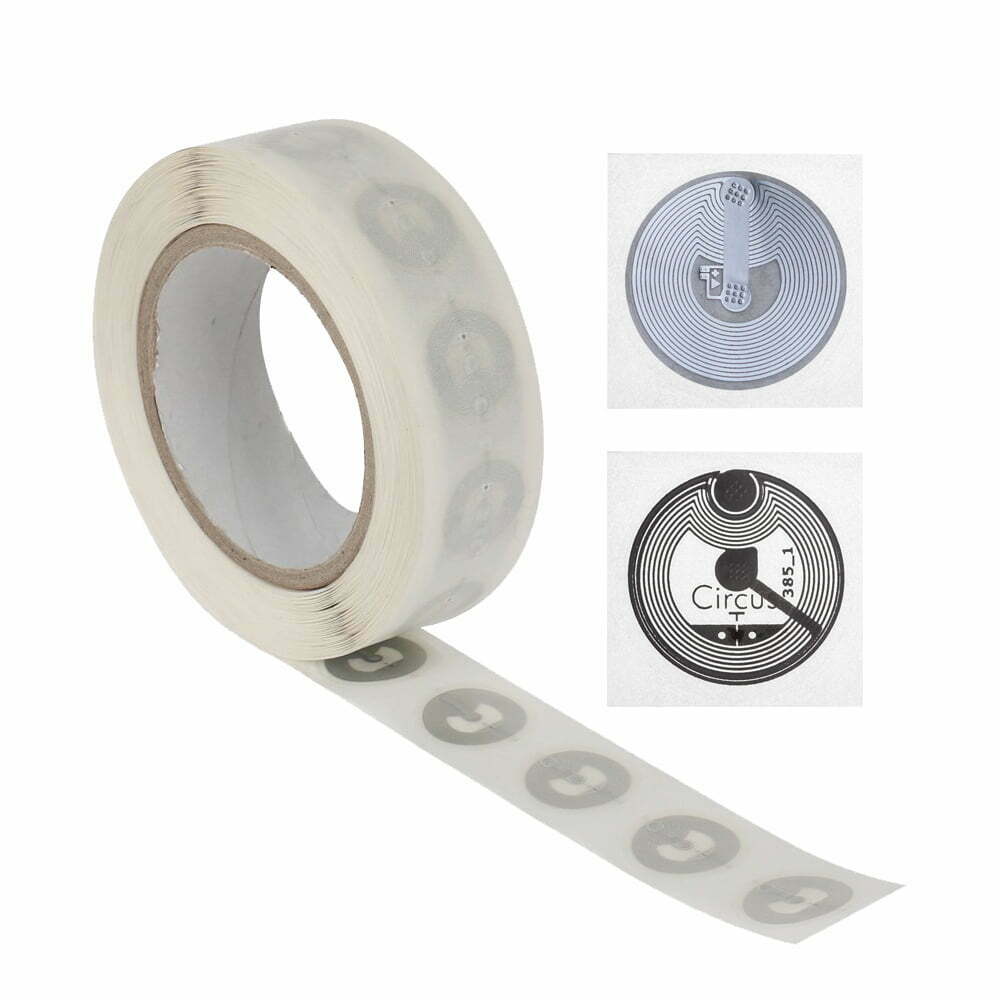
- Facteur de forme: Autocollants NFC, Incrustations humides NFC, ou Bracelets en silicone NFC en fonction de la surface du produit et du cas d'utilisation. Pour les actifs métalliques, choisir tags NFC anti-métal.
- Durabilité environnementale: Demande des milieux industriels Tags NFC étanches et résistants à la chaleur.
- Codage: Programmez chaque balise avec l'URL du résolveur unique, verrouillez-le en lecture seule, et éventuellement ajouter une signature numérique.
Phase 3: Intégration de la fabrication et déploiement de la chaîne d'approvisionnement
- Intégrez le codage des étiquettes NFC dans les lignes de production existantes : l'équipement de codage peut être intégré aux stations d'étiquetage..
- Les solutions évolutives vont de lecteurs NFC de bureau pour les petits volumes jusqu'au haut débit modules RFID industriels capable d'encoder des milliers de tags par heure.
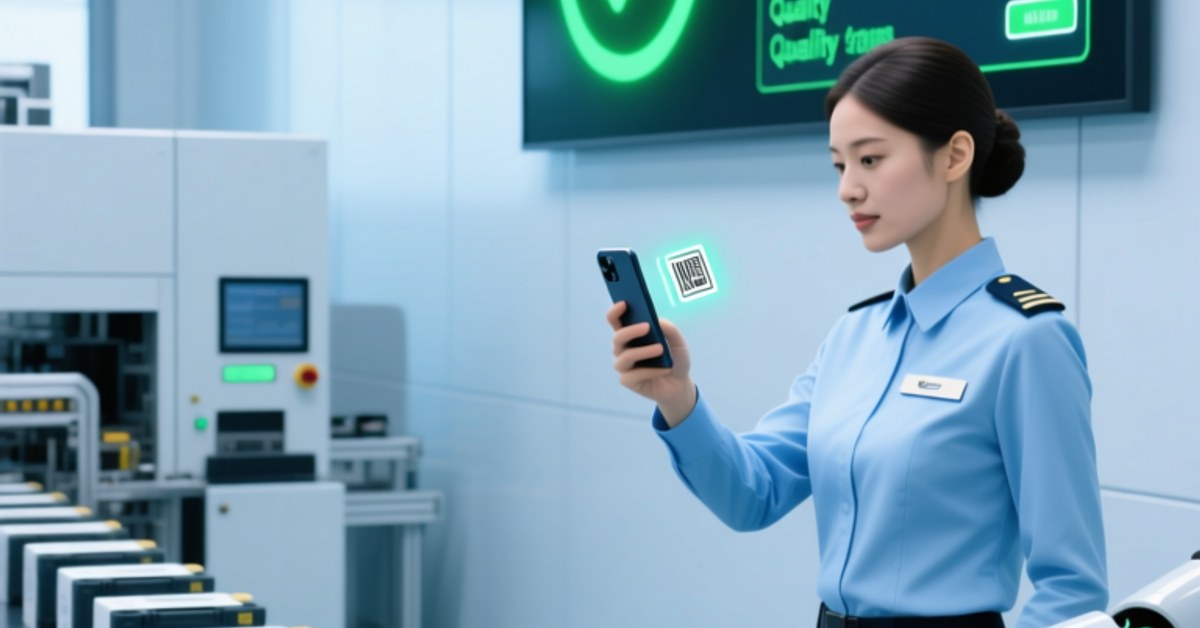
- Établir des contrôles de qualité pour vérifier que chaque étiquette est correctement codée et lisible avant expédition.
- Former les partenaires de la chaîne d'approvisionnement sur la façon d'analyser et de mettre à jour les champs DPP pertinents (Par exemple, étapes logistiques, événements de réparation) en utilisant scanners NFC portables ou standard téléphones intelligents.
- Effet de levier Intégration NFC-blockchain pour une traçabilité inviolable tout au long de la chaîne.
Phase 4: Engagement des consommateurs et gestion du cycle de vie
- Les consommateurs utilisent le DPP compatible NFC avec leur téléphone pour accéder instantanément aux informations sur les produits., guides de soins, et options de recyclage. Ce pont phygital améliore la fidélité à la marque.
- Activer les mises à jour des données après-vente: prestataires de services, rénovateurs, ou les recycleurs peuvent ajouter de nouvelles entrées au DPP (sous réserve d'autorisations) en utilisant le même point de contact NFC.
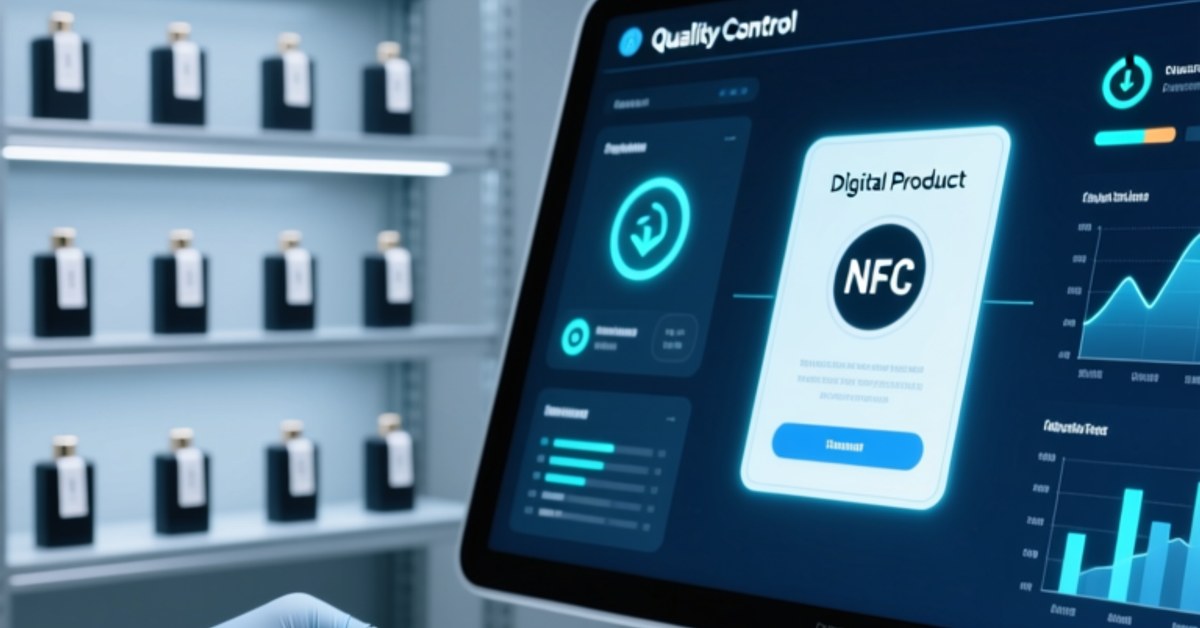
- Surveillez les analyses d'utilisation de DPP pour obtenir des informations sur les performances du cycle de vie des produits et de la circularité..
Liste de contrôle de conformité ESPR de l'UE pour les fabricants
Utilisez cette liste de contrôle pour guider votre parcours de mise en œuvre du DPP.
>
| Domaine de conformité | Éléments d'action | Statut |
|---|---|---|
| Sensibilisation à la réglementation | Identifiez les actes délégués applicables pour vos catégories de produits. Surveiller les mises à jour de l’ESPR de l’UE. | ☐ |
| Préparation des données | Collecter et numériser les données produit obligatoires (composition matérielle, contenu recyclé, empreinte carbone). S'aligner sur les normes ESAP. | ☐ |
| Sérialisation unique | Attribuer des identifiants uniques au monde par unité de produit. Enregistrez le préfixe auprès de GS1 ou d'un émetteur accrédité. | ☐ |
| Sélection de balises NFC | Choisissez une puce NFC et un facteur de forme adaptés au produit et à l'environnement. Valider la durabilité et la plage de lecture. | ☐ |
| Plateforme DPP | Sélectionnez ou créez un référentiel DPP cloud/blockchain conforme aux règles de souveraineté des données de l'UE.. | ☐ |
| Intégration de la fabrication | Intégrer l'encodage NFC dans les lignes de production. Mettre en œuvre des contrôles de qualité des balises. | ☐ |
| Intégration de la chaîne d'approvisionnement | Fournir une formation et des outils de numérisation simples aux partenaires logistiques et de vente au détail. | ☐ |
| Accès des consommateurs | Assurez-vous que DPP est accessible via le smartphone avec une interface conviviale et un support multilingue. | ☐ |
| Gestion de fin de vie | Faciliter la capture des données de recyclage et les instructions de démontage via le DPP. | ☐ |
Surmonter les défis courants de mise en œuvre
Les fabricants sont souvent confrontés à des obstacles lors de l’adoption du DPP. Voici comment la technologie NFC permet d’y répondre:
- Intégration des systèmes existants: Les balises NFC peuvent être déployées sans remanier les plateformes ERP existantes. Une simple redirection d'URL fait le lien entre le produit physique et le passeport numérique.
- Exactitude des données: L'encodage NFC automatisé au point de fabrication élimine les erreurs de saisie manuelle des données.
- Problèmes de contrefaçon: Puces NFC avec authentification cryptographique (Par exemple, NTAG 424 ADN) garantir que seuls les produits authentiques portent un DPP vérifiable.
- Évolutivité: Notre Solutions RFID/NFC passer des projets pilotes aux déploiements mondiaux, couvrant des millions de produits.
Gardez une longueur d'avance sur l'ESPR de l'UE grâce aux DPP compatibles NFC
L'adoption de la technologie NFC pour votre passeport produit numérique n'est plus une considération d'avenir : c'est un impératif actuel pour tout fabricant exerçant ses activités dans l'UE.. La technologie est mature, rentable, et intrinsèquement compatible avec la vision ESPR de la transparence des produits. En suivant cette feuille de route, votre organisation peut passer de l'anxiété de conformité à la différenciation du marché.
Pour une plongée plus approfondie dans les technologies connexes, explorez nos ressources sur Solutions de passeport produit numérique et Traçabilité NFC-blockchain.
FAQ
Quelle est la différence entre les codes NFC et QR pour DPP?
Les deux peuvent porter une URL. Cependant, NFC offre une expérience Tap-and-Go, peut inclure une authentification cryptographique pour empêcher le clonage, et est plus robuste dans les environnements faiblement éclairés ou sales. Contrairement aux codes QR, l'identifiant unique d'une balise NFC ne peut pas être copié, offrant des avantages anti-contrefaçon inhérents.
Le NFC DPP est-il conforme à l'UE ESPR ??
L'ESPR n'exige pas une technologie de support spécifique; il nécessite que le passeport produit soit accessible via un support de données. Balises NFC, lorsqu'il est lié à une plateforme DPP conforme aux normes, répondre pleinement aux exigences du règlement en matière d’accessibilité des données.
Combien coûte la mise en œuvre de NFC DPP par produit?
Les coûts varient selon le type d'étiquette et le volume. Basique Autocollants NFC peut coûter moins cher que $0.05 en grande quantité, tandis que les balises sécurisées avec cryptage peuvent être légèrement plus. Le retour sur investissement global est positif si l’on considère la réduction de la contrefaçon, recyclage amélioré, et une confiance accrue dans la marque.
Les balises NFC peuvent-elles être réutilisées pour les mises à jour DPP?
Oui, si la mémoire du tag est configurée pour permettre les opérations de réécriture. Cependant, pour les scénarios inviolables, nous vous recommandons d'écrire une URL permanente et de gérer toutes les mises à jour via le DPP hébergé dans le cloud, qui peut être continuellement mis à jour sans modifier la balise.
Les consommateurs ont-ils besoin d'une application spéciale pour lire les DPP NFC?
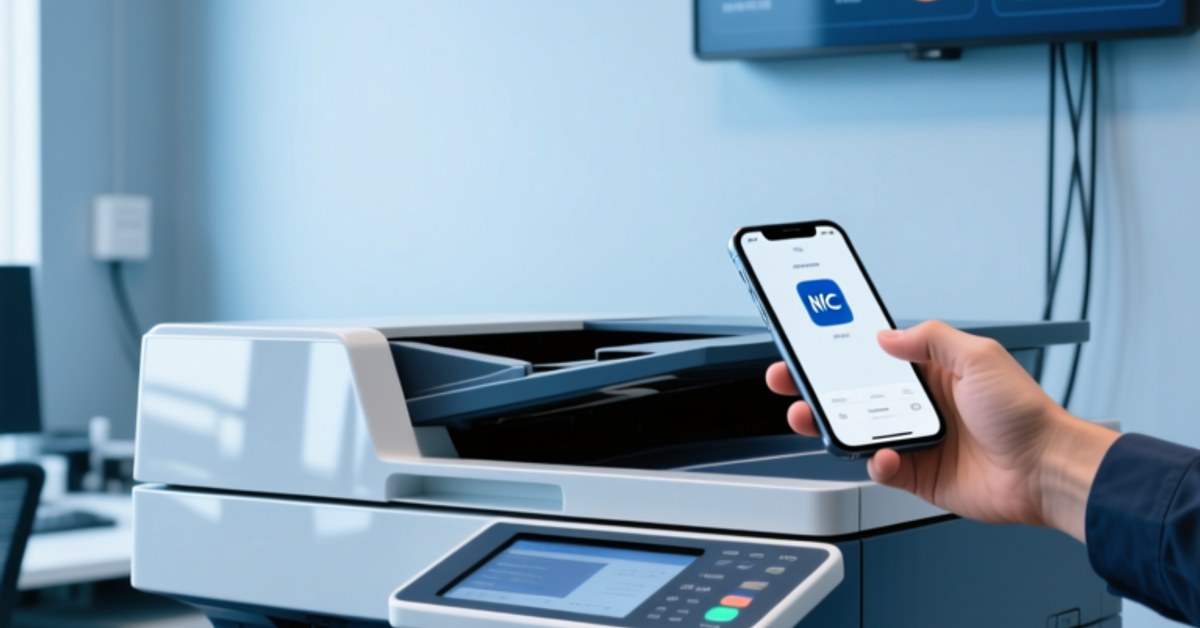
Non. Compatible NFC le plus moderne téléphones intelligents peut lire les balises NFC standard sans application supplémentaire (IOS 14+ ou Android 5.0+). Le navigateur natif du téléphone ouvre automatiquement l'URL DPP en appuyant sur.
FAQ
Quelle est la différence entre les codes NFC et QR pour DPP?
Les deux peuvent porter une URL. Cependant, NFC offre une expérience Tap-and-Go, peut inclure une authentification cryptographique pour empêcher le clonage, et est plus robuste dans les environnements faiblement éclairés ou sales. Contrairement aux codes QR, l'identifiant unique d'une balise NFC ne peut pas être copié, offrant des avantages anti-contrefaçon inhérents.
Le NFC DPP est-il conforme à l'UE ESPR ??
L'ESPR n'exige pas une technologie de support spécifique; il nécessite que le passeport produit soit accessible via un support de données. Balises NFC, lorsqu'il est lié à une plateforme DPP conforme aux normes, répondre pleinement aux exigences du règlement en matière d’accessibilité des données.
Combien coûte la mise en œuvre de NFC DPP par produit?
Les coûts varient selon le type d'étiquette et le volume. Les autocollants NFC de base peuvent coûter moins cher que $0.05 en grande quantité, tandis que les balises sécurisées avec cryptage peuvent être légèrement plus. Le retour sur investissement global est positif si l’on considère la réduction de la contrefaçon, recyclage amélioré, et une confiance accrue dans la marque.
Les balises NFC peuvent-elles être réutilisées pour les mises à jour DPP?
Oui, si la mémoire du tag est configurée pour permettre les opérations de réécriture. Cependant, pour les scénarios inviolables, nous vous recommandons d'écrire une URL permanente et de gérer toutes les mises à jour via le DPP hébergé dans le cloud, qui peut être continuellement mis à jour sans modifier la balise.
Les consommateurs ont-ils besoin d'une application spéciale pour lire les DPP NFC?
Non. La plupart des smartphones compatibles NFC modernes peuvent lire les balises NFC standard sans application supplémentaire (IOS 14+ ou Android 5.0+). Le navigateur natif du téléphone ouvre automatiquement l'URL DPP en appuyant sur.
Prêt à créer votre passeport produit numérique compatible NFC?
Contact Technologie NFCWORK aujourd'hui pour discuter de vos besoins en matière de conformité européenne ESPR. Notre RFIDHY La gamme de produits offre une gamme complète de Balises NFC, incrustations, et solutions d'encodage adapté aux environnements de fabrication. Obtenez une consultation gratuite et un exemple d’évaluation pour démarrer votre feuille de route DPP sur la bonne voie.