Pourquoi la puce NFC est importante pour votre solution B2B
Pour les OEM, intégrateurs de systèmes, et les acheteurs d'entreprise, le petit Puce NFC au coeur d'un tag, étiquette, ou le bracelet détermine non seulement la portée et la vitesse de lecture, mais également la sécurité des données, compatibilité des formats, et traçabilité de la chaîne d'approvisionnement. Choisir le mauvais circuit intégré peut entraîner des échecs d'interopérabilité sur le terrain, mémoire insuffisante pour vos données d'application, ou des fonctionnalités anti-contrefaçon manquantes. Ce guide compare cinq semi-conducteurs NXP couramment trouvés dans les produits NFC commerciaux, vous aidant à aligner la sélection des puces sur les exigences du projet.
Présentation de la puce: Familles NTAG et ICODE
La famille NTAG suit le type de forum NFC 2 et Type 4 caractéristiques, assurant une large compatibilité avec tous les appareils compatibles NFC téléphones intelligents et les lecteurs. NTAG optimisé pour la mémoire 213, 215, et 216 servir à des tâches NFC à usage général. NTAG 424 DNA ajoute l'authentification cryptographique AES-128 et Secure Unique NFC (SOLEIL) messagerie pour la protection de la marque. ICODE (spécifiquement ICODE SLIX et ICODE DNA) appartient à l'ISO 15693 norme de proximité, offrant une portée de lecture plus longue et une forte anti-collision; c'est la base privilégiée pour les applications industrielles RFID et de bibliothèque où plusieurs étiquettes doivent être inventoriées rapidement.
Comparaison détaillée des fonctionnalités
>
| Ébrécher | Mémoire utilisateur | Sécurité & Fonctionnalités spéciales | Standard | Cas d'utilisation les mieux adaptés |
|---|---|---|---|---|
| NTAG 213 | 144 octets | 32-mot de passe binaire, signature d'originalité (CEC) | Type de forum NFC 2 | Redirection URL, affiches intelligentes simples, informations de base sur le produit |
| NTAG 215 | 504 octets | 32-mot de passe binaire, signature d'originalité | Type de forum NFC 2 | Passeport produit numérique profils, jeu, enregistrements NDEF de capacité moyenne |
| NTAG 216 | 888 octets | 32-mot de passe binaire, signature d'originalité | Type de forum NFC 2 | Diffusion de contenu riche, documentation détaillée du produit, emballage intelligent |
| NTAG 424 ADN | 416 octets | Cryptage AES-128, CMAC, Mise en miroir du SOLEIL, système de fichiers configurable, mode de confidentialité | Type de forum NFC 4 | Anti-contrefaçon, authentification sécurisée, validation des articles de luxe, billetterie d'événements |
| ICODE SLIX / ADN ICODE | 112 octets (SLIX) / 440 octets (ADN) typique | UID, EAS, AES en option (ADN), anti-collision rapide, longue plage de lecture | OIN 15693 | Suivi des actifs, gestion de bibliothèque, inventaire industriel, étiquetage des dispositifs médicaux |
Comment faire correspondre les chips à votre catégorie de produits
Une fois que vous avez affiné le CI, il faut quand même le bon format physique. NFCTRAVAIL, RFIDHY, RFIDTAGHY, et WRISTBANDHY proposent des produits finis construits sur ces puces. Utilisez le tableau ci-dessous pour mapper rapidement une puce à une catégorie de produits correspondante de notre portefeuille..
>
| Domaine d'application | Puce recommandée | Catégorie de produit appropriée | Site source |
|---|---|---|---|
| Partage d'URL de base ou de carte de visite numérique | NTAG 213 | Cartes de visite NFC, Autocollants NFC | nfcwork.com |
| Passeport produit numérique ou charge de données moyenne | NTAG 215 | Balises NFC, Incrustations NFC pour vêtements | nfcwork.com |
| Emballage de contenu riche et engagement des consommateurs | NTAG 216 | Autocollants NFC, Étiquettes NFC pour emballages intelligents | rfidhy.com, nfcwork.com |
| Authentification et anti-falsification des marques de luxe | NTAG 424 ADN | Tags NFC pour articles de luxe, Incrustations NFC avec protection d'originalité | nfcwork.com, rfidtaghy.com |
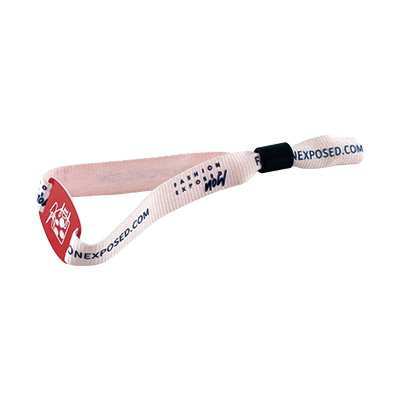
| Bracelets événementiels sans contact avec accès sécurisé | NTAG 215 / NTAG 424 ADN | Bracelets NFC, Bracelets en silicone NFC | bracelethy.com |
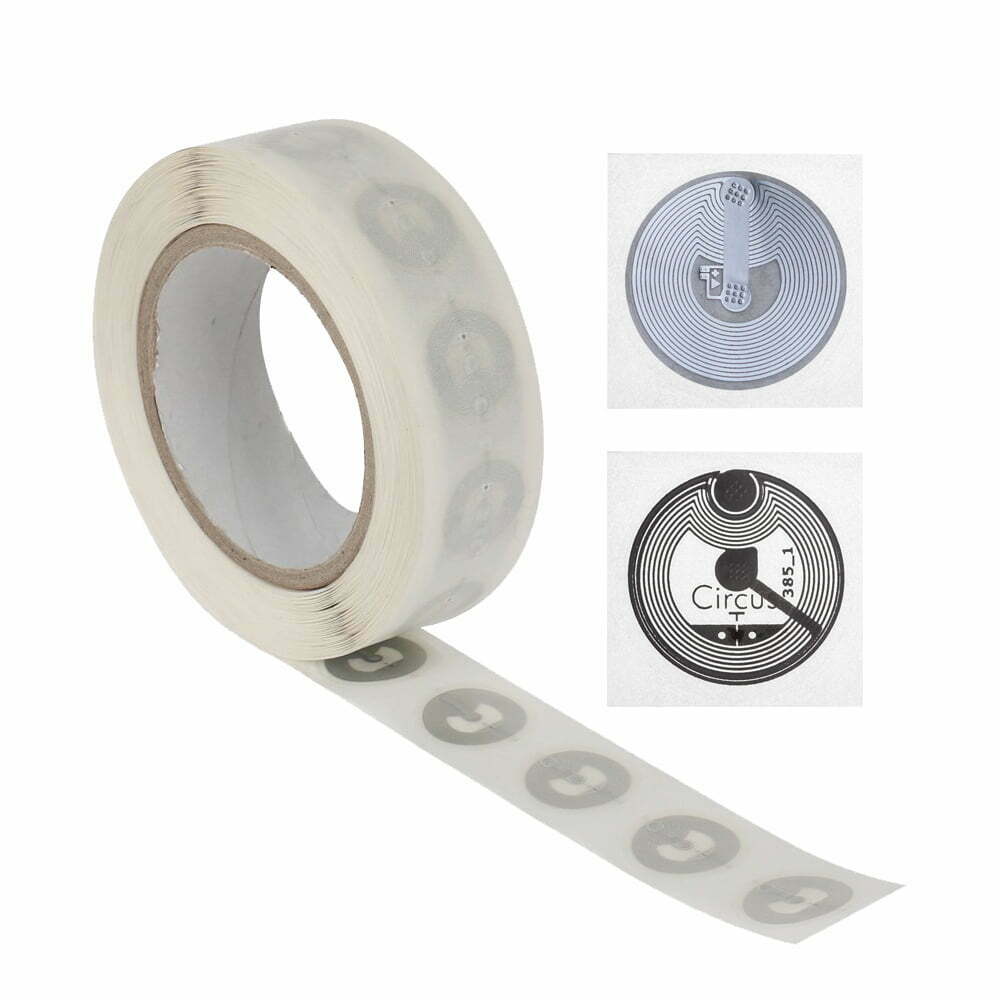
| Suivi des actifs industriels et des stocks | ICODE SLIX | Étiquettes RFID, Étiquettes RFID, haute température Étiquettes RFID | rfidtaghy.com, rfidhy.com |
Prendre la décision finale
Commencez par la couche application: quelles données vont sur l'étiquette? Le chiffrement de bout en bout est-il obligatoire? Les lecteurs seront-ils des téléphones grand public (Forum NFC) ou infrastructure RFID dédiée (OIN 15693)? NTAG 213, 215, et 216 offrir une interopérabilité fluide dans les cas d’utilisation centrés sur les smartphones. NTAG 424 L'ADN est la référence lorsque la confiance dans la marque et l'intégrité des données ne peuvent être compromises. ICODE intervient dans les environnements de numérisation en masse et industriels où la vitesse de lecture et la distance comptent plus que l'écoute sur smartphone.. En alignant les spécifications de la puce sur le format de sortie, qu'il s'agisse d'un Incrustation NFC, Bracelet NFC, ou Étiquette RFID—vous assurez une fiabilité, solution optimisée en termes de coûts.
1. Un smartphone peut-il lire les puces NTAG et ICODE?
Le plus moderne téléphones intelligents lire nativement NTAG (Conforme au forum NFC) mais ne lis pas l'ISO 15693 (ICODE) sans application dédiée ni lecteur externe. Pour l'interaction avec les smartphones des consommateurs, NTAG est le bon choix.
2. De quelle taille de mémoire ai-je vraiment besoin?
Une URL ou un simple enregistrement de texte s'intègre 144 octets (NTAG 213). Un passeport produit numérique avec tous les attributs peut nécessiter 504 octets (NTAG 215) ou plus. NTAG 216 donne de la marge pour un contenu riche. Choisissez en fonction du message NDEF maximum requis par votre application.
3. Est-ce que NTAG 424 L'ADN toujours nécessaire à la sécurité?
Pas toujours. C'est essentiel lorsque vous avez besoin d'une authenticité cryptographiquement vérifiable et d'une mise en miroir des données dynamiques.. Pour une mémoire de base protégée par mot de passe, NTAG 213-216 peut suffire. NTAG 424 DNA ajoute le cryptage AES-128 et SUN, ce qui le rend idéal pour la lutte contre la contrefaçon.
4. Où puis-je me procurer des étiquettes finies sur ces puces?
NFCTRAVAIL, RFIDHY, RFIDTAGHY, et WRISTBANDHY proposent tous des produits NFC et RFID construits sur les puces couvertes ici. Vous pouvez demander une consultation pour votre puce spécifique, facteur de forme, et les besoins en volume.
Prêt à choisir le bon Puce NFC pour votre prochain projet? Notre équipe chez NFCWORK Technology vous aide à naviguer dans la sélection des puces, conception d'antenne, et encodage des produits. Explorez notre Gamme de produits NFC ou Contactez-nous pour discuter de votre cahier des charges. Nous fournissons des échantillons et des prix de volume sur NTAG 213, 215, 216, 424 ADN, et balises basées sur ICODE, incrustations, et des bracelets.