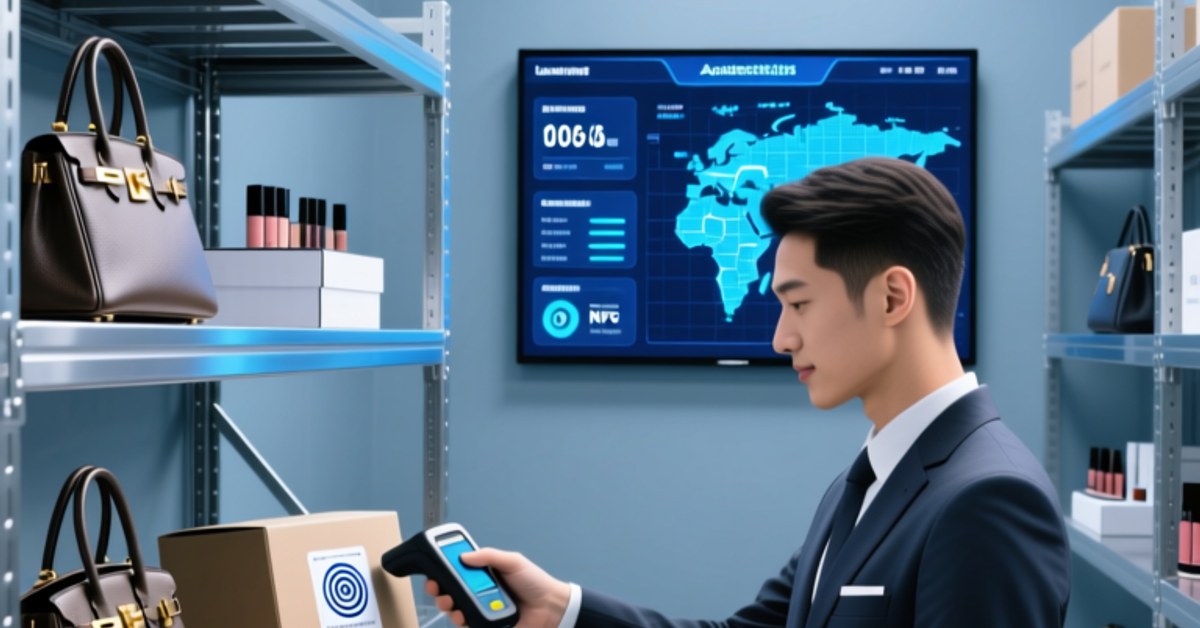
Comment démarrer avec la lutte contre la contrefaçon NFC: Du pilote à l’échelle
Les produits contrefaits coûtent plus cher aux marques $1.7 mille milliards par an – érosion des marges, nuire à la confiance, et exposer les clients à des produits dangereux. La technologie NFC offre une sécurité, évolutif, et une voie conviviale vers la protection de la marque. Chez Technologie NFCWORK, nous aidons les entreprises à mettre en œuvre Authentification basée sur NFC ancré dans une infrastructure du monde réel, matériel éprouvé, et des résultats mesurables. Ce guide vous guide à travers chaque phase — de l'évaluation initiale au déploiement complet de l'écosystème — en utilisant uniquement des, solutions prêtes pour la production de RFIDHY et NFCTRAVAIL.
Étape 1 — Définissez votre cas d'utilisation
Commencez par identifier vos gammes de produits les plus à risque: vêtements de luxe, cosmétiques haut de gamme, médicaments, ou des appareils électroniques de grande valeur. Calculer les revenus à risque à l'aide des taux de rendement historiques, données de saisie douanière, et rapports régionaux sur la fraude dans le commerce électronique. Définissez des indicateurs de réussite clairs, par exemple: 80% taux de réponse dans 30 jours de vente, 95% réduction des plaintes vérifiées pour contrefaçon, et 15% augmentation des enregistrements de garantie post-authentification.
Étape 2 - Sélectionnez la bonne balise
Le choix des balises dépend des besoins de sécurité, volume, et contexte d'intégration. Toutes les options recommandées sont disponibles sur nos sites partenaires:
>
| Type de balise | Idéal pour | Disponible à partir de |
|---|---|---|
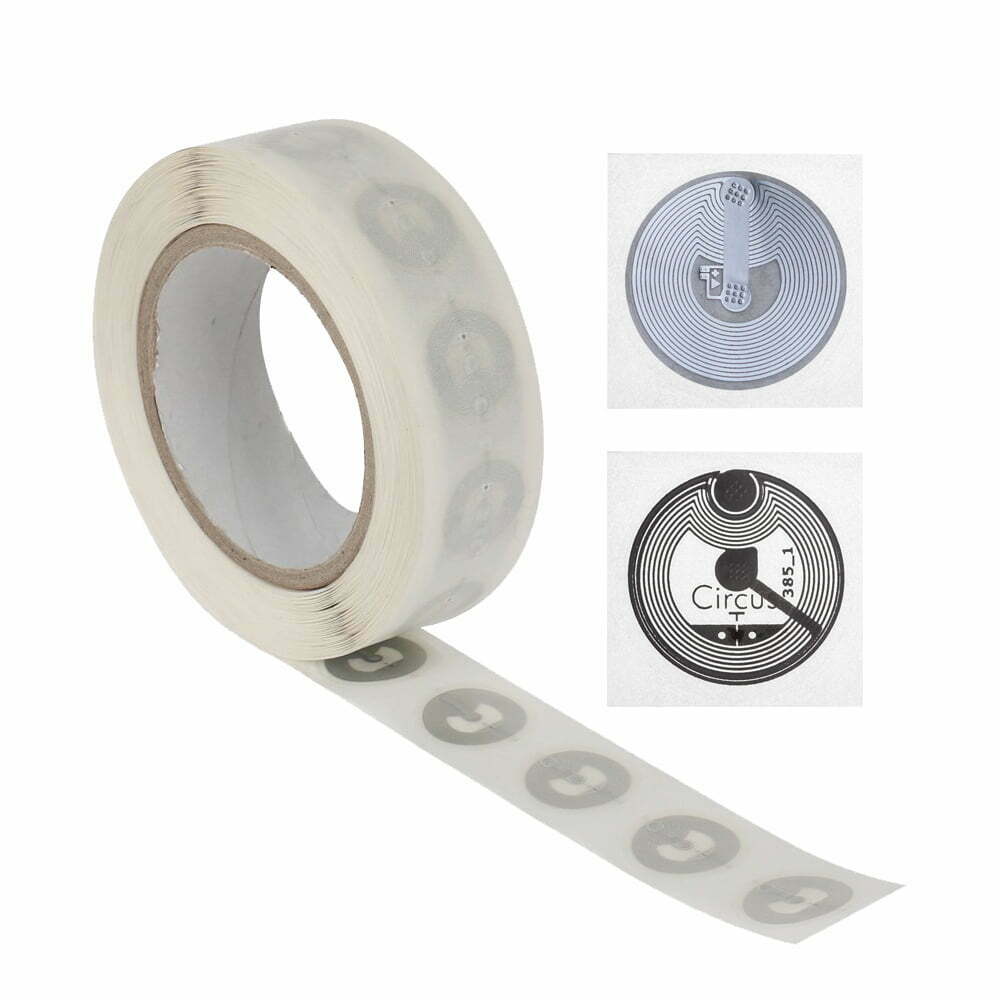
| NTAG 424 ADN (AES-128 SOLEIL) | Articles de luxe nécessitant une vérification cryptographique et une preuve d'inviolabilité | RFIDHY Incrustations NFC & Autocollants NFC |
| NTAG 213 / NTAG 216 | Biens de consommation à grand volume nécessitant un bon rapport coût-efficacité, authentification fiable | Étiquettes NFCWORK NFC & Incrustations NFC |
| NTAG 226 | Produits nécessitant des expériences multimédia riches (Par exemple, histoires d'origine vidéo) | Cartes de visite NFCWORK NFC & étiquettes intelligentes |
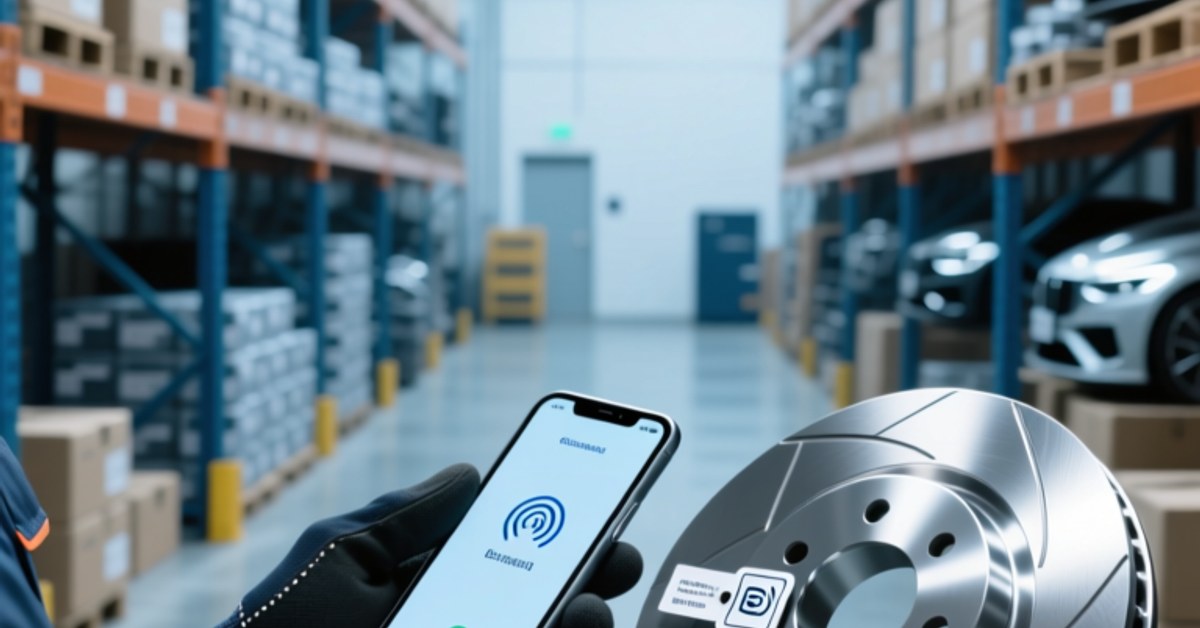
| ICODE SLIX | Visibilité de bout en bout de la chaîne d'approvisionnement + authentification au détail | RFIDHY HF Étiquettes RFID & lecteurs |
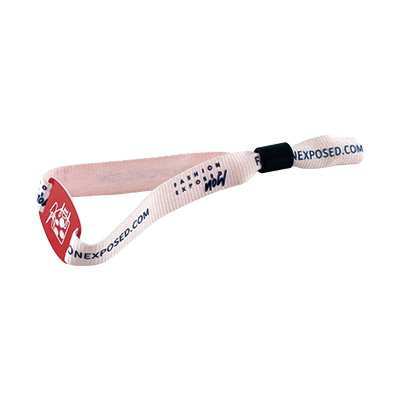
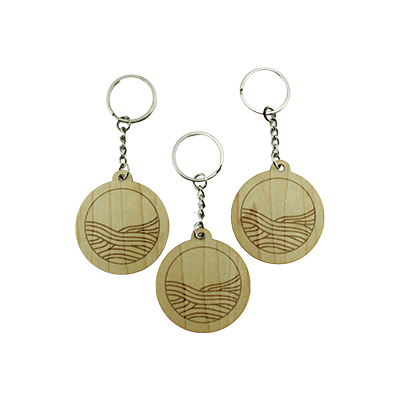
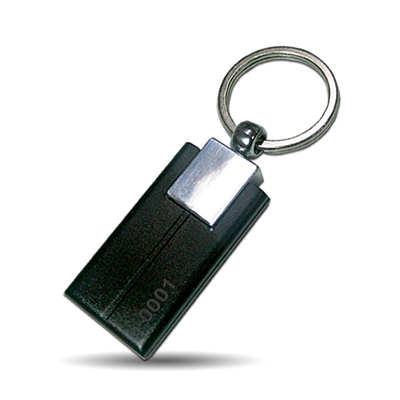
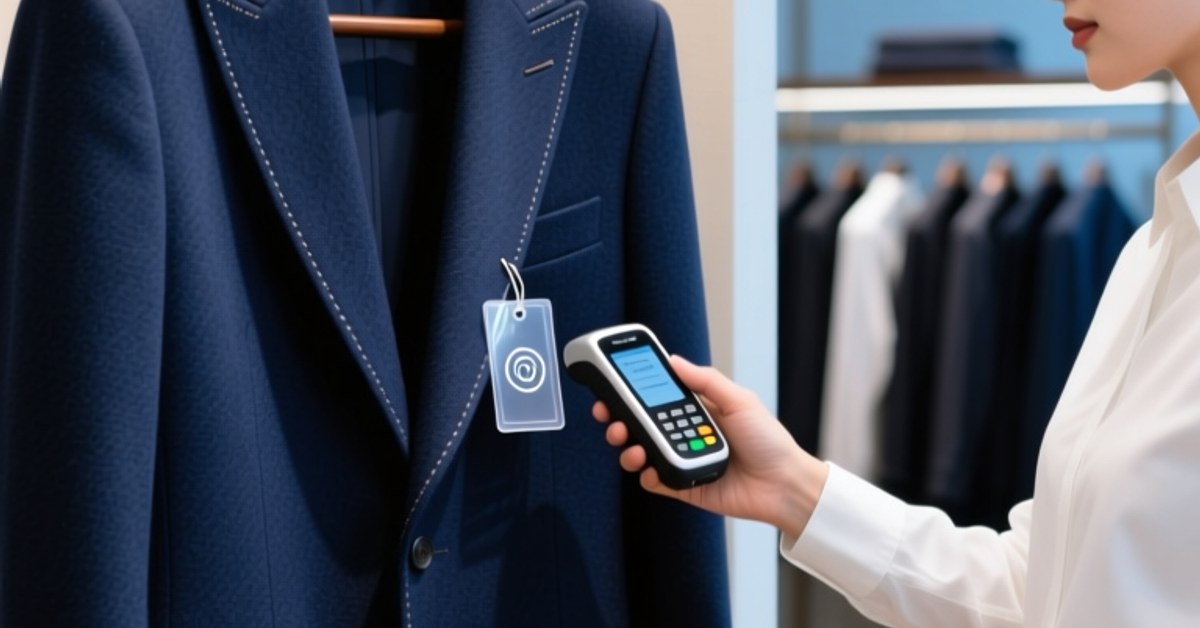
Les facteurs de forme incluent l'adhésif Autocollants NFC, inserts thermoscellables pour emballages, étiquettes volantes, et étiquettes en tissu cousues - toutes disponibles via NFCTRAVAIL.
Étape 3 — Concevoir l'expérience consommateur
Choisissez entre un clic sans application (Redirection d'URL native iOS) ou une application compagnon de marque en marque blanche (Identification portable intelligente NFCWORK la plateforme prend en charge cela). Chaque page de destination doit inclure: confirmation d'authentification, histoire de provenance du produit, enregistrement de la garantie, et partage social - le tout construit à l'aide de notre Passeport produit numérique modèles.
Étape 4 — Exécuter un pilote contrôlé
Déployez 5 000 à 10 000 balises sur un SKU phare pendant 4 à 6 semaines. Piste: taux de prise, conversion en enregistrement, alertes contrefaçon déclenchées, et des retours qualitatifs. Utiliser RFIDHY lecteurs NFC portables pour la validation sur le terrain et Smartphones compatibles NFC pour les tests consommateurs.
Étape 5 — Analyser & Optimiser
Examiner les analyses de robinetterie par zone géographique et type d'appareil. Variantes de pages de destination des tests A/B. Affiner le placement des balises en fonction des modèles d'interaction physique (Par exemple, couture des manches vs. étiquette d'entretien). Optimisez le timing d’insertion dans les lignes de conditionnement en utilisant RFIDHY stations d'encodage de qualité industrielle.
Étape 6 — Mise à l'échelle
Étendre au catalogue complet. Intégrer les données des balises dans l'ERP (SÈVE, Oracle) et CRM (Salesforce) via les API RESTful. Déployez des pages de destination multilingues et intégrez des tableaux de bord en temps réel à l'aide de Gestion intelligente NFCWORK analytique.
Étape 7 — Construire l'écosystème
Connectez-vous aux passerelles API douanières pour la vérification aux frontières. Activer l'authentification des objets d'occasion sur les marchés d'occasion. Offrez un accès API aux distributeurs et lancez un programme de partenaires de distribution certifiés, soutenu par RFIDHY partenaires logistiques mondiaux.
Évitez ces pièges courants
- Utilisation de balises non sécurisées sans Secure Unique NFC (SOLEIL) — facilement cloné avec des outils disponibles dans le commerce
- Omettre le repli hors ligne (Par exemple, Sauvegarde du code QR ou shortcode SMS)
- UX incohérente entre les SKU ou les régions
- Traiter le NFC comme une fonctionnalité ponctuelle plutôt que comme une couche d'engagement
Analyse économique: Retour sur investissement réaliste
Coût du pilote: $0.15–0,30$ par jour (y compris l'encodage, essai, et service cloud). Coût d'échelle: $0.08–0,15$ par jour (tarification au volume sur les incrustations et les étiquettes NFC). Le seuil de rentabilité se produit généralement dans 3–6 mois — motivé par des rendements réduits, validation du prix premium, et augmentation des taux de réachat. ROI moyen sur 12 mois: 10-25x.
FAQ
- Ai-je besoin d'une application personnalisée pour l'authentification NFC? Non : iOS et Android prennent en charge nativement Étiquette NFC lecture pour les redirections d'URL. Une application de marque ajoute des fonctionnalités de fidélité et des analyses plus approfondies.
- Quelles balises prennent en charge l'anti-clonage cryptographique? Uniquement NTAG 424 ADN (AES-128 SOLEIL) et ICODE SLIX offrent une protection cryptographique au niveau matériel - disponible via RFIDHY.
- Peut Balises NFC être intégré dans l'emballage lors de la fabrication? Oui — RFIDHY et NFCWORK fournissent des inlays NFC thermoscellés et des inlays humides/secs compatibles avec les lignes d'emballage à grande vitesse.
- Comment puis-je vérifier l'authenticité aux frontières ou aux douanes? Intégrez les API douanières nationales à l’aide de notre CA NFC sécurisée (Autorité de certification) cadre — partie de Authentification certifiée NFC.
- Quelle assistance est disponible pour le déploiement mondial ?? NFCWORK et RFIDHY proposent des partenaires de distribution certifiés dans toute l'UE, Amérique du Nord, et APAC – y compris le déploiement technique, documentation de conformité (CE, FCC, RGPD), et pages de destination en langue locale.
Prêt à lancer votre initiative anti-contrefaçon NFC?
Téléchargez notre gratuit Manuel de mise en œuvre de la lutte contre la contrefaçon NFC, y compris une matrice de sélection de balises vérifiée par le fournisseur, modèle de tableau de bord KPI pilote, et liste de contrôle d'intégration ERP.