導入: デジタル製品パスポートの義務化
の 持続可能な製品のためのエコデザイン規制 (ESPR) 製品の設計方法を再構築しています, 製造された, 欧州連合内で追跡されています. その核心にあるのは、 デジタル製品パスポート (DPP) – ライフサイクル全体にわたって製品固有のデータを保持するデジタル記録. メーカー向け, EU ESPR要件を満たすことは、単なる規制上のチェックボックスではありません; サプライチェーンの透明性を高める戦略的な機会です, 循環型ビジネスモデルを可能にする, 消費者の信頼を築きます.
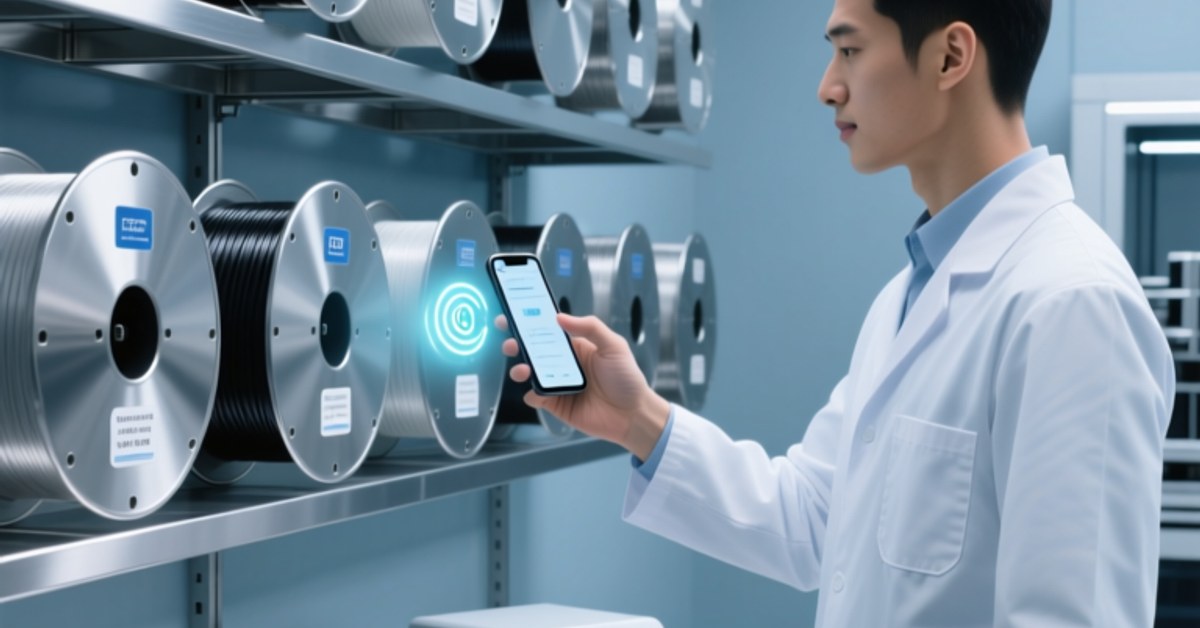
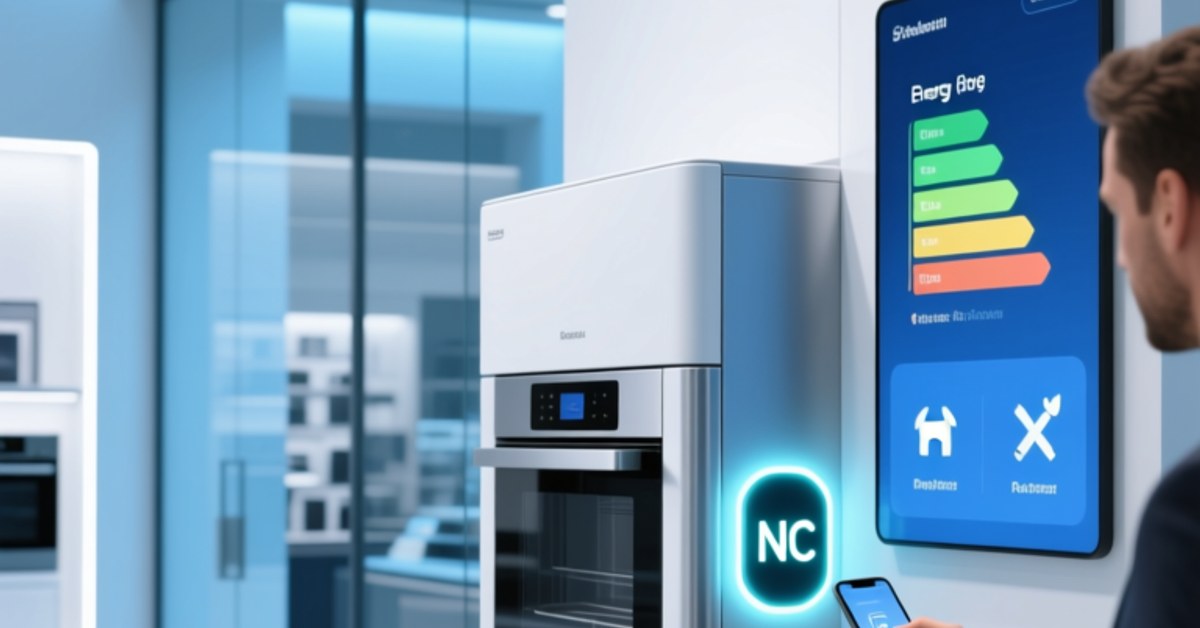
このロードマップは次のことに重点を置いています NFC 対応 DPP 実践として, 費用対効果の高い, スケーラブルなコンプライアンス ソリューション. 近距離無線通信タグを製品またはパッケージに直接埋め込むことによって, メーカーはスマートフォンをタップするだけで DPP に即座にアクセスできるようになります。. 複雑なスキャンインフラストラクチャは必要ありません, 特にアパレルなどの業界に適しています, エレクトロニクス, 家具, そして電池の生産.
EU ESPR のタイムラインと範囲を理解する
ESPRは3月に提案された 2022 との間で完全に発効すると予想されます。 2024 そして 2027, 特定の製品グループに対する委任行為が段階的に展開されます. 第一波には電池も含まれる, 織物, そしてエレクトロニクス. EUに輸出するメーカーは、市場アクセスの混乱を避けるために今から準備をする必要がある.
>
| マイルストーン | 予想されるタイムライン | メーカーへの影響 |
|---|---|---|
| ESPRが発効 | 2024–2025年 | 確立された法的根拠; 委任行為が始まる |
| バッテリーDPP必須 | 2027 | すべての産業用バッテリーとEVバッテリーにはデジタルパスポートが必要です |
| テキスタイル & エレクトロニクスDPP | 2027–2028年 | 急速に変化する消費財に対する段階的な施行 |
| 全範囲をカバー | 2030+ | ほとんどの製品カテゴリーがカバーされる可能性が高い |
NFC DPP テクノロジーの早期導入により、メーカーはデータ収集プロセスを改善できるようになります, サプライチェーンパートナーを訓練する, 期限よりかなり前に今後の委任行為に合わせて調整します.
DPP テクノロジー スタック: NFC が適合する場所
デジタル プロダクト パスポート システムには多層のテクノロジー スタックが必要です. 以下の表は、各層と NFC テクノロジーがデータ キャリア レベルでどのように統合されるかを概説しています。.
>
| 層 | 説明 | NFCの役割 |
|---|---|---|
| 固有の識別 | 各製品はグローバルに一意の識別子を受け取ります (UID) | NFCタグ 変更できない工場出荷時にプログラムされた UID を埋め込む, 製品の不変デジタル指紋として機能します |
| データキャリア | 製品とデジタル記録を結び付ける物理媒体 | NFCタグ/NFCインレイ 製品またはパッケージに直接取り付けられている, 非接触アクセスを有効にする |
| データ管理 | クラウドまたはブロックチェーンベースの DPP リポジトリ | NFC タグ メモリには、クラウド ホスト型 DPP を指す解決可能な URL を保存できます; 暗号化オプションが利用可能 |
| アクセスインターフェース | 関係者がデータを読み書きする方法 | 消費者と監査人は NFC 対応のスマートフォンを使用します; 産業用リーダーは一括検証を処理します |
| 安全 & 信頼 | 認証と整合性のメカニズム | NTAGなどのNFCチップ 424 DNAによる相互認証と暗号化通信が可能 |
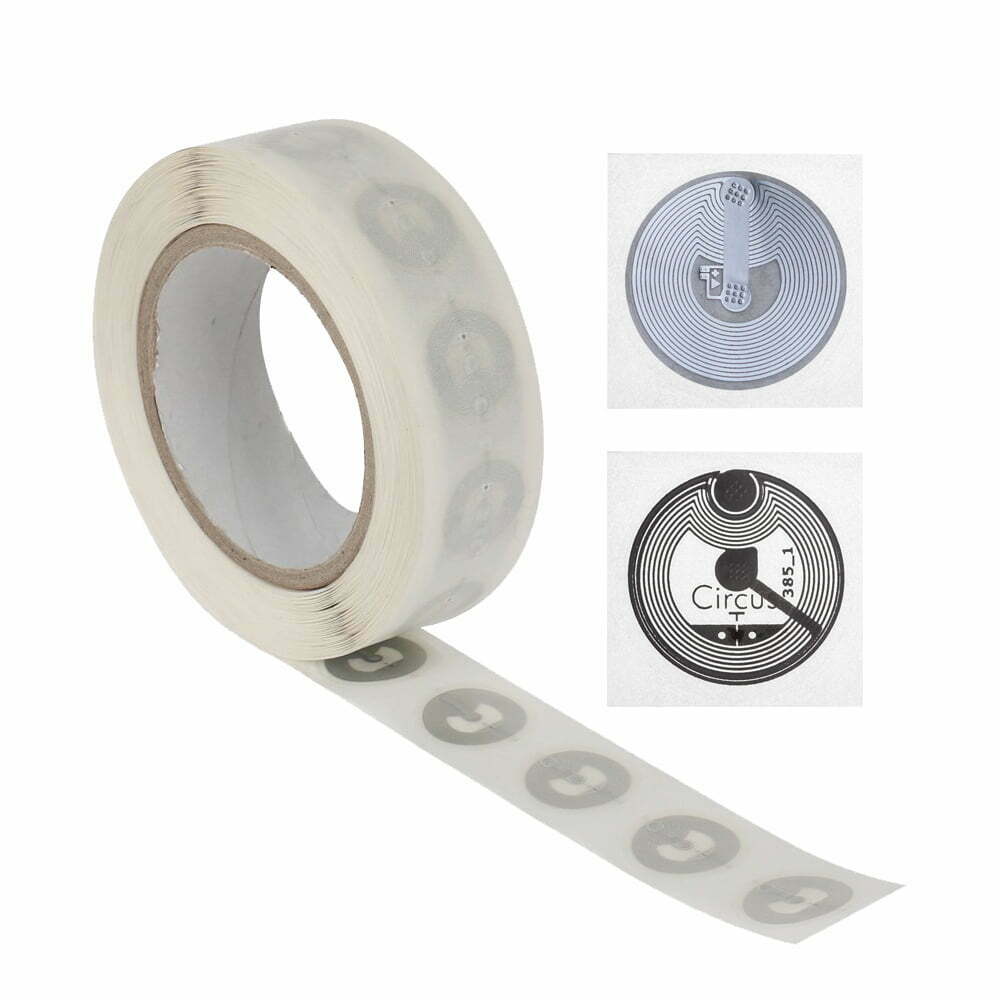
で NFCWORK, メーカーが DPP アプリケーションに適した NFC タグを標準から選択できるよう支援します。 NFCステッカー 頑丈に アンチメタルNFCタグ 産業環境用.
ステップバイステップの NFC DPP 実装ガイド
準拠した DPP の実装は、4 つの明確なフェーズに分けることができます。. このロードマップに従って、運用の中断を最小限に抑えながら NFC テクノロジーを統合します。.
段階 1: 製品データのマッピングと DPP アーキテクチャ
- 製品カテゴリのすべての EU ESPR 必須データ フィールドを特定する (材料, リサイクルされたコンテンツ, 二酸化炭素排出量, 修理手順, 要件の処理).
- DPP データ モデルを定義します – 製品の識別とデータ共有について GS1 標準を考慮します.
- データがクラウド プラットフォームに存在するかどうかを決定する, ブロックチェーン, またはハイブリッド アーキテクチャ. システムが製品ユニットごとに一意のリゾルバー URL を割り当てられるようにする.
- DPP 視覚化レイヤーの設計 - 消費者とパートナーがパスポート データをどのように表示し、操作するか?
段階 2: NFC タグの選択とエンコーディング戦略
最適な NFC タグを選択することが重要です. 主な考慮事項は次のとおりです。:
- メモリサイズ: URL のみの DPP の場合, 144 バイト (NTAG 213) 十分です; 補足データをオフラインで保存するため, 考慮する 888 バイト (NTAG 216). セキュリティ指向のアプリケーションは NTAG の恩恵を受けます 424 AES暗号化を使用したDNA.
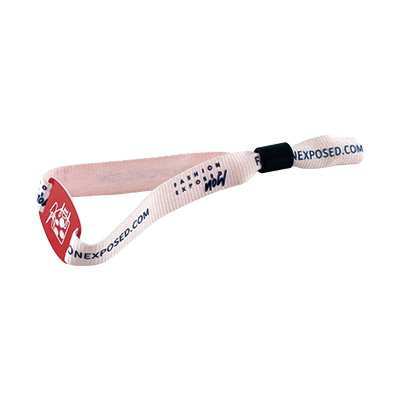
- フォームファクター: NFCステッカー, NFCウェットインレー, または NFCシリコンリストバンド 製品の表面と使用例に応じて. 金属資産の場合, 選ぶ アンチメタルNFCタグ.
- 環境耐久性: 産業環境の需要 防水・耐熱NFCタグ.
- エンコーディング: 各タグに一意のリゾルバー URL をプログラムする, 読み取り専用にロックする, オプションでデジタル署名を追加します.
段階 3: 製造の統合とサプライチェーンの展開
- NFC タグのエンコーディングを既存の生産ラインに統合 – エンコーディング装置をラベル付けステーションとインラインで設置可能.
- スケーラブルなソリューションの範囲は次のとおりです。 デスクトップ NFC リーダー 少量から高速まで 産業用RFIDモジュール 1時間あたり数千のタグをエンコード可能.
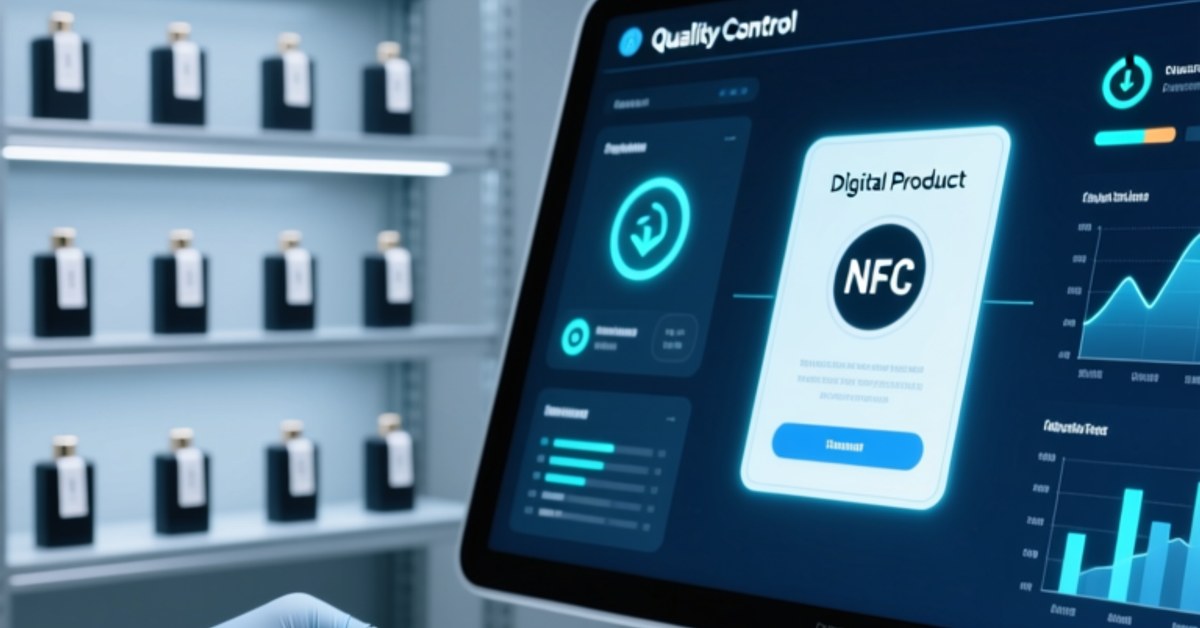
- 出荷前にすべてのタグが正しくエンコードされ、読み取り可能であることを検証する品質ゲートを確立します。.
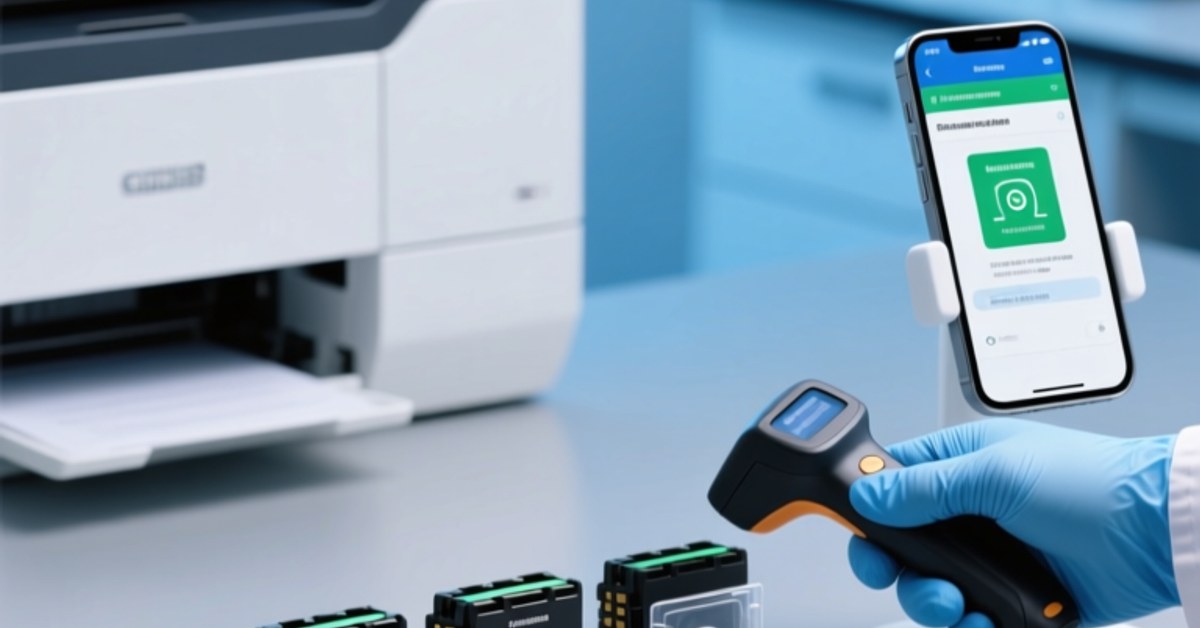
- 関連する DPP フィールドをスキャンして更新する方法についてサプライ チェーン パートナーをトレーニングします。 (例えば。, 物流のマイルストーン, 修理イベント) を使用して ハンドヘルド NFC スキャナ または標準 スマートフォン.
- てこの作用 NFCとブロックチェーンの統合 チェーン全体にわたる改ざん防止のトレーサビリティを実現.
段階 4: 消費者エンゲージメントとライフサイクル管理
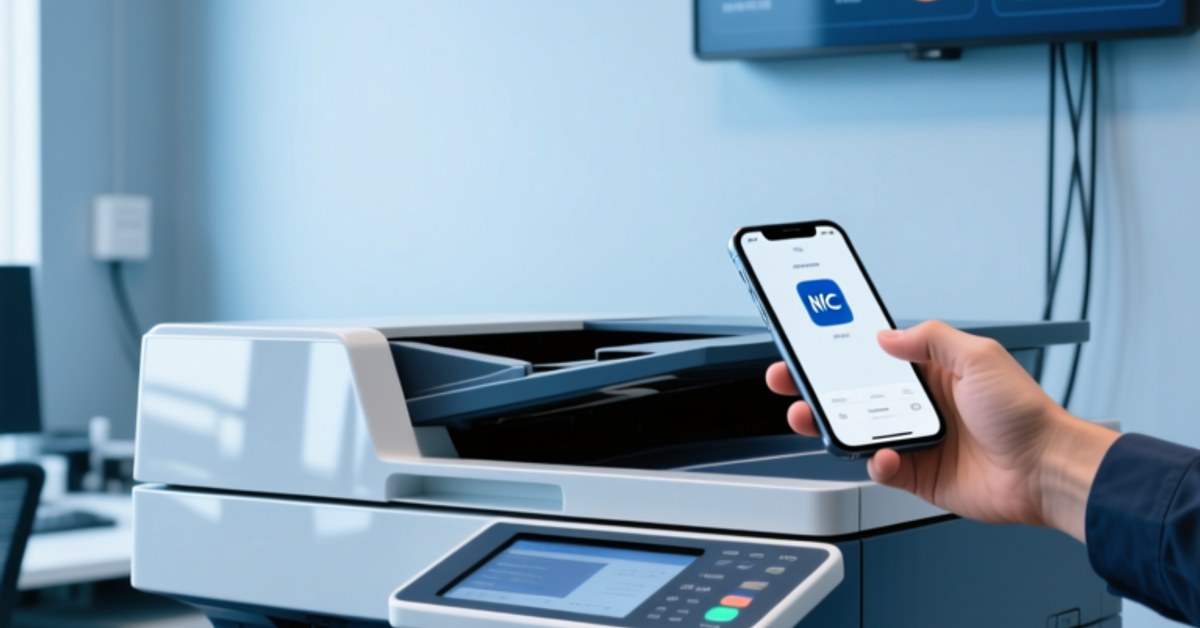
- 消費者は携帯電話で NFC 対応 DPP をタップし、製品情報に即座にアクセスします。, ケアガイド, およびリサイクルオプション. これ フィジタルブリッジ ブランドロイヤルティを高める.
- 販売後のデータ更新を有効にする: サービスプロバイダー, 改修業者, またはリサイクル業者が新しいエントリを DPP に追加することもできます (許可の対象となる) 同じNFCタップポイントを使用.
- DPP の使用状況分析を監視して、製品のライフサイクルと循環性のパフォーマンスについての洞察を得る.
メーカー向けの EU ESPR 準拠チェックリスト
このチェックリストを使用して、DPP の導入手順をガイドしてください。.
>
| コンプライアンス領域 | アクションアイテム | 状態 |
|---|---|---|
| 規制に関する認識 | 製品カテゴリに該当する委任行為を特定する. EU ESPR の更新を監視する. | ☐ |
| データの準備 | 必須の製品データを収集してデジタル化する (材料構成, リサイクルされたコンテンツ, 二酸化炭素排出量). ESAP標準に準拠する. | ☐ |
| ユニークな連載 | 製品ユニットごとにグローバルに一意の識別子を割り当てる. GS1 または認定発行者にプレフィックスを登録する. | ☐ |
| NFCタグの選択 | 製品と環境に適した NFC チップとフォームファクターを選択してください. 耐久性と読み取り範囲を検証する. | ☐ |
| DPP プラットフォーム | EU のデータ主権規則に準拠したクラウド/ブロックチェーン DPP リポジトリを選択または構築します. | ☐ |
| 製造の統合 | NFCエンコーディングを生産ラインに統合. タグの品質チェックを実装する. | ☐ |
| サプライチェーンのオンボーディング | 物流パートナーや小売パートナーにトレーニングと簡単なスキャン ツールを提供する. | ☐ |
| 消費者アクセス | ユーザーフレンドリーなインターフェイスと多言語サポートを備えたスマートフォンのタップで DPP にアクセスできるようにする. | ☐ |
| 耐用年数終了の管理 | DPP を通じてリサイクル データの取得と分解の指示を容易にする. | ☐ |
一般的な実装上の課題を克服する
メーカーは DPP 導入の際に多くのハードルに直面します. NFC テクノロジーがこれらの問題にどのように対処するかを説明します。:
- レガシーシステムの統合: NFC タグは、既存の ERP プラットフォームを全面的に改修することなく導入できます。. シンプルな URL リダイレクトで物理的な製品とデジタルパスポートを橋渡しします.
- データの精度: 製造時点での自動化された NFC エンコードにより、手動によるデータ入力エラーが排除されます.
- 偽造品の懸念: 暗号化認証を備えた NFC チップ (例えば。, NTAG 424 DNA) 本物の製品のみが検証可能な DPP を備えていることを保証する.
- スケーラビリティ: 私たちの RFID/NFCソリューション パイロットプロジェクトから世界的な展開までスケールアップ, 何百万もの製品をカバー.
NFC 対応 DPP で EU ESPR の先を行く
デジタル製品パスポートに NFC テクノロジーを採用することは、もはや将来の検討事項ではありません。これは、EU でビジネスを行うすべてのメーカーにとって、今日の必須事項です。. 技術は成熟している, 費用対効果の高い, 製品の透明性という ESPR のビジョンと本質的に互換性があります. このロードマップに従うことで, 組織はコンプライアンスの不安から市場での差別化を図ることができます.
関連テクノロジーをさらに詳しく知るには, のリソースを探索してください デジタル プロダクト パスポート ソリューション そして NFC ブロックチェーンのトレーサビリティ.
よくある質問
DPP の NFC コードと QR コードの違いは何ですか?
どちらも URL を含めることができます. しかし, NFC はタップアンドゴー体験を提供します, クローン作成を防ぐために暗号化認証を含めることができます, 薄暗い環境や汚れた環境でもより堅牢です. QRコードと違って, NFCタグの固有IDはコピーできません, 本質的な偽造防止の利点を提供する.
NFC DPP は EU ESPR に準拠していますか?
ESPR は特定の通信事業者テクノロジーを義務付けるものではありません; データキャリア経由で製品パスポートにアクセスできる必要があります. NFCタグ, 標準準拠の DPP プラットフォームにリンクされている場合, 規制のデータ アクセシビリティ要件を完全に満たす.
NFC DPP の実装には製品ごとにいくらかかりますか?
料金はタグの種類と量によって異なります. 基本 NFCステッカー 以下のコストで済みます $0.05 大量に, 一方、暗号化された安全なタグはもう少し高いかもしれません. 偽造の減少を考慮すると、全体的な ROI はプラスになります。, リサイクルの改善, ブランドの信頼性を高める.
DPP アップデートに NFC タグを再利用できますか?
はい, タグのメモリが再書き込み操作を許可するように構成されている場合. しかし, 改ざん防止シナリオ向け, 永続的な URL を作成し、クラウドでホストされている DPP 経由ですべての更新を処理することをお勧めします。, タグを変更せずに継続的に更新できる.
消費者が NFC DPP を読み取るには特別なアプリが必要ですか??
いいえ. 最新の NFC 対応 スマートフォン 追加のアプリなしで標準の NFC タグを読み取ることができます (iOS 14+ またはアンドロイド 5.0+). タップすると、携帯電話のネイティブ ブラウザで DPP URL が自動的に開きます。.
よくある質問
DPP の NFC コードと QR コードの違いは何ですか?
どちらも URL を含めることができます. しかし, NFC はタップアンドゴー体験を提供します, クローン作成を防ぐために暗号化認証を含めることができます, 薄暗い環境や汚れた環境でもより堅牢です. QRコードと違って, NFCタグの固有IDはコピーできません, 本質的な偽造防止の利点を提供する.
NFC DPP は EU ESPR に準拠していますか?
ESPR は特定の通信事業者テクノロジーを義務付けるものではありません; データキャリア経由で製品パスポートにアクセスできる必要があります. NFCタグ, 標準準拠の DPP プラットフォームにリンクされている場合, 規制のデータ アクセシビリティ要件を完全に満たす.
NFC DPP の実装には製品ごとにいくらかかりますか?
料金はタグの種類と量によって異なります. 基本的な NFC ステッカーは以下のコストで済みます。 $0.05 大量に, 一方、暗号化された安全なタグはもう少し高いかもしれません. 偽造の減少を考慮すると、全体的な ROI はプラスになります。, リサイクルの改善, ブランドの信頼性を高める.
DPP アップデートに NFC タグを再利用できますか?
はい, タグのメモリが再書き込み操作を許可するように構成されている場合. しかし, 改ざん防止シナリオ向け, 永続的な URL を作成し、クラウドでホストされている DPP 経由ですべての更新を処理することをお勧めします。, タグを変更せずに継続的に更新できる.
消費者が NFC DPP を読み取るには特別なアプリが必要ですか??
いいえ. 最新の NFC 対応スマートフォンのほとんどは、追加のアプリなしで標準の NFC タグを読み取ることができます (iOS 14+ またはアンドロイド 5.0+). タップすると、携帯電話のネイティブ ブラウザで DPP URL が自動的に開きます。.
NFC 対応デジタル製品パスポートを作成する準備ができました?
接触 NFCWORKテクノロジー 今日は EU ESPR コンプライアンスのニーズについて話し合います. 私たちの RFIDHY 製品ラインはあらゆる範囲を提供します NFCタグ, インレー, およびエンコードソリューション 製造環境に合わせてカスタマイズ. 無料のコンサルティングとサンプル評価を利用して、DPP ロードマップを正しい軌道に乗せてスタートしましょう.