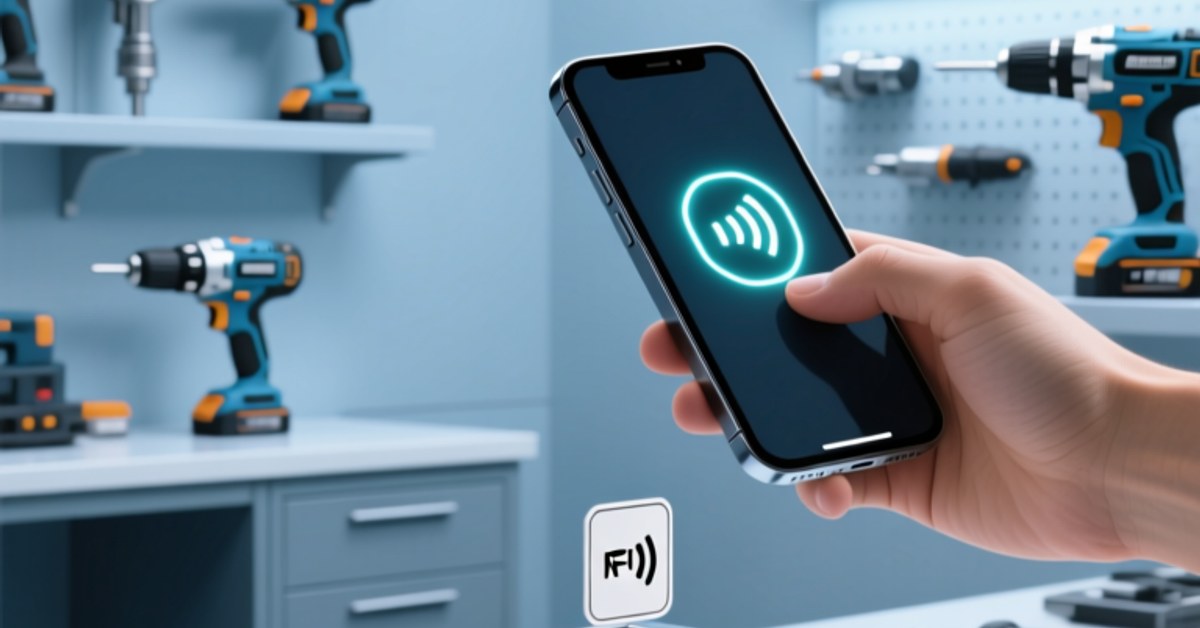
Additive manufacturing has moved from hobbyist workbenches to factory floors, and the materials that feed 3D printers are now a critical link in production quality. Counterfeit or mislabeled filament and resin can clog nozzles, cause failed prints, and even damage expensive industrial printers. For material brands and printer manufacturers, protecting the integrity of consumables is both a quality imperative and a brand promise. NFC and RFID technology offer a practical solution: embedding a tiny tag in every spool or resin container creates a digital thread from production to print bed. This guide explains how NFC for 3D printing consumables works, what data it can carry, and how it supports authentication, automatic settings, storage monitoring, そしてリサイクル.
Why Material Authenticity Matters for 3D Printing Quality and Hardware
3D printing is highly sensitive to material properties. Filament diameter, polymer blend, and moisture content directly affect extrusion consistency, layer adhesion, and mechanical strength. Resin viscosity, cure time, and pigment dispersion determine resolution and surface finish. When a spool is counterfeit or has been stored improperly, the user may blame the printer, the slicer, or their own settings—when the real problem is the material.
ブランド向け, the risks extend beyond individual print failures. A counterfeit filament that performs poorly under your label damages your reputation. In industrial additive manufacturing, material traceability is often required for quality management systems, 航空宇宙, 医学, or automotive applications. Without a reliable authentication mechanism, verifying the origin and condition of a spool is nearly impossible once it leaves the factory.
NFCと RFIDタグ solve this by giving every spool and resin container a unique digital identity. A quick scan with a smartphone or reader confirms authenticity, retrieves the exact material profile, and reveals storage history. This transforms a passive consumable into a smart, connected component of the printing workflow.
How NFC and RFID Tags Work on Filament Spools and Resin Containers
NFC (近いフィールドコミュニケーション) そして rfid (無線周波数識別) are wireless technologies that store and transmit data when a reader is brought close to a tag. In the context of 3D printing consumables, the tag is typically a small, flexible label or inlay attached to the spool hub, the spool edge, or the resin bottle cap. The reader can be a smartphone with NFC, a desktop RFIDリーダー connected to a printer, またはハンドヘルド RFIDリーダー used in a warehouse.
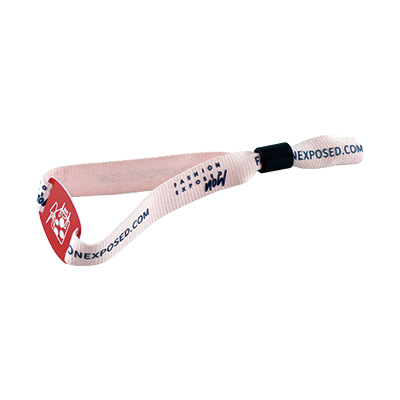
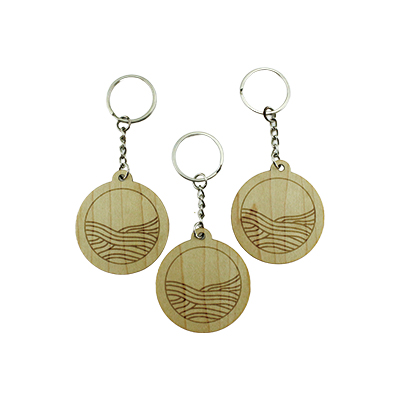
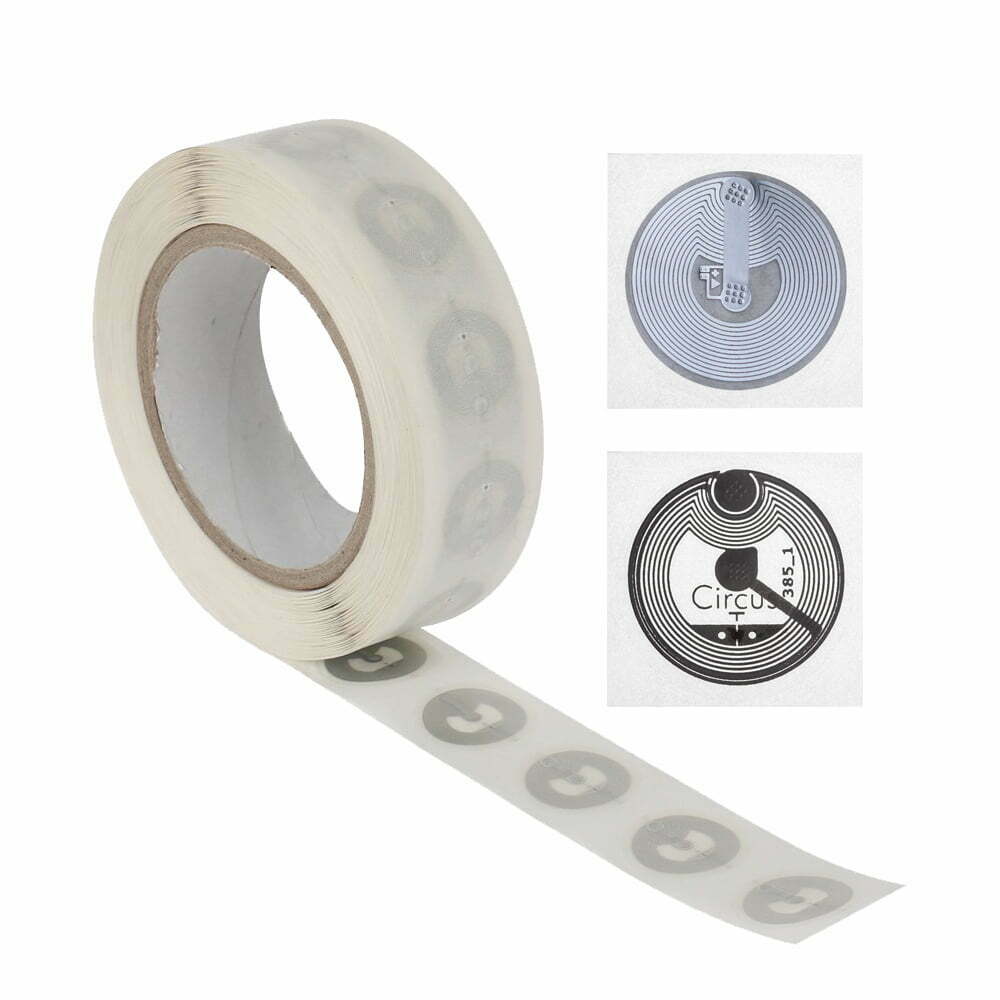
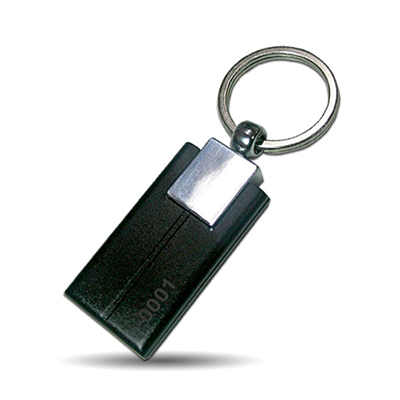
Several tag options are available from RFIDHY およびNFCWORK製品ライン:
- NFCタグ そして NFCステッカー – Ideal for consumer and prosumer spools. They can be read by most modern スマートフォン, enabling makers to verify material with a tap.
- HF RFIDタグ – Operate at 13.56 MHz, compatible with NFC readers, and offer secure, short-range communication.
- UHF RFIDタグ – Provide longer read ranges and can be read in bulk, making them suitable for industrial spool inventory and warehouse management.
- NFCインレイ – Thin, flexible formats that can be embedded directly into a spool or label during manufacturing.
For resin containers, NFC labels or HF RFID tags can be applied to the bottle or cap, surviving exposure to chemicals and moisture. すべての場合において, the tag stores a unique ID and a link to a secure cloud record, where richer data such as batch number, 製造日, and recommended print parameters reside.
Tag Placement and Durability
Placement is critical. On a filament spool, the tag should be positioned where it can be read without unspooling the filament—often on the inner hub or the side of the spool. 産業環境向け, tags must withstand abrasion, temperature fluctuations, and occasional moisture. RFIDHY offers anti-metal RFID tags for spools with metal components, そして NFCステッカー with durable adhesives for resin bottles.
Automatic Material Parameters: Eliminating Guesswork in 3D Printer Material Settings
One of the most immediate benefits of NFC for 3D printing filament is automatic configuration of 3D printer material settings. Every material—PLA, PETG, ABS, TPU, ナイロン, or specialty composites—has an optimal temperature range, flow rate, cooling profile, and retraction setting. Incorrect settings lead to stringing, poor layer bonding, or failed prints.
と NFCタグ on the spool, the printer or slicer can read the material profile and automatically apply the correct parameters. This reduces user error, speeds up material changes, and ensures consistent results across different operators and machines. For industrial additive manufacturing, this automation is essential for repeatability and quality assurance.
The table below shows typical data that can be stored on an NFC tag or linked cloud record for a filament spool:
>
| データカテゴリー | フィールドの例 | 利点 |
|---|---|---|
| Material Identity | Polymer type, 色, diameter, バッチ番号 | Confirms authenticity and correct material selection |
| Print Parameters | Nozzle temp, bed temp, print speed, cooling fan profile | Automatic configuration in slicer or printer |
| Storage History | 製造日, recommended shelf life, 湿気への曝露 | Alerts users to dry filament or expired resin |
| Manufacturing Data | Factory ID, production line, quality check result | Traceability for industrial quality systems |
| Recycling Info | 材料構成, refill instructions, recycling code | Supports circular economy and spool reuse |
Because the tag can be updated or linked to a cloud record, brands can also push revised parameters if a material formulation changes. This creates a dynamic relationship between the material and the printer, far beyond a static label.
Moisture, ストレージ, and Shelf-Life Data: Protecting Filament and Resin
Moisture is the silent enemy of 3D printing. Nylon, TPU, and PETG absorb water from the air, leading to popping, poor surface finish, and weak parts. Resin can also degrade with exposure to light, 熱, or humidity. ブランド向け, providing guidance on storage is helpful, but verifying actual storage conditions is far more powerful.
NFC tags can store or reference moisture exposure data. Some advanced systems use tags with integrated sensors, but even a simple tag can record when a spool was opened and alert users if it has been exposed to high humidity. A smartphone app can read the tag and display a warning: “This spool has been stored in >60% RH用 30 日. Dry before use.”
For resin, the tag can indicate shelf life and recommended storage temperature. When a user scans the container, they receive a clear status: fresh, nearing expiry, or expired. This reduces waste from using degraded material and protects print quality.
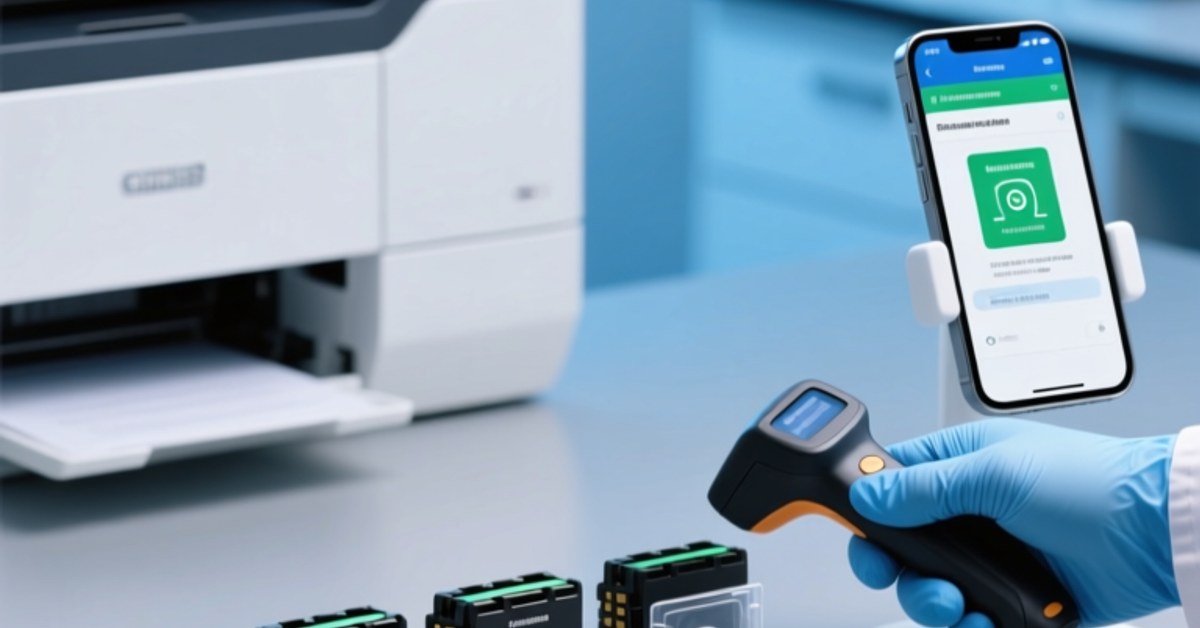
産業環境で, a handheld RFID reader can quickly scan entire shelves of spools to identify which ones need drying or should be prioritized for use. This turns storage management from a manual guess into a data-driven process.
Spool Refill, リサイクル, and the Circular Economy
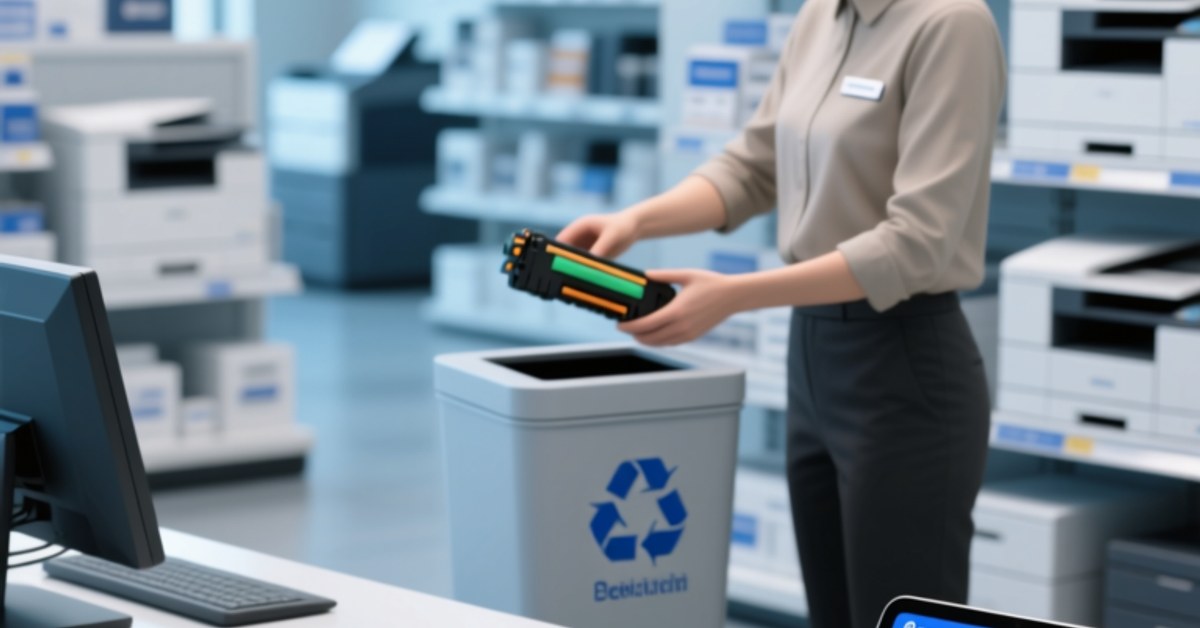
The 3D printing industry generates significant plastic waste from empty spools and partially used filament. NFC technology can support refill and recycling programs by tracking spool lifecycle. A reusable spool with an NFC tag can be scanned at a refill station to verify compatibility and update its digital record with new material data.
For brands offering spool refills, NFC ensures that only genuine spools are used, protecting both the printer and the brand’s quality standards. When a spool reaches end of life, the tag can carry recycling instructions and material composition, helping users dispose of it correctly. In some regions, deposit-return schemes for spools can be managed via NFC, with each scan logging the return and triggering a credit.
This circular approach reduces waste and strengthens customer loyalty. It also aligns with emerging regulations such as Digital Product Passports, which require detailed lifecycle data for products sold in the EU.
Brand Protection Across Marketplaces and Distribution Channels
Counterfeit 3D printing consumables are a growing problem on online marketplaces. A fake spool may look identical to a genuine one, but its material composition and performance are unknown. ブランド向け, this erodes trust and revenue. NFC authentication provides a simple, scalable defense.
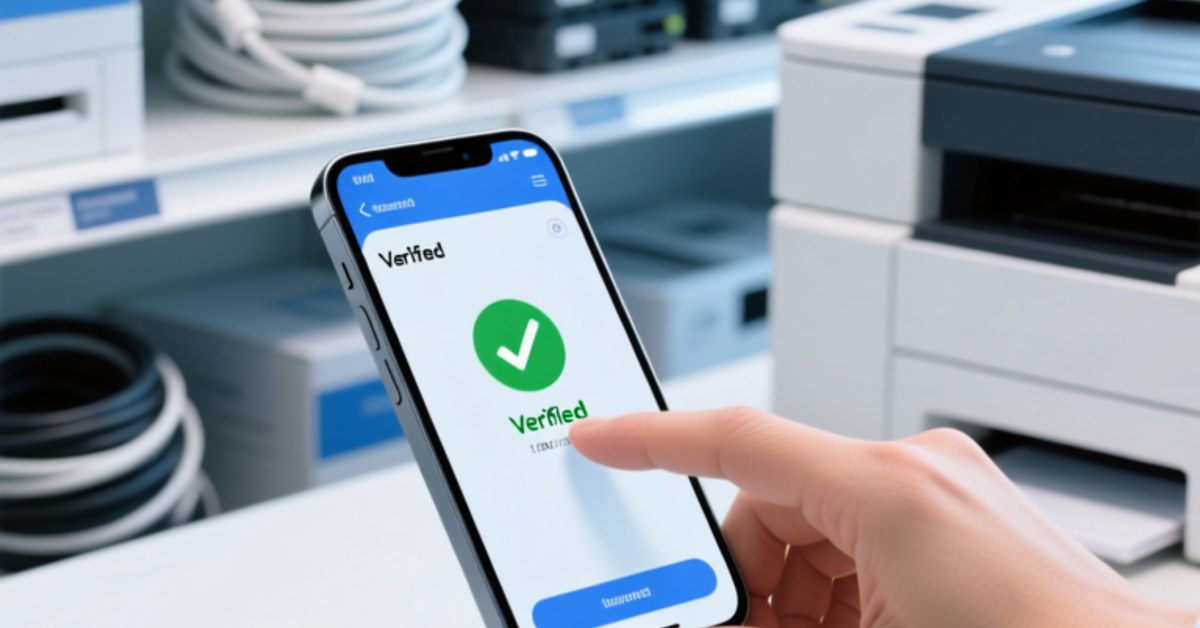
Each genuine spool carries a unique NFC tag. When a user scans it with a smartphone, the tag’s digital signature is verified against the brand’s secure database. If the tag is missing, cloned, or invalid, the app displays a clear warning. This empowers customers to verify purchases instantly, whether they bought from an authorized reseller or a marketplace.
Brands can also use NFC to track distribution. A scan at the point of sale or during a support request reveals the product’s origin and batch, helping identify unauthorized channels. For industrial buyers, NFC authentication ensures that critical additive manufacturing consumables meet specification, reducing the risk of costly production failures.
RFIDHY offers NFC tags and RFID labels designed for authentication, including tamper-evident formats that cannot be removed and re-applied without damage. Combined with a secure cloud platform, these tags create a robust anti-counterfeiting system.
セキュリティ機能: Preventing Cloning and Tampering
Not all NFC tags are equal when it comes to security. For brand protection, choose tags with cryptographic authentication, 固有のシリアル番号, and optional tamper-evident construction. These features make it extremely difficult for counterfeiters to clone tags or reuse them on fake products. A secure cloud verification system adds another layer, as the tag alone is not enough—the server must confirm the tag’s validity and product association.
Technical Considerations: NFC vs RFID for 3D Printing Consumables
Choosing between NFC and RFID depends on your use case. NFC is ideal for consumer-facing authentication and smartphone interaction. HF RFID offers similar range but can be integrated into industrial readers. UHF RFID excels in warehouse and inventory scenarios where many spools need to be read quickly. The table below summarizes key differences.
>
| テクノロジー | 読み取り範囲 | Smartphone Readable | ベストユースケース |
|---|---|---|---|
| NFC (13.56 MHz) | まで 4 cm | はい | 消費者認証, parameter loading |
| HF帯RFID (13.56 MHz) | まで 10 cm | Often yes | Industrial spool identification, secure data |
| uhf rfid (860–960MHz) | Up to several meters | いいえ (requires reader) | Bulk inventory, 倉庫管理 |
Integration with Printer Firmware and Slicers
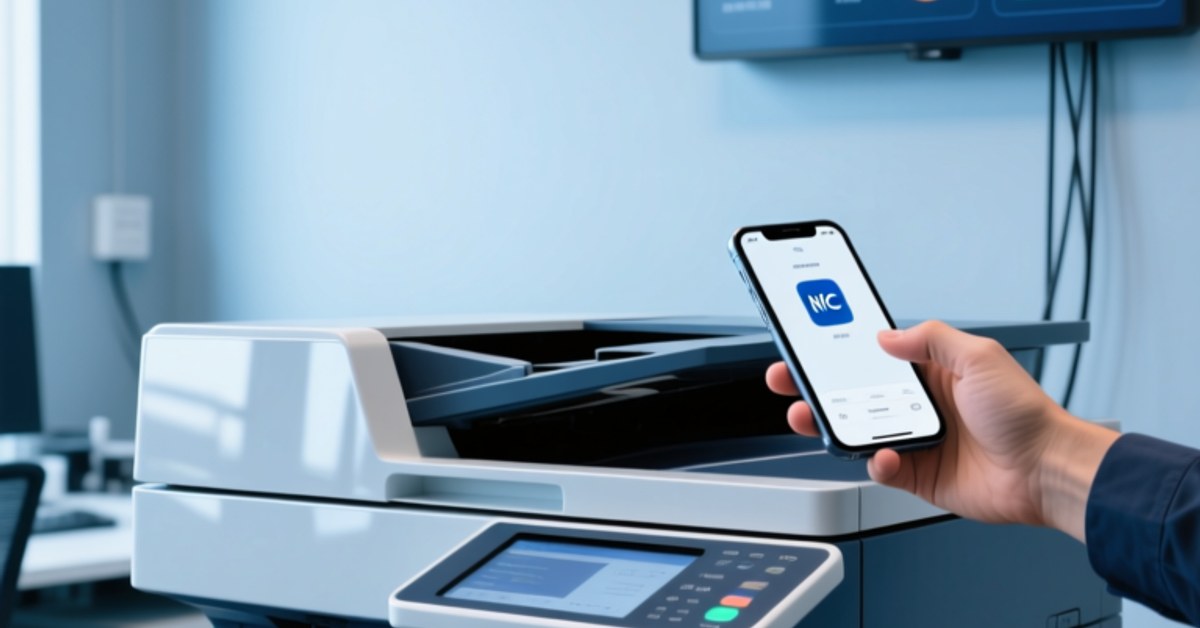
For automatic material parameters to work seamlessly, printer manufacturers and slicer developers need to support NFC or RFID reading. Some printers already include an NFC reader near the spool holder. Others can use a desktop RFID reader connected via USB. Slicer software can be updated to read tag data and apply presets. Open standards and APIs help ensure compatibility across brands, benefiting the entire additive manufacturing ecosystem.
Implementing NFC for 3D Printing Consumables: 実践的な手順
For material brands, printer makers, and industrial buyers, implementing NFC is a step-by-step process:
- Define data requirements: Decide what information needs to be stored on the tag versus in the cloud. 認証, print parameters, and batch ID are common priorities.
- Select tag technology: Choose NFC tags for smartphone readability, HF RFID tags for compatibility, or UHF RFID tags for long-range bulk scanning. Consider environmental durability.
- Integrate with printer or slicer: Work with printer manufacturers to enable automatic parameter loading. Many modern printers already support NFC or RFID readers.
- Build or integrate a verification app: A simple mobile app can scan tags and validate authenticity. For industrial users, a desktop RFID reader can integrate with inventory systems.
- Pilot and scale: Start with a product line or region, gather feedback, 完全な展開の前に改良を加えます.
RFIDHY and NFCWORK provide a range of NFC tags, RFIDラベル, and readers suitable for these applications, from NFC stickers for consumer spools to anti-metal RFID tags for industrial equipment.
未来: Digital Product Passports for Additive Manufacturing Consumables
Regulatory trends are moving toward Digital Product Passports (DPP), which will require detailed lifecycle information for many products. For 3D printing consumables, ある DPP could include material origin, 二酸化炭素排出量, リサイクルの指示, and authentication credentials. NFC and RFID tags are natural carriers for DPP because they provide a physical link to digital data.
By adopting NFC now, brands prepare for future compliance while delivering immediate value in authentication, オートメーション, and quality control. 詳しくはこちら デジタル製品パスポート solutions for various industries.
結論
NFC and RFID technology are transforming 3D printing consumables from simple supplies into intelligent, connected products. From authenticating filament and resin to automatically configuring 3D printer material settings, monitoring moisture, and enabling recycling, the benefits are clear. ブランド向け, NFC provides a powerful tool against counterfeiting and a way to build deeper relationships with customers. For industrial additive manufacturing buyers, it ensures material integrity and process repeatability.
As the 3D printing ecosystem matures, the smartest spools will be the ones that can talk. 私たちの NFC製品 そして ソリューション to start integrating NFC into your consumables today.
よくある質問
What is NFC for 3D printing filament?
NFC for 3D printing filament involves embedding a small NFC tag on a filament spool. The tag stores a unique ID and can be read by a smartphone or reader to verify authenticity, retrieve material parameters, and access storage history. It turns a spool into a smart, connected product.
How does filament spool RFID authentication work?
Each spool carries an RFID tag with a unique digital signature. スキャン時, the tag’s data is checked against a secure cloud database. If the tag is genuine and matches a valid product record, the spool is authenticated. Cloned or missing tags trigger a warning, helping users avoid counterfeit materials.
Can NFC tags automatically set my 3D printer material settings?
はい, if your printer or slicer supports NFC reading. The tag can store recommended nozzle temperature, bed temperature, print speed, and cooling profiles. When the spool is loaded, the printer can read these settings and apply them automatically, reducing manual configuration and errors.
How does NFC help with resin authenticity and storage?
NFC tags on resin containers can verify authenticity and track shelf life, storage temperature, and exposure to light or humidity. Scanning the tag with a smartphone can alert you if the resin is expired or has been stored improperly, protecting print quality and reducing waste.
Do I need a special reader to scan NFC tags on filament spools?
最もモダンな スマートフォン can read NFC tags without additional hardware. For industrial or bulk scanning, a handheld RFID reader or desktop RFID reader may be used to read multiple tags quickly, especially if UHF RFID tags are employed.
Can NFC tags support spool refill and recycling programs?
絶対に. Reusable spools with NFC tags can be scanned at refill stations to verify compatibility and update material data. At end of life, the tag can provide recycling instructions and material composition, supporting circular economy initiatives and deposit-return schemes.
Ready to Secure Your 3D Printing Consumables?
Whether you are a filament brand, a printer manufacturer, or an industrial additive manufacturing buyer, NFC and RFID technology can protect your products, streamline workflows, そして顧客の信頼を築く. NFCWORK Technology offers a comprehensive range of NFC tags, RFIDラベル, and readers designed for 3D printing consumables. From NFC stickers for spools to anti-metal RFID tags for industrial equipment, we help you implement authentication, automatic parameter loading, and lifecycle tracking.
今すぐお問い合わせください 要件について話し合ったり、当社のサービスを検討したりするには NFC製品 そして ソリューション.