Imperatyw gospodarki o obiegu zamkniętym: Dlaczego dane mają znaczenie
Przejście od liniowego modelu „weź, wyprodukuj, wyrzuć” do gospodarki o obiegu zamkniętym nie jest już aspiracją – jest koniecznością regulacyjną i rynkową. W jego sercu, obieg zamknięty zależy od dłuższego utrzymywania produktów i materiałów w użyciu dzięki ich ponownemu użyciu, naprawa, regeneracja, i wysokiej jakości recykling. Aby to osiągnąć, zainteresowane strony potrzebują dokładności, dostępny, i trwałe informacje o produkcie: skład materiału, instrukcje naprawy, historia własności, i wytyczne dotyczące końca życia.
Ramy regulacyjne zwiększają ten popyt. Mandaty UE w ramach ESPR DPP dla wielu kategorii produktów, wymaganie od producentów zapewnienia tożsamości cyfrowej towarzyszącej produktowi przez cały cykl jego życia. Technologia NFC staje się idealnym nośnikiem tej cyfrowej tożsamości – łącząc produkt fizyczny ze zdecentralizowanym, aktualizowalny zapis danych.
Zrozumienie DPP i NFC
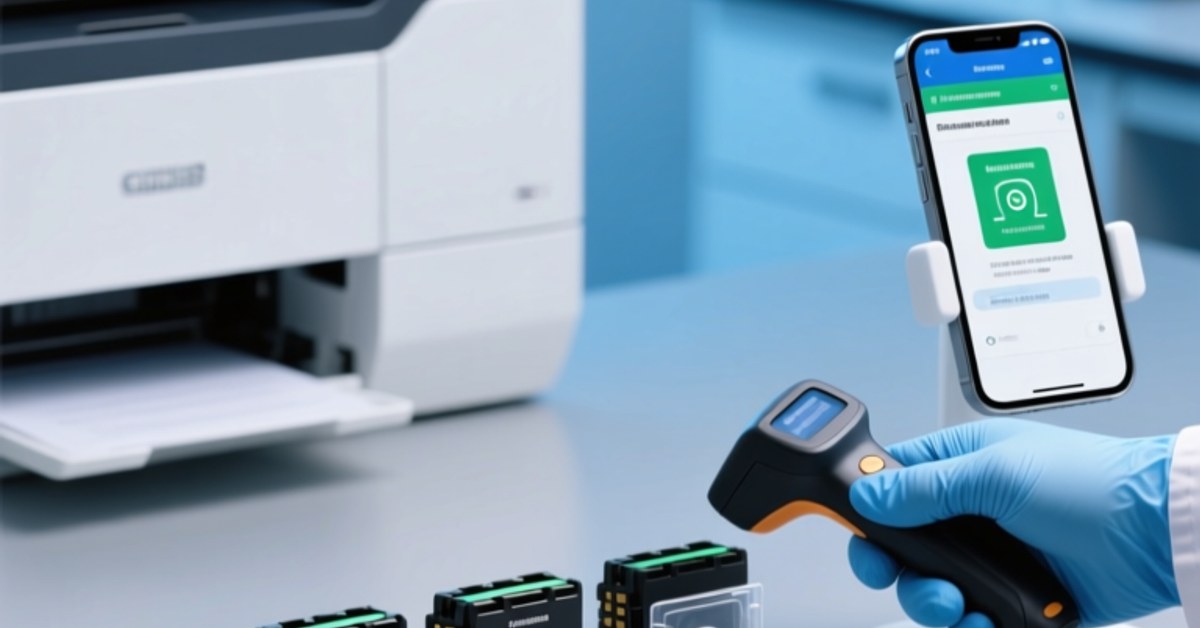
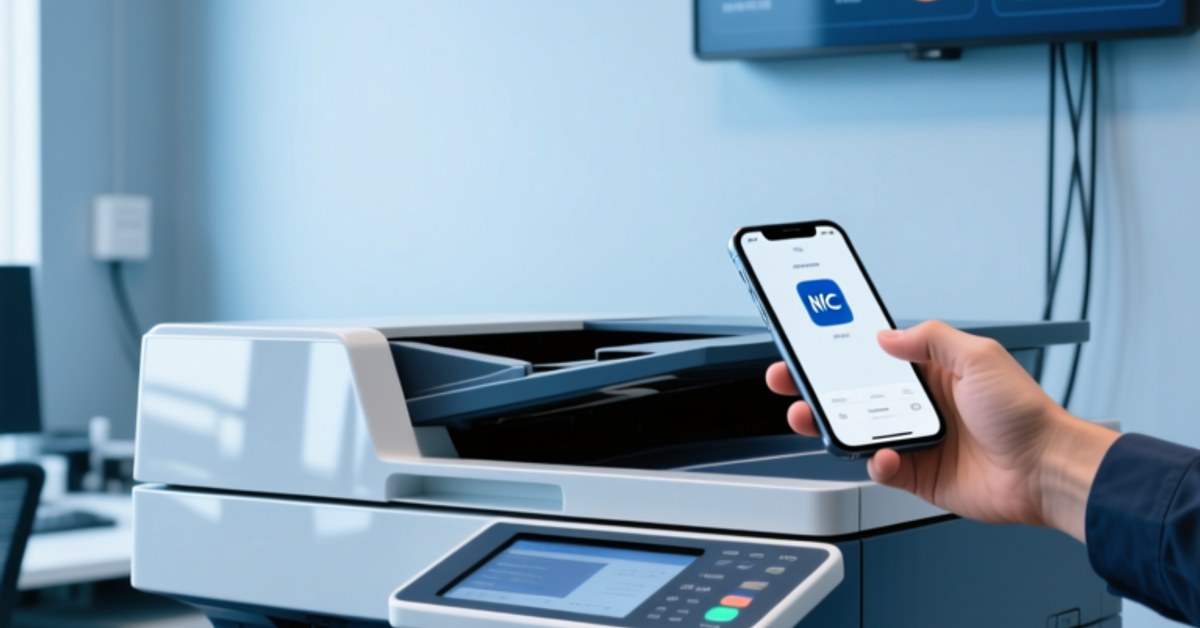
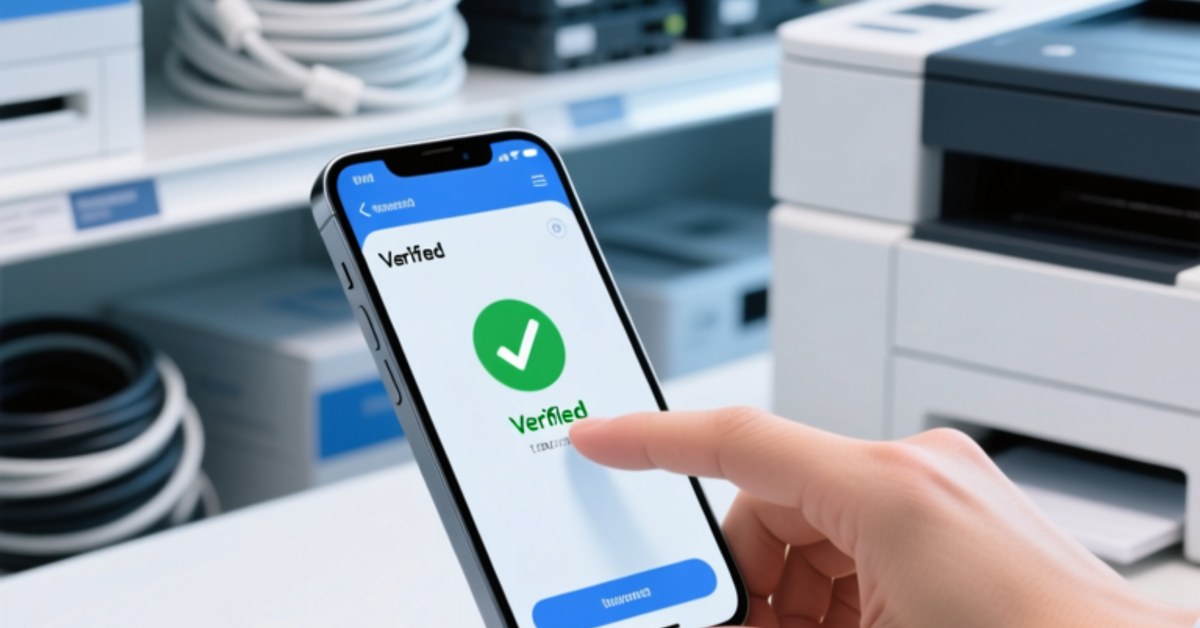
A Cyfrowy paszport produktu to uporządkowany zbiór danych dotyczących produktu – pochodzenia, przybory, ślad węglowy, możliwość naprawy, oraz instrukcje dotyczące recyklingu — do których dostęp można uzyskać za pośrednictwem nośnika danych dołączonego do produktu. Tagi NFC i wkładki zapewniają zabezpieczenie przed manipulacją, link na poziomie pozycji do tego paszportu. Proste dotknięcie dowolnego smartfona z obsługą NFC umożliwia pobranie najnowszych danych produktu bez konieczności korzystania z dedykowanej aplikacji lub skanera.
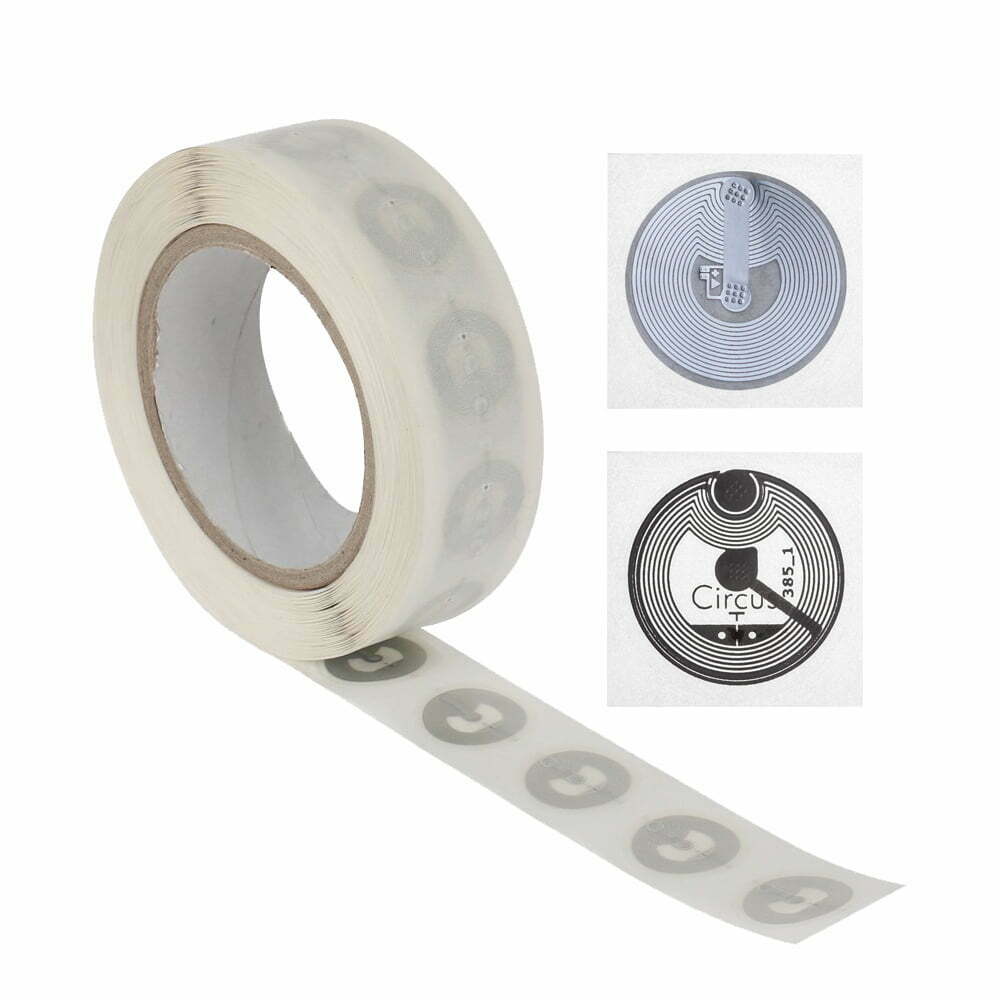
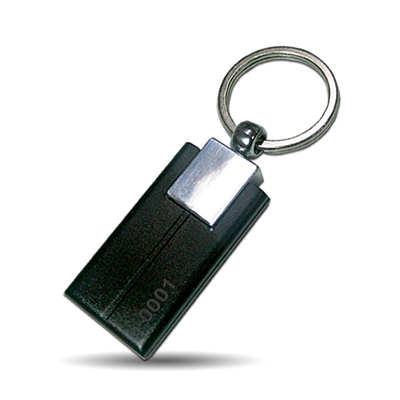
Tagi NFC są już szeroko stosowane w celu ochrony marki i zaangażowania konsumentów. W zastosowaniu do przypadków użycia gospodarki o obiegu zamkniętym, stają się kluczem do dane dotyczące cyklu życia produktu. W przeciwieństwie do drukowanego kodu QR, Tagi NFC można osadzić wewnątrz produktów, pozostają czytelne nawet po zakryciu lub zużyciu, i obsługuje zaawansowane funkcje, takie jak weryfikacja oryginalności, dynamiczne aktualizacje danych, i kontrola dostępu. Na RFIDHY, nasz asortyment Tagi NFC, Naklejki NFC, i wkładki NFC przeznaczone są do trwałego mocowania do tekstyliów, elektronika, opakowanie, i towary przemysłowe.
Umożliwienie ponownego użycia i naprawy przy użyciu dostępnych danych produktu
Jedną z największych barier w naprawie i ponownym użyciu jest brak godności zaufania, aktualne informacje. Za pomocą dotknięcia NFC, technicy napraw, remontowcy, i nawet konsumenci mają natychmiastowy dostęp:
- Instrukcje napraw krok po kroku i schematy w widoku rozstrzelonym
- Identyfikacja potrzebnych części zamiennych, łącznie z numerami części OEM
- Stan gwarancji i historia serwisowa
- Aktualizacje oprogramowania i wycofania dotyczące bezpieczeństwa
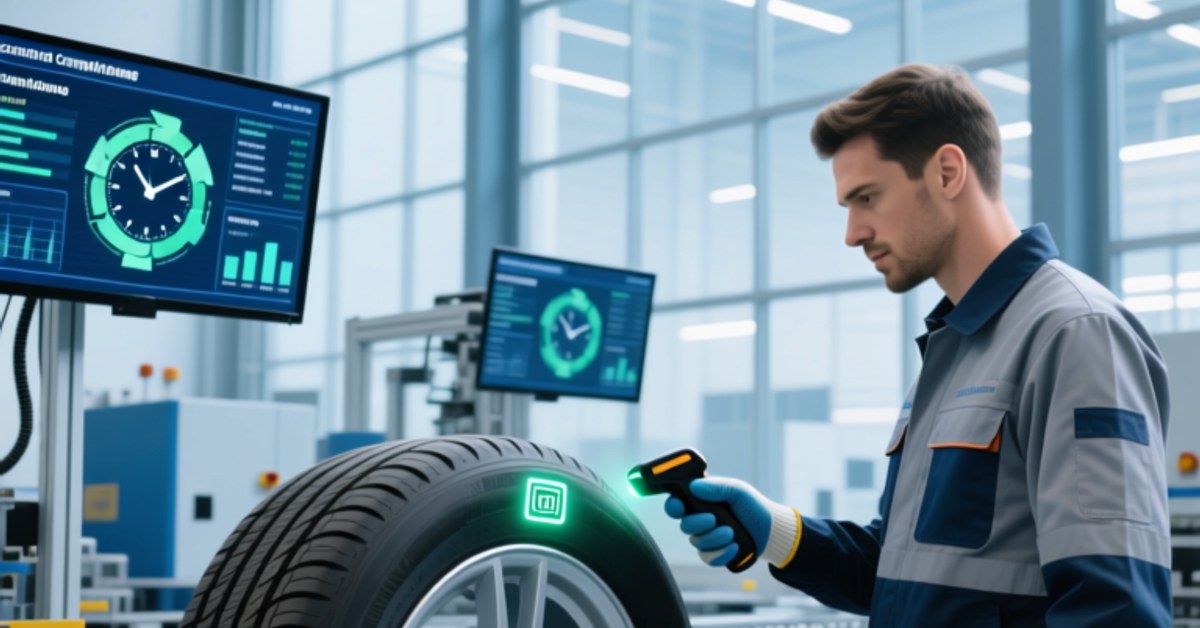
Ta przejrzystość wydłuża żywotność produktów i wspiera kwitnącą ekonomię napraw. Dla krytycznych aktywów przemysłowych, takich jak sprzęt produkcyjny, osadzony Tagi RFID UHF—jak nasz antymetal Tagi RFID—umożliwiają bezkontaktową identyfikację nawet w trudnych warunkach, natychmiastowe połączenie z DPP-oparte na dziennikach konserwacji.
Ułatwianie rynków odsprzedaży i drugiego życia
W przypadku towarów konsumpcyjnych i aktywów o dużej wartości, zaufanie jest walutą rynków wtórnych. Urządzenia DPP zasilane technologią NFC weryfikują autentyczność i dokumentują historię produktu, zwiększenie zaufania kupujących i umożliwienie wyższej wartości odsprzedaży. Marki luksusowe korzystają już z NFC do potwierdzania pochodzenia; ten sam mechanizm może teraz zawierać zapisy napraw, przeniesienia własności, i certyfikacja do drugiego życia – na przykład, odnowiony smartfon lub designerska torba z recyklingu.
Na poziomie przedsiębiorstwa, Firmy zajmujące się utylizacją zasobów IT mogą skanować całe palety wycofanego sprzętu Czytniki RFID UHF do natychmiastowego pobierania danych DPP, usprawnienie oceniania, i kieruje towar do odpowiedniej odsprzedaży, darowizna, lub strumienie recyklingu.
Optymalizacja recyklingu i odzyskiwania materiałów
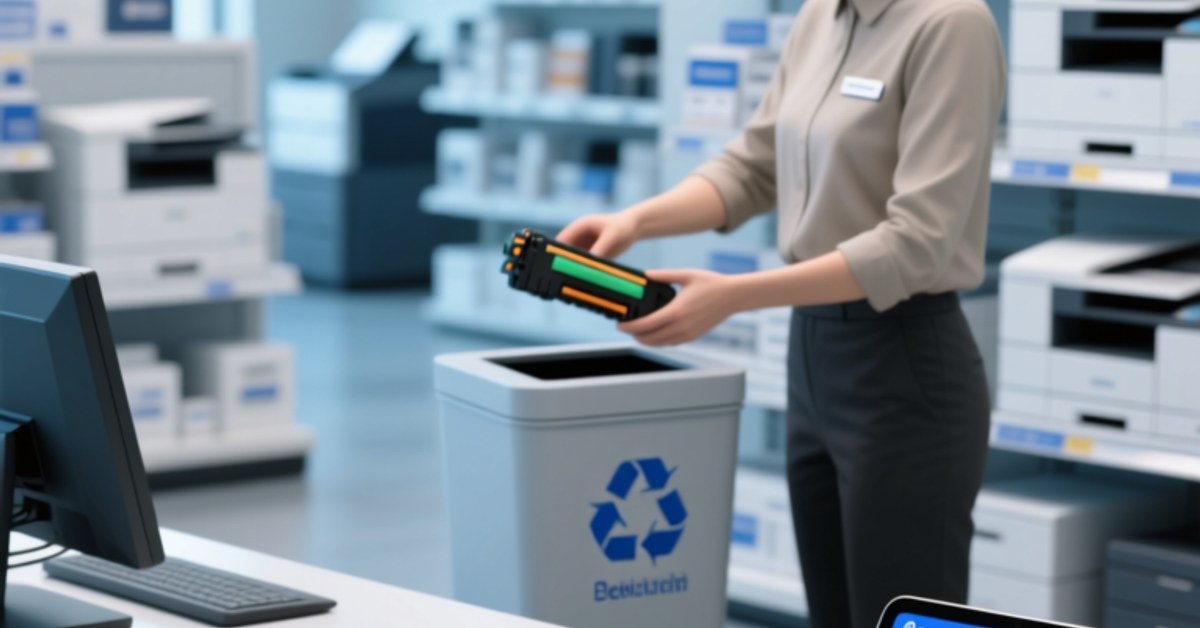
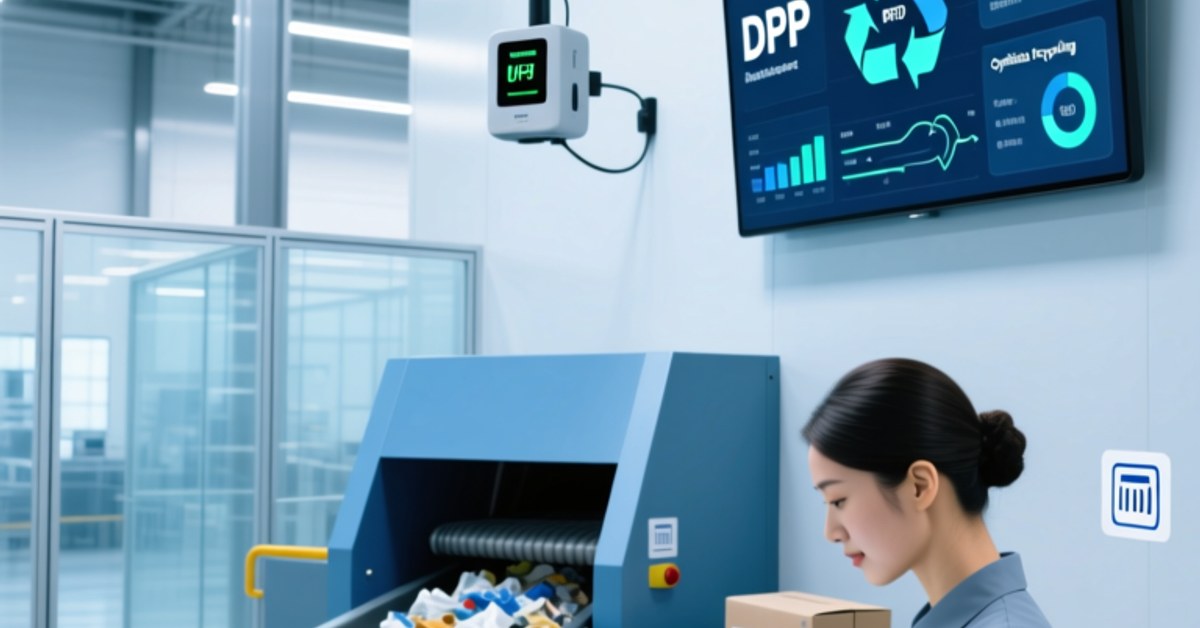
W bieżących procesach recyklingu często brakuje dokładnych danych o składzie materiału, prowadzące do downcyklingu lub składowania na wysypiskach śmieci. Osadzanie tagów NFC lub UHF RFID w produktach i zrównoważone opakowanie NFC etykiety bezpośrednio wypełniają tę lukę. Kiedy elementy dotrą do zakładu odzyskiwania materiałów (MRF), zautomatyzowane linie sortujące wyposażone w stałe czytniki RFID:
>
| Technologia | Nadaje się do | Przykładowa kategoria produktu |
|---|---|---|
| Tagi NFC | Przedmioty o dużej wartości, elektronika, opakowania wielokrotnego użytku | Naklejki NFC, Wkładki NFC |
| Tagi RFID UHF | Identyfikacja zbiorcza, sortowanie dalekiego zasięgu | Etykiety RFID UHF, antymetalowe znaczniki RFID |
| Czytniki RFID | Zautomatyzowane stacje sortujące, przenośniki | Naprawił Czytnik RFID, Ręczny Czytnik RFID |
Czytając dane dotyczące składu materiału z paszportu cyfrowego, urządzenia sortujące mogą oddzielać tworzywa sztuczne według rodzaju polimeru, wydobyć krytyczne surowce z elektroniki, i zapewnia prawidłowe postępowanie z substancjami niebezpiecznymi. To nie tylko zwiększa wydajność recyklingu, ale także wspiera przestrzeganie rozszerzonej odpowiedzialności producenta (EPR) schematy.
Zrównoważone opakowanie i łańcuch dostaw o obiegu zamkniętym
Opakowanie jest głównym celem innowacji o obiegu zamkniętym. Zrównoważone opakowania z obsługą NFC umożliwiają markom przekazywanie instrukcji dotyczących zwrotu, zachęty do stosowania opakowań wielokrotnego użytku, oraz wytyczne dotyczące recyklingu w miejscu interakcji. Na przykład, torba transportowa wielokrotnego użytku wyposażona w znacznik NFC może rejestrować liczbę podróży, potrzeby konserwacyjne, i stan depozytu, przekształcanie opakowania z kosztu w śledzony zasób.
Wszerz okrągły łańcuch dostaw, Moc technologii RFID logistyka zwrotna. Nasz Tagi i czytniki RFID UHF umożliwiają szybkie skanowanie przy wejściu/wyjściu zwracanych towarów i pojemników wielokrotnego użytku. W połączeniu z zarządzaniem zapasami w oparciu o technologię RFID, firmy zyskują wgląd w przepływ produktów w czasie rzeczywistym, ograniczanie wycieków i optymalizacja wykorzystania zasobów – kluczowe wskaźniki wydajności dla każdego programu zrównoważonego rozwoju.
Technologie RFIDHY dla gospodarki o obiegu zamkniętym
Wdrożenie modelu gospodarki o obiegu zamkniętym wymaga pełnego ekosystemu rozwiązań do odczytu i tagowania. W NFCWORK Technology i RFIDHY, zapewniamy elementy konstrukcyjne:
- Uwierzytelnianie produktów NFC i tagi DPP: Tagi NFC, Wkładki NFC, Naklejki NFC które można fabrycznie spersonalizować za pomocą unikalnych identyfikatorów i zaszyfrowanych kluczy.
- Trwałe znaczniki zasobów RFID: Antymetalowe znaczniki RFID, Przywieszki RFID do prania, oraz suche wkładki RFID do wymagających środowisk, w których zawodzą typowe etykiety.
- Infrastruktura czytelnicza: Ręczne i stacjonarne czytniki RFID UHF, stacjonarne czytniki RFID, oraz moduły RFID do integracji z maszynami sortującymi.
- Rozwiązania RFID: Śledzenie zasobów RFID, zarządzanie zapasami, i systemy zarządzania magazynem które dostarczają dane dotyczące cyklu życia do programu DPP.
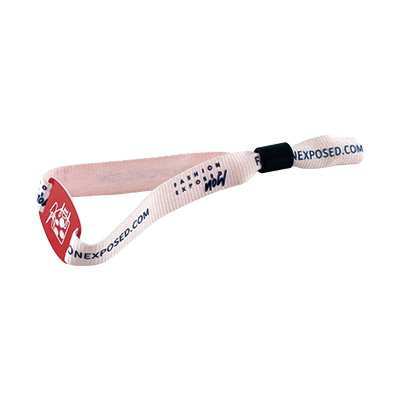
- Urządzenia ubieralne do programów ponownego wykorzystania: Opaski silikonowe NFC i Opaski RFID w przypadku programów recyklingu imprez lub programów zwrotu kaucji.
Wszystkie te produkty są dostępne dla zespołów ds. zrównoważonego rozwoju i inżynierów, które chcą włączyć obieg zamknięty do swoich procesów produkcyjnych bez zaczynania od zera.
Wniosek: Zamknięcie pętli z połączonymi produktami
Gospodarka o obiegu zamkniętym potrzebuje danych, a dane potrzebują nośnika, który pozostaje z produktem od pierwszej sprzedaży aż do ostatecznego demontażu. Technologie NFC i RFID sprawiają, że Cyfrowy Paszport Produktu staje się namacalny, zapewnienie brakującego ogniwa między elementami fizycznymi a strategiami cyfrowego obiegu zamkniętego. Niezależnie od tego, czy projektujesz pod kątem możliwości naprawy, skalowanie programu odbioru, lub optymalizację zakładu recyklingu, połączenie znakowania na poziomie przedmiotu i paszportów w chmurze zapewnia odporność, przezroczysty, i opłacalny system w pętli zamkniętej.
Co to jest DPP i jak obsługuje go NFC?
DPP to cyfrowy zapis zawierający dane dotyczące cyklu życia produktu – skład materiału, możliwość naprawy, instrukcje dotyczące recyklingu, itp. Tagi NFC dołączone do produktu służą jako fizyczny most; proste dotknięcie smartfonem pobiera paszport z chmury, zapewniając natychmiastowy dostęp do najświeższych danych.
W jaki sposób NFC usprawnia recykling w porównaniu z metodami konwencjonalnymi??
Konwencjonalny recykling polega na sortowaniu ręcznym lub optycznym z ograniczoną dokładnością. Tagi NFC i UHF RFID mogą przechowywać lub odwoływać się do danych dotyczących składu materiału ziarnistego, umożliwiając zautomatyzowanym liniom sortującym identyfikację określonych gatunków tworzyw sztucznych, wyodrębnić niebezpieczne składniki, i zachować wartość materialną, co prowadzi do wyższej jakości recyklatów.
Czy znaczniki NFC mogą przetrwać w trudnych warunkach recyklingu??
Standardowe tagi NFC zaprojektowano z myślą o interakcjach przyjaznych konsumentowi, ale do recyklingu przemysłowego, nasze antymetalowe znaczniki RFID i wytrzymałe etykiety RFID UHF są odporne na wilgoć, ciepło, i stres fizyczny. Wybór znacznika zależy od zastosowania i wymaganego zakresu odczytu.
Czy technologia NFC jest zgodna z przepisami UE dotyczącymi zrównoważonego rozwoju??
Absolutnie. Ramy UE ESPR wyraźnie przewidują wykorzystanie nośników danych, takich jak NFC i RFID, do wdrażania programów DPP. Nasze rozwiązania są zgodne z przetwarzaniem danych zgodnym z RODO i obsługują standardy GS1/EPCglobal zwykle wymagane dla przejrzystości łańcucha dostaw.