Bagaimana Teg NFC Tahan Kakisan Mengubah Pengurusan Pasport Produk Digital Marin
Bagi eksekutif maritim, lautan adalah nadi kehidupan $3 trilion ekonomi dan musuh terbesarnya. Kakisan air laut sahaja dianggarkan menjejaskan industri marin global $80 bilion setahun (Laporan Impak Antarabangsa NACE). Apabila teg aset tradisional gagal, kebolehkesanan, pematuhan, dan kawalan kos juga terjejas. Tahan kakisan Tag NFC direka khusus untuk persekitaran marin mengubah cabaran ini menjadi kelebihan daya saing yang berkekalan.
Kos Tinggi Persekitaran Yang Keras: Mengapa Penjejakan Standard Gagal
Dalam operasi marin, kakisan berterusan yang disebabkan oleh air laut, kelembapan, dan pemakaian fizikal boleh membawa kepada kegagalan yang serius:
- Teg Tidak Boleh Dibaca: Kod bar berkarat dan Tag RFID membuat pengenalan aset mustahil.
- Kehilangan Data: Kegagalan teg boleh menyebabkan kehilangan sejarah penyelenggaraan kritikal, pensijilan keselamatan, dan sebahagian maklumat asal.
- Risiko Pematuhan: Jejak audit untuk peraturan masyarakat pengelasan (Abs, DNV, Daftar Lloyd) dan peraturan alam sekitar tidak boleh disediakan.
- Kos Operasi: Penjejakan manual mudah ralat dan memakan masa, membawa kepada penggantian alat ganti yang tidak perlu dan masa henti yang mahal.
Penyelesaian: Pasport Produk Digital NFC Gred Marin
Kejayaan ini terletak pada ultra-tahan lama Tag NFC yang menahan unsur semasa mendokumenkan kitaran hayat digital komponen.
Sokongan Teknikal:
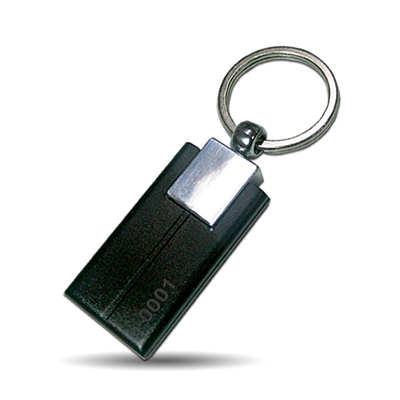
Pengekapsulan Aloi Titanium: Tag itu terkandung dalam perumah aloi titanium gred aeroangkasa, menawarkan ketahanan yang tiada tandingan terhadap kakisan air laut, tekanan, dan impak.
ISO 9227 Pensijilan: Tag ini menjalani ujian yang ketat dan telah melepasi ribuan jam ujian semburan garam, memastikan operasi yang boleh dipercayai walaupun dalam keadaan marin yang paling teruk.
Storan Data Dinamik: Setiap tag kalis gangguan menyimpan data kritikal secara langsung pada cip, boleh diakses di luar talian:
- Pengeluar Peralatan Asal Komponen (OEM) dan tarikh pemasangan
- Penyelenggaraan dinamik dan sejarah perkhidmatan
- Sijil pemeriksaan keselamatan
- Tarikh perkhidmatan berjadual seterusnya
- Sambungan untuk melengkapkan dokumentasi teknikal berasaskan awan
Kajian kes: Bagaimana Limbungan Utama Mengurangkan Kos Alat Ganti dengan 50%
Sebuah limbungan dan pengendali kapal terkemuka Eropah menghadapi kos yang besar:
- Kadar penggantian tahunan sehingga 35% untuk injap dan pam kritikal disebabkan oleh sejarah perkhidmatan yang tidak disahkan.
- Beribu-ribu jam kerja telah dibazirkan untuk mengesan bahagian untuk audit keselamatan mandatori.
- Projek sering tertangguh menunggu alat ganti yang tidak dapat disahkan asal usulnya.
Penyelesaian Perlindungan Data NFC (DPP) mereka ditempatkan di atas kapal:
- Berakhir 5,000 komponen kritikal (injap, pam, penutup menetas) telah dilengkapi dengan tag NFC berkapsul titanium.
- Setiap komponen dilengkapi dengan pasport digital unik yang mengandungi pengeluar peralatan asli (OEM) data, tarikh pemasangan, dan log perkhidmatan.
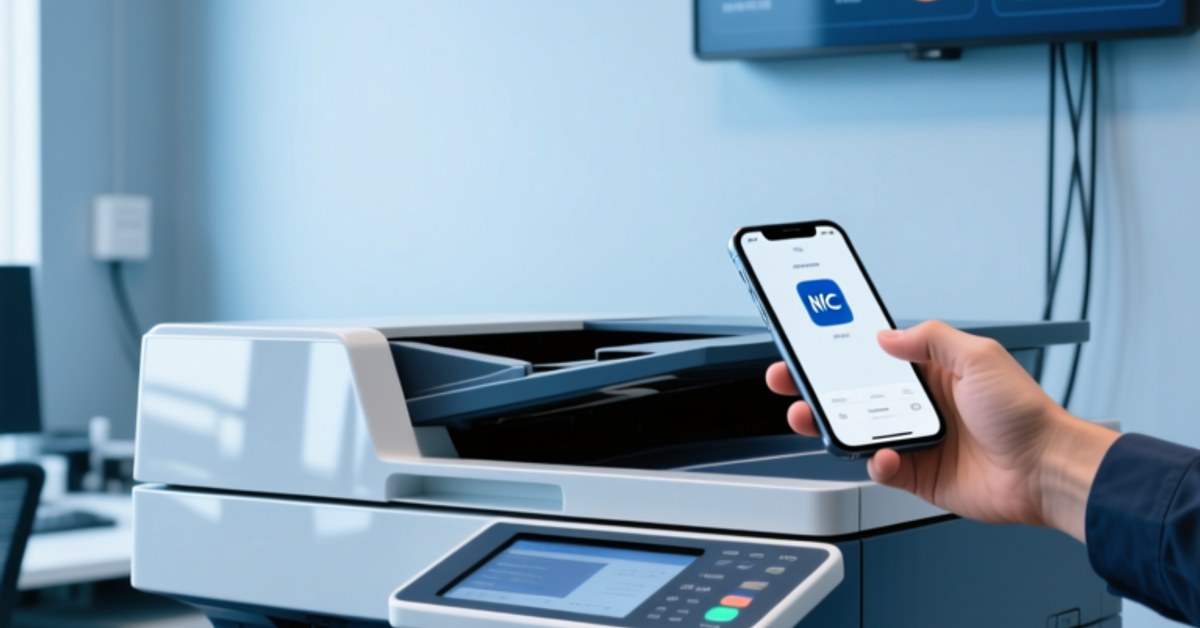
- Jurutera dilengkapi dengan lasak telefon pintar untuk mengimbas dan mengemas kini DPP dalam masa nyata semasa penyelenggaraan.
Keputusan Didokumenkan:
- Kurangkan penggantian bahagian yang tidak perlu dengan 50% dengan mengesahkan hayat perkhidmatan sebenar berbanding jangkaan.
- Tingkatkan pematuhan audit keselamatan dengan 90% dengan akses digital segera kepada sejarah komponen.
- Jimat $1.2 juta bahagian dan kos buruh pada tahun pertama.
- Mematuhi sepenuhnya IMO DSS (Pertubuhan Maritim Antarabangsa) garis panduan.
Membina Sistem DPP Kapal: Komponen Utama
| Komponen | Keperluan | Tujuan |
|---|---|---|
| Tag NFC | bersalut titanium, ISO 9227 diperakui | Bertahan air laut, Pendedahan UV, kesan fizikal |
| Struktur Data | Data kritikal yang didahulukan di luar talian (ID, perkhidmatan terakhir) | Boleh diakses tanpa sambungan dalam bilik/pegangan enjin |
| Platform Awan | Keselamatan siber, diluluskan kelas | Menyimpan fail teknikal penuh, manual, dan kemas kini sejarah |
| Pembaca | lasak, ATEX diperakui untuk zon berbahaya | Untuk digunakan dalam semua persekitaran dari jambatan ke lambung kapal |
Pelan Tindakan Kebolehkesanan Tidak Boleh Dipecahkan Anda
- Kenal pasti Sasaran Bernilai Tinggi: Mulakan dengan komponen kritikal keselamatan dan intensif kos (sistem pendorongan, gear stereng, injap balast).
- Pilih perkakasan yang betul: Utamakan tag NFC dengan pensijilan bebas (Mis., ISO 9227).
- Tentukan protokol data: Tentukan data yang perlu disimpan di luar talian pada teg dan yang perlu disimpan dalam awan untuk juruaudit dan jurutera.
Anda mungkin juga berminat:
Untuk maklumat lanjut,Tolong Hubungi kami.