pengenalan: Dilema Pembawa Data untuk Pasport Produk Digital
Pasport Produk Digital (DPP) sedang beralih daripada konsep pengawalseliaan kepada realiti operasi. Sama ada didorong oleh ESPR EU atau oleh strategi jenama untuk ketelusan kitaran hayat, setiap DPP memerlukan sauh fizikal pada produk itu sendiri. Soalannya tidak sama ada untuk menghubungkan produk kepada identiti digitalnya, tetapi bagaimana. Dua teknologi mendominasi perbualan: NFC dan Kod QR. Satu adalah berasaskan cip, tertanam ke dalam produk; satu lagi adalah berasaskan cetakan, ditambah ke permukaan. Kedua-duanya boleh memaut ke pasport berasaskan awan, tetapi keupayaan mereka berbeza secara mendadak apabila anda memeriksa keselamatan, ketahanan, tingkah laku luar talian, dan pengalaman pemilikan sepanjang hayat produk.
Di NFWORK Technology, kami membantu pengurus produk, pemimpin rantaian bekalan, dan penilai penyelesaian menavigasi pilihan tepat ini. Dalam artikel ini, kami menyediakan objektif, perbandingan dipacu senario untuk membantu anda memutuskan bila berasaskan cip mengalahkan berasaskan cetakan—dan sebab pendekatan hibrid jarang memberikan keyakinan jangka panjang yang sama.
Anatomi Sauh Pasport Produk Digital
Sebelum membandingkan, mari kita tentukan apa yang kita maksudkan dengan "sauh". Dalam a DPP sistem, sauh ialah pautan fizikal antara produk ketara dan kembar digitalnya. Ia menyimpan pengecam unik dan—sebaik-baiknya—membolehkan akses selamat kepada perjalanan produk, bahan, sejarah pembaikan, dan rekod pemilikan. Kedua-duanya Tag NFC dan kod QR boleh memainkan peranan ini, tetapi asas mereka berbeza.
- Kod QR adalah corak bercetak modul hitam dan putih. Mereka mengekod URL atau rentetan pendek data terus ke dalam imej. Setelah dicetak, data adalah statik dan tidak disulitkan. Membaca memerlukan kamera, permukaan yang bersih, dan pencahayaan yang mencukupi.
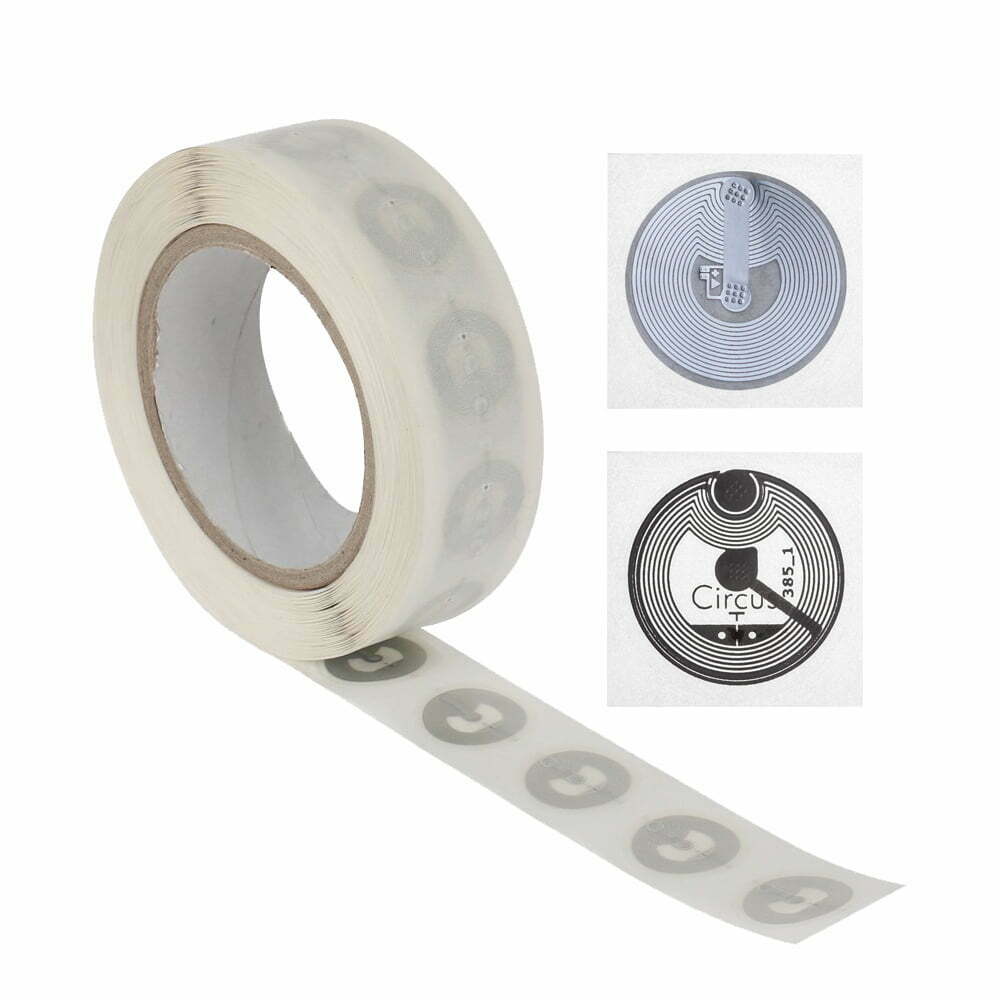
- Cip NFC adalah mikropengawal kecil dengan antena frekuensi radio, selalunya tertanam dalam label (Tatahan NFC atau tag) atau terus ke dalam produk. Setiap cip mempunyai keunikan, ID yang diprogramkan kilang dan boleh menyimpan data yang disulitkan, bertindak balas terhadap interaksi peranti, dan juga melakukan operasi kriptografi.
Perbezaan seni bina ini membawa kepada implikasi utama untuk strategi DPP.
Analisis Perbandingan: NFC lwn QR untuk DPP
Jadual di bawah menyediakan perbandingan sebelah menyebelah merentas dimensi yang paling penting untuk keselamatan, pasport produk tahan lama.
>
| Atribut | NFC (Berasaskan Cip) | Kod QR (Berasaskan Cetakan) |
|---|---|---|
| Jenis pembawa data | IC silikon terbenam dengan antena; sebahagian daripada a Tag RFID/NFC atau disepadukan ke dalam item | Corak optik dicetak pada label, tag gantung, atau terus pada permukaan produk |
| Unik, ID kalis gangguan | UID terbina dalam (pengecam unik) dibakar menjadi silikon semasa pembuatan; tidak boleh diklon tanpa akses kepada rantaian bekalan cip | Tiada keunikan yang wujud; data dalam QR boleh disalin oleh sesiapa sahaja yang mempunyai kamera telefon pintar |
| Penyulitan dan keselamatan | Menyokong penyulitan AES, pengesahan bersama, dan muatan NDEF yang disulitkan; boleh mencontohi fungsi kad pintar | Bergantung sepenuhnya pada keselamatan URL sasaran (Mis., HTTPS), tetapi pautan itu sendiri boleh diklon atau diganti |
| Pengesahan luar talian | Boleh melakukan jabat tangan kriptografi tanpa internet; pembaca boleh mengesahkan ketulenan secara setempat menggunakan kunci atau sijil yang disimpan | Tidak dapat mengesahkan ketulenan di luar talian; imej yang dicetak sentiasa boleh dibaca, walaupun pelayan yang dipautkan tidak tersedia |
| Rintangan palsu | kuat; setiap cip mempunyai sifat fizikal dan elektrik yang unik; pengklonan memerlukan pemalsuan tahap silikon, yang boleh dikesan | Lemah; Kod QR disalin secara remeh, dicetak semula, atau diganti. Item tiruan boleh membawa QR yang disalin yang menunjuk kepada DPP tulen. |
| Ketahanan dan kitaran hayat | Menahan kelembapan, lelasan, suhu melampau apabila disepadukan dengan betul; bertahan bertahun-tahun digunakan, mencuci, atau pendedahan luar | Boleh dibaca hanya semasa cetakan masih jelas; mudah tercalar, pudar oleh UV, atau rosak oleh bahan kimia |
| Kapasiti dan fleksibiliti data | Sehingga beberapa kilobait memori boleh ditulis semula; boleh dikemas kini kemudian untuk pembaikan log, pemindahan hak milik, atau metrik kemampanan | Terhad kepada ~3KB data statik jika disimpan terus; biasanya hanya URL, tiada keupayaan menulis semula |
| Pengalaman pengguna | Cepat, akses sekali ketik melalui telefon yang didayakan NFC (tiada aplikasi diperlukan untuk kegunaan asas); berfungsi dalam sebarang orientasi, walaupun dalam cahaya malap | Memerlukan kamera, tangan yang mantap, pencahayaan yang baik, dan selalunya aplikasi imbasan kod bar; boleh mengecewakan pada permukaan melengkung atau reflektif |
| Kos pelaksanaan seunit | Kos setiap unit yang lebih tinggi (beberapa sen untuk tag NFC asas kepada lebih tinggi untuk IC selamat), tetapi menurun dengan cepat dengan kelantangan | Kos marginal yang sangat rendah; pada asasnya percuma sebagai sebahagian daripada percetakan pembungkusan |
Selam Dalam Keselamatan: Mengapa Identiti Berasaskan Cip Penting
Dalam dunia pemalsuan yang canggih, pasport digital hanya boleh dipercayai seperti sauhnya. Kod QR ialah URL bercetak. Sesiapa sahaja boleh menyalin URL itu, letakkan pada produk palsu, dan halakan pengguna ke halaman DPP yang sama. Kepada sistem awan jenama, imbasan QR yang diklon kelihatan sama dengan imbasan tulen-tiada cara untuk membezakannya. Inilah sebabnya mengapa pengesahan barangan mewah dan program anti-pemalsuan farmaseutikal telah cepat diterima pakai Pengesahan produk NFC. Dengan cip NFC, jenama itu boleh menyuntik kunci persendirian atau tandatangan digital yang disahkan terus oleh elemen selamat pembaca. Walaupun penyerang cuba meniru cip itu, pengesahan bersama gagal jika sifat fizikal tidak sepadan.
Untuk petunjuk IT rantaian bekalan, ini bermakna dengan NFC, anda boleh membina sistem di mana setiap acara baca terikat secara kriptografi kepada yang khusus, teg tidak boleh diklon. Anda juga boleh memanfaatkan memori pada cip untuk menyimpan data dinamik—seperti tandatangan pemindahan jagaan—yang berkembang apabila produk bergerak dari kilang ke gudang ke runcit. Kebolehkesanan ini merupakan asas kepada pematuhan DPP, dan ia adalah sesuatu yang tidak dapat disampaikan oleh QR bercetak.
Luar Talian vs Pengesahan Dalam Talian: Apabila Rangkaian Bukan Pilihan
Bayangkan pengimbas gudang atau pegawai kastam di kawasan sambungan rendah. Dengan pasport QR sahaja, pengesahan sentiasa bergantung pada sambungan internet langsung untuk mencari URL. Dengan NFC, pembaca pegang tangan (seperti a pembaca RFID pegang tangan) boleh mengesahkan produk sepenuhnya di luar talian, menggunakan kekunci pra-disimpan dan logik respons cabaran. Perkara yang sama berlaku untuk pengguna akhir di bilik persalinan atau pusat pembaikan: ketik pantas dengan telefon mereka boleh mengesahkan ketulenan atau mendapatkan semula peristiwa perkhidmatan yang dirakam terakhir tanpa menunggu sambungan data. Ketahanan luar talian ini ialah pembeza utama yang menjadikan pasport produk berasaskan cip sesuai untuk rantaian bekalan global dan pemeriksaan jauh.
Pengalaman Pengguna: Satu Ketik lwn. Kerumitan Kamera
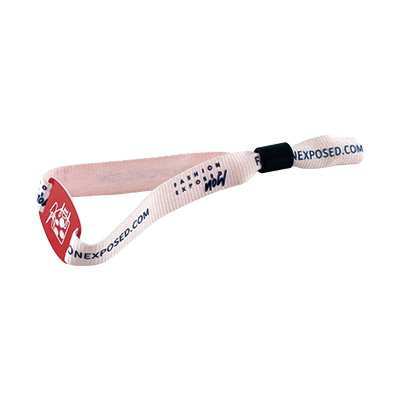
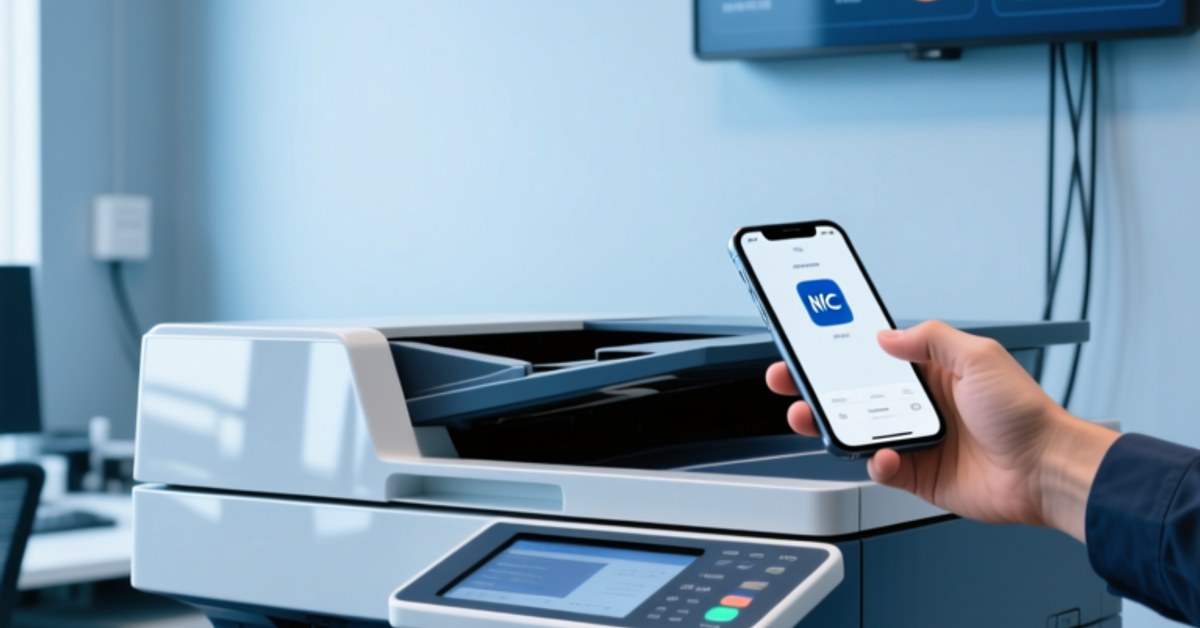
DPP adalah sia-sia jika pengguna tidak terlibat dengannya. NFC menawarkan "ketik dan pergi" tanpa geseran yang sudah biasa digunakan oleh orang ramai dengan pembayaran tanpa sentuhan. Pada moden telefon pintar, membaca teg NFC adalah serta-merta dan berfungsi walaupun semasa skrin peranti dimatikan (dengan pengimbasan latar belakang didayakan). Kod QR, sebaliknya, perlu menarik apl kamera, membingkai kod dengan betul, dan sering bergelut dengan pencahayaan atau silau pada pembungkusan produk. Pada barangan mewah dengan penjenamaan halus, kod QR boleh merosakkan reka bentuk estetik; tatahan NFC boleh menjadi tidak kelihatan sepenuhnya, tertanam di dalam lapisan pakaian, tapak kasut, atau beg tangan mewah. Untuk produk boleh pakai, Wristbands NFC atau tag pintar yang dibenamkan ke dalam aksesori menawarkan pengalaman mengetik yang lancar yang mencetak kod QR pada fabrik tidak dapat dipadankan.
Kapasiti Data dan Kemas Kini Dinamik
Walaupun kedua-dua teknologi boleh memaut ke pasport berasaskan awan, perbezaan dalam storan pada peranti adalah penting untuk senario pengkomputeran tepi. Teg NFC boleh memuatkan beberapa kilobait data berstruktur yang boleh diakses walaupun tanpa sambungan Internet—cukup untuk rekod penyelenggaraan terkini, sijil digital, atau petikan pasport bahan. Selain itu, banyak cip NFC menyokong operasi tulis, bermakna teg itu sendiri boleh dikemas kini semasa kitaran hayat produk. Juruteknik pembaikan boleh mengetik teg untuk menambah log perkhidmatan, yang disegerakkan ke awan kemudian. Kod QR tidak boleh dikemas kini; ia kekal sebagai pintu beku. ini ingatan yang boleh ditulis semula menjadikan NFC lebih unggul pembawa data produk selamat untuk barangan tahan lama yang bernilai tinggi.
Memilih Teknologi yang Tepat untuk Pelan Hala Tuju DPP Anda
Untuk jenama yang menilai penyelesaian DPP, pokok keputusan selalunya kelihatan seperti ini:
- Jika produk mempunyai kitaran hayat yang sangat singkat, risiko pemalsuan yang rendah, dan kos adalah faktor utama—Kod QR mungkin mencukupi. Pembungkusan boleh guna sekali guna, contohnya, mungkin menggabungkan QR bercetak dengan lapisan keselamatan sisi awan, walaupun ini masih kekurangan kepercayaan berlabuh per-item bagi cip.
- Jika produk adalah barang tahan lama dengan hayat berbilang tahun, memegang nilai jenama yang ketara, atau memerlukan bukti ketulenan pada jualan semula—NFC ialah cadangan yang jelas. Produk seperti jam tangan mewah, elektronik mewah, pakaian premium, dan bahagian industri B2B mendapat manfaat daripada keselamatan peringkat cip dan keupayaan untuk membawa identiti digital mudah alih melalui perubahan pemilikan.
- Jika anda memerlukan pengesahan luar talian, mengusik bukti, atau pematuhan piawaian yang berkembang seperti EU DPP—sekali lagi, NFC menyediakan asas kriptografi yang tidak boleh dilakukan oleh pendekatan bercetak.
Ia bukan sesuatu yang luar biasa bagi syarikat untuk memulakan dengan perintis QR sahaja dan dengan cepat menemui hadnya: penyenaraian klon pada platform jualan semula, kepercayaan pengguna berkurangan, atau ketidakupayaan untuk mengemas kini data selepas pembungkusan. Cip NFC, digabungkan dengan Penyelesaian RFID untuk pengimbasan pukal di gudang, cipta pendekatan berlapis di mana cip mengendalikan pengesahan individu dan jarak jauh Sistem RFID menguruskan logistik. Strategi dwi teknologi ini mendapat momentum dalam industri yang memerlukan integriti produk individu dan keterlihatan rantaian bekalan berkelajuan tinggi.
Pertimbangan Pelaksanaan untuk DPP Berasaskan NFC
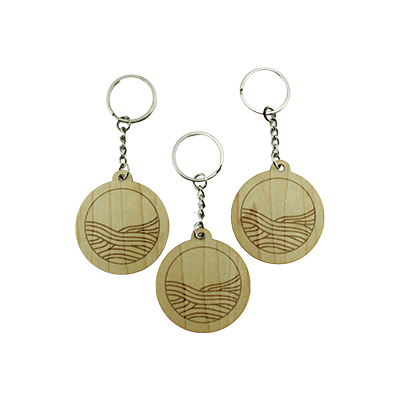
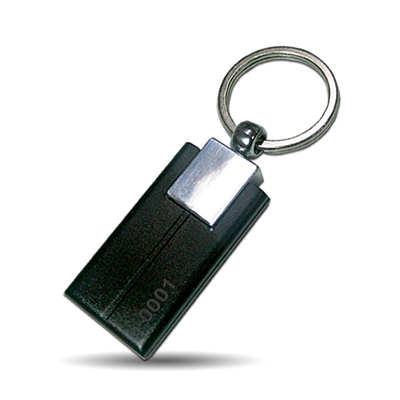
Beralih ke pasport berasaskan cip memerlukan pemilihan faktor bentuk teg yang betul untuk produk anda. Tatahan NFC, pelekat, dan tag khusus tersedia untuk hampir semua bahan. Untuk permukaan logam, tag RFID anti-logam atau tatahan NFC pada logam memastikan prestasi bacaan yang konsisten. Untuk tekstil dan fesyen, tag pakaian NFC lembut atau tatahan fleksibel seperti benang boleh dijahit ke dalam pakaian atau dibenamkan ke dalam tapak kasut. Gaya acara gelang tangan RFID dengan cip NFC bersepadu juga menunjukkan bagaimana faktor bentuk boleh pakai boleh berfungsi sebagai pembawa identiti produk untuk pakaian pintar.
Di sisi perisian, anda perlu menyepadukan ID unik teg NFC dengan platform awan DPP anda. Di sinilah kepakaran Teknologi NFCWORK datang. Kami menyediakan bukan sahaja tag fizikal (daripada standard Pelekat NFC kepada tatahan tersuai) tetapi juga perisian tengah dan sokongan integrasi yang menghubungkan teg ke sistem PLM atau ERP sedia ada anda.
Kesimpulan: Identiti Berasaskan Cip sebagai Aset Strategik
Pilihan antara NFC dan QR untuk pasport produk digital bukanlah mengenai kos marginal—ia mengenai integriti jangka panjang identiti produk anda. Kod QR yang dicetak adalah mudah, gerbang jangka pendek, tetapi mereka tidak mempunyai keselamatan yang wujud, ketahanan, dan keupayaan dinamik yang dituntut oleh DPP. Apabila peraturan diperketatkan dan pengguna menjadi lebih bijak tentang data ketulenan dan kemampanan, a pasport produk berasaskan cip menjadi aset strategik dan bukannya kotak semak pematuhan. Tag NFC, tatahan, dan boleh pakai mengubah setiap produk menjadi satu yang bersambung, nod amanah dalam ekonomi bulat.
Untuk pengurus produk dan rantaian bekalan IT memimpin menilai Pilihan teknologi DPP, buktinya jelas: di mana nilai, jangka hayat, dan kepercayaan bersilang, beats berasaskan cip berasaskan cetakan.
Soalan Lazim
- Apakah perbezaan utama antara kod QR dan NFC untuk pasport produk digital?
- Kod QR dicetak, corak optik statik yang biasanya mengekod URL. Cip NFC ialah IC silikon terbenam yang memegang ID unik, penyulitan sokongan, dan boleh menyimpan dinamik, data yang boleh ditulis semula. NFC membenarkan pengesahan luar talian dan jauh lebih tahan terhadap pengklonan.
- Bolehkah kod QR digunakan untuk pengesahan produk selamat?
- Sendiri, tidak. Kod QR boleh disalin dan diletakkan pada barang palsu dengan mudah. Keselamatan mesti ditambah pada bahagian pelayan—sebagai contoh, dengan memantau corak imbasan—tetapi sauh fizikal itu sendiri kekal boleh diklon. NFC menyediakan keselamatan berakar perkakasan yang jauh lebih sukar untuk dielakkan.
- Adakah tag NFC berfungsi di luar talian?
- Ya. Pembaca NFC boleh mengesahkan ketulenan teg dan membaca data yang disimpan tanpa sambungan Internet jika kunci kriptografi yang diperlukan telah dimuatkan terlebih dahulu. Ini adalah kelebihan kritikal untuk pemeriksaan di lokasi terpencil atau kawasan yang mempunyai sambungan yang lemah.
- Adakah NFC lebih mahal daripada kod QR?
- per unit, ya—inlay NFC asas berharga beberapa sen, manakala kod QR yang dicetak pada pembungkusan adalah hampir percuma. Walau bagaimanapun, jumlah kos pemilikan sepanjang hayat produk, termasuk kerugian palsu, kerosakan jenama, dan penglibatan pengguna, selalunya menjadikan NFC sebagai pilihan yang lebih kos efektif untuk produk bernilai tinggi atau tahan lama.
- Bolehkah saya menyepadukan kedua-dua NFC dan QR pada produk yang sama?
- Sudah tentu. Sesetengah jenama mencetak kod QR sebagai sandaran kedua sambil membenamkan teg NFC untuk pengesahan utama dan pengalaman pengguna. Walau bagaimanapun, pendekatan hibrid ini tidak menghapuskan kelemahan keselamatan sedia ada QR; ia hanya memberikan sandaran kepada pengguna tanpa peranti berdaya NFC.
Bersedia untuk Melindungi Identiti Produk Anda?
Memilih pembawa data yang betul ialah asas strategi pasport produk digital anda. Di NFWORK Technology, kami membantu jenama, pengilang, dan penyedia penyelesaian menilai, prototaip, dan gunakan penambat DPP berasaskan cip—daripada tag NFC standard dan tatahan anti-logam kepada penyelesaian identiti boleh pakai tersuai sepenuhnya.
Terokai Penyelesaian DPP Kami atau Hubungi Pasukan Kami untuk membincangkan keperluan khusus anda. Mari bina kepercayaan dalam setiap produk.