Mengapa Pasport Produk Digital Tekstil Tidak Lagi Pilihan
Industri tekstil global sedang mengalami anjakan seismik ke arah ketelusan. Peraturan seperti Peraturan Ecodesign untuk Produk Lestari EU (ESPR) sedang membuat Pasport Produk Digital (DPP) mandatori untuk tekstil dan pakaian yang dijual di pasaran Eropah. Untuk jenama, ini merupakan cabaran pematuhan dan peluang untuk menunjukkan kelayakan kemampanan yang tulen. Teknologi NFC menawarkan yang mantap, cara mesra pengguna untuk menyampaikan DPP pada peringkat item—mengubah setiap pakaian menjadi cerita kebolehkesanan, tanggungjawab, dan nilai jenama.
Pada RFIDHY, kami jurutera Penyelesaian NFC yang bertahan dalam kitaran hayat tekstil, daripada pengasingan serat kepada kitaran pakaian. Panduan ini membimbing anda melalui pelaksanaan hujung ke hujung berasaskan NFC DPP untuk pakaian, meliputi ketahanan tag, seni bina data, dan pelancaran praktikal.
1. Menyahkod Keperluan DPP Tekstil EU
ESPR memberi mandat bahawa kategori produk tertentu—termasuk pakaian dan kasut—mesti membawa Pasport Produk Digital. DPP mesti mengandungi maklumat tentang komposisi produk, jejak alam sekitar, pelakon rantaian bekalan, dan kebolehbaikan atau kitar semula. Data ini mesti boleh diakses melalui pembawa data, dan Tag NFC adalah salah satu kaedah yang diluluskan.
Data Apa yang Mesti Disertakan DPP Tekstil?
- Pengenalan produk: ID produk yang unik, nombor batch/lot, nombor item perdagangan global (Gtin).
- Komposisi bahan: Kandungan serat, peratusan bahan kitar semula atau berasaskan bio.
- Pelakon rantaian bekalan: Pengeluar, pengimport, wakil sah di EU.
- Atribut kemampanan: Jejak karbon, penggunaan air, kehadiran bahan berbahaya, penunjuk pekeliling.
- Arahan penggunaan, jaga, dan akhir hayat: Garis panduan mencuci, perkhidmatan pembaikan, skim ambil balik.
Data mesti kekal boleh diakses walaupun selepas tempat jualan—bermaksud Tag NFC tertanam dalam pakaian perlu bertahan dalam penggunaan dan pencucian pengguna. Di sinilah reka bentuk tag NFC yang boleh dibasuh menjadi kritikal.
2. Mereka bentuk Tag NFC Boleh Basuh untuk Pakaian dan Tekstil
Inlay NFC standard tidak dibina untuk mencuci berulang, kitaran putaran, atau pengeringan suhu tinggi. Untuk mencipta DPP tekstil yang tahan lama, anda perlu membuat kejuruteraan substrat tag, ikatan, dan enkapsulasi di sekeliling keadaan dobi dunia sebenar.
Pemilihan Substrat dan Bahan
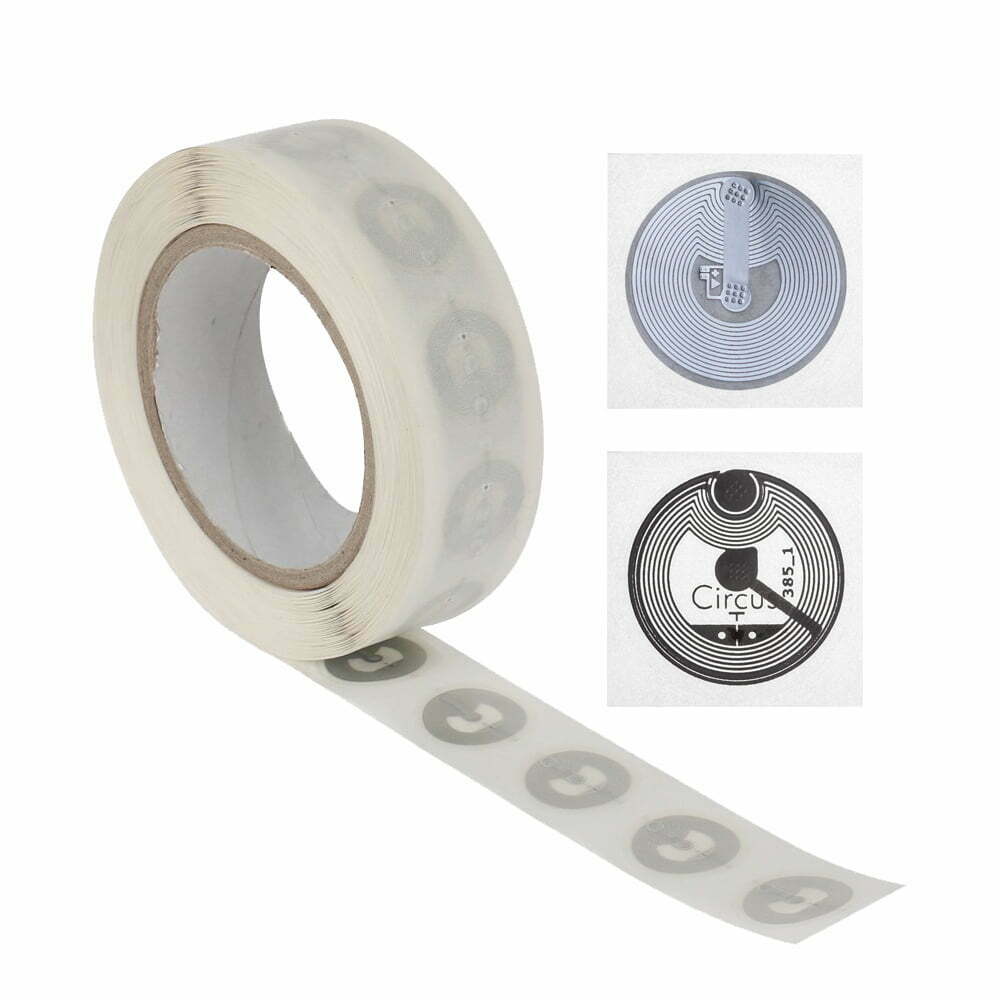
Substrat yang fleksibel dan tahan lama adalah kunci. Cari tatahan NFC dengan poliuretana (PU) atau poliuretana termoplastik (TPU) sarung, yang tahan lentur, kelembapan, dan detergen. Pada RFIDHY, kami tawarkan Tag NFC dan khusus dobi Tag dobi RFID direka untuk ketahanan yang tinggi. Ini boleh dijahit menjadi jahitan, ditekan haba pada label penjagaan, atau disepadukan ke dalam tampalan tenunan.
Protokol Pengujian Ketahanan
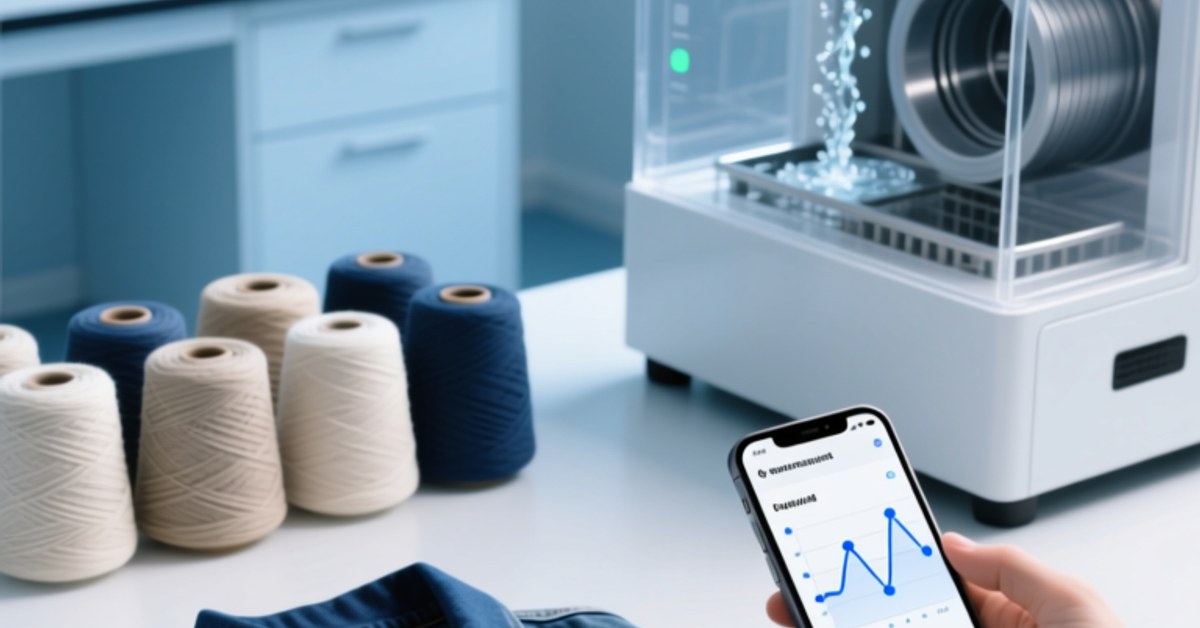
Sebelum pengambilan besar-besaran, tundukkan tag NFC anda kepada sekurang-kurangnya 30–50 kitaran cucian industri dengan detergen standard. Uji ketekalan julat baca, integriti data, dan sebarang kemerosotan yang kelihatan. Teg harus mengekalkan komunikasi medan dekat yang boleh dipercayai pada jarak 2–5 cm selepas pengubahan pencucian berulang. Di samping itu, sahkan ketahanan terhadap bahan kimia penyeterika dan cucian kering.
Faktor Borang Tag untuk Tekstil
- Menjahit label tenunan NFC: Bersepadu terus ke dalam label jenama dan penjagaan.
- Tampalan TPU tekan haba: Digunakan pada fabrik luar atau dalam poket.
- Butang NFC bersalut silikon: Untuk pakaian tugas berat seperti pakaian kerja atau denim.
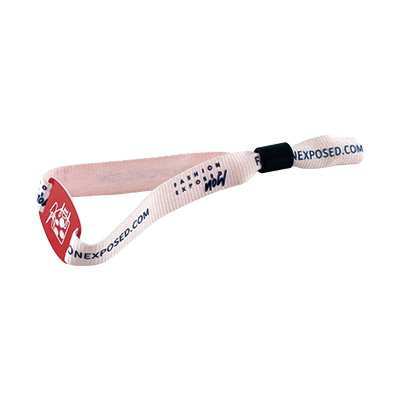
Untuk pakaian mewah, Rfidhy Gelang tangan silikon NFC teknologi telah mengilhamkan reka bentuk tag yang bijak namun berfungsi sepenuhnya, selalunya tersembunyi di sebalik label jenama tenunan.
3. Membina Aliran Data daripada Gentian ke Pakaian
DPP NFC hanya sebaik data yang dipautkannya. Melaksanakan kebolehkesanan bermakna menghubungkan setiap nod dalam rantaian bekalan tekstil kepada satu identiti digital.
Tangkapan Data Peringkat demi Peringkat
>
| Peringkat Rantaian Bekalan | Mata Data Ditangkap | Pendekatan Penandaan NFC |
|---|---|---|
| Serat Mentah (kapas/bulu/poliester kitar semula) | asal usul, pensijilan, status organik, ID kumpulan | Tag NFC dilekatkan pada bekas bale atau lot; UID dihasilkan |
| Berputar & Benang | Kiraan benang, nisbah campuran, kaedah berputar, tarikh | Tag NFC peringkat kelompok pada kon atau palet benang |
| Anyaman/Ait | Pembinaan fabrik, berat, banyak pewarna, bahan kimia penamat | Tag NFC dilekatkan pada gulungan kain |
| Memotong & Menjahit | Lokasi kilang, pensijilan audit, maklumat kebajikan pekerja | Pakaian individu mendapat tatahan NFC awal dengan tID unik |
| Penamat & Kawalan Kualiti | Basuh keputusan ujian, pemeriksaan akhir, butiran pembungkusan | Teg NFC kekal dikodkan dengan URL DPP lengkap |
Setiap peralihan menulis kepada pendaftaran DPP berasaskan awan, mewujudkan jejak audit yang tidak berubah. Jenama boleh menggunakan RFIDHY Pembaca RFID UHF dan pengimbas pegang tangan untuk bacaan pukal di pagar gudang, manakala tag NFC pakaian terakhir berfungsi sebagai alat pengesahan jenama dan pintu masuk pengguna.
Mengintegrasikan dengan Sistem ERP dan PLM
Data DPP anda harus mengalir secara automatik daripada sistem sedia ada. Petakan pengecam unik (UID) setiap teg NFC kepada pengurusan kitaran hayat produk anda (PLM) perisian. Apabila kumpulan baru memasuki pengeluaran, PLM anda memberikan julat UID; tag tersebut kemudiannya dikodkan dan dilampirkan. Kemas kini data—daripada pensijilan bahan mentah hingga penghantaran akhir—segerakkan melalui API ke awan DPP, memastikan pasport yang dihadapi pengguna sentiasa tepat.
4. Menangkap Penglibatan Pengguna pada Pakaian Itu Sendiri
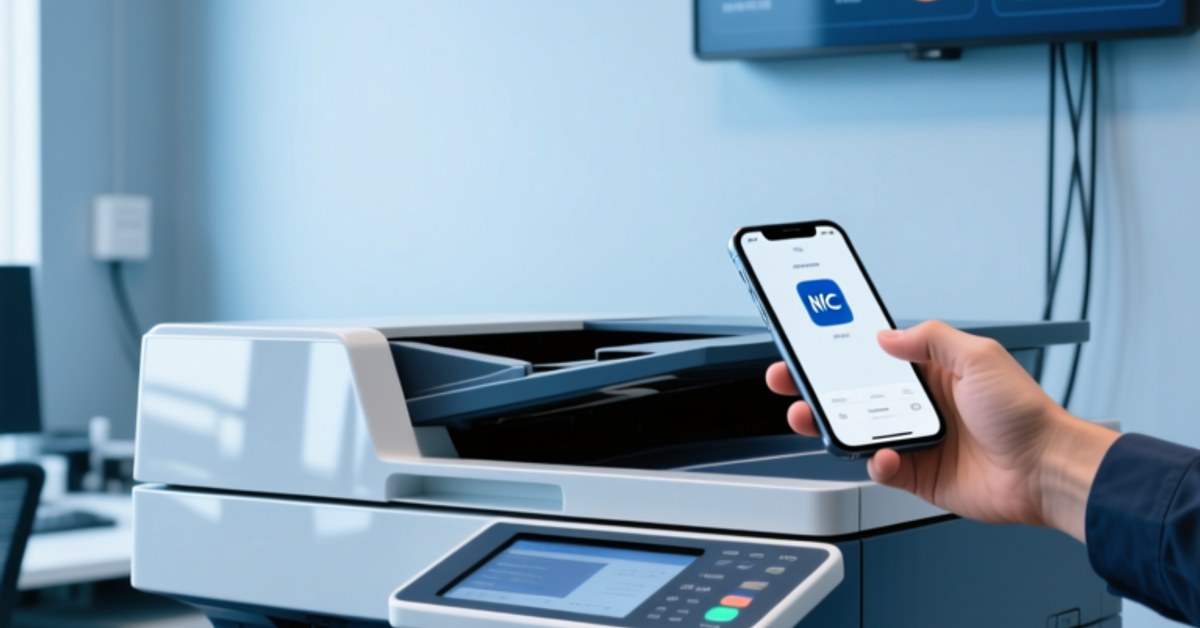
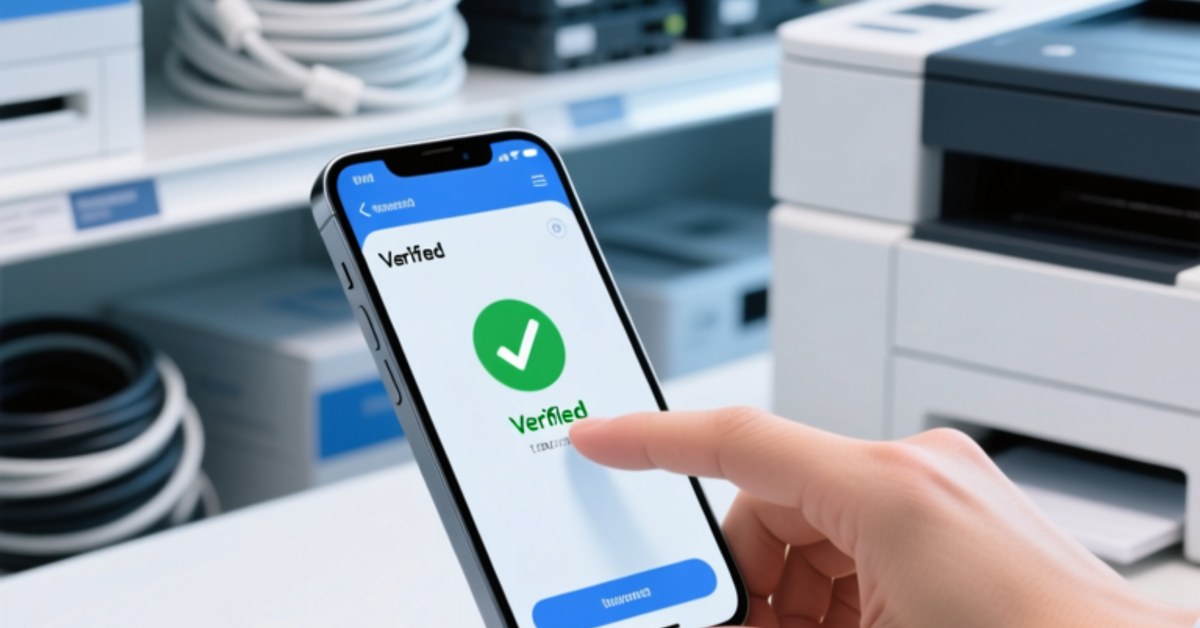
Teg NFC pada pakaian siap bukan hanya untuk pematuhan—ia adalah saluran terus kepada pemakai. Apabila pelanggan mengetik teg dengan telefon pintar, mereka boleh mengakses orang kaya, pengalaman terkawal jenama yang membina kesetiaan dan mendorong tingkah laku yang mampan.
Nilai Selepas Belian
- Pengesahan ketulenan: Bukti segera bahawa produk itu tulen, memerangi pemalsuan.
- Panduan penjagaan dan pembaikan: Video pencucian sensitif konteks, lokasi rakan kongsi pembaikan terdekat.
- Kemudahan jualan semula: Pemilik boleh mengesahkan asal barang untuk pasaran terpakai, meningkatkan nilai jualan semula.
- Insentif kitar semula: Pautan terus ke program ambil balik, mata ganjaran untuk memulangkan pakaian terpakai.
Jenama boleh mengemas kini halaman pendaratan DPP dari semasa ke semasa, menambah kandungan baharu tanpa menukar teg. Keupayaan dinamik ini memastikan bahawa kembar digital pakaian itu berkembang dengan penceritaan kemampanan jenama. Untuk lebih lanjut mengenai ini, baca panduan kami di bagaimana pasport produk digital berkuasa NFC mengubah ketelusan rantaian bekalan.
5. Senarai Semak Pelaksanaan untuk Jenama Tekstil
Peralihan kepada DPP berasaskan NFC memerlukan perancangan merentas fungsi. Gunakan senarai semak praktikal ini untuk memastikan projek anda berada di landasan yang betul.
- Semakan kawal selia: Sahkan kategori produk mana yang termasuk di bawah ESPR dan apabila pematuhan bermula.
- Penglibatan pembekal bahan: Tetapkan perjanjian perkongsian data dengan pengeluar gentian dan kilang fabrik.
- Pemilihan dan ujian tag: Pilot sekurang-kurangnya tiga jenis tag NFC yang boleh dibasuh di bawah keadaan dobi sebenar. Rfidhy Tag dobi RFID adalah titik permulaan yang sangat baik.
- Persediaan infrastruktur data: Wujudkan pendaftaran DPP atau sepadukan dengan pembekal perkhidmatan DPP yang mematuhi EU.
- Penyepaduan proses pengekodan: Pasang stesen pengekodan NFC di barisan pakaian akhir atau titik pembungkusan.
- Reka bentuk UX pengguna: Buat halaman pendaratan DPP yang dioptimumkan untuk mudah alih yang bermaklumat dan atas jenama.
- Latihan kakitangan: Mendidik pasukan jaminan kualiti dan gudang tentang pengendalian dan pengimbasan tag.
- Pelancaran juruterbang: Jalankan perintis dengan satu barisan produk, mengumpul data, dan perhalusi sebelum pelancaran penuh.
Memasukkan pasport digital ke dalam setiap pakaian adalah satu usaha yang penting, tetapi imbuhan sebagai pematuhan, integriti jenama, dan kepercayaan pengguna adalah besar. teknologi NFC, bekerjasama dengan reka bentuk tag tahan lama dan pengurusan data pintar, menjadikannya boleh dicapai hari ini. Untuk peta jalan yang lebih luas, lihat artikel kami DPP Didayakan NFC: Pelan Hala Tuju Praktikal kepada Pematuhan ESPR EU untuk Pengilang.
Soalan Lazim
Berapa banyak kitaran basuh boleh bertahan dengan tag NFC yang boleh dibasuh?
Tag NFC tekstil berkualiti tinggi yang direka dengan TPU atau enkapsulasi silikon biasanya boleh bertahan 50 atau lebih banyak kitaran cucian industri tanpa kehilangan prestasi yang ketara. Ketahanan sebenar bergantung kepada faktor seperti suhu air, kelajuan berputar, dan detergen yang digunakan. Sentiasa minta laporan ujian ketahanan daripada pembekal teg anda.
Adakah kos tag NFC boleh dilaksanakan untuk pakaian pasaran besar-besaran?
Apabila dipesan dalam jumlah, tatahan NFC yang tahan lama untuk tekstil boleh menelan kos serendah beberapa sen setiap satu. Memandangkan penjimatan pematuhan, faedah anti-pemalsuan, dan nilai penglibatan pengguna, pulangan pelaburan adalah kukuh untuk jenama pertengahan dan premium. Untuk baris volum tinggi, model hibrid menggunakan UHF RFID untuk rantaian bekalan dan NFC untuk titik sentuh pengguna boleh mengoptimumkan kos.
Bagaimana pula dengan privasi data? Adakah tag NFC menjejaki pengguna?
Data DPP disimpan dalam awan dan diakses hanya apabila pengguna mengetik teg secara aktif. Tiada data peribadi dikumpul melainkan pengguna secara sukarela memberikannya (Mis., untuk program kesetiaan). Teg itu sendiri mengandungi URL, bukan maklumat peribadi yang dibenamkan. Jenama mesti mematuhi GDPR dan peraturan privasi lain semasa mereka bentuk pengalaman pendaratan DPP.
Bolehkah tag NFC diintegrasikan ke dalam label penjagaan sedia ada?
Ya. Label NFC yang dijahit direka untuk digabungkan ke dalam tindanan label jenama dan penjagaan standard tanpa menambah pukal. Mereka boleh ditempah dalam saiz tersuai dan kemasan fabrik untuk dipadankan dengan estetika pakaian sedia ada.
Bersedia untuk Menenun Pasport Digital ke dalam Pakaian Anda?
Di RFIDHY, kami menyediakan yang mantap, tag NFC yang diuji basuh dan sokongan integrasi DPP hujung ke hujung untuk jenama tekstil di seluruh dunia. Daripada tatahan tahan lama kepada penyelesaian pengekodan, pasukan kami membantu anda membina telus, patuh, dan sistem pasport produk yang melibatkan pengguna. Hubungi pakar kami hari ini untuk meminta kit sampel dan mulakan perintis DPP tekstil anda.