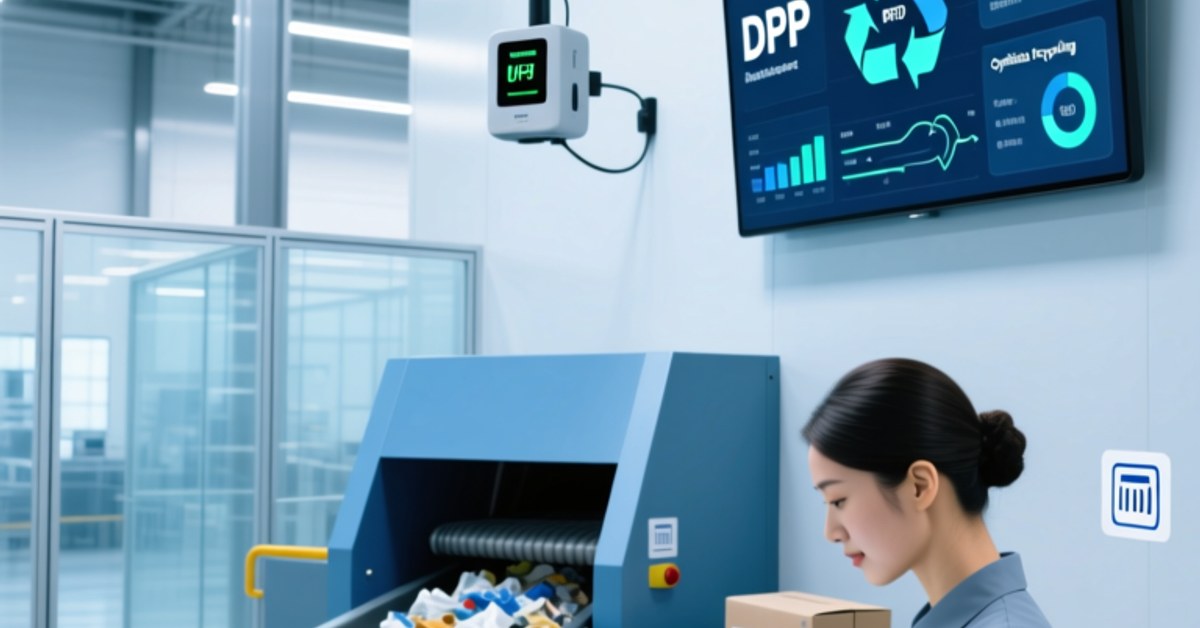
Imperatif Ekonomi Pekeliling: Mengapa Data Penting
Peralihan daripada model "ambil-buat-buang" linear kepada ekonomi bulat tidak lagi bercita-cita tinggi-ia adalah keperluan kawal selia dan pasaran. Di hati, pekeliling bergantung pada memastikan produk dan bahan digunakan lebih lama melalui penggunaan semula, pembaikan, pembuatan semula, dan kitar semula berkualiti tinggi. Untuk mencapai ini, pihak berkepentingan perlu tepat, boleh diakses, dan maklumat produk yang berterusan: komposisi bahan, arahan pembaikan, sejarah pemilikan, dan bimbingan akhir hayat.
Rangka kerja kawal selia mempercepatkan permintaan ini. Mandat ESPR EU DPP untuk pelbagai kategori produk, menghendaki pengeluar menyediakan identiti digital yang mengikuti produk sepanjang kitaran hayatnya. Teknologi NFC muncul sebagai pembawa yang ideal untuk identiti digital ini—merapatkan produk fizikal dengan desentralisasi, rekod data yang boleh dikemas kini.
Memahami DPP dan NFC
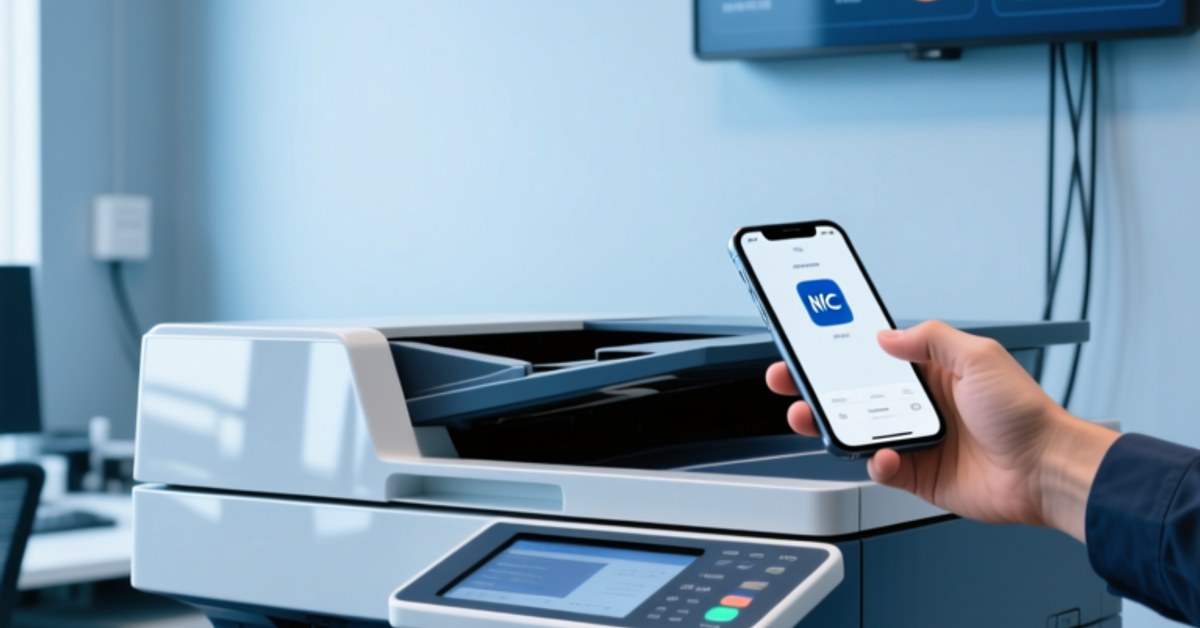
A Pasport Produk Digital ialah koleksi berstruktur data berkaitan produk—asal, bahan, Jejak Karbon, kebolehbaikan, dan arahan kitar semula—yang boleh diakses melalui pembawa data yang dilampirkan pada item tersebut. Tag NFC dan tatahan memberikan perubahan yang jelas, pautan peringkat item ke pasport ini. Ketik mudah dengan mana-mana telefon pintar yang didayakan NFC mendapatkan semula data produk terkini tanpa memerlukan aplikasi atau pengimbas khusus.
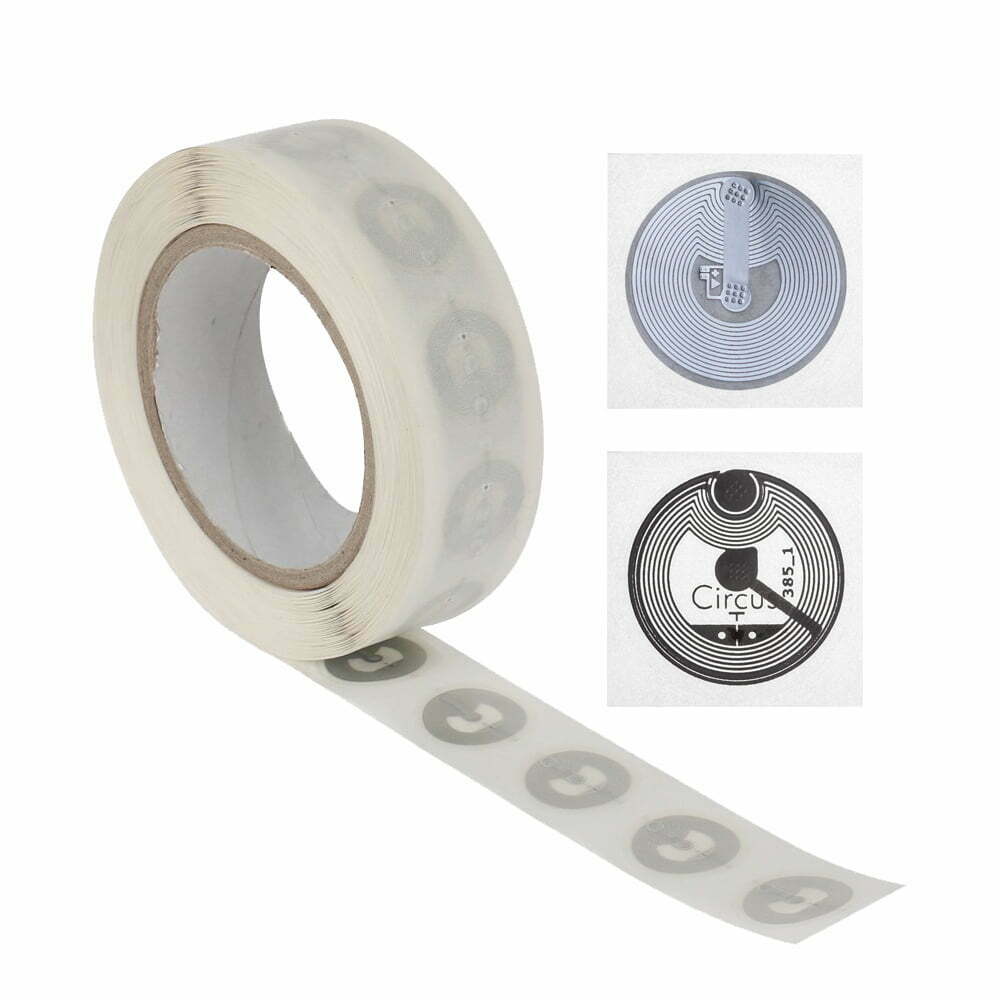
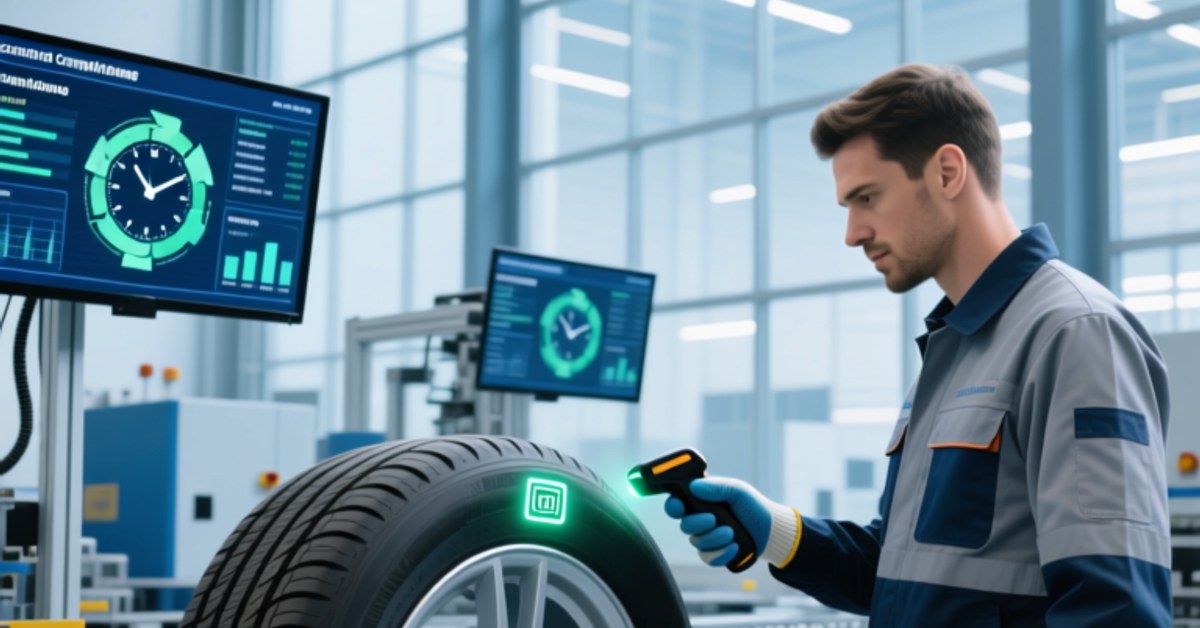
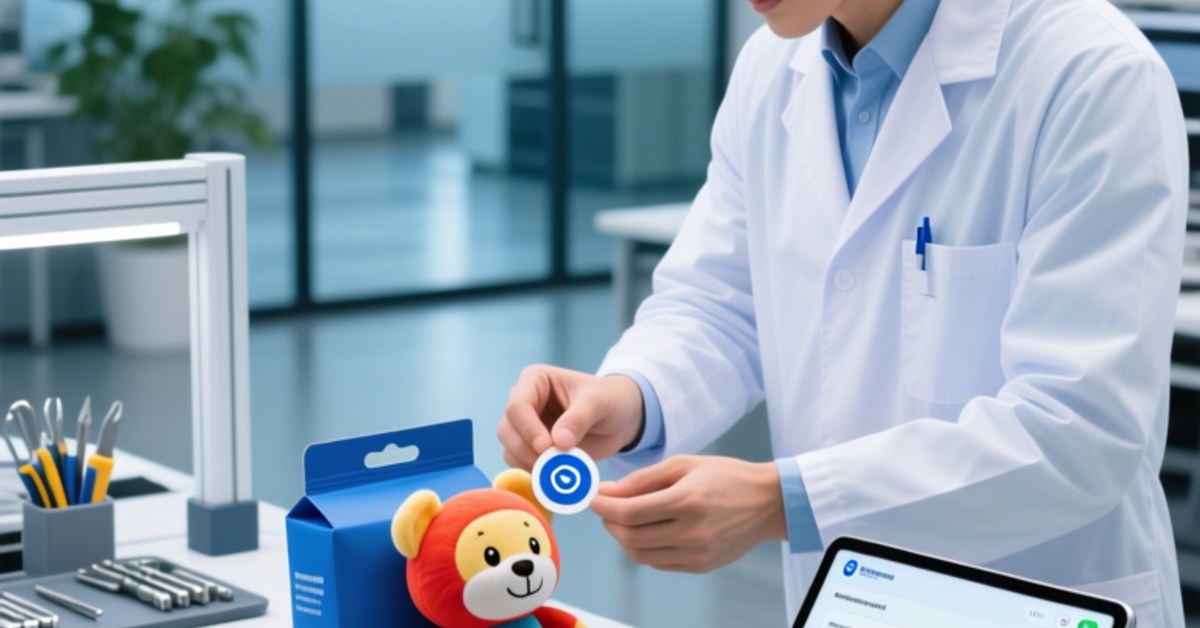
Tag NFC telah digunakan secara meluas untuk perlindungan jenama dan penglibatan pengguna. Apabila digunakan untuk kes penggunaan ekonomi pekeliling, mereka menjadi kunci kepada data kitaran hayat produk. Tidak seperti kod QR yang dicetak, Teg NFC boleh dibenamkan di dalam produk, kekal boleh dibaca walaupun ditutup atau dipakai, dan menyokong ciri lanjutan seperti pengesahan keaslian, kemas kini data dinamik, dan kawalan akses. Pada RFIDHY, rangkaian kami Tag NFC, Pelekat NFC, dan tatahan NFC direka untuk lampiran tahan lama pada tekstil, elektronik, pembungkusan, dan barangan perindustrian.
Mendayakan Penggunaan Semula dan Pembaikan dengan Data Produk Boleh Diakses
Salah satu halangan terbesar untuk membaiki dan menggunakan semula ialah kekurangan yang boleh dipercayai, maklumat terkini. Dengan ketik NFC, juruteknik pembaikan, pengubahsuai, malah pengguna boleh mengakses serta-merta:
- Manual pembaikan langkah demi langkah dan gambar rajah yang meletup
- Mengenal pasti alat ganti yang diperlukan, termasuk nombor bahagian OEM
- Status waranti dan sejarah perkhidmatan
- Kemas kini perisian dan penarikan balik keselamatan
Ketelusan ini memanjangkan hayat produk dan menyokong ekonomi pembaikan yang berkembang maju. Untuk aset industri kritikal, seperti peralatan pembuatan, tertanam Uhf rfid tags—seperti anti-logam kami Tag RFID—dayakan pengenalan bukan hubungan walaupun dalam persekitaran yang keras, memaut serta-merta kepada DPPlog penyelenggaraan berasaskan.
Memudahkan Pasaran Jualan Semula dan Second-Life
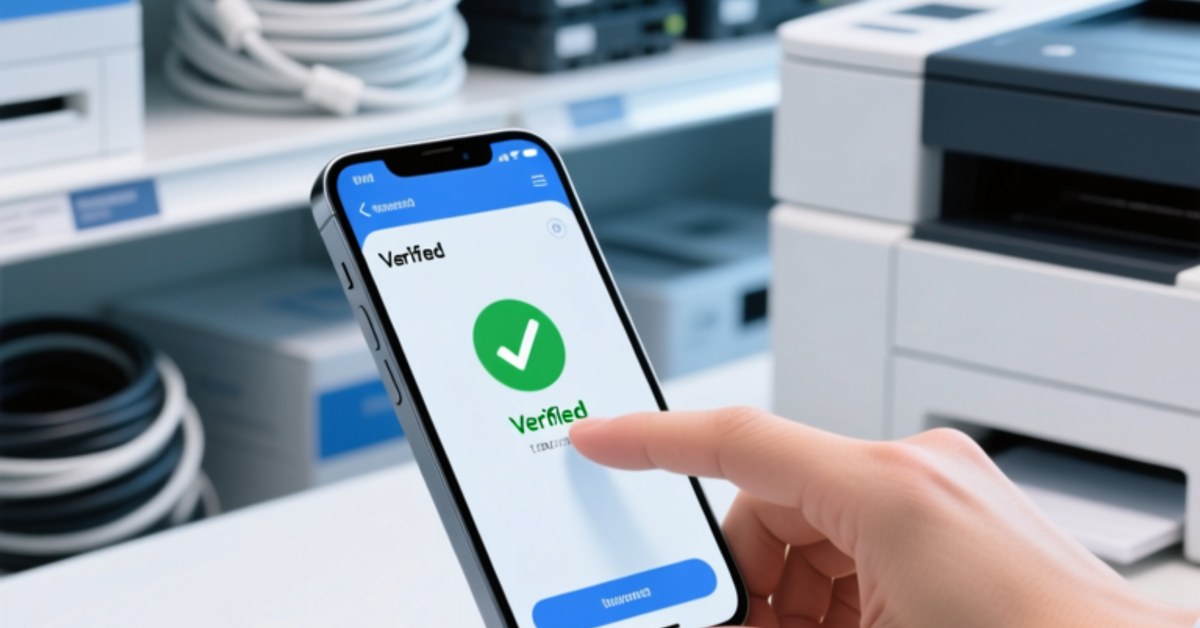
Untuk barangan pengguna dan aset bernilai tinggi, amanah adalah mata wang pasaran sekunder. DPP berkuasa NFC mengesahkan ketulenan dan mendokumenkan sejarah produk, meningkatkan keyakinan pembeli dan membolehkan nilai jualan semula premium. Jenama mewah sudah menggunakan NFC untuk memperakui asal; mekanisme yang sama ini kini boleh membawa rekod pembaikan, pemindahan hak milik, dan pensijilan untuk kegunaan seumur hidup—sebagai contoh, telefon pintar yang diperbaharui atau beg berjenama kitar semula.
Di peringkat perusahaan, Firma pelupusan aset IT boleh mengimbas keseluruhan palet peralatan bersara dengan Pembaca RFID UHF untuk mendapatkan semula data DPP dengan serta-merta, memperkemas penggredan, dan mengarahkan barang ke jualan semula yang sesuai, derma, atau aliran kitar semula.
Mengoptimumkan Kitar Semula dan Pemulihan Bahan
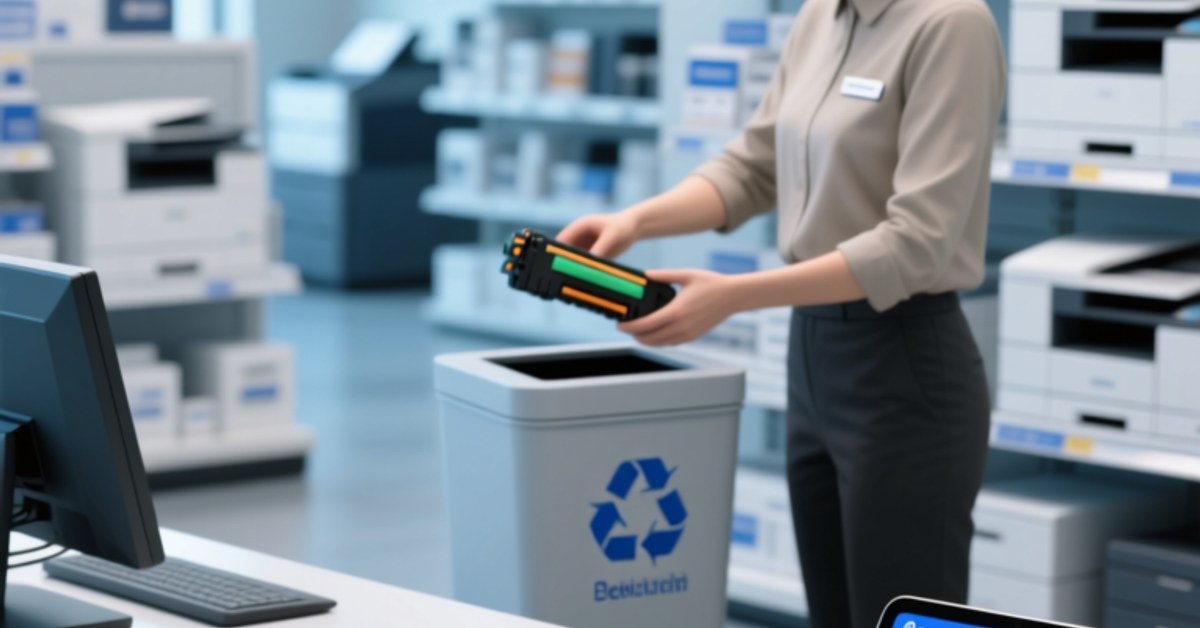
Proses kitar semula semasa sering kekurangan data komposisi bahan yang tepat, membawa kepada kitar bawah atau pelupusan tapak pelupusan. Membenamkan tag NFC atau UHF RFID dalam produk dan pembungkusan mampan NFC label secara langsung menangani jurang ini. Apabila barang tiba di kemudahan pemulihan bahan (MRF), talian pengisihan automatik yang dilengkapi dengan pembaca RFID tetap boleh:
>
| Teknologi | Sesuai Untuk | Contoh Kategori Produk |
|---|---|---|
| Tag NFC | Item bernilai tinggi, elektronik, pembungkusan boleh guna semula | Pelekat NFC, Tatahan NFC |
| Uhf rfid tags | Pengenalan pukal, pengisihan jarak jauh | Label RFID UHF, tag RFID anti-logam |
| Pembaca RFID | Stesen pengisihan automatik, penghantar | tetap Pembaca RFID, pegang tangan Pembaca RFID |
Dengan membaca data komposisi bahan daripada pasport digital, peralatan pengasingan boleh mengasingkan plastik mengikut jenis polimer, mengekstrak bahan mentah kritikal daripada elektronik, dan memastikan bahan berbahaya dikendalikan dengan betul. Ini bukan sahaja meningkatkan hasil kitar semula tetapi juga menyokong pematuhan kepada tanggungjawab pengeluar yang diperluaskan (EPR) skim.
Pembungkusan Mampan dan Rantaian Bekalan Pekeliling
Pembungkusan adalah sasaran utama untuk inovasi bulat. Pembungkusan mampan yang didayakan NFC membolehkan jenama menyampaikan arahan pemulangan, insentif pembungkusan boleh guna semula, dan panduan kitar semula pada titik interaksi. Contohnya, tote penghantaran boleh guna semula yang dilengkapi dengan tag NFC boleh mencatatkan kiraan perjalanannya, keperluan penyelenggaraan, dan status deposit, menukar pembungkusan daripada kos kepada aset yang dijejaki.
Merentasi yang lebih luas rantaian bekalan bulat, Kuasa teknologi RFID logistik terbalik. kami Tag dan pembaca RFID UHF dayakan pengimbasan get-in/gate-out pantas untuk barangan yang dipulangkan dan bekas boleh guna semula. Digabungkan dengan pengurusan inventori berasaskan RFID, syarikat mendapat keterlihatan masa nyata ke dalam aliran produk, mengurangkan kebocoran dan mengoptimumkan penggunaan aset—penunjuk prestasi utama untuk sebarang program kemampanan.
Pemboleh Teknologi RFIDHY untuk Ekonomi Pekeliling
Menggunakan model ekonomi bulat memerlukan ekosistem penuh penyelesaian bacaan dan penandaan. Di NFWORK Technology dan RFIDHY, kami menyediakan blok bangunan:
- Pengesahan produk NFC dan tag DPP: Tag NFC, Tatahan NFC, Pelekat NFC yang boleh diperibadikan kilang dengan ID unik dan kunci yang disulitkan.
- Tag aset RFID tahan lama: Tag RFID anti-logam, Tag dobi RFID, dan tatahan kering RFID untuk persekitaran yang menuntut di mana label biasa gagal.
- Infrastruktur membaca: Pembaca RFID UHF pegang tangan dan tetap, pembaca RFID desktop, dan modul RFID untuk penyepaduan ke dalam mesin pengisihan.
- Penyelesaian RFID: Penjejakan aset RFID, Pengurusan Inventori, dan sistem pengurusan gudang yang menyuapkan data kitaran hayat ke dalam DPP.
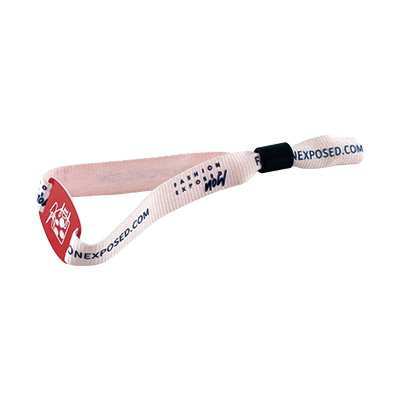
- Boleh pakai untuk program guna semula: Gelang tangan silikon NFC dan gelang tangan RFID untuk skim kitar semula acara atau program pemulangan deposit.
Semua produk ini tersedia untuk pasukan kelestarian dan kejuruteraan yang ingin menerapkan pekeliling ke dalam proses pengeluaran mereka tanpa bermula dari awal.
Kesimpulan: Menutup Gelung dengan Produk Bersambung
Ekonomi pekeliling memerlukan data, dan data memerlukan pembawa yang kekal dengan produk dari jualan pertama hingga pembongkaran akhir. Teknologi NFC dan RFID menjadikan Pasport Produk Digital ketara, menyediakan pautan yang hilang antara item fizikal dan strategi pekeliling digital. Sama ada anda mereka bentuk untuk kebolehbaikan, menskalakan skim ambil balik, atau mengoptimumkan kemudahan kitar semula, gabungan penandaan peringkat item dan pasport berasaskan awan mewujudkan daya tahan, telus, dan sistem gelung tertutup yang menguntungkan.
Apakah itu DPP dan bagaimana NFC menyokongnya?
DPP ialah rekod digital yang mengandungi data kitaran hayat produk—komposisi bahan, kebolehbaikan, arahan kitar semula, dll. Tag NFC yang dilampirkan pada produk berfungsi sebagai jambatan fizikal; ketik mudah dengan telefon pintar mendapatkan semula pasport dari awan, menyediakan akses segera kepada data terkini.
Bagaimanakah NFC meningkatkan kitar semula berbanding kaedah konvensional?
Kitar semula konvensional bergantung pada pengisihan manual atau optik dengan ketepatan yang terhad. Teg RFID NFC dan UHF boleh menyimpan atau merujuk data komposisi bahan berbutir, membenarkan garisan pengisihan automatik untuk mengenal pasti gred plastik tertentu, mengekstrak komponen berbahaya, dan mengekalkan nilai material, membawa kepada kitar semula yang lebih berkualiti.
Bolehkah tag NFC bertahan dalam persekitaran kitar semula yang keras?
Teg NFC standard direka untuk interaksi mesra pengguna, tetapi untuk kitar semula industri, tag RFID anti-logam dan label RFID UHF lasak kami dibina untuk menahan kelembapan, panas, dan tekanan fizikal. Pilihan teg bergantung pada aplikasi dan julat bacaan yang diperlukan.
Adakah teknologi NFC serasi dengan peraturan kemampanan EU?
betul-betul. Rangka kerja ESPR EU dengan jelas menjangkakan penggunaan pembawa data seperti NFC dan RFID untuk melaksanakan DPP. Penyelesaian kami selaras dengan pengendalian data yang mematuhi GDPR dan menyokong piawaian GS1/EPCglobal yang biasanya diperlukan untuk ketelusan rantaian bekalan.