Warum das EU-DPP für KMU wichtig ist
Die der Europäischen Union DPP ist ein Eckpfeiler des ESPR, nachweisbar erfordern, maschinenlesbare Produktdaten über den gesamten Lebenszyklus hinweg. Während große Unternehmen über spezielle Compliance-Teams verfügen, KMU sind einem unverhältnismäßigen Druck ausgesetzt – verfügen aber auch über die einzigartige Flexibilität, skalierbare Lösungen einzuführen, kosteneffiziente Lösungen. Beginnend in 2027, DPP Die Anforderungen werden nach Produktkategorie eingeführt (Z.B., Batterien, Textilien, Elektronik), mit vollständiger Durchsetzung erwartet 2030.
Was KMU wissen müssen: Zeitleiste & Mindestdatenanforderungen
Die ESPR gilt für alle Produkte, die in der EU auf den Markt gebracht werden – unabhängig von Herstellergröße oder Herkunft. Zu den wichtigsten Meilensteinen gehören::
- 2027: Erste DPPs für Batterien und Elektrofahrzeuge erforderlich
- 2028: Textilien, Möbel, und Reifen
- 2029–2030: Elektronik, Baumaterialien, und medizinische Geräte
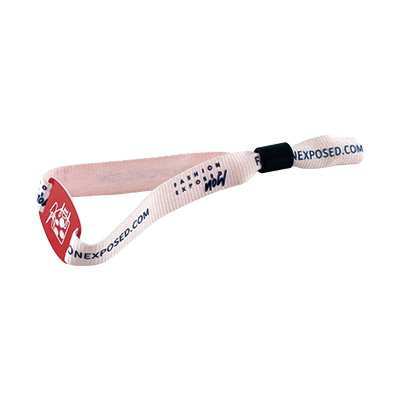
Minimum DPP Zu den Daten gehört auch die Produktidentifizierung, Materialzusammensetzung, Reparierbarkeitsbewertung, CO2-Fußabdruck, und Anweisungen zum Ende der Lebensdauer. Alle Daten müssen über eine dauerhafte digitale Kennung zugänglich sein – am häufigsten eine NFC-Tag eingebettet in Verpackungen oder Produktkennzeichnungen.
Ein praktischer 6-stufiger DPP-Vorbereitungsleitfaden für KMU
1. Fangen Sie klein an: Pilot mit einer Produktlinie
Beginnen Sie mit Ihrer margenstärksten oder exportorientiertesten Produktlinie. Integrieren NFC-Tags in vorhandene Etiketten oder Verpackungen – keine neuen Produktionslinien erforderlich. Nutzen Sie Ihren aktuellen Etikettenlieferanten; Viele unterstützen die NFC-Inlay-Integration mithilfe standardmäßiger Flexo- oder Digitaldruck-Workflows.
2. Wählen Sie das richtige NFC-Tag – Budget & Ausgewogene Sicherheit
Für KMU, RFIDTAGHY Angebote zertifiziert, NFC-Tags in Industriequalität, ideal für DPP-Anwendungsfälle. Zwei empfohlene Optionen:
>
| Besonderheit | NTAG 213 | NTAG 424 DNA |
|---|---|---|
| Erinnerung | 144 Bytes | 888 Bytes |
| Sicherheit | Grundlegender Passwortschutz | Dynamische URL-Signierung, kryptografische Authentifizierung |
| Am besten für | Konsumgüter mit geringem Risiko (Z.B., Bekleidung, Haushaltswaren) | Luxus, geregelt, oder hochwertige Artikel (Z.B., Kosmetika, Elektronik) |
| Quelle | RFIDHY NTAG 213 NFC-Tags | RFIDHY NTAG 424 DNA-NFC-Tags |
3. Wählen Sie eine leichte DPP-Softwareplattform
Suchen Sie nach Cloud-basiert, API-First-Plattformen, die keine Infrastrukturinvestitionen erfordern. Priorisieren Sie diejenigen, die die GS1 Digital Link-Standards unterstützen und vorgefertigte Vorlagen für ESPR-vorgeschriebene Datenfelder anbieten. Plattformen wie Die DPP-SaaS-Lösung von RFIDHY Bereitstellung von Preisen auf KMU-Ebene, Daten-Upload per Drag-and-Drop, und QR/NFC-Link-Generierung – einsetzbar in unten 48 Std..
4. Integration in bestehende Verpackungen & Beschriftung
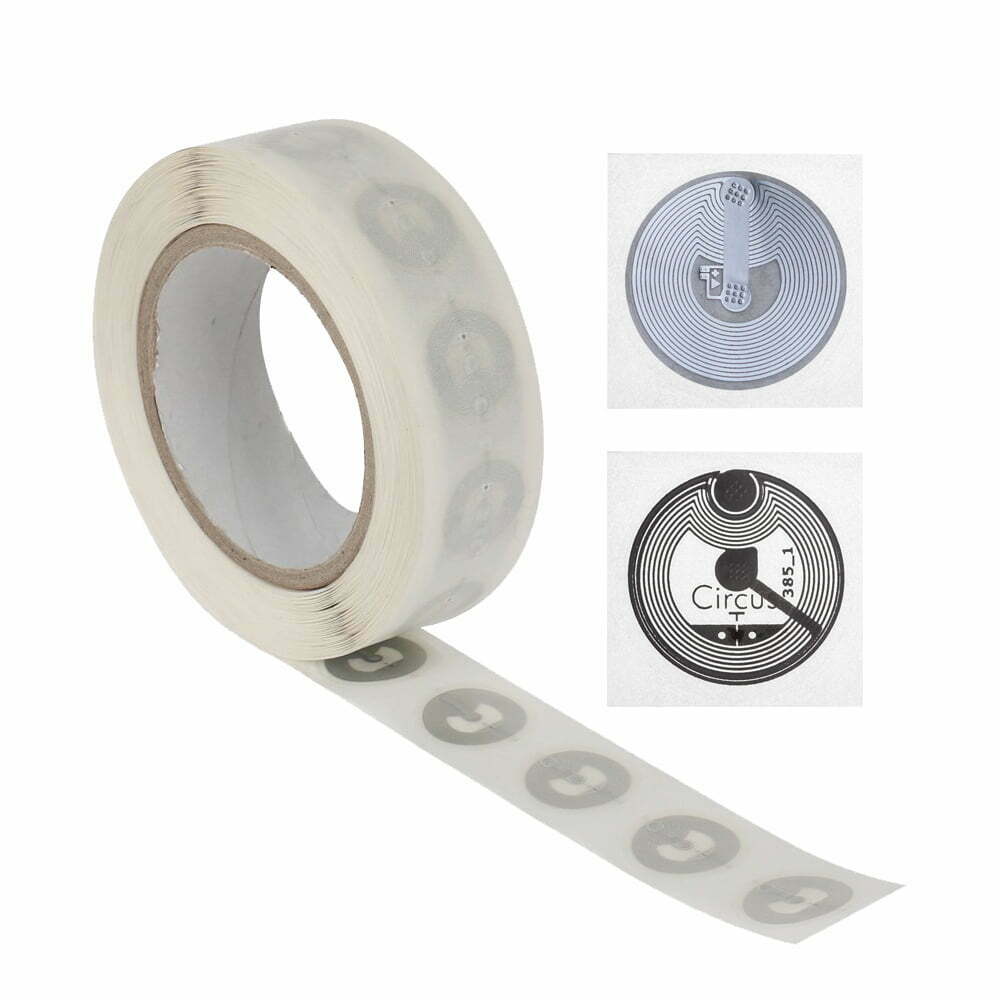
Arbeiten Sie mit Ihrem Etikettenhersteller zusammen, um während der Druckläufe NFC-Inlays einzubetten. RFIDTAGHY liefert NFC-Nasseinlagen, die mit gängigen Etikettenkonvertern kompatibel sind – eine Neugestaltung des Prozesses ist nicht erforderlich. Verwenden NFC -Aufkleber zur rückwirkenden Anwendung auf Altbestände.
5. Vermeiden Sie die typischen Fallstricke von KMU
- Unter der Annahme „ein Tag passt für alle“: Unterschiedliche Produktkategorien erfordern unterschiedliche Sicherheitsstufen – passen Sie die Tag-Auswahl an das Risikoprofil an.
- Übertechnische Datenerfassung: Beginnen Sie nur mit obligatorischen ESPR-Feldern; später erweitern.
- URL-Langlebigkeit wird ignoriert: Stellen Sie sicher, dass Ihre DPP-Landingpage-Domain langfristiger Eigentümer ist und HTTPS-Weiterleitungen unterstützt.
6. Verstehen Sie realistische Kostenspannen
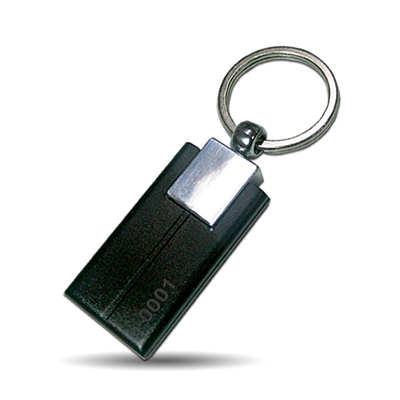
Die NFC-Tagging- und DPP-Verwaltungskosten pro Einheit für KMU liegen typischerweise in diesen Bereichen: – Erfahren Sie mehr über Schlüsselanhänger-Unterstützung.
- NFC-Tag (NTAG 213): 0,08 €–0,15 €/Einheit (volumenabhängig)
- NFC-Tag (NTAG 424 DNA): 0,22–0,38 €/Einheit
- Abonnement der DPP-Plattform: 99–299 €/Monat (basierend auf Produkt-SKUs und Aktualisierungshäufigkeit)
- Gebühr für die Etikettenintegration (einmalig): 500–2.000 € (abhängig von der Komplexität des Konverters)
Ihre 90-Tage-Checkliste für die DPP-Bereitschaft
- Wochen 1–2: Audit oben 3 exportorientierte SKUs; Identifizieren Sie den primären Etiketten-/Verpackungsanbieter
- Wochen 3–4: Fordern Sie NFC-Inlay-Muster bei an RFIDTAGHY; Testen Sie Lesereichweite und Haltbarkeit
- Wochen 5–6: Abonnieren Sie eine Test-DPP-Plattform; Füllen Sie Beispieldaten für eine SKU aus
- Wochen 7–8: Finalisieren Sie die NFC-Platzierung und die URL-Struktur; Validieren Sie die GS1 Digital Link-Konformität
- Wochen 9–12: Führen Sie eine Pilotcharge aus (500–1.000 Einheiten); Sammeln Sie internes Feedback und Leserkompatibilitätsberichte
Häufig gestellte Fragen
- Müssen KMU die Vorschriften einhalten, wenn sie nur außerhalb der EU verkaufen??
- Nein – DPP gilt nur für Produkte, die auf dem EU-Markt in Verkehr gebracht werden, auch wenn es woanders hergestellt wurde. Exporteure in die EU müssen sich daran halten.
- Kann ich für DPP QR-Codes anstelle von NFC verwenden??
- QR-Codes sind erlaubt, aber nicht empfehlenswert: NFC ermöglicht Offline, sicher, Authentifizierter Zugriff ohne Scan-Apps oder Internetabhängigkeit – entscheidend für Einzelhandels- und Logistikumgebungen.
- Sind die NFC-Tags von RFIDHY für die Einhaltung der EU-Vorschriften zertifiziert??
- Ja. Alle RFIDHY NFC-Tags erfüllen die Standards ISO/IEC 14443-A und CE RED, und werden auf Interoperabilität mit Major getestet Smartphones und Unternehmensleser.
- Was passiert, wenn meine DPP-URL offline geht??
- Die ESPR-Anforderungen bleiben bestehen, zuverlässiger Zugang. Verwenden Sie einen vertrauenswürdigen Hosting-Anbieter oder eine verwaltete DPP-Plattform wie die von RFIDHY – einschließlich Verfügbarkeits-SLAs und automatischem Failover.
Beginnen Sie noch heute Ihre DPP-Reise
Laden Sie unser kostenloses herunter DPP-Bereitschaftskit für KMU, einschließlich einer anpassbaren Datenvorlage, Checkliste zur Lieferantenbewertung, und NFC-Integrationsleitfaden – alles für den realen Betrieb von KMU konzipiert.