Einführung: Das Mandat zum digitalen Produktpass
Der Ökodesign-Verordnung für nachhaltige Produkte (ESPR) verändert die Art und Weise, wie Produkte gestaltet werden, hergestellt, und in der Europäischen Union verfolgt. Im Kern liegt die Digitaler Produktpass (DPP) – ein digitaler Datensatz, der produktspezifische Daten über den gesamten Lebenszyklus hinweg trägt. Für Hersteller, Die Erfüllung der ESPR-Anforderungen der EU ist nicht nur ein regulatorisches Kontrollkästchen; Es ist eine strategische Chance, die Transparenz der Lieferkette zu verbessern, zirkuläre Geschäftsmodelle ermöglichen, und das Vertrauen der Verbraucher stärken.
Diese Roadmap konzentriert sich auf NFC-fähige DPPs als praktisch, kostengünstig, und skalierbare Compliance-Lösung. Durch die direkte Einbettung von Near Field Communication-Tags in Produkte oder Verpackungen, Hersteller können durch einfaches Antippen eines Smartphones sofortigen Zugriff auf das DPP ermöglichen. Es ist keine komplexe Scan-Infrastruktur erforderlich, Dadurch eignet es sich besonders für Branchen wie die Bekleidungsindustrie, Elektronik, Möbel, und Batterieproduktion.
Verstehen des EU-ESPR-Zeitplans und -Umfangs
Der ESPR wurde im März vorgeschlagen 2022 Es wird erwartet, dass das Gesetz zwischen 2011 und 2011 vollständig in Kraft treten wird 2024 Und 2027, mit der schrittweisen Einführung delegierter Rechtsakte für bestimmte Produktgruppen. Die erste Welle umfasst Batterien, Textilien, und Elektronik. Hersteller, die in die EU exportieren, müssen sich jetzt darauf vorbereiten, Marktzugangsstörungen zu vermeiden.
>
| Meilenstein | Erwarteter Zeitplan | Auswirkungen auf Hersteller |
|---|---|---|
| ESPR tritt in Kraft | 2024–2025 | Rechtsgrundlage geschaffen; Die delegierten Rechtsakte beginnen |
| Batterie-DPP obligatorisch | 2027 | Alle Industrie- und Elektrobatterien müssen über einen digitalen Pass verfügen |
| Textilien & Elektronik DPP | 2027–2028 | Stufenweise Durchsetzung für schnelldrehende Konsumgüter |
| Vollständige Abdeckung | 2030+ | Die meisten Produktkategorien werden wahrscheinlich abgedeckt |
Durch die frühzeitige Einführung der NFC-DPP-Technologie können Hersteller ihre Datenerfassungsprozesse verfeinern, Schulung von Supply-Chain-Partnern, und rechtzeitig vor Ablauf der Fristen an bevorstehende delegierte Rechtsakte anzupassen.
Der DPP-Technologie-Stack: Wo NFC passt
Ein Digital Product Passport-System erfordert einen mehrschichtigen Technologie-Stack. In der folgenden Tabelle werden die einzelnen Schichten und die Integration der NFC-Technologie auf Datenträgerebene erläutert.
>
| Schicht | Beschreibung | NFC-Rolle |
|---|---|---|
| Eindeutige Identifikation | Jedes Produkt erhält eine weltweit eindeutige Kennung (UID) | NFC-Tags Integrieren Sie eine werkseitig programmierte UID, die nicht geändert werden kann, dient als unveränderlicher digitaler Fingerabdruck des Produkts |
| Datenträger | Physisches Medium, das das Produkt mit der digitalen Aufzeichnung verbindet | NFC-Tags/NFC-Inlays werden direkt auf dem Produkt oder der Verpackung angebracht, kontaktlosen Zutritt ermöglichen |
| Datenmanagement | Cloud- oder Blockchain-basiertes DPP-Repository | Der NFC-Tag-Speicher kann eine auflösbare URL speichern, die auf das in der Cloud gehostete DPP verweist; verschlüsselte Optionen verfügbar |
| Zugriffsschnittstelle | Wie Stakeholder Daten lesen/schreiben | Verbraucher und Prüfer nutzen jedes NFC-fähige Smartphone; Industrielle Lesegeräte übernehmen die Massenverifizierung |
| Sicherheit & Vertrauen | Authentifizierungs- und Integritätsmechanismen | NFC-Chips wie NTAG 424 DNA ermöglicht gegenseitige Authentifizierung und verschlüsselte Kommunikation |
Bei NFCWORK, Wir helfen Herstellern bei der Auswahl der richtigen NFC-Tags für ihre DPP-Anwendungen – vom Standard NFC -Aufkleber zu robust Anti-Metall-NFC-Tags für industrielle Umgebungen.
Schritt-für-Schritt-Anleitung zur NFC-DPP-Implementierung
Die Implementierung eines konformen DPP kann in vier klare Phasen unterteilt werden. Befolgen Sie diese Roadmap, um die NFC-Technologie zu integrieren und gleichzeitig Betriebsunterbrechungen zu minimieren.
Phase 1: Produktdaten-Mapping und DPP-Architektur
- Identifizieren Sie alle EU ESPR-Pflichtdatenfelder für Ihre Produktkategorie (Materialien, recycelter Inhalt, CO2-Fußabdruck, Reparaturanleitung, Handhabungsanforderungen).
- Definieren Sie Ihr DPP-Datenmodell – berücksichtigen Sie GS1-Standards für die Produktidentifizierung und den Datenaustausch.
- Bestimmen Sie, ob sich die Daten auf einer Cloud-Plattform befinden, eine Blockchain, oder eine Hybridarchitektur. Stellen Sie sicher, dass das System jeder Produkteinheit eine eindeutige Resolver-URL zuweisen kann.
- Entwerfen Sie die DPP-Visualisierungsebene – wie werden Verbraucher und Partner die Passdaten anzeigen und mit ihnen interagieren??
Phase 2: NFC-Tag-Auswahl und Kodierungsstrategie
Die Wahl des optimalen NFC-Tags ist entscheidend. Zu den wichtigsten Überlegungen gehören::
- Speichergröße: Für ein reines URL-DPP, 144 Bytes (NTAG 213) genügen; zur Offline-Speicherung ergänzender Daten, halten 888 Bytes (NTAG 216). Sicherheitsorientierte Anwendungen profitieren von NTAG 424 DNA mit AES-Verschlüsselung.
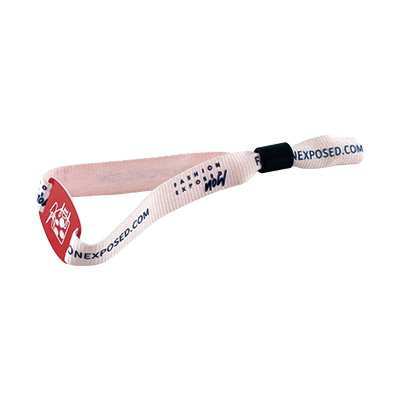
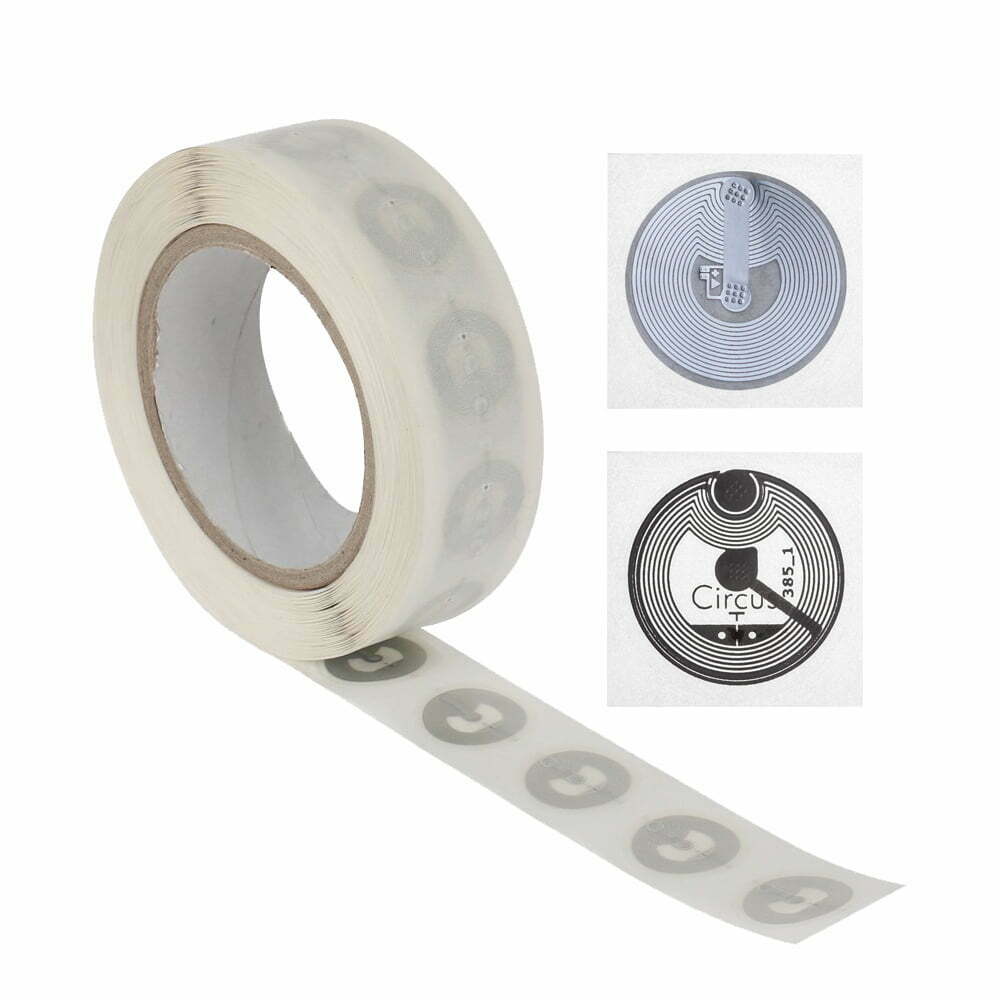
- Formfaktor: NFC -Aufkleber, NFC-Nasseinlagen, oder NFC-Silikonarmbänder abhängig von Produktoberfläche und Anwendungsfall. Für Metallgüter, wählen Anti-Metall-NFC-Tags.
- Umweltverträglichkeit: Anforderungen an industrielle Umgebungen wasserdichte und hitzebeständige NFC-Tags.
- Codierung: Programmieren Sie jedes Tag mit der eindeutigen Resolver-URL, Sperren Sie es auf schreibgeschützt, und optional eine digitale Signatur hinzufügen.
Phase 3: Fertigungsintegration und Supply-Chain-Rollout
- Integrieren Sie die NFC-Tag-Kodierung in bestehende Produktionslinien – Kodiergeräte können in die Etikettierstationen integriert werden.
- Skalierbare Lösungen reichen von Desktop-NFC-Lesegeräte für geringe Lautstärken bis hin zu hoher Geschwindigkeit Industrielle RFID-Module ist in der Lage, Tausende von Tags pro Stunde zu kodieren.
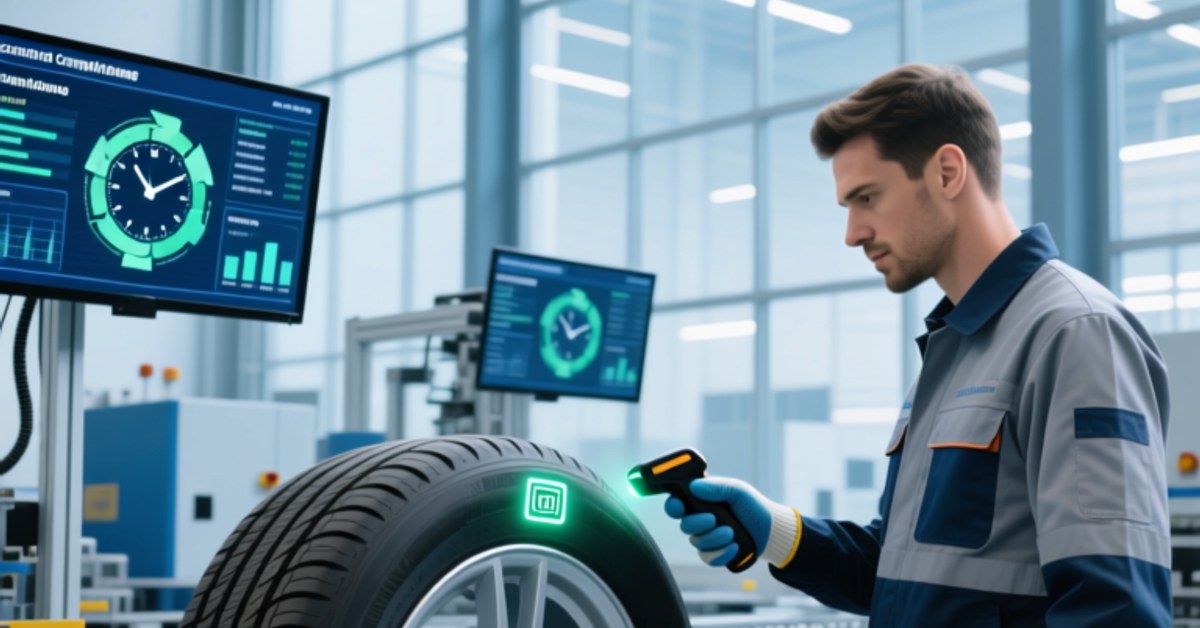
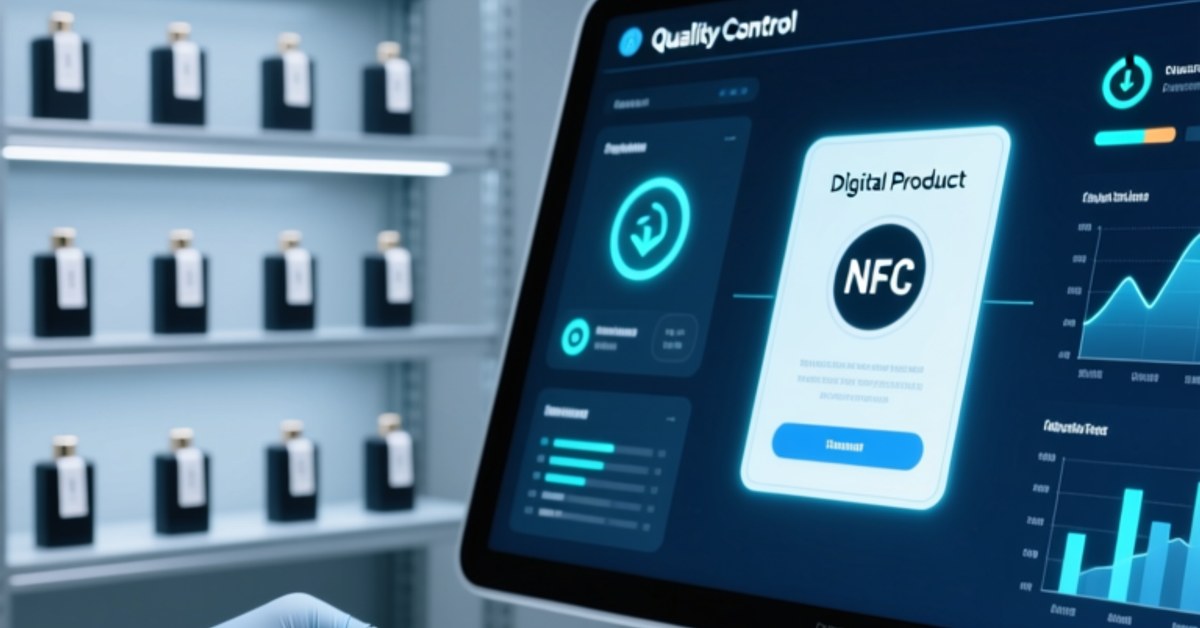
- Richten Sie Qualitätstore ein, um sicherzustellen, dass jedes Etikett vor dem Versand korrekt codiert und lesbar ist.
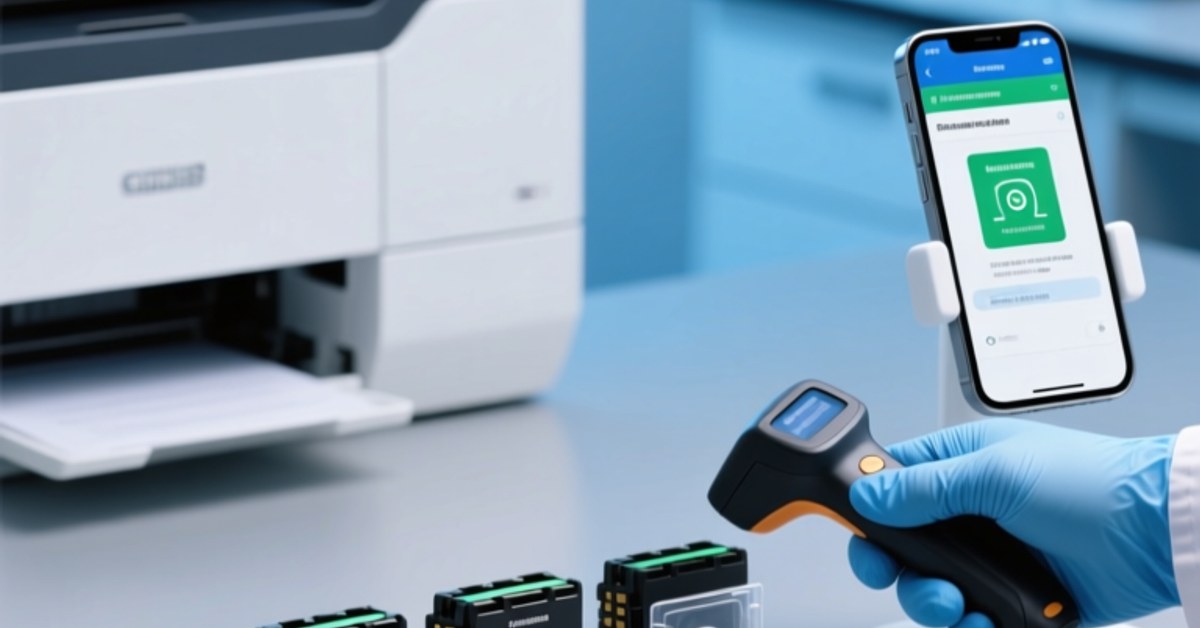
- Schulen Sie Lieferkettenpartner darin, relevante DPP-Felder zu scannen und zu aktualisieren (Z.B., Meilensteine der Logistik, Reparaturveranstaltungen) verwenden Hand-NFC-Scanner oder Standard Smartphones.
- Hebelwirkung NFC-Blockchain-Integration für eine manipulationssichere Rückverfolgbarkeit über die gesamte Kette.
Phase 4: Verbraucherengagement und Lebenszyklusmanagement
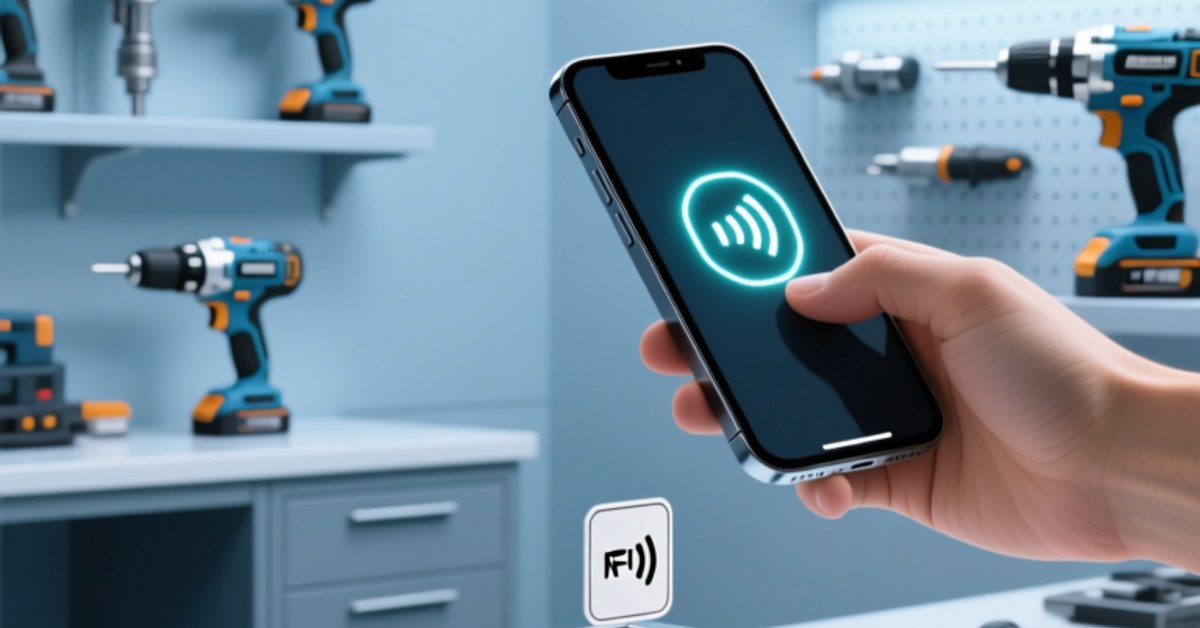
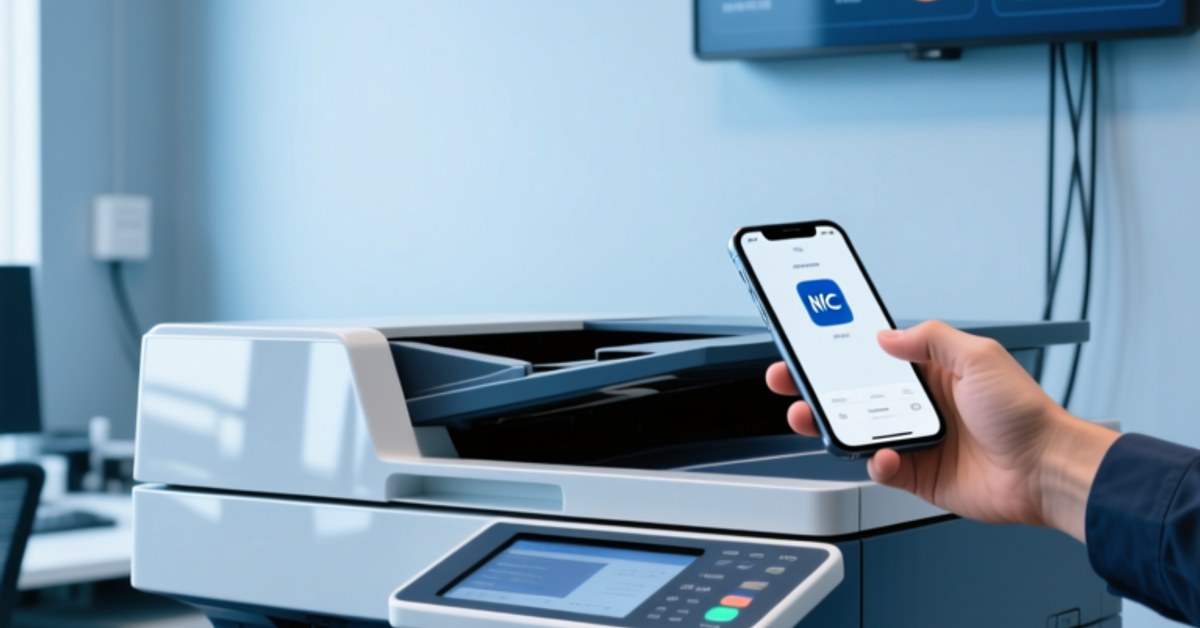
- Verbraucher tippen mit ihrem Telefon auf das NFC-fähige DPP, um sofort auf Produktinformationen zuzugreifen, Pflegeratgeber, und Recyclingmöglichkeiten. Das Phygitale Brücke steigert die Markentreue.
- Aktivieren Sie Datenaktualisierungen nach dem Verkauf: Dienstleister, Sanierer, oder Recycler können dem DPP neue Einträge hinzufügen (unterliegen Genehmigungen) mit demselben NFC-Tap-Punkt.
- Überwachen Sie die DPP-Nutzungsanalysen, um Einblicke in den Produktlebenszyklus und die Kreislaufleistung zu erhalten.
EU-ESPR-Compliance-Checkliste für Hersteller
Nutzen Sie diese Checkliste als Leitfaden für Ihre DPP-Implementierung.
>
| Compliance-Bereich | Aktionselemente | Status |
|---|---|---|
| Regulierungsbewusstsein | Identifizieren Sie anwendbare delegierte Rechtsakte für Ihre Produktkategorien. Überwachen Sie EU-ESPR-Updates. | ☐ |
| Datenvorbereitung | Erfassen und digitalisieren Sie obligatorische Produktdaten (Materialzusammensetzung, recycelter Inhalt, CO2-Fußabdruck). An ESAP-Standards ausrichten. | ☐ |
| Einzigartige Serialisierung | Weisen Sie pro Produkteinheit global eindeutige Kennungen zu. Registrieren Sie das Präfix bei GS1 oder einem akkreditierten Aussteller. | ☐ |
| NFC-Tag-Auswahl | Wählen Sie den für Produkt und Umgebung geeigneten NFC-Chip und Formfaktor. Validieren Sie Haltbarkeit und Lesereichweite. | ☐ |
| DPP-Plattform | Wählen oder erstellen Sie ein Cloud-/Blockchain-DPP-Repository, das den EU-Vorschriften zur Datensouveränität entspricht. | ☐ |
| Fertigungsintegration | Integrieren Sie die NFC-Kodierung in Produktionslinien. Implementieren Sie Tag-Qualitätsprüfungen. | ☐ |
| Onboarding der Lieferkette | Bieten Sie Logistik- und Einzelhandelspartnern Schulungen und einfache Scan-Tools an. | ☐ |
| Verbraucherzugang | Stellen Sie sicher, dass DPP per Smartphone-Tap mit einer benutzerfreundlichen Oberfläche und mehrsprachiger Unterstützung zugänglich ist. | ☐ |
| End-of-Life-Management | Erleichtern Sie die Erfassung von Recyclingdaten und Demontageanweisungen durch das DPP. | ☐ |
Gemeinsame Herausforderungen bei der Implementierung meistern
Hersteller stehen bei der DPP-Einführung oft vor Hürden. Hier erfahren Sie, wie die NFC-Technologie dabei hilft, diese Probleme zu lösen:
- Integration bestehender Systeme: NFC-Tags können ohne Überarbeitung bestehender ERP-Plattformen eingesetzt werden. Eine einfache URL-Weiterleitung verbindet physisches Produkt und digitalen Reisepass.
- Datengenauigkeit: Durch die automatisierte NFC-Kodierung am Herstellungsort werden Fehler bei der manuellen Dateneingabe vermieden.
- Bedenken hinsichtlich Fälschungen: NFC-Chips mit kryptografischer Authentifizierung (Z.B., NTAG 424 DNA) Stellen Sie sicher, dass nur Originalprodukte über ein nachweisbares DPP verfügen.
- Skalierbarkeit: Unser RFID/NFC-Lösungen von Pilotprojekten bis hin zu globalen Rollouts, deckt Millionen von Produkten ab.
Bleiben Sie mit NFC-fähigen DPPs dem ESPR der EU immer einen Schritt voraus
Die Einführung der NFC-Technologie für Ihren digitalen Produktpass ist keine zukünftige Überlegung mehr – sie ist eine heutige Notwendigkeit für jeden Hersteller, der in der EU Geschäfte tätigt. Die Technologie ist ausgereift, kostengünstig, und von Natur aus kompatibel mit der ESPR-Vision der Produkttransparenz. Indem Sie dieser Roadmap folgen, Ihr Unternehmen kann von Compliance-Angst zur Marktdifferenzierung übergehen.
Für einen tieferen Einblick in verwandte Technologien, Entdecken Sie unsere Ressourcen auf Lösungen für den digitalen Produktpass Und Rückverfolgbarkeit der NFC-Blockchain.
FAQ
Was ist der Unterschied zwischen NFC- und QR-Codes für DPP??
Beide können eine URL tragen. Jedoch, NFC bietet ein Tap-and-Go-Erlebnis, kann eine kryptografische Authentifizierung umfassen, um das Klonen zu verhindern, und ist robuster in Umgebungen mit schlechten Lichtverhältnissen oder schmutzigen Umgebungen. Im Gegensatz zu QR-Codes, Die eindeutige ID eines NFC-Tags kann nicht kopiert werden, Bereitstellung inhärenter Fälschungsschutzvorteile.
Ist NFC DPP mit EU ESPR konform??
Die ESPR schreibt keine bestimmte Trägertechnologie vor; Es erfordert, dass der Produktpass über einen Datenträger zugänglich ist. NFC-Tags, bei Verknüpfung mit einer standardkonformen DPP-Plattform, die Datenzugänglichkeitsanforderungen der Verordnung vollständig erfüllen.
Wie viel kostet die Implementierung von NFC DPP pro Produkt??
Die Kosten variieren je nach Tag-Typ und -Volumen. Basic NFC -Aufkleber kann weniger kosten als $0.05 in hohen Mengen, während sichere Tags mit Verschlüsselung möglicherweise etwas höher sind. Der Gesamt-ROI ist positiv, wenn man die Reduzierung von Fälschungen berücksichtigt, verbessertes Recycling, und gesteigertes Markenvertrauen.
Können NFC-Tags für DPP-Updates wiederverwendet werden??
Ja, wenn der Speicher des Tags so konfiguriert ist, dass Umschreibvorgänge möglich sind. Jedoch, für manipulationssichere Szenarien, Wir empfehlen, eine permanente URL zu schreiben und alle Aktualisierungen über das in der Cloud gehostete DPP abzuwickeln, die kontinuierlich aktualisiert werden kann, ohne das Tag zu ändern.
Benötigen Verbraucher eine spezielle App, um NFC-DPPs zu lesen??
NEIN. Modernstes NFC-fähiges Gerät Smartphones kann Standard-NFC-Tags ohne zusätzliche App lesen (iOS 14+ oder Android 5.0+). Der native Browser des Telefons öffnet beim Tippen automatisch die DPP-URL.
FAQ
Was ist der Unterschied zwischen NFC- und QR-Codes für DPP??
Beide können eine URL tragen. Jedoch, NFC bietet ein Tap-and-Go-Erlebnis, kann eine kryptografische Authentifizierung umfassen, um das Klonen zu verhindern, und ist robuster in Umgebungen mit schlechten Lichtverhältnissen oder schmutzigen Umgebungen. Im Gegensatz zu QR-Codes, Die eindeutige ID eines NFC-Tags kann nicht kopiert werden, Bereitstellung inhärenter Fälschungsschutzvorteile.
Ist NFC DPP mit EU ESPR konform??
Die ESPR schreibt keine bestimmte Trägertechnologie vor; Es erfordert, dass der Produktpass über einen Datenträger zugänglich ist. NFC-Tags, bei Verknüpfung mit einer standardkonformen DPP-Plattform, die Datenzugänglichkeitsanforderungen der Verordnung vollständig erfüllen.
Wie viel kostet die Implementierung von NFC DPP pro Produkt??
Die Kosten variieren je nach Tag-Typ und -Volumen. Einfache NFC-Aufkleber können weniger kosten als $0.05 in hohen Mengen, während sichere Tags mit Verschlüsselung möglicherweise etwas höher sind. Der Gesamt-ROI ist positiv, wenn man die Reduzierung von Fälschungen berücksichtigt, verbessertes Recycling, und gesteigertes Markenvertrauen.
Können NFC-Tags für DPP-Updates wiederverwendet werden??
Ja, wenn der Speicher des Tags so konfiguriert ist, dass Umschreibvorgänge möglich sind. Jedoch, für manipulationssichere Szenarien, Wir empfehlen, eine permanente URL zu schreiben und alle Aktualisierungen über das in der Cloud gehostete DPP abzuwickeln, die kontinuierlich aktualisiert werden kann, ohne das Tag zu ändern.
Benötigen Verbraucher eine spezielle App, um NFC-DPPs zu lesen??
NEIN. Die meisten modernen NFC-fähigen Smartphones können Standard-NFC-Tags ohne zusätzliche App lesen (iOS 14+ oder Android 5.0+). Der native Browser des Telefons öffnet beim Tippen automatisch die DPP-URL.
Bereit zum Erstellen Ihres NFC-fähigen digitalen Produktpasses?
Kontakt NFCWORK-Technologie Besprechen Sie noch heute Ihre Anforderungen an die EU-ESPR-Compliance. Unser RFIDHY Die Produktlinie bietet ein komplettes Sortiment an NFC-Tags, Einlagen, und Codierungslösungen zugeschnitten auf Fertigungsumgebungen. Holen Sie sich eine kostenlose Beratung und Musterbewertung, um Ihre DPP-Roadmap auf den richtigen Weg zu bringen.