Die EU-Batterieverordnung verstehen
Die Europäische Union gestaltet die Batterieindustrie durch eines der ehrgeizigsten Produktgesetzgebungspakete seit Jahrzehnten neu. Verabschiedet im Juli 2023 und seit Februar vollstreckbar 2024, das Neue EU-Batterieverordnung (EU 2023/1542) ersetzt die alte Batterierichtlinie und führt verbindliche Anforderungen zur Nachhaltigkeit ein, Sicherheit, Beschriftung, und Rückverfolgbarkeit. Batteriehersteller, Teilnehmer der Lieferkette für Elektrofahrzeuge, und jeder Exporteur von Industrie- oder Gerätebatterien nach Europa muss sich nun auf eine neue Ära der Transparenz vorbereiten.
Im Mittelpunkt dieser Verordnung steht die digitaler Batteriepass – eine einzigartige Produktidentität, die kritische Daten über den gesamten Lebenszyklus der Batterie speichert. Die Verordnung deckt zwar viele technische Aspekte ab, Die störendste Änderung ist die Pflicht zur Deklaration und Nachverfolgung CO2-Fußabdruck jedes Batteriemodells, von der Rohstoffgewinnung bis zum Recycling am Ende des Lebenszyklus.
Für Unternehmen, die Batteriesysteme der nächsten Generation entwickeln, NFC (Nahfeldkommunikation) Technologie erweist sich als praktisch, standardisierter Datenträger für diese digitalen Reisepässe. In diesem Artikel, Wir schlüsseln den regulatorischen Zeitplan auf, Erläutern Sie, welche Daten im Batteriepass enthalten sein müssen, und zeigen wie NFC-Tags und Inlays können in Akkupacks integriert werden, um eine vollständige Konformität zu erreichen.
Eine Zeitleiste der wichtigsten Meilensteine
Die EU-Batterieverordnung folgt einem schrittweisen Umsetzungsplan. Das Verständnis dieser Daten ist der erste Schritt beim Aufbau einer Compliance-Roadmap.
>
| Datum | Meilenstein | Auswirkungen |
|---|---|---|
| 17 August 2023 | Verordnung tritt in Kraft | Rechtsgrundlage geschaffen; Branchengruppen beginnen mit der detaillierten Vorbereitung. |
| 18 Februar 2024 | Es gelten die allgemeinen Pflichten | Bestimmungen zu Stoffen, Beschriftung, und Abfallmanagement greifen. |
| 18 August 2024 | Benannte Konformitätsbewertungsstellen | Für bestimmte Batteriekategorien beginnt die Prüfung durch Dritte. |
| 18 Februar 2025 | Abfallsammelziele für Gerätebatterien | 45% Sammelquote erforderlich; steigt an 63% von 2027 Und 73% von 2030. |
| 18 August 2025 | Erklärung zum CO2-Fußabdruck erforderlich | EV-Batterien, Industriebatterien (>2kWh), Batterien für leichte Transportmittel müssen ihren CO2-Fußabdruck deklarieren (pro Modell und Produktionsstätte). |
| 18 Februar 2026 | Einführung von Leistungsklassen für den CO2-Fußabdruck | Batterien werden mit einem Etikett versehen, auf dem ihre CO2-Fußabdruckklasse angegeben ist. |
| 18 Februar 2027 | Der digitale Batteriepass wird Pflicht | EV-Batterien und Industriebatterien (>2kWh) muss über einen Batteriepass verfügen, der über einen QR-Code zugänglich ist, NFC, oder ähnliches; enthält eindeutige Kennungen und Lebenszyklusdaten. |
| 18 August 2028 | Deklaration des recycelten Inhalts obligatorisch | Industrie- und Elektrobatterien müssen den Kobaltanteil offenlegen, führen, Lithium, und aus Abfall gewonnenes Nickel. |
Von 2027, Jedes in der EU verkaufte Elektrofahrzeug und jede große Industriebatterie muss von einem digitalen Reisepass begleitet sein. Für Batterie-OEMs und Systemintegratoren, Die Wahl des richtigen Datenträgers rechtzeitig vor diesem Datum ist entscheidend, um Neugestaltungen und Unterbrechungen der Lieferkette zu vermeiden.
Der digitale Batteriepass: Welche Daten sind erforderlich??
Der Batteriepass ist nicht nur ein Etikett; Es handelt sich um einen dynamischen Datensatz, der die Batterie während ihrer gesamten Lebensdauer begleitet. Gemäß der Verordnung, Der Reisepass muss eine eindeutige Kennung und mindestens die folgenden Informationen enthalten (über einen elektronischen Link zugänglich):
- Allgemeine Batterie- und Herstellerinformationen: Batteriemodell, Herstelleridentifikation, Ort der Herstellung, und Herstellungsdatum.
- Compliance-Dokumentation: EU-Konformitätserklärung, Testberichte, und Zertifizierungen.
- Erklärung zum CO2-Fußabdruck: der gesamte CO2-Fußabdruck berechnet in kg CO2-Äq pro kWh Energie, deckt die Beschaffung von Rohstoffen ab, Produktion, und Vertriebsstufen.
- Recycelter Inhalt: Prozentsätze von Kobalt, führen, Lithium, oder aus Post-Consumer-Abfällen gewonnenes Nickel.
- Materialzusammensetzung und Gefahrstoffe: Elektrochemische Chemie und Vorhandensein besorgniserregender Substanzen.
- Gesundheitszustand der Batterie: Parameter, die eine Beurteilung der verbleibenden Leistungskapazität der Batterie ermöglichen (insbesondere für Second-Life-Anwendungen).
- Informationen zur Kreislaufwirtschaft: Demontageanleitung, Sicherheitsmaßnahmen für die Wiederverwendung, und Recyclingprozesse.
Viele dieser Daten sind statisch (Herstellungsdetails, Materialzusammensetzung), Einige davon – etwa der Gesundheitszustand – müssen jedoch über die gesamte Lebensdauer der Batterie aktualisierbar sein. Das macht kontaktlos, robuste Datenträger wie NFC-Tags die ideale Hardware-Schnittstelle für den Reisepass.
Erklärung zum CO2-Fußabdruck
Die CO2-Fußabdruck-Erklärung ist der datenintensivste Teil des Batteriepasses. Für jedes Batteriemodell, das in einem bestimmten Werk hergestellt wird, Hersteller müssen einen Lebenszyklus-CO2-Fußabdruck berechnen und melden. Dazu gehören vorgelagerte Auswirkungen wie der Bergbau, verfeinern, und Komponententransport, sowie der Energieverbrauch in der Produktion. Die Methodik folgt den EU-Kategorieregeln für den ökologischen Fußabdruck von Produkten (PEFCR) für Batterien, welches ein standardisiertes Berechnungsmodell bereitstellt.
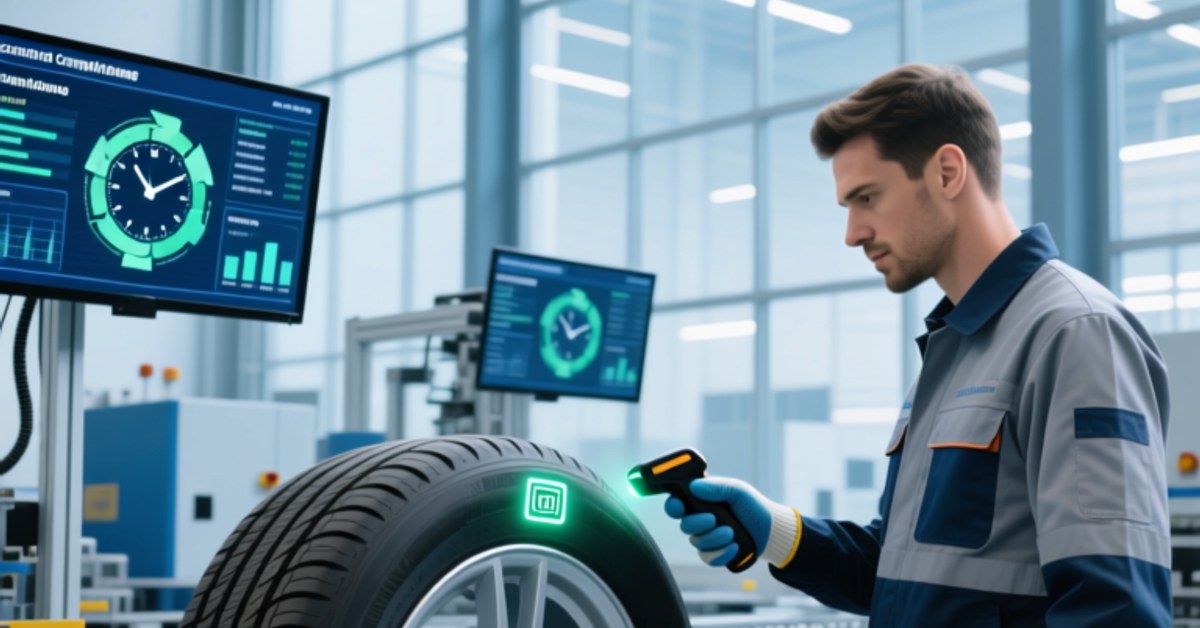
Um diese Daten zu sammeln, Unternehmen müssen Rohstoffe bis zu ihrem Ursprung zurückverfolgen, Sammeln Sie Energieverbrauchsdaten aus jedem Produktionsschritt, und überprüfbare Aufzeichnungen führen. Durch die Integration eines NFC-Inlays in die Batterie während der Montage kann die Datenerfassung vereinfacht werden, indem ein digitales Gateway zu einem cloudbasierten Repository bereitgestellt wird, in dem das detaillierte Lebenszyklusinventar gespeichert wird. Bei Audits oder Grenzkontrollen, Durch das Scannen des NFC-Tags wird sofort der vollständige CO2-Fußabdruckbericht abgerufen, der mit der jeweiligen Batterie verknüpft ist.
Recycelter Inhalt und Due Diligence
Aus 2028, Auch Industrie- und Elektrobatterien müssen ihren Recyclinganteil angeben. Dies treibt die Nachfrage nach einer überprüfbaren „Chain of Custody“-Verfolgung von Recyclern zurück zu Batterieherstellern voran. Ein NFC-Tag, der mit digitalen Aufzeichnungen verknüpft ist, die die Herkunft und Verarbeitung recycelter Materialien dokumentieren, kann zum vertrauenswürdigen Glied in dieser Kette werden. Es unterstützt auch die verpflichtende Sorgfaltspflicht in der Rohstofflieferkette, Sicherstellung, dass Kobalt, Lithium, und andere Mineralien stammen aus verantwortungsvollen Quellen.
NFC als Datenträger für Batteriepässe
Die EU-Verordnung erlaubt den Zugriff auf den Batteriepass über einen QR-Code oder einen anderen elektronischen Datenträger. Während auf Etiketten gedruckte QR-Codes weit verbreitet sind, Sie stellen Herausforderungen im Automobil- und Industrieumfeld dar: Etiketten können sich verschlechtern, bei schlechten Lichtverhältnissen unleserlich werden, oder während der Installation abgedeckt werden. NFC, auf der anderen Seite, bietet eine kontaktlose, dauerhaft, und sichere Alternative, die direkt in den Akku integriert werden kann.
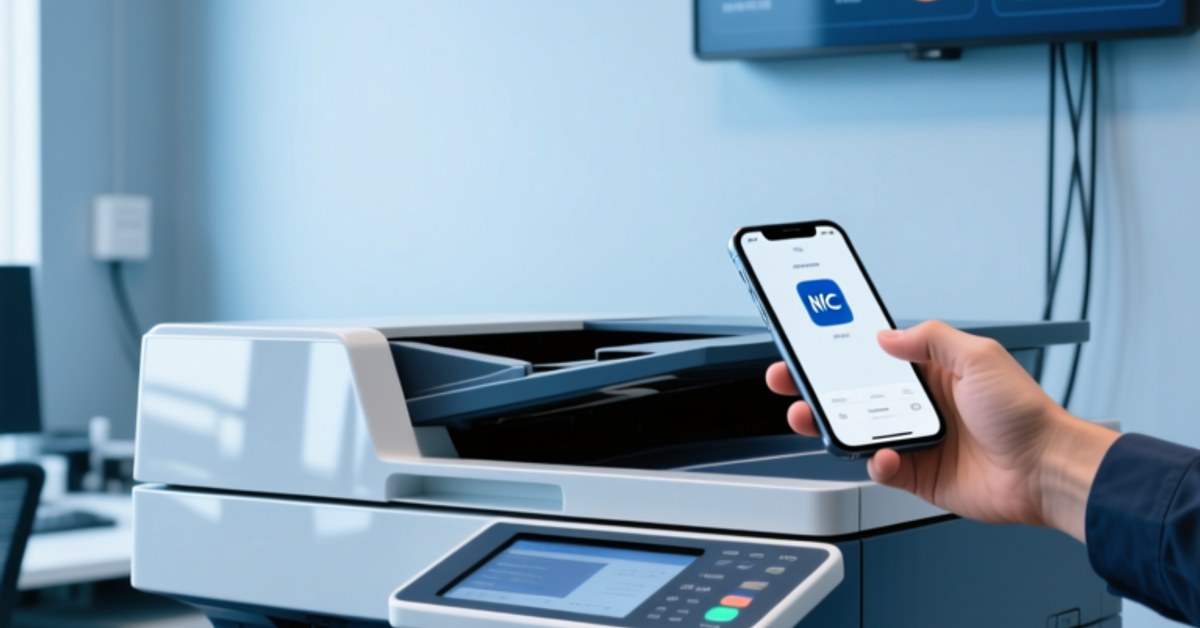
Ein NFC-Tag funktioniert, indem man einfach mit einem Standard-Smartphone oder Industrie-Lesegerät dagegen tippt. Es benötigt keine eigene Stromquelle – der Strom wird aus dem Abfragefeld gewonnen – und kann eine eindeutige Kennung zusammen mit statischen Daten oder einer URL speichern, die auf den vollständigen Reisepass verweist, der auf einer sicheren Cloud-Plattform gehostet wird. Diese Architektur hält den Tag-Speicher klein und kostengünstig und ermöglicht gleichzeitig den Zugriff auf umfassende Lebenszyklusinformationen.
Warum NFC ideal für raue Batterieumgebungen ist
- Robuste Formfaktoren: NFC-Inlays können in Kunststoff vergossen werden, Glas, oder metallverträgliche Konstruktionen. Es sind Anti-Metall-NFC-Tags erhältlich, die auch bei der Montage auf Batteriegehäusen aus Aluminium oder Stahl zuverlässig funktionieren.
- Großer Temperaturbereich: NFC-Tags in Industriequalität können den für Batteriepacks von Elektrofahrzeugen typischen Temperaturschwankungen ohne Datenverlust standhalten.
- Keine Sichtverbindung erforderlich: Das Lesen eines in einem Batteriemodul eingebetteten NFC-Tags ist durch nichtmetallische Abdeckungen hindurch möglich, im Gegensatz zu QR-Codes, die Sichtbarkeit erfordern.
- Globale Interoperabilität: NFC funktioniert mit Milliarden vorhandener NFC-fähiger Geräte Smartphones, Sicherstellung, dass Zollbeamte, Recycler, und Servicezentren können ohne spezielle Ausrüstung auf Daten zugreifen.
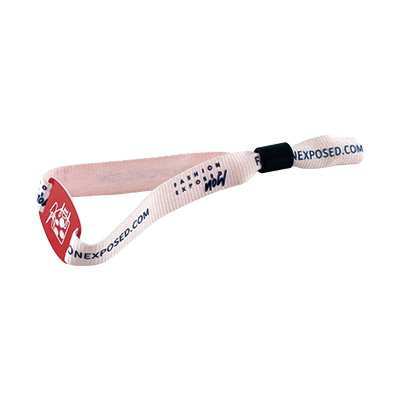
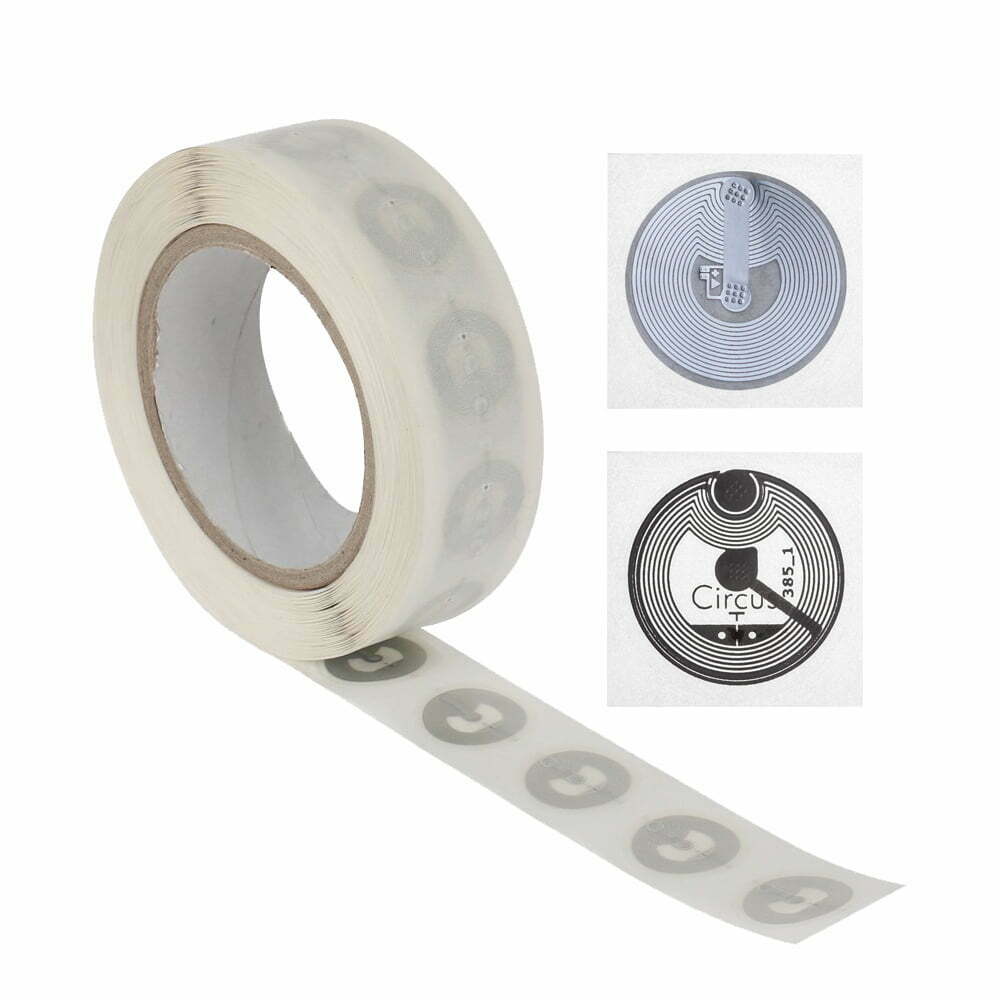
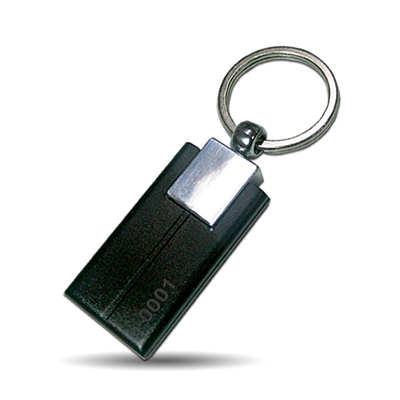
Für Batteriehersteller, NFC-Produkte wie NFC-Aufkleber, NFC-Inlays, und NFC-Tags können in kundenspezifischen Größen und Formaten bezogen werden, um zu bestimmten Batteriedesigns zu passen. Durch die Zusammenarbeit mit einem erfahrenen NFC-Anbieter wird sichergestellt, dass die Tags die erforderlichen Haltbarkeits- und Speicherspezifikationen erfüllen. Zusätzlich, Lesegeräte wie z tragbare NFC-Lesegeräte oder UHF-RFID-Scanner kann in Produktionslinien und Recyclinganlagen eingesetzt werden, um die Datenerfassung und -überprüfung zu automatisieren.
Ermöglicht Rückverfolgbarkeit und Second-Life-Anwendungen
Über Compliance hinaus, Batteriepässe eröffnen neue Geschäftsmöglichkeiten. Sobald die Batterie eines Elektrofahrzeugs das Ende ihrer Lebensdauer im Fahrzeug erreicht hat, Es kann häufig zur stationären Energiespeicherung umgenutzt werden. Jedoch, Eine sichere und profitable Second-Life-Nutzung hängt von der genauen Kenntnis der vergangenen Ladezyklen der Batterie ab, Gesundheitszustand, und Wartungshistorie. Ein Akku mit NFC-Tag, bei Verbindung mit einem cloudbasierten Batteriemanagementsystem, kann während seiner ersten Lebensdauer ein vollständiges Protokoll dieser Parameter liefern. Diese Transparenz erhöht den Restwert der Batterie und unterstützt die Kreislaufwirtschaftsziele der Verordnung.
Ähnlich, Recyclinganlagen profitieren von einem schnellen Zugriff auf Materialzusammensetzung und Demontageanweisungen. Durch das Scannen des NFC-Tags an einer leeren Batterie können sofort die Standorte gefährlicher Komponenten und das empfohlene Verfahren zur Gewinnung wertvoller Metalle ermittelt werden. Dies verbessert nicht nur die Arbeitssicherheit, sondern erhöht auch die Recyclingeffizienz und die Materialrückgewinnungsraten.
Bereiten Sie sich mit RFIDHY- und NFCWORK-Lösungen auf Compliance vor
Die Erfüllung der EU-Batterieverordnung erfordert einen funktionsübergreifenden Aufwand unter Beteiligung der Technik, Nachhaltigkeit, Datenmanagement, und IT-Teams. Die Hardwarekomponente – der Datenträger selbst – ist ein kleines, aber wesentliches Puzzleteil. Bei NFCWORK-Technologie, Wir bieten eine Reihe von NFC- und RFID-Komponenten in Industriequalität an, die speziell auf Batteriepassanwendungen zugeschnitten sind:
- Anti-Metall-NFC-Inlays die zuverlässig funktionieren, wenn sie direkt an Batteriegehäusen befestigt werden.
- Benutzerdefinierte NFC-Tags mit Speicherkonfigurationen, die UIDs speichern, URLs, oder statische Sicherheitsdaten.
- UHF-RFID-Tags zur Massenidentifizierung und Logistikverfolgung entlang der gesamten Lieferkette – ideal für Paletten- und Sichtbarkeit auf Containerebene.
- Tragbare NFC/RFID-Lesegeräte für die Authentifizierung vor Ort und den Datenabruf während der Fertigung, Verteilung, und Recycling.
Diese Produktkategorien sind über unser Netzwerk von Fertigungspartnern erhältlich und können genau an Ihre Spezifikationen angepasst werden. Weitere Informationen zur Funktionsweise NFC-basierter digitaler Reisepässe in verschiedenen Branchen, Lesen Sie unseren umfassenden Überblick auf Digitale Produktpässe und unser vorheriger Beitrag am NFC-gestützte digitale Produktpässe.
Der 2027 Die Frist scheint weit entfernt zu sein, Aber das Prototyping und die Validierung einer NFC-basierten Batteriepasslösung verschafft Ihnen heute einen Wettbewerbsvorsprung. Arbeiten Sie mit unserem Team zusammen, um herauszufinden, wie die einbettbare NFC-Technologie zum vertrauenswürdigen Faden werden kann, der Ihre Batterie mit ihrer digitalen Identität verbindet – vom Rohmaterial bis zur Wiedergeburt.
FAQ
Was genau ist ein Batteriepass nach der neuen EU-Verordnung??
Ein Batteriepass ist ein digitaler Datensatz, der wichtige Informationen zu einer Batterie enthält, wie etwa der CO2-Fußabdruck, Materialzusammensetzung, und Lebenszyklusgeschichte. Es muss über einen Datenträger elektronisch zugänglich sein (Z.B., NFC-Tag) und gilt für die oben genannten Batterien von Elektrofahrzeugen und Industriebatterien 2 kWh, die auf dem EU-Markt in Verkehr gebracht werden 18 Februar 2027.
Wie überträgt ein NFC-Tag die Batteriepassdaten??
Das NFC-Tag speichert normalerweise eine eindeutige Kennung und einen Link (URL) an eine sichere Cloud-Plattform, auf der sich die vollständigen Passdaten befinden. Wenn ein Benutzer mit einem NFC-fähigen Gerät auf das Tag tippt, sie werden an den entsprechenden digitalen Datensatz weitergeleitet. Dieser Ansatz sorgt dafür, dass das Etikett kostengünstig bleibt und der Reisepass während der gesamten Lebensdauer der Batterie aktualisiert werden kann, ohne dass das Etikett selbst berührt wird.
Können NFC-Tags den rauen Bedingungen im Batteriepack eines Elektrofahrzeugs standhalten??
Ja. Anti-Metall-NFC-Inlays wurden speziell für den Betrieb auf oder in der Nähe von Metalloberflächen entwickelt und können großen Temperaturbereichen standhalten, Vibration, und Feuchtigkeit. Diese industrietauglichen Tags werden bereits in Automobil- und Fertigungsumgebungen eingesetzt, Dadurch eignen sie sich für eingebettete Batteriepassanwendungen.
Benötige ich für die Batteriekonformität sowohl NFC als auch UHF-RFID??
Nicht unbedingt für den Reisepass selbst, aber viele Hersteller kombinieren Technologien: NFC für direkten Verbraucher-/Technikerzugriff auf den Reisepass, und UHF-RFID für Hochgeschwindigkeitslogistik und Bestandsverfolgung. UHF-RFID-Tags bieten eine größere Lesereichweite und Massenidentifizierung, Dies kann neben dem Batteriepass-Mandat auch die Abläufe in der Lieferkette rationalisieren.
Bereit zur Integration der Batteriepass-Technologie?
Warten Sie nicht bis 2027 um Ihre Compliance-Reise zu beginnen. Bei NFCWORK Technology, Wir helfen Batterieherstellern, EV-Lieferanten, und Elektronikexporteure spezifizieren die richtigen NFC- und RFID-Komponenten für Batteriepässe. Von Anti-Metall-Inlays bis hin zu massenlesbaren UHF-Systemen, Wir bieten Produktbausteine, die sich in Ihre bestehenden Batteriedesigns und Datenplattformen integrieren lassen.
Kontaktieren Sie uns noch heute um Ihr Batteriepass-Projekt zu besprechen und Produktmuster anzufordern. Lassen Sie uns intelligenter bauen, Gemeinsam eine transparentere Batterie-Lieferkette schaffen.
Sprechen Sie mit unseren Spezialisten | Entdecken Sie Lösungen für den digitalen Produktpass