Das Gebot der Kreislaufwirtschaft: Warum Daten wichtig sind
Der Übergang von einem linearen „Nehmen-Herstellen-Entsorgen“-Modell hin zu einer Kreislaufwirtschaft ist kein Wunsch mehr – er ist eine regulatorische und marktbezogene Notwendigkeit. Im Kern, Zirkularität hängt davon ab, dass Produkte und Materialien durch Wiederverwendung länger im Einsatz bleiben, reparieren, Wiederaufbereitung, und hochwertiges Recycling. Um dies zu erreichen, Stakeholder müssen präzise sein, zugänglich, und dauerhafte Produktinformationen: Materialzusammensetzung, Reparaturanleitung, Besitzgeschichte, und Beratung am Lebensende.
Regulatorische Rahmenbedingungen beschleunigen diesen Bedarf. Die ESPR-Mandate der EU DPP für mehrere Produktkategorien, Hersteller müssen eine digitale Identität bereitstellen, die ein Produkt während seines gesamten Lebenszyklus begleitet. Die NFC-Technologie entwickelt sich zum idealen Träger für diese digitale Identität – sie verbindet das physische Produkt mit einem dezentralen, aktualisierbarer Datensatz.
DPP und NFC verstehen
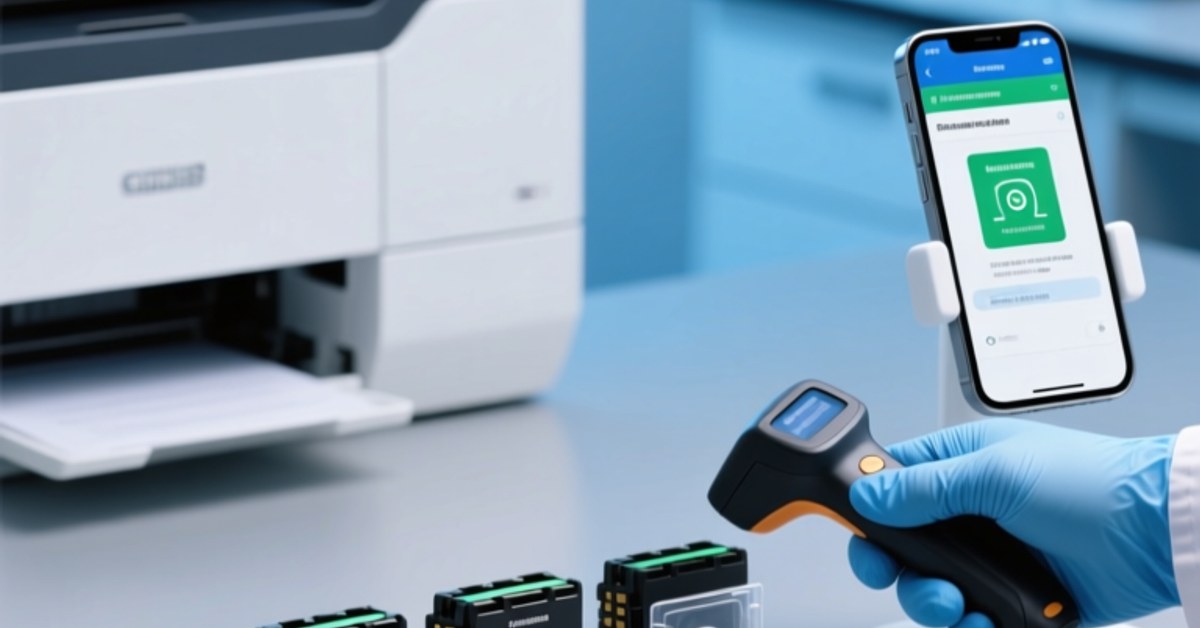
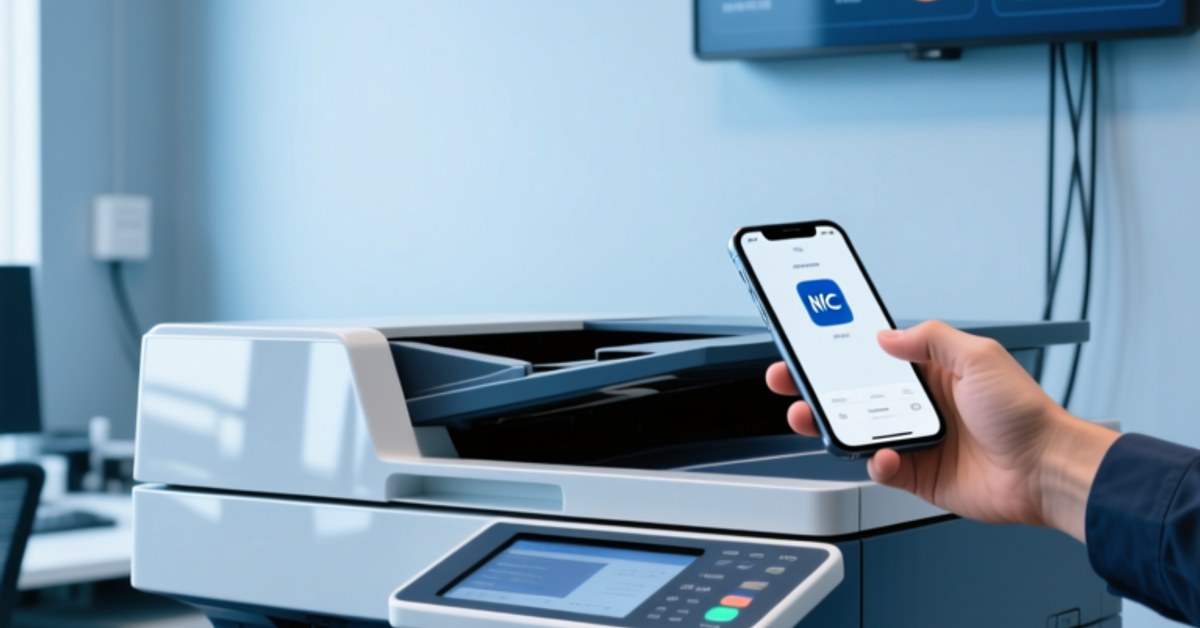
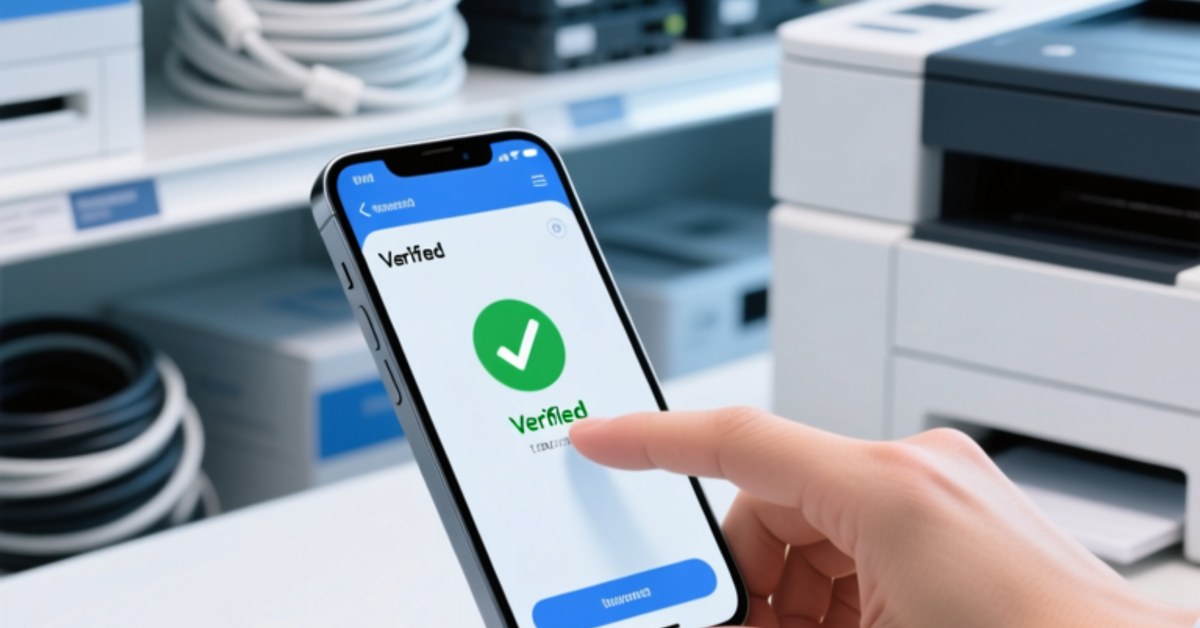
A Digitaler Produktpass ist eine strukturierte Sammlung produktbezogener Daten – Herkunft, Materialien, CO2-Fußabdruck, Reparierbarkeit, und Recyclinganweisungen – auf die über einen am Artikel angebrachten Datenträger zugegriffen werden kann. NFC-Tags und Inlays sorgen für eine Originalitätssicherung, Link auf Artikelebene zu diesem Reisepass. Durch einfaches Tippen mit einem beliebigen NFC-fähigen Smartphone werden die neuesten Produktdaten abgerufen, ohne dass eine spezielle App oder ein Scanner erforderlich ist.
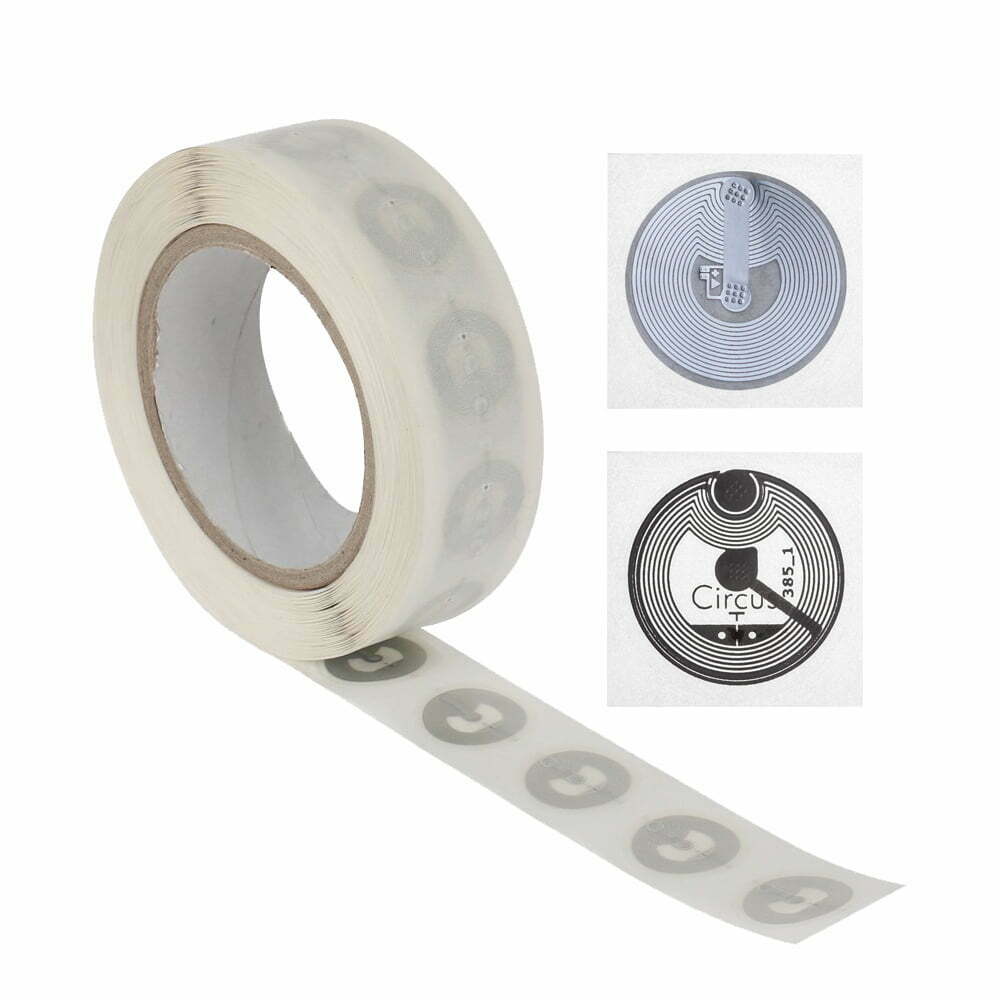
NFC-Tags werden bereits häufig zum Markenschutz und zur Verbrauchereinbindung eingesetzt. Bei Anwendung auf Anwendungsfälle der Kreislaufwirtschaft, Sie werden zum Schlüssel dazu Daten zum Produktlebenszyklus. Im Gegensatz zu einem gedruckten QR-Code, NFC-Tags können in Produkte eingebettet werden, bleiben auch im bedeckten oder getragenen Zustand lesbar, und unterstützen erweiterte Funktionen wie die Originalitätsprüfung, dynamische Datenaktualisierungen, und Zugangskontrolle. Bei RFIDHY, Unser Sortiment an NFC-Tags, NFC -Aufkleber, und NFC-Inlays sind für die dauerhafte Befestigung an Textilien konzipiert, Elektronik, Verpackung, und Industriegüter.
Wiederverwendung und Reparatur mit zugänglichen Produktdaten ermöglichen
Eines der größten Hindernisse für die Reparatur und Wiederverwendung ist der Mangel an Vertrauenswürdigkeit, aktuelle Informationen. Mit einem NFC-Tap, Reparaturtechniker, Sanierer, und sogar Verbraucher können sofort darauf zugreifen:
- Schritt-für-Schritt-Reparaturhandbücher und Explosionszeichnungen
- Identifizieren Sie genau die benötigten Ersatzteile, einschließlich OEM-Teilenummern
- Garantiestatus und Servicehistorie
- Software-Updates und Sicherheitsrückrufe
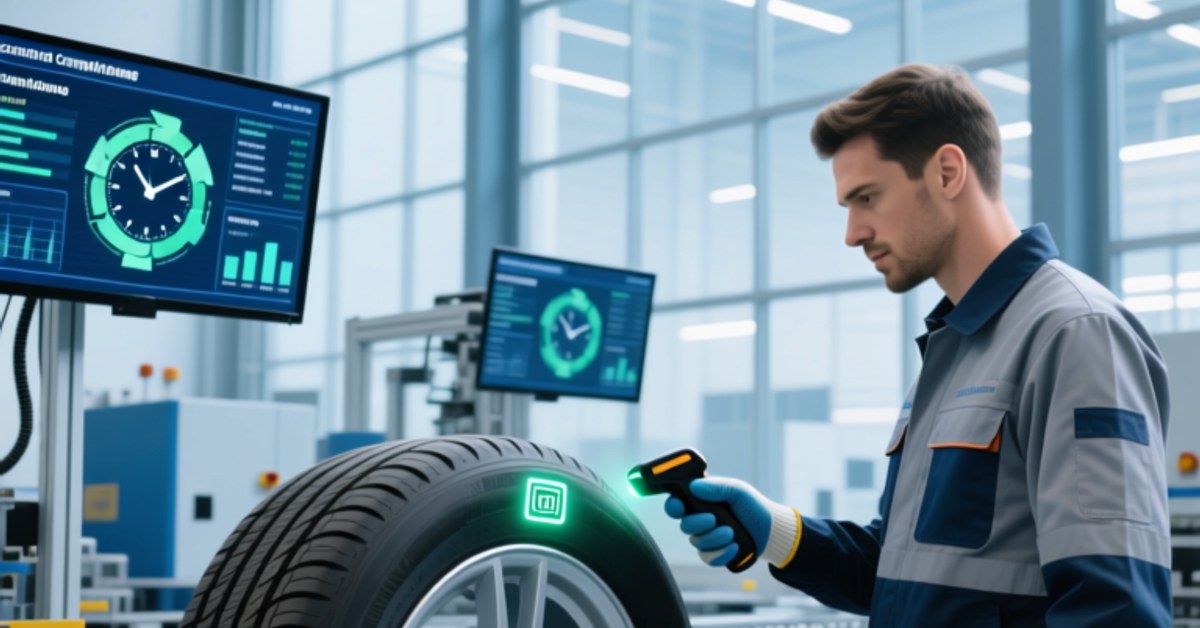
Diese Transparenz verlängert die Produktlebensdauer und unterstützt eine florierende Reparaturwirtschaft. Für kritische Industrieanlagen, wie zum Beispiel Produktionsanlagen, eingebettet UHF-RFID-Tags– wie unser Anti-Metall RFID -Tags– ermöglichen eine berührungslose Identifizierung auch in rauen Umgebungen, sofort verlinken DPP‑basierte Wartungsprotokolle.
Erleichterung von Wiederverkaufs- und Second-Life-Märkten
Für Konsumgüter und hochwertige Vermögenswerte, Vertrauen ist die Währung der Sekundärmärkte. NFC-gestützte DPPs validieren die Authentizität und dokumentieren die Produktgeschichte, Das stärkt das Vertrauen der Käufer und ermöglicht einen erstklassigen Wiederverkaufswert. Luxusmarken nutzen NFC bereits zur Herkunftszertifizierung; Derselbe Mechanismus kann jetzt Reparaturaufzeichnungen übertragen, Eigentumsübertragungen, und Zertifizierung für den Second-Life-Einsatz – zum Beispiel, ein generalüberholtes Smartphone oder eine Upcycling-Designertasche.
Auf Unternehmensebene, Unternehmen zur Entsorgung von IT-Anlagen können damit ganze Paletten ausgemusterter Geräte scannen UHF-RFID-Lesegeräte um DPP-Daten sofort abzurufen, Optimieren Sie die Einstufung, und die Waren einem geeigneten Weiterverkauf zuführen, Spende, oder Recyclingströme.
Optimierung von Recycling und Materialrückgewinnung
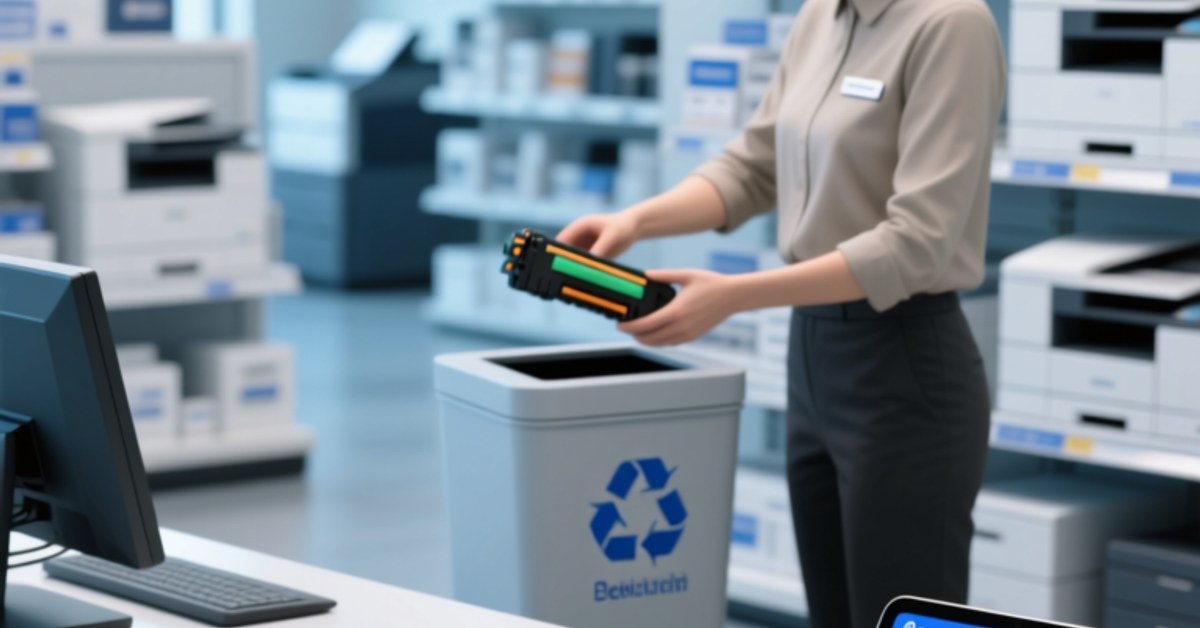
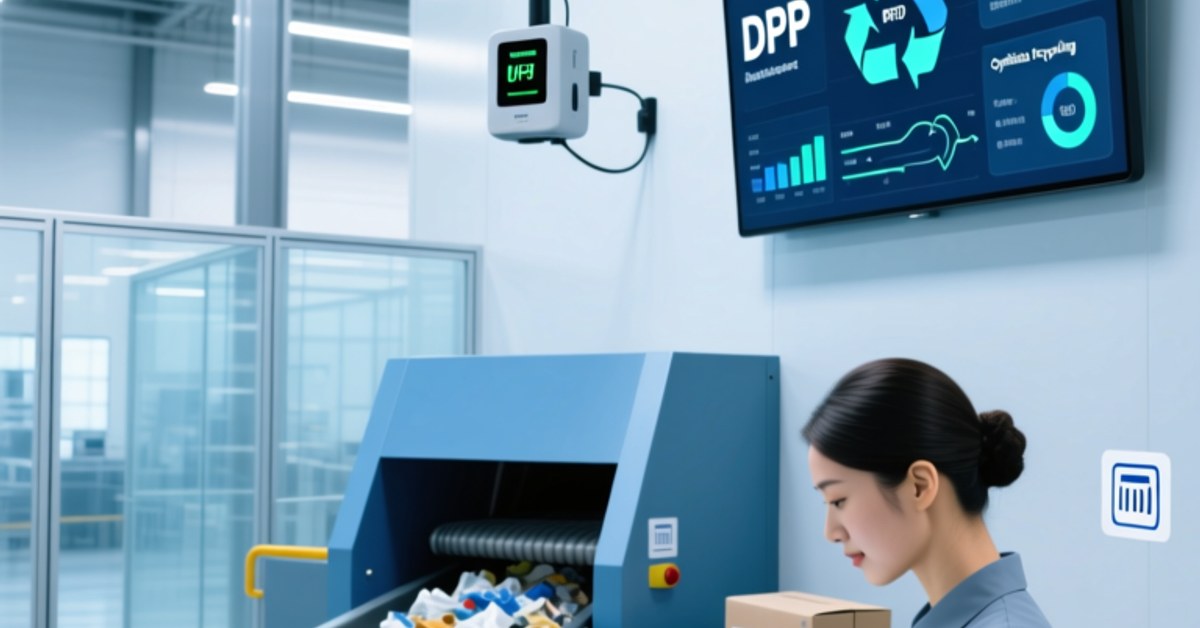
Bei aktuellen Recyclingprozessen fehlen häufig genaue Daten zur Materialzusammensetzung, was zum Downcycling oder zur Deponieentsorgung führt. Einbetten von NFC- oder UHF-RFID-Tags in Produkte und nachhaltige Verpackung NFC Labels schließt diese Lücke direkt. Wenn Gegenstände in einer Materialverwertungsanlage ankommen (MRF), automatisierte Sortierlinien, die mit festen RFID-Lesegeräten ausgestattet sind, können:
>
| Technologie | Geeignet für | Beispielproduktkategorie |
|---|---|---|
| NFC-Tags | Hochwertige Artikel, Elektronik, wiederverwendbare Verpackung | NFC -Aufkleber, NFC-Inlays |
| UHF-RFID-Tags | Massenidentifizierung, Sortierung über große Entfernungen | UHF-RFID-Etiketten, Anti-Metall-RFID-Tags |
| RFID-Lesegeräte | Automatisierte Sortierstationen, Förderer | Behoben RFID -Leser, Handheld RFID -Leser |
Durch Lesen Daten zur Materialzusammensetzung aus dem digitalen Reisepass, Sortieranlagen können Kunststoffe nach Polymertyp trennen, Gewinnen Sie kritische Rohstoffe aus der Elektronik, und sorgen für den korrekten Umgang mit Gefahrstoffen. Dies erhöht nicht nur die Recyclingausbeute, sondern unterstützt auch die Einhaltung der erweiterten Herstellerverantwortung (EPR) Schemata.
Nachhaltige Verpackung und die zirkuläre Lieferkette
Verpackungen sind ein Hauptziel für zirkuläre Innovationen. NFC-fähige nachhaltige Verpackungen ermöglichen es Marken, Rückgabeanweisungen zu kommunizieren, Anreize für wiederverwendbare Verpackungen, und Recycling-Anleitung am Ort der Interaktion. Zum Beispiel, Eine wiederverwendbare Versandtasche, die mit einem NFC-Tag ausgestattet ist, kann die Anzahl ihrer Fahrten protokollieren, Wartungsbedarf, und Einzahlungsstatus, Verwandeln von Verpackungen von einem Kostenfaktor in einen nachverfolgten Vermögenswert.
Im Großen und Ganzen zirkuläre Lieferkette, Die Macht der RFID-Technologien Reverse-Logistik. Unser UHF-RFID-Tags und -Lesegeräte ermöglichen ein schnelles Gate-In/Gate-Out-Scannen für zurückgegebene Waren und Mehrwegbehälter. Kombiniert mit RFID-basierter Bestandsverwaltung, Unternehmen erhalten Echtzeiteinblick in die Produktströme, Reduzierung von Leckagen und Optimierung der Anlagennutzung – wichtige Leistungsindikatoren für jedes Nachhaltigkeitsprogramm.
RFIDHYs Technologie-Enabler für die Kreislaufwirtschaft
Die Umsetzung eines Kreislaufwirtschaftsmodells erfordert ein vollständiges Ökosystem von Lese- und Tagging-Lösungen. Bei NFCWORK Technology und RFIDHY, Wir liefern die Bausteine:
- NFC-Produktauthentifizierung und DPP-Tags: NFC-Tags, NFC-Inlays, NFC -Aufkleber die werkseitig mit eindeutigen IDs und verschlüsselten Schlüsseln personalisiert werden können.
- Langlebige RFID-Asset-Tags: Anti-Metall-RFID-Tags, RFID-Wäscheetiketten, und RFID-Trockeneinlagen für anspruchsvolle Umgebungen, in denen typische Etiketten versagen.
- Leseinfrastruktur: Handheld- und stationäre UHF-RFID-Lesegeräte, Desktop-RFID-Lesegeräte, und RFID-Module zur Integration in Sortiermaschinen.
- RFID-Lösungen: RFID-Asset-Tracking, Bestandsverwaltung, und Lagerverwaltungssysteme die Lebenszyklusdaten in das DPP einspeisen.
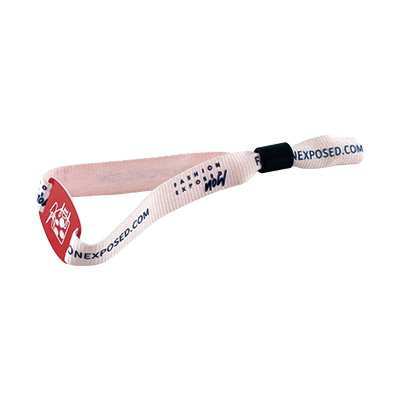
- Wearables für Wiederverwendungsprogramme: NFC-Silikonarmbänder und RFID-Armbänder für Veranstaltungsrecyclingprogramme oder Pfandrückgabeprogramme.
Alle diese Produkte stehen Nachhaltigkeits- und Entwicklungsteams zur Verfügung, die die Kreislaufwirtschaft in ihre Produktionsprozesse integrieren möchten, ohne bei Null anzufangen.
Abschluss: Mit vernetzten Produkten den Kreislauf schließen
Die Kreislaufwirtschaft braucht Daten, und Daten benötigen einen Träger, der vom ersten Verkauf bis zur endgültigen Demontage beim Produkt verbleibt. NFC- und RFID-Technologien machen den Digital Product Passport erlebbar, Bereitstellung der fehlenden Verbindung zwischen physischen Gegenständen und digitalen Kreislaufstrategien. Ob Sie Ihre Konstruktion auf Reparierbarkeit ausrichten, Ausbau eines Rücknahmesystems, oder die Optimierung einer Recyclinganlage, Die Kombination aus Tagging auf Artikelebene und cloudbasierten Pässen schafft eine belastbare Lösung, transparent, und profitables System mit geschlossenem Kreislauf.
Was ist ein DPP und wie unterstützt NFC es??
Ein DPP ist eine digitale Aufzeichnung, die Produktlebenszyklusdaten – Materialzusammensetzung – enthält, Reparierbarkeit, Recyclinganweisungen, usw. Als physische Brücke dienen am Produkt angebrachte NFC-Tags; Durch einfaches Tippen mit dem Smartphone wird der Reisepass aus der Cloud abgerufen, Bietet sofortigen Zugriff auf die neuesten Daten.
Wie verbessert NFC das Recycling im Vergleich zu herkömmlichen Methoden??
Konventionelles Recycling beruht auf manueller oder optischer Sortierung mit begrenzter Genauigkeit. NFC- und UHF-RFID-Tags können Daten zur Zusammensetzung körniger Materialien speichern oder darauf verweisen, Dadurch können automatisierte Sortierlinien bestimmte Kunststoffqualitäten identifizieren, gefährliche Bestandteile extrahieren, und den materiellen Wert bewahren, Dies führt zu höherwertigen Rezyklaten.
Können NFC-Tags in rauen Recyclingumgebungen überleben??
Standard-NFC-Tags sind für verbraucherfreundliche Interaktionen konzipiert, sondern für das industrielle Recycling, Unsere Anti-Metall-RFID-Tags und robusten UHF-RFID-Etiketten sind so konstruiert, dass sie Feuchtigkeit standhalten, Hitze, und körperliche Belastung. Die Wahl des Tags hängt von der Anwendung und der benötigten Lesereichweite ab.
Ist die NFC-Technologie mit den EU-Nachhaltigkeitsvorschriften kompatibel??
Absolut. Das EU-ESPR-Rahmenwerk sieht ausdrücklich den Einsatz von Datenträgern wie NFC und RFID zur Umsetzung von DPPs vor. Unsere Lösungen sind auf eine DSGVO-konforme Datenverarbeitung ausgerichtet und unterstützen die GS1/EPCglobal-Standards, die typischerweise für die Transparenz der Lieferkette erforderlich sind.