Wstęp: Straty w zapasach to ukryty zabójca w sprzedaży detalicznej odzieży
Według McKinsey’a 2025 Globalny raport dotyczący przemysłu odzieżowego, straty w zapasach (w tym przeterminowane, zaginiony, źle umiejscowiony, oraz błędy w liczeniu zapasów) spożywać średnio 3-5% rocznej sprzedaży sprzedawcy odzieży. Dla średniej wielkości marki o rocznych przychodach rzędu 500 milionów euro, oznacza to bezpośrednią stratę w wysokości 15–25 mln euro rocznie. W artykule wykorzystano szwedzką nordycką markę modową “NT” jako studium przypadku, aby szczegółowo opisać, w jaki sposób osiągnięto przełom 25% optymalizacja zapasów wg 2026 poprzez cyfrowe aktualizacje magazynowania.
Przed Transformacją: Problemy tradycyjnego magazynowania
Przed realizacją projektu (2024), NT miał do czynienia z typowym “rosnące bóle”:
- Dokładność inwentaryzacji: Tylko 87%, co oznacza, że z każdego 100 pozycje w ekwipunku, 13 był “niezgodne pomiędzy dokumentacją a rzeczywistym stanem magazynowym.”
- Czas inwentaryzacji: Ręczne inwentaryzacja całości 80,000 metr kwadratowy zajął magazyn centralny 48 godzin miesięcznie.
- Wskaźnik utraty zapasów: Tak wysokie, jak 4.2%, z niewłaściwym położeniem (38%), strata (27%), oraz produkty wygasające/poza sezonem (22%) są głównymi przyczynami.
- Poziom błędów w realizacji zamówienia: 3.5%, co prowadzi do wzrostu liczby skarg klientów i kosztów zwrotu/wymiany.
Problemy te bezpośrednio spowodowały, że optymalizacja zapasów wpadła w błędne koło: niedokładne dane → nadmierne uzupełnienie → zwiększone zaległości → większe straty.
Rozwiązanie: Stopniowa aktualizacja cyfrowa RFID
Faza 1: Etykietowanie pojedynczych przedmiotów i transformacja magazynowania (Pytanie 1 2025)
NT nawiązał współpracę RFIDHY, profesjonalnym dostawcą rozwiązań RFID, uruchomić program pilotażowy ds “Identyfikowalność pojedynczego elementu”:
- Wybór etykiety: Zawieszki RFID UHF zgodne z normami ISO 18000-6C, w oparciu o NXP UCODE 9 żeton (czułość -24dBm), były używane. Dostawca zakończył etykietowanie i kodowanie w zakładzie produkcyjnym.
- Dostęp do magazynu: Zastosowano dwie maszyny tunelowe RFID, integrując cztery zestawy anten i czytników o polaryzacji kołowej, umożliwiając kontrolę partii bez rozpakowywania, zwiększenie efektywności magazynowania od 300 sztuk/godzinę do 8,000 sztuk/godz.
- Integracja danych: Synchronizację w czasie rzeczywistym z Oracle WMS osiągnięto poprzez RESTful API. Oparta na chmurze, umożliwiające natychmiastowe odłożenie na półkę po otrzymaniu
Faza 2: Wdrożenie dynamicznego zarządzania zapasami na całym obszarze magazynu (Pytanie 3 2025)
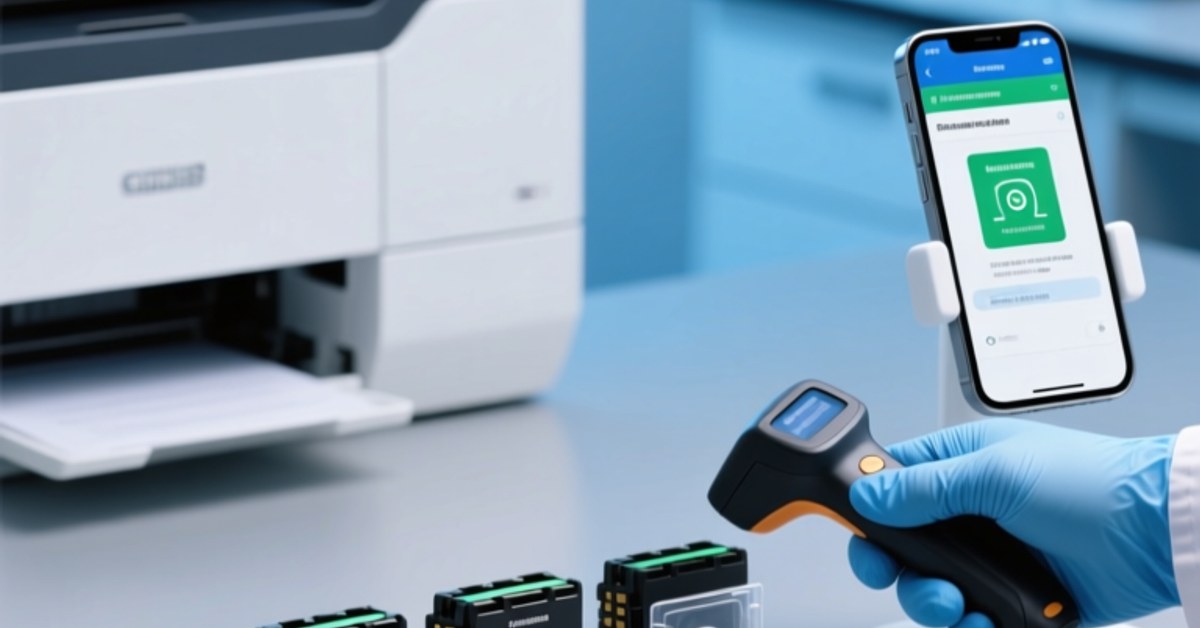
- Terminale ręczne: Zakup 40 ręczne czytniki RFID, wspieranie czytania 800+ tagów na sekundę, zastępując tradycyjne skanowanie kodów kreskowych.
- Stałe punkty odczytu: Wdrożenie 8 naprawiono czytniki/pisarze w kluczowych przejściach i wejściach/wyjściach, umożliwiając śledzenie lokalizacji w czasie rzeczywistym i powiadamianie o nietypowych ruchach.
- Platforma oprogramowania: Wdrożenie oprogramowania pośredniczącego, zintegrowanie EPCIS 2.0 silnik zdarzeń, oraz integrację z istniejącymi systemami SAP. Głęboka integracja z systemem ERP
Faza 3: Inteligentne uzupełnianie zapasów i zapobieganie stratom (Pytanie 1 2026)
- Analiza danych: Na podstawie 6 miesięcy dynamicznych danych o zasobach, opracowano model przewidywania strat w celu identyfikacji SKU o wysokich stratach i obszarów wysokiego ryzyka.
- Automatyczne liczenie zapasów: Pobierane są tylko cotygodniowe zautomatyzowane inwentaryzacje całego magazynu 2 godziny (poprzednio 48 godziny), z poprawioną dokładnością do 99.3%.
- Połączenie zabezpieczające przed kradzieżą: Antena kontroli dostępu do wyjścia połączona jest z systemem alarmowym, zapewnianie natychmiastowych alertów w przypadku nieautoryzowanych przesyłek wychodzących.
Wyniki i dane: Wymierna optymalizacja zapasów
Po 18 miesięcy etapowego wdrażania, NT osiągnęło imponujące wyniki w pierwszym kwartale 2026:
| Wskaźniki | Przed Transformacją (2024) | Po Transformacji (Pytanie 1 2026) | Kwota ulepszenia |
| Wskaźnik utraty zapasów | 4.2% | 3.15% | ↓25% |
| Dokładność liczenia zapasów | 87% | 99.3% | ↑12,3% |
| Czas inwentaryzacji całego magazynu | 48godz./miesiąc | 2godz./tydz | ↓83% |
| Błędy w realizacji zamówienia | 3.5% | 0.8% | ↓77% |
| Roczna kwota straty | 2,1 mln euro | 1,575 mln euro | Oszczędności: 525 000 euro |
– stwierdził w wywiadzie dyrektor logistyki firmy: “RFID przynosi nie tylko poprawę wydajności, ale także jakościowy skok w możliwościach optymalizacji zapasów. Możemy teraz dokładnie poznać lokalizację i czas przebywania każdego elementu garderoby, a nawet przewidzieć, które jednostki SKU mogą stać się zapasami wolno rotującymi.”
Klucz do sukcesu: Dostosowywanie i wdrażanie etapowe
Sukces tej sprawy można przypisać trzem kluczowym elementom:
- Etapowa strategia wdrażania: Od przyjęcia towaru po pełną inwentaryzację, a następnie do analiz predykcyjnych, każdy krok został zweryfikowany pod kątem wartości przed zwiększeniem skali, zmniejszenie ryzyka inwestycyjnego.
- Ścisły wybór sprzętu: Cały sprzęt jest zgodny ze standardem EPC Gen2v2, zapewnienie zgodności z przyszłością Cyfrowy paszport produktu (DPP). Kompatybilność systemu
- Głęboka personalizacja: Dotyczy to nie tylko dostaw produktów, ale także możliwości ich dostosowywania – w szczególności, Układ anteny i rozmieszczenie przywieszek zostały zoptymalizowane pod kątem nieporęcznych przedmiotów, takich jak kurtki puchowe i swetry, rozwiązywanie problemów związanych z kolizją sygnałów podczas odczytu o dużej gęstości.
Wniosek
Przypadek NT pokazuje, że dzięki naukowej modernizacji cyfryzacji magazynów, marki odzieżowe mogą osiągnąć znaczną optymalizację zapasów ponad 25% w 18 miesiące. Kluczem jest dobór sprzętu RFID zgodnego ze światowymi standardami (ISO 18000-6C, EPCI 2.0) oraz współpracę z partnerami posiadającymi głębokie doświadczenie branżowe i możliwości dostosowywania. Dla firm odzieżowych chcących ograniczyć straty w zapasach, teraz jest optymalny moment na rozpoczęcie transformacji cyfrowej.
Często zadawane pytania
1.Jak długo trzeba czekać od początku, żeby zobaczyć rezultaty?
Na podstawie doświadczeń NT, korzyści na etapie otrzymywania można zobaczyć wewnątrz 3 miesiące, przy jednoczesnej znacznej optymalizacji stanów magazynowych w całym magazynie (zmniejszenie strat przez 15%+) zazwyczaj trwa 12-18 miesiące.
2.Jak koszt znaczników RFID wpływa na ROI?
Aktualny koszt zakupu Tagi RFID UHF spadła do 0,05–0,08 euro za etykietę. Na podstawie rocznego wykorzystania tagów przez NT 6 milion tagów, roczny koszt znacznika wynosi około 350 000 EUR, natomiast sama optymalizacja zapasów może zaoszczędzić 525 000 euro rocznie, z okresem zwrotu krótszym niż rok.
3.Jak zapewnić pracownikom szybkie opanowanie nowego systemu?
Wybór przyjaznych dla użytkownika terminali przenośnych (jak na przykład RFIDHY HY-R6100) i aplikacje mobilne mają kluczowe znaczenie. RFIDHY zapewnia szkolenia, samouczki wideo, i całodobowe wsparcie, zapewnienie, że pracownicy magazynu będą w stanie opanować operacje inwentaryzacji partii w ciągu dwóch tygodni.
4.Czy system można bezproblemowo zintegrować z istniejącymi systemami ERP??
Nowoczesne oprogramowanie pośrednie RFID zapewnia standardowe interfejsy API. Poprzez RESTful API, Osiągnięto dwukierunkową synchronizację danych z systemem SAP ERP, umożliwienie automatycznego księgowania transakcji przychodzących i wychodzących bez ręcznej interwencji.
Aby uzyskać więcej informacji,Proszę Skontaktuj się z nami.