The European Push for a Circular Appliance Economy
The European Union is rewriting the rulebook for how home appliances are designed, sold, repaired, and recycled. At the centre of this transition is the home appliance digital product passport, a data-driven record that follows a product throughout its entire life cycle. Under the Ecodesign for Sustainable Products Regulation (ESPR), digital product passports (DPPs) will soon become mandatory for many product categories, with white goods and other home appliances expected among the first waves.
For manufacturers, importers, and retailers, the DPP is not simply a compliance burden. It is also a commercial opportunity to build trust, communicate sustainability, and create new after-sales revenue streams through spare parts and repair services. Crucially, the DPP depends on reliable data carriers such as NFC tags and RFID solutions to connect physical products to digital information.
What Is a Digital Product Passport for Home Appliances?
A digital product passport is a structured collection of product-related data, accessible through a data carrier physically attached to the appliance. It can include the digital energy label, repairability score, spare parts catalogue, materials composition, maintenance instructions, and end-of-life or recycling guidance.
Unlike a printed label or manual, a DPP can be updated over time. If a safety threshold changes or a new spare part becomes available, the passport can be refreshed remotely. For the appliance sector, this creates a constant communication channel between the brand, the product, and the user.
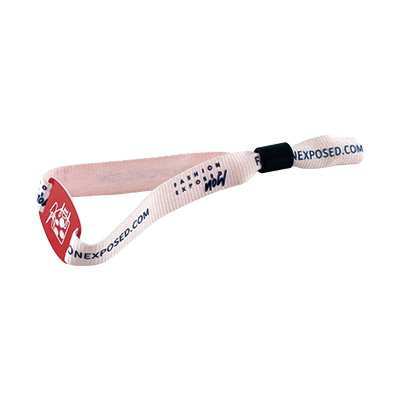
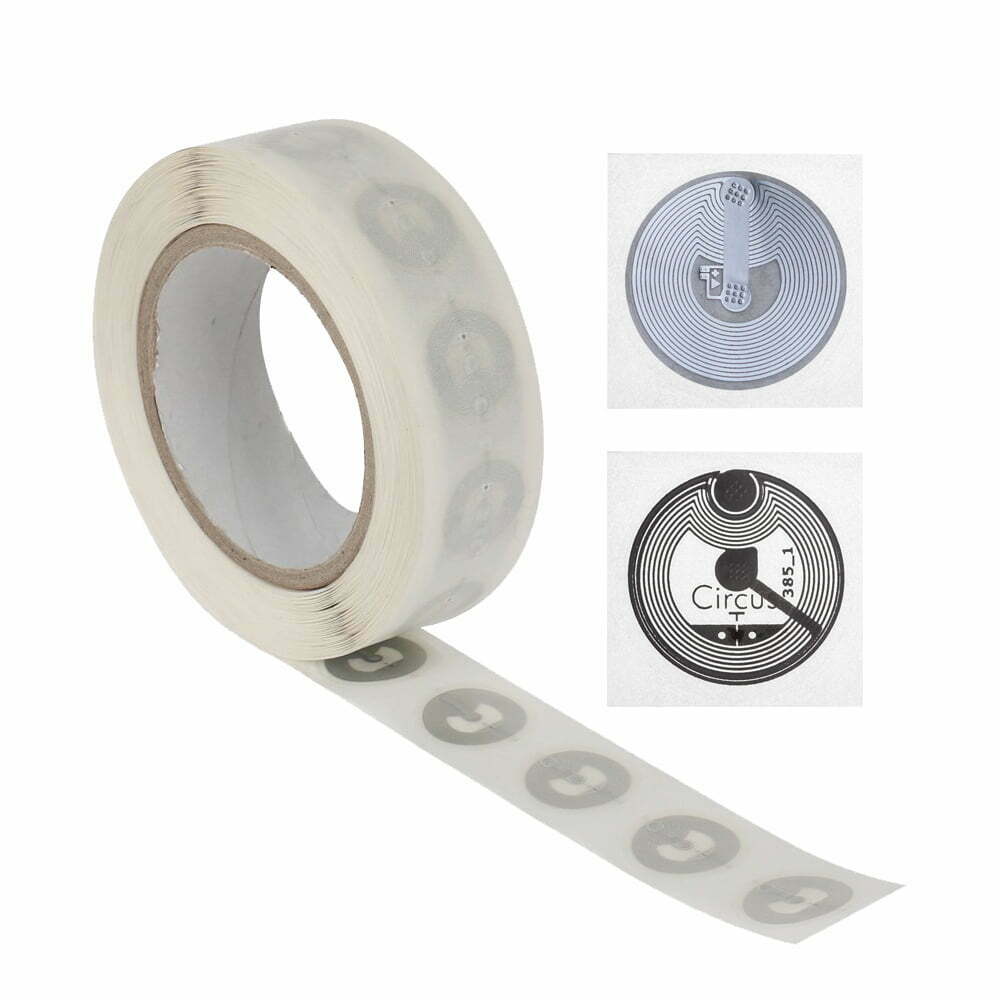
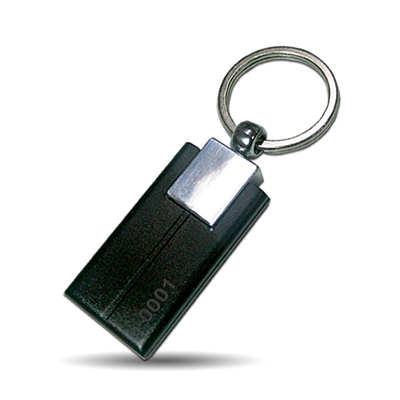
Typical data carriers for appliance DPPs are QR codes, NFC tags, and RFID tags. NFC tags are especially convenient for consumer-facing use because a smartphone can read them by simply holding the phone close to the tag. For industrial environments, UHF RFID tags allow fast scanning of large batches during logistics and recycling.
Bridging the Digital Energy Label Requirement
The EU energy label has evolved from a paper sticker into a digital record. The digital energy label appliance initiative points consumers and inspectors to an online database where the newest energy class, power consumption, and other performance data are available. A DPP naturally hosts this information and makes it available through the product itself.
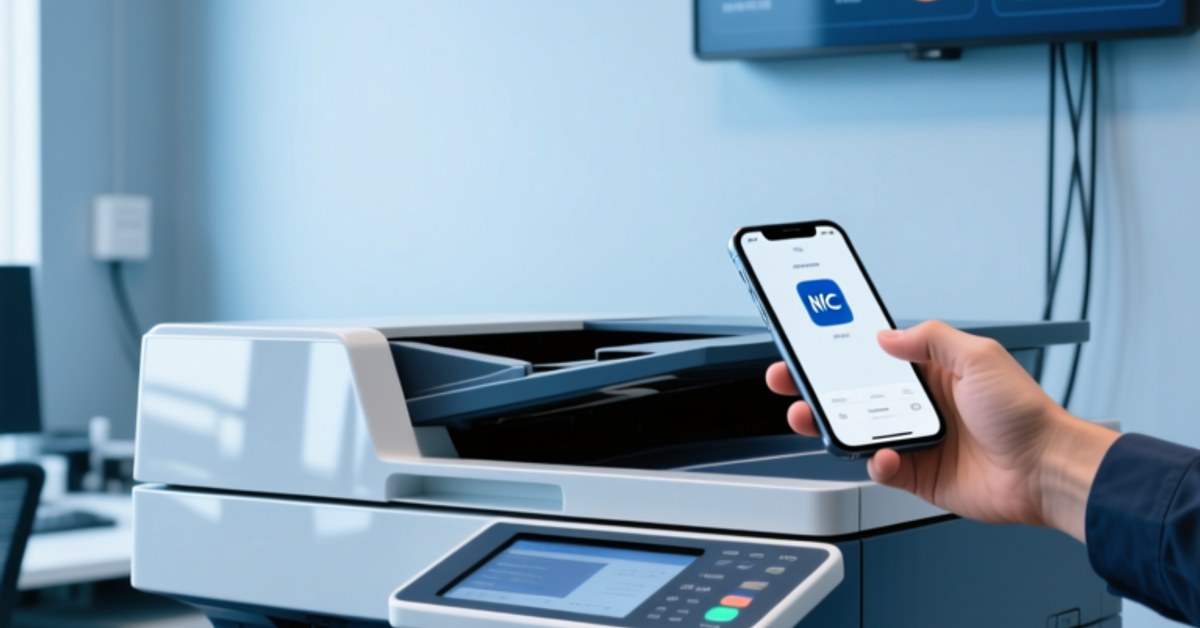
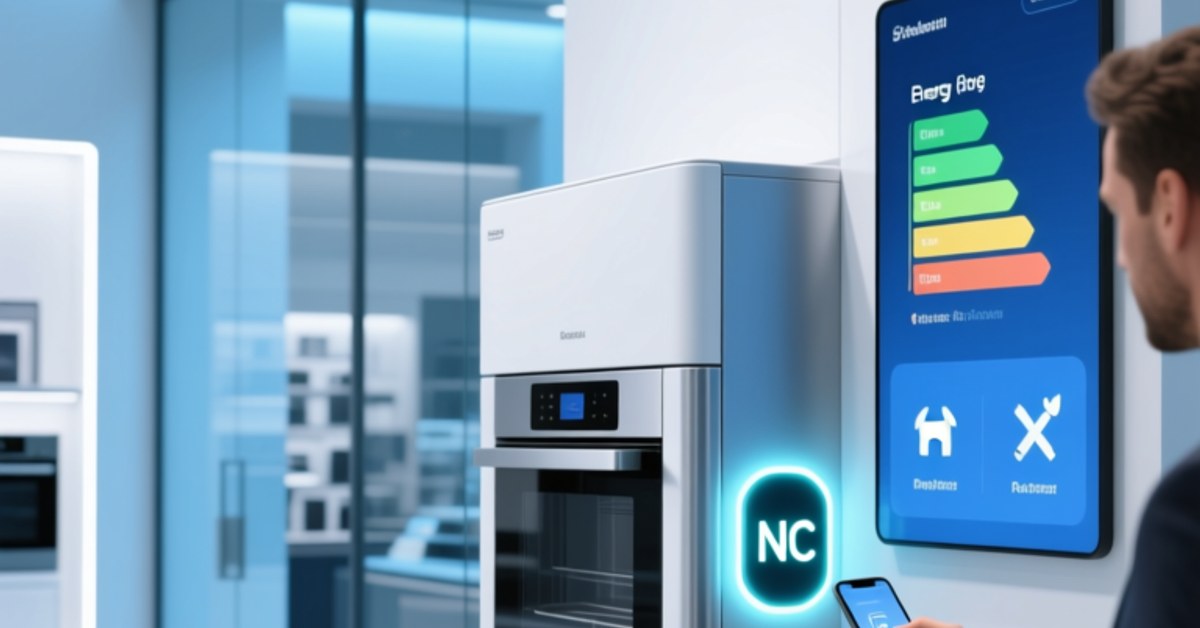
Manufacturers that embed an NFC tag into the appliance or its packaging can enable what is often called a tap-to-label experience. Consumers tap the appliance with a smartphone, and the current energy label appears instantly. This process removes the risk of outdated labels and provides authorities with a transparent way to validate compliance.
For compliance teams, a digital energy label inside the DPP also simplifies market surveillance. Regulators can scan the product to check that it matches the declared energy class, reducing the administrative overhead of manual checks.
Repairability and the Right to Repair: From Score to Action
A growing number of EU initiatives, including the Right-to-Repair Directive, are pushing manufacturers to make appliances last longer and to facilitate repairs. A repairability score NFC link can give consumers instant access to a product’s reparability index, replacement procedures, and diagnostic data.
Historically, repair information was buried in service manuals or restricted to authorized technicians. A DPP changes this by making the information open and contextual. An installer or service engineer can tap the appliance to retrieve:
- A repairability index score and supporting criteria
- Step-by-step disassembly instructions
- Error codes and troubleshooting guides
- A list of authorized repair service providers by region
Repair networks benefit because technicians spend less time searching for documentation. Sustainability teams benefit because repairable products support the brand story of reducing waste. And regulators gain a practical, data-driven mechanism to enforce repairability commitments.
Spare Parts Ordering via Tap: Bridging the Gap
Under EU design rules, manufacturers of many home appliances must keep spare parts available for a defined number of years. Yet consumers and repair shops often struggle to identify the exact part and place an order. A spare parts QR NFC solution solves this problem at the point of need.
With an NFC tag on the appliance, consumers can tap to access a model-specific spare parts portal. The digital passport can display:
- The appliance model and serial number
- A clickable list of genuine spare parts
- A compatibility check based on the product version
- Direct ordering options or links to local distribution partners
- Installation video tutorials for the part
The same NFC tag can serve as a QR code for non-NFC smartphones. This hybrid approach lets brands support older phones while preparing for a future where every phone reads NFC natively. For businesses, direct spare part ordering reduces the cost of call centres and prevents incorrect parts from being ordered.
Recycling and E-Waste Data: Closing the Loop
Home appliances are one of the largest streams of electronic waste in Europe. The appliance circular economy depends on materials being separated and recycled efficiently. DPPs enable a continuous data flow from first sale to end-of-life.
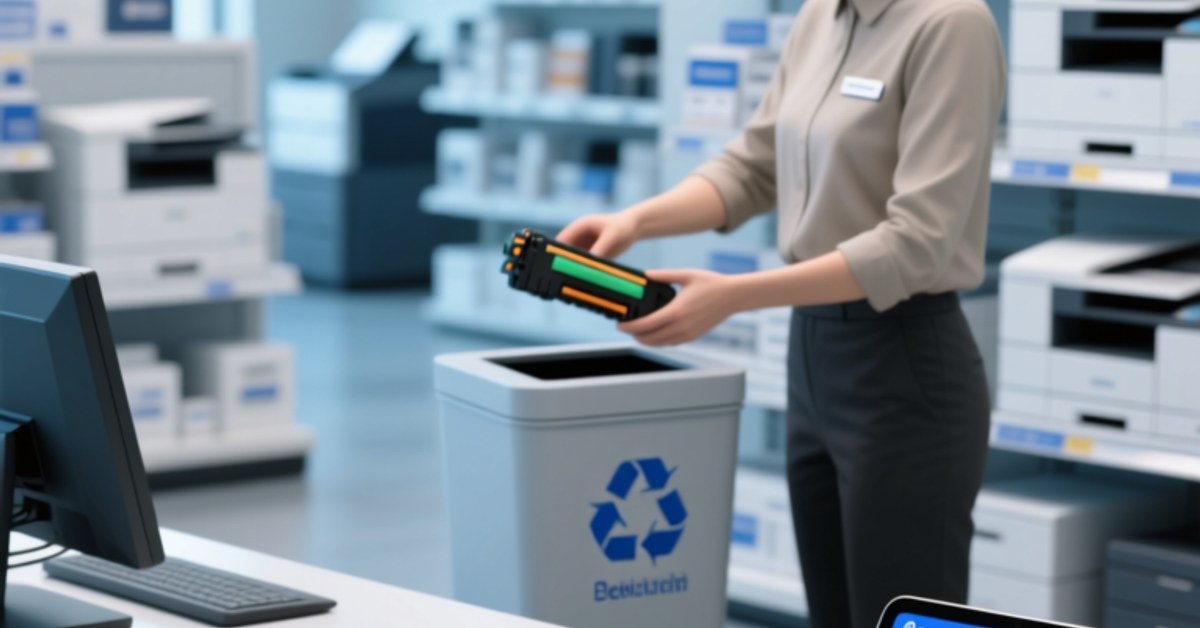
When an appliance enters a recycling facility, workers can scan its RFID tag or NFC tag to retrieve material composition, hazardous materials locations, and disassembly instructions. This creates several important benefits:
- Safe removal of refrigerants, batteries, or other hazardous components
- Higher-quality sorting of plastics, metals, and electronics
- Accurate reporting of recycling rates to compliance schemes
- Verification of recycled-content claims for new products
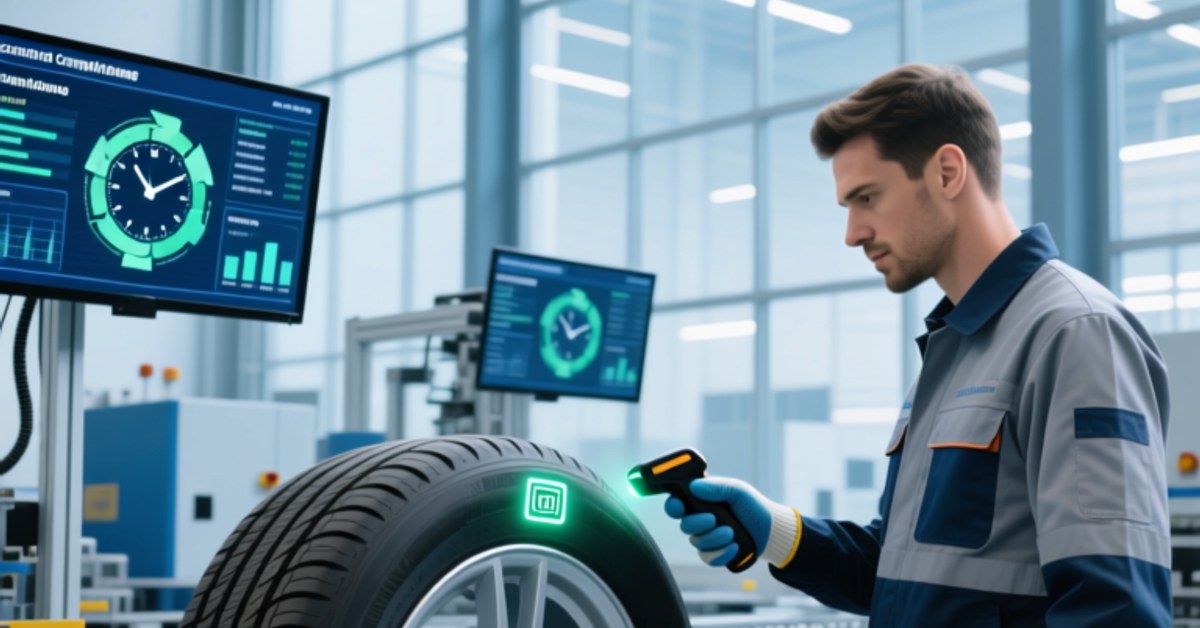
Using RFID tags from specialised RFID tag producers, manufacturers can also automate the intake process of returned appliances. Instead of manually looking up a serial number in a database, a fixed RFID reader can capture multiple items at once, making the logistics of e-waste collection significantly more efficient.
Retailer and Consumer Experience: The Store Becomes a Touchpoint
Retailers are already familiar with energy labels on displays, but a physical QR code or NFC sticker elevates the experience. Consumers in a showroom can compare not only price and energy class, but also repairability, spare parts availability, and the durability of the product. This transparency supports retailers in selling quality over short-term price.
For retail sustainability teams, DPP content provides a tangible way to demonstrate responsible sourcing. In-store interactive displays or shelf edge labels can be linked to the public part of the product passport. A consumer browsing a washing machine can scan the appliance and see its energy rating, expected lifetime, and the brand’s repair network.
The same NFC functionality can be used after the sale. For example, a refrigerator can carry an NFC inlay that links to the user manual, the energy label, and the registration page for the warranty. This improves customer satisfaction and reduces packaging waste by requiring fewer printed manuals.
How NFC and RFID Technologies Enable Appliance DPPs
Choosing the right data carrier is important for every stage of the product lifecycle. The following table illustrates how different RFID/NFC technologies map to DPP data blocks for home appliances:
>
| DPP Data Block | Suggested RFID/NFC Technology | Typical Use Case |
|---|---|---|
| Digital energy label | NFC tags or NFC stickers | Consumers tap to see up-to-date energy class and consumption data |
| Repairability index | NFC inlay embedded in the appliance | Service technicians access repair instructions and diagnostics on site |
| Spare parts catalogue | QR code plus NFC tag | Users order the correct spare part directly from their phone |
| Recycling and e-waste data | UHF RFID tags or HF RFID tags | Recyclers scan entire batches at incoming inspection stations |
| End-of-life disassembly | Anti-metal RFID tags for metal enclosures | Workers locate hazardous materials and follow safe removal steps |
For industrial settings, a handheld UHF RFID reader or fixed RFID reader can read the appliance’s RFID tag from a distance, allowing fast inventory audits and integrated logistics tracking. For consumer interaction, NFC tags remain the most intuitive option because a tap is all it takes.
When the appliance body is metallic, special anti-metal RFID tags and NFC on-metal tags are recommended. For plastic panels or packaging, standard NFC tags and RFID labels work well and can be supplied in high volumes at low cost.
Implementing a DPP Roadmap for Appliances
Appliance brands should not wait for the final regulatory deadline before exploring DPPs. A practical roadmap may look like this:
- Data readiness: Identify the data fields your organisation already has, including energy performance, bill of materials, spare parts, and repair documentation.
- Carrier selection: Decide whether an NFC tag, RFID tag, or QR-NFC combination is most suitable for your product design and after-sales service model.
- Physical integration: Work with a tag supplier to ensure the data carrier survives the production and operating environment, especially for heat, humidity, and metal adjacency.
- Digital infrastructure: Build or adopt a cloud platform that hosts the DPP data and manages role-based access for consumers, repairers, regulators, and recyclers.
- Pilot programme: Launch a pilot on one product family and measure the impact on spare parts sales, repair requests, and customer engagement.
By starting early, manufacturers can influence internal data quality, train repair networks, and refine the consumer experience before the mandatory implementation framework becomes fully enforceable.
Conclusion: Turn Regulation into a Competitive Advantage
The EU circular economy is reshaping the product journey of every home appliance. A home appliance digital product passport is not just a compliance artefact — when implemented with intelligent NFC and RFID data carriers, it becomes a powerful platform for energy transparency, repairability, spare parts management, and recycling efficiency.
White goods manufacturers and importers that invest in DPP-ready NFC and RFID infrastructure will be able to enter the next decade with stronger after-sales relationships, lower compliance risk, and a clear sustainability story.
FAQ
What is a digital product passport for home appliances?
A digital product passport for home appliances is a structured set of product data embedded on an appliance or linked to it through a data carrier. It can include the digital energy label, repairability score, spare parts information, material composition, and recycling guidance. The data is intended to support the EU circular economy and help different actors, such as consumers, repairers, and recyclers, access the right information at the right time.
How does a digital energy label work for appliances?
A digital energy label is the electronic equivalent of the familiar EU energy label. It is stored in an online database and can be retrieved via QR codes, NFC tags, or RFID tags on the product. When a consumer scans the product, they see the up-to-date energy class, energy consumption, and other environmental performance data. This helps ensure the information is current and can be accessed after purchase as well as in the store.
How can NFC improve repairability and spare parts ordering?
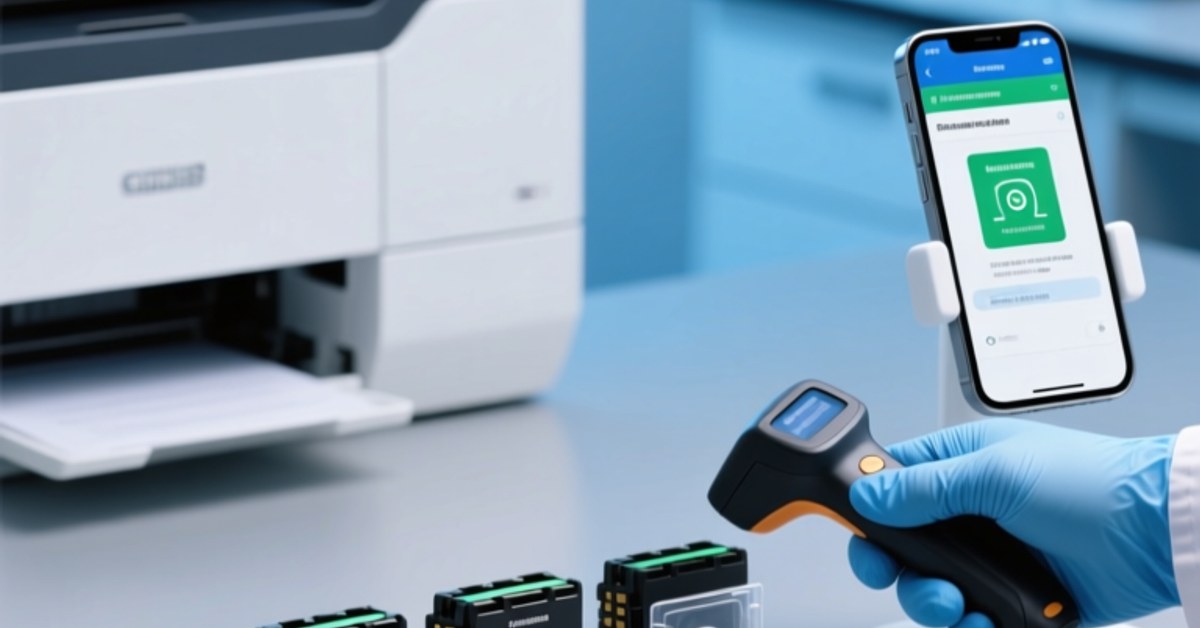
NFC tags on home appliances allow service technicians and consumers to tap the product with a smartphone or reader. The tap can open the machine-readable repair manual, repairability score, diagnostic data, and a spare parts portal. This makes it easier to identify the exact spare part, check compatibility, and access ordering or installation instructions — reducing downtime and preventing incorrect orders.
Do DPPs apply to all home appliances immediately?
No. The European Commission is introducing digital product passports through product-specific legislation under the Ecodesign for Sustainable Products Regulation. Home appliances are expected to be among the first categories, but exact timelines and delegated acts are still being finalised. It is prudent for manufacturers to start preparing data architecture and data carrier strategies now so they can move quickly when requirements are published.
Which RFID or NFC tags should appliance manufacturers use?
The ideal data carrier depends on where it will be placed. On metal appliance enclosures, anti-metal RFID tags or NFC on-metal tags are usually recommended. For plastic surfaces, NFC stickers, NFC tags, or RFID labels can be used with lower cost. For recycling facilities, UHF RFID tags allow longer read ranges and batch scanning. In all cases, tags should be tested for durability against temperature, moisture, and mechanical stress.
Can a QR code and an NFC tag share the same digital product passport?
Yes. Many brands place a QR code and an NFC tag side by side. The QR code satisfies users with older or non-NFC smartphones, while the NFC tag provides a quicker tap experience for NFC-enabled devices. Both identifiers can point to the same product passport URL or unique product identifier.
Ready to Make Your Appliances DPP-Ready?
NFCWORK Technology helps white goods manufacturers, importers, and retailers select the right NFC tags, RFID tags, and data carriers for digital product passports. From NFC labels for energy labels to UHF RFID tags for recycling logistics, our team can guide you through the technical choices.
Contact our team today to discuss your appliance DPP project and find a tag format that suits your product, factory, and after-sales ecosystem.