Why Food and Beverage Needs a Digital Product Passport
Food shoppers expect to know more than the price and the expiry date. They want to understand where ingredients come from, whether a product contains allergens they should avoid, and how a bottle of juice or a pack of fresh cheese was handled before it reached the shelf. A food dpp is a practical way to deliver that information with precision and trust.
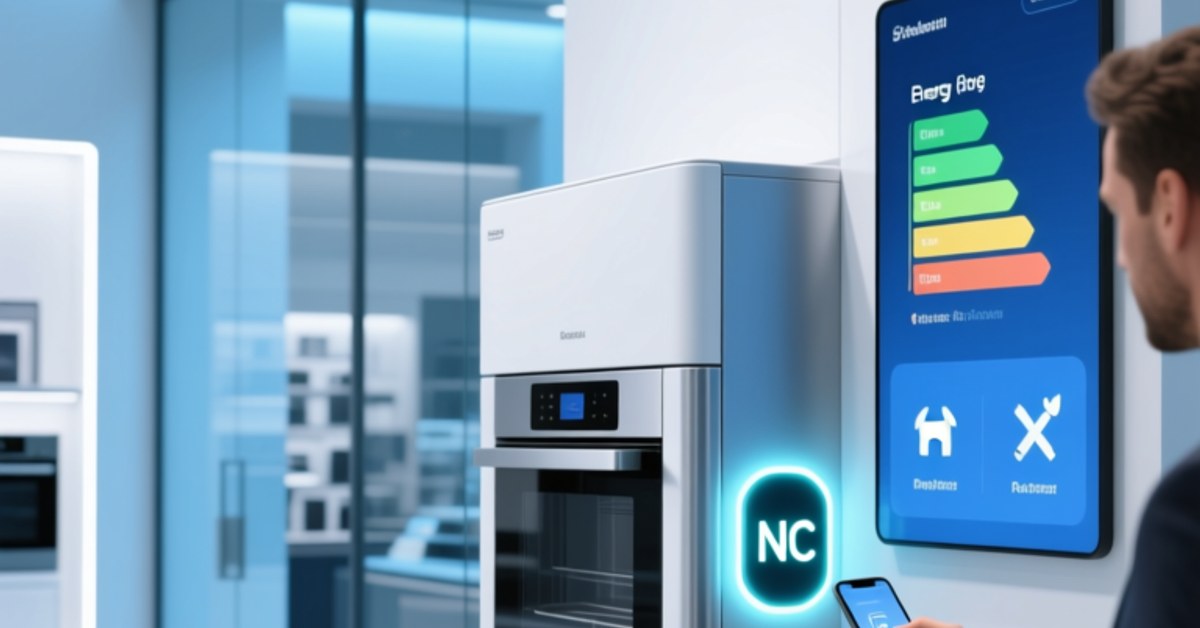
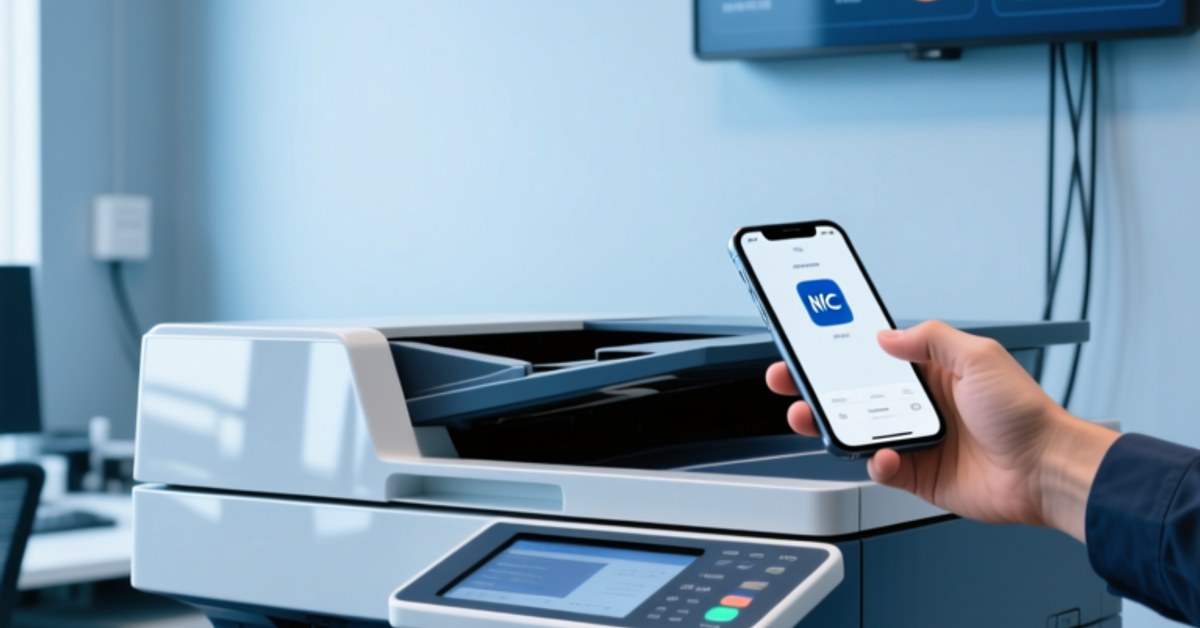
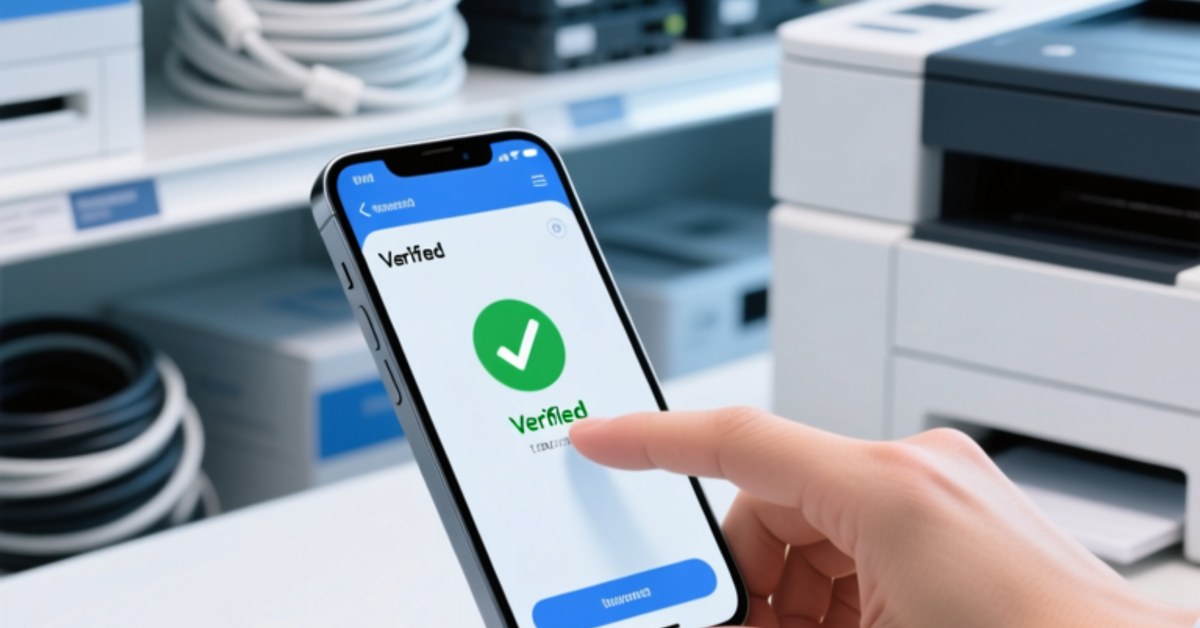
For producers, packagers, grocery retailers and agrifood supply chain managers, a food DPP is more than a consumer website. It is a structured, batch-level record that can carry product identity, origin, processing events, allergen declarations, use-by dates, certification references, and logistics history. When that record is linked to NFC smart food packaging, it can be opened by tapping an NFC label with a smartphone, without requiring shoppers to download an app.
This guide outlines how food and beverage companies can prepare for the EU farm-to-fork transparency direction, which data fields are relevant for perishable food, and how to design practical NFC on-pack labels for real-world production and retail environments.
From Farm to Fork: The EU Traceability and Transparency Direction
The European Green Deal and its Farm to Fork strategy are shifting the conversation from single-ingredient labels to whole-chain sustainability and transparency. While the EU regulates food information at package level through Regulation (EU) No 1169/2011, future policy activity is moving toward digital tools that make product information easier to update, more searchable and more accessible to the public.
Food business operators already work with mandatory traceability under the General Food Law Regulation (EC) No 178/2002, which requires one-step-back and one-step-forward traceability. The next frontier is not only legal traceability codes for inspectors but also consumer-oriented digital records that can be scanned at the point of sale. The industry is therefore watching the Digital Product Passport approaches developed for non-food categories and considering how similar methods can apply to perishable goods and beverage authentication.
A food dpp does not replace physical labels. It complements them by keeping data current and by allowing supply chain actors or shoppers to query the record at points where a printed label is too small to display everything.
Defining Perishable Batch Data for a Food DPP
Unlike durable consumer goods, food products have limited shelf life, temperature sensitivity, and food safety hazards. A DPP for food should therefore center on the batch, the expected life of the product, and all physical movements that affect quality.
Perishable batch data fields to consider
>
| Data layer | Example fields | Purpose |
|---|---|---|
| Product identity | Product GTIN/EAN, batch or lot number, product description, net quantity | Links physical packaging to a precise batch and commercial identity |
| Origin and sourcing | Country of origin, primary producer or farm identifier, ingredient origin attributes | Supports origin transparency and sourcing due diligence |
| Production and shelf life | Harvest or production timestamp, processing plant ID, best-before and use-by dates | Provides date evidence for freshness management |
| Allergen and safety | Allergen declaration, gluten or lactose notes, storage conditions, microbiological test references | Helps shoppers make safer choices and assists quality audits |
| Logistics and cold chain | Dispatch and receiving timestamps, warehouse IDs, transport stop events, temperature check records | Enables targeted recall and cold chain verification |
| Sustainability claims | Packaging composition, recycling instructions, certification references | Supports environmental claims and end-of-life communication |
Allergen and origin transparency in practice
Allergen information remains mandatory on pre-packed food in supermarkets. It should never appear only in an NFC tag that requires a phone. A food digital product passport can add extra support: a store worker, caregiver, or shopper can scan the label and instantly locate detailed allergen fields without reading small type or searching for a website address. The same logic applies to origin transparency. Region-specific claims such as protected designation of origin can be connected to farm-level details as long as those claims are verified and protected with a unique digital identifier.
NFC Smart Food Packaging: Label Design and Data Handoff
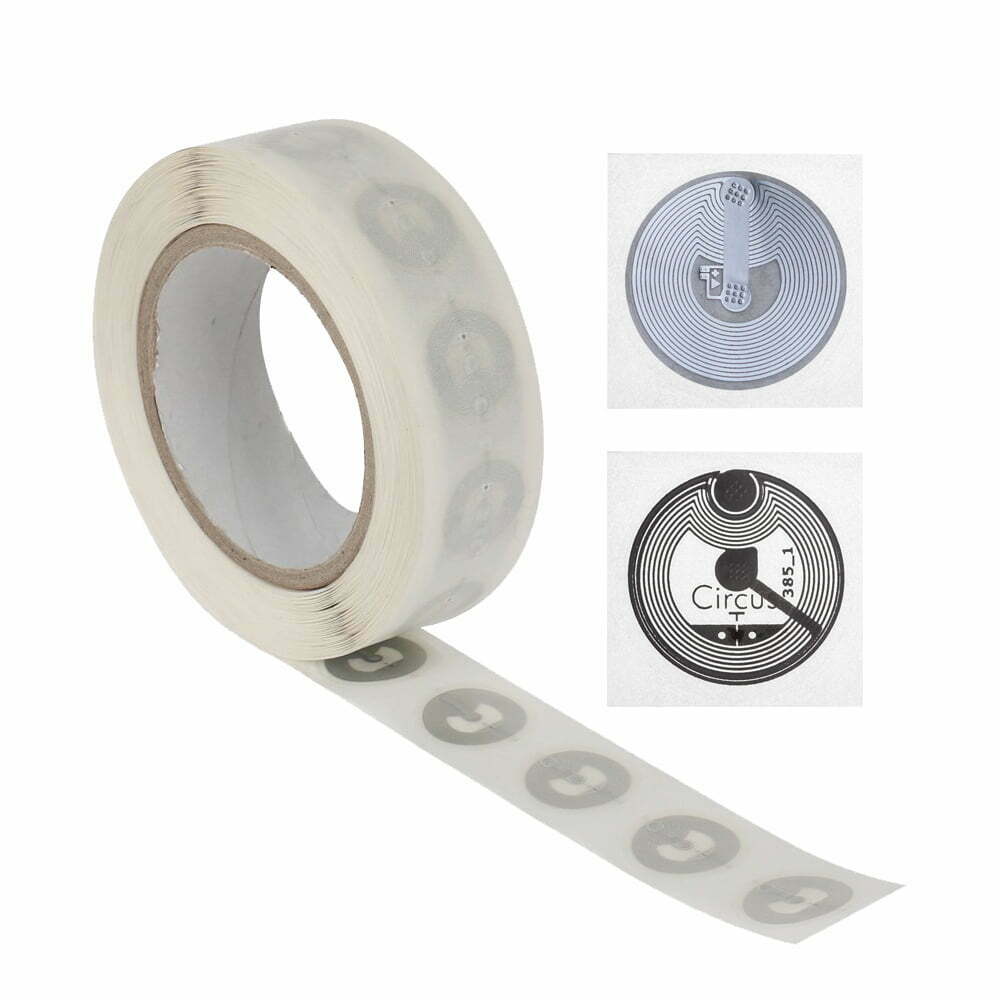
NFC tags, NFC labels, and NFC inlays offer a compact way to give food and beverage packages a digital identity. Unlike a printed barcode, a connected NFC label can hold a unique identifier or open a secure URL when tapped. For consumers, this creates a smooth app-free experience. For brands, the same code can also be logged in the backend as proof that a particular pack was scanned.
Each NFC tag can reference the same batch ID or can be serialized at the item level. The right approach depends on product value and food safety need. For fresh produce, batch-level encoding is often enough. For premium beverages that require beverage authentication, unit-level identifiers provide stronger protection against diversion and counterfeiting.
Designing NFC on-pack labels for food and drinks
- Placement. A label should sit on a flat, relatively dry area of the package. Highly curved bottles and metalized or foil pouches can detune the antenna, so a pilot test with the actual product is recommended.
- Cold chain resistance. Adhesives, facestocks, and inks must survive refrigeration, condensation, and handling. Verify printability and label curl before mass production.
- Encoding strategy. Store the unique URL or product identifier in the NFC tag, and keep detailed records in the DPP backend. Avoid putting personal data or overly long text into the tag itself.
- Scan position. NFC is intended for close contact, usually within a few centimeters. Consumer-facing instructions on pack can help people find the tap point.
- Bulk operations. If a company uses case-level automation, combine consumer-facing NFC labels with UHF RFID tags on crates, pallets or outer cases.
Combining NFC with UHF RFID for a farm to fork traceability NFC architecture
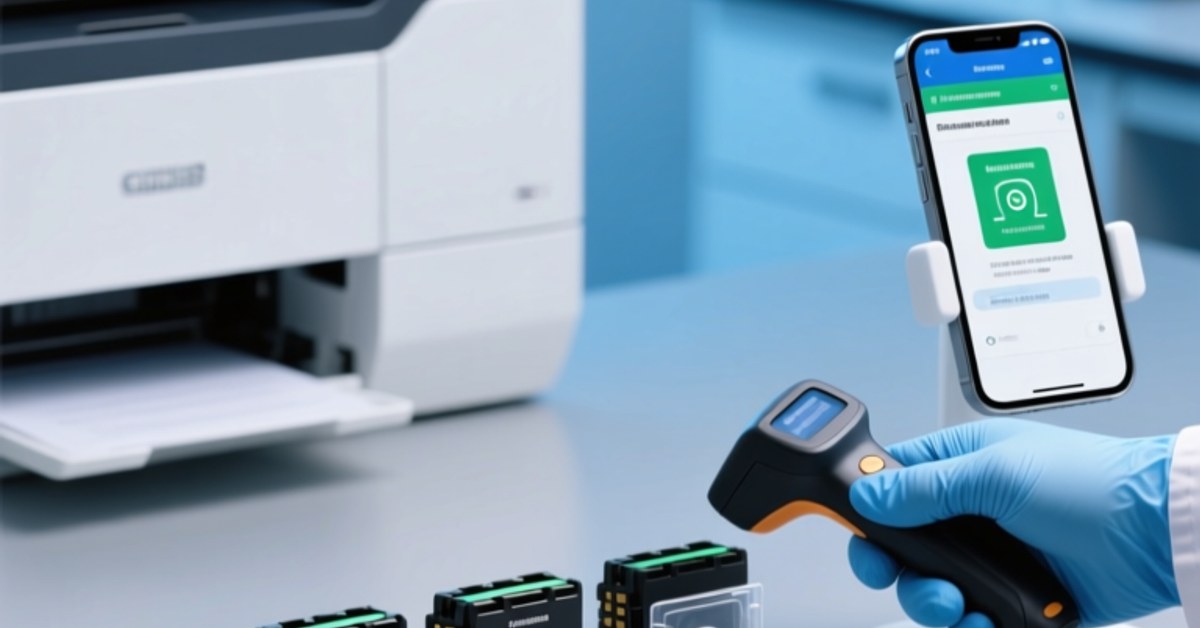
Not every label needs to be read by a consumer. At the case and pallet level, UHF RFID technology supports high-throughput receiving, put-away, picking, and shipping. A farm to fork traceability NFC architecture can therefore be hybrid: NFC labels for consumer engagement and store-level detail, plus UHF RFID tags and handheld UHF RFID readers for warehouse operations. This reduces manual data entry and creates a cleaner chain of custody.
Preparing for Recall with Batch-Level Food DPPs
Product recalls are expensive when an entire brand line is removed because only one batch is affected. A batch-level digital product passport can accelerate incident investigation by linking the printed code on the pack to digital events in the supply chain. Food safety teams can scan affected stock, read the lot, and see exactly which pallets, stores, or delivery routes are involved.
Targeted recall also helps build trust with retailers. Instead of asking stores to pull an entire SKU, a producer can issue precise instructions for the batch that matters and immediately show supporting records to the retailer. This proactive approach to food supply chain transparency makes audits and insurer investigations easier.
Cold Chain Data and Shelf-Life Visibility
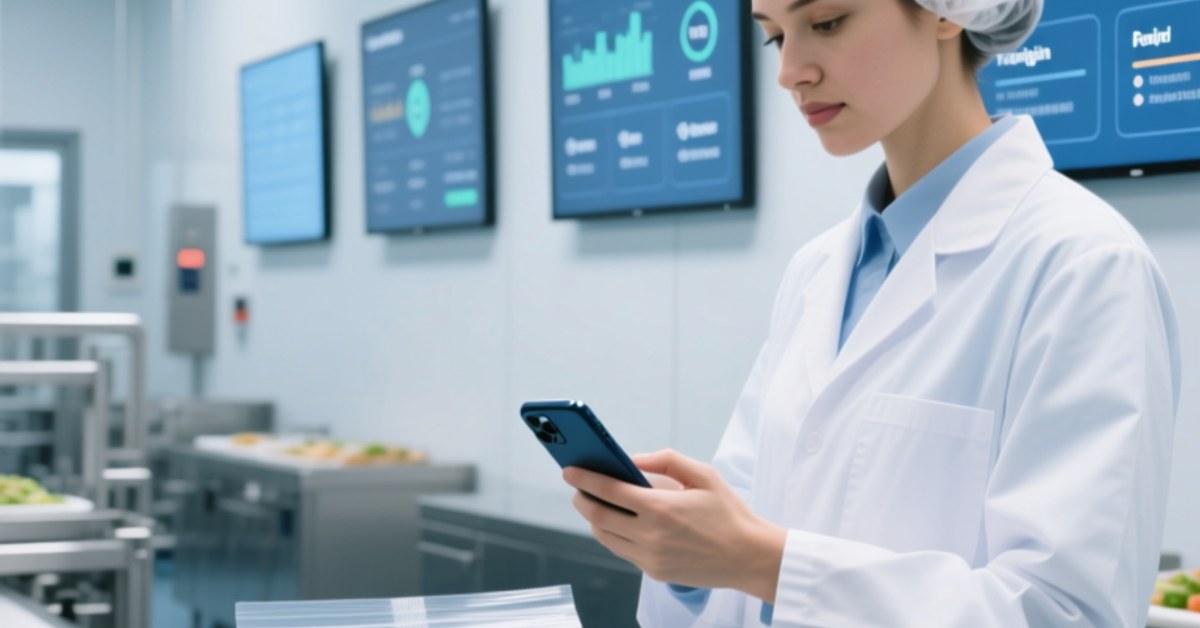
Temperature abuse remains a major risk for perishable food. Passive NFC tags do not log temperature on their own, but batch records can include temperature check points logged by approved temperature-monitoring devices in warehouses, trucks, and display cabinets. The DPP becomes the central place to collect those events and make them visible to trading partners. A delivery driver can record the scan at dispatch with a handheld RFID reader. The receiving store scans the same label with a desktop RFID reader or fixed RFID reader and confirms that the cold chain record is complete.
When the consumer scans the pack, they can see a summary such as best-before date, storage instructions, and a quality confirmation that the product was kept in the appropriate temperature range. This level of detail is hard to print on a small label but easy to present in a digital product passport.
Smart Food Packaging and the Future of Brand Trust
Consumers scan labels not only for product stories but also for practical information. Smart food packaging can reinforce trust by proving origin, supporting community claims, and connecting shoppers to recycling instructions. For brands, NFC labels also enable new content: recipes, storage tips, allergen advice, and follow-up reminders when a product is about to pass its best-before date.
Digital Product Passport projects in other sectors show that the real value comes from data governance. Assign an internal owner, define which fields are mandatory and which are optional, and require suppliers to submit records in a consistent format. Start with one product category, prove the process, and then scale across your portfolio. This is how food producers and beverage brands can turn traceability investment into durable business value.
FAQ
What is a food digital product passport?
A food digital product passport is a structured digital record that follows a product or batch through its life cycle. It can include origin, ingredients, allergens, production dates, shelf life, logistics information, safety records, and packaging guidance. In a food setting it is often accessed with an NFC smart label on the pack.
Is a Digital Product Passport mandatory for food products in the EU?
Harmonized DPP rules are being introduced by the EU for non-food product categories, while food traceability obligations already exist under the General Food Law. Farm to Fork policy signals point to more digital disclosure, but food producers should check the latest legal text for their specific product category and market before treating the DPP as a compliance requirement.
How much data can be stored on an NFC tag?
NFC tags have limited memory. Food DPPs work best when the tag stores a unique identifier or web address and the larger record is kept in a cloud product database. This makes it easier to correct mistakes and update information without reprinting labels.
Can every smartphone read an NFC food label?
Most modern NFC-enabled smartphones can read NFC tags once the screen is unlocked. If the tag is encoded with a standard URL record, the phone will open the DPP page without requiring a separate app. Older models may not support NFC or may have weaker antenna performance.
What is the best RFID technology for cold chain operations?
For individual consumer packs, NFC labels are practical. For pallets and cases, UHF RFID tags combined with handheld or fixed readers provide faster scanning without line-of-sight. A hybrid approach is often the best way to balance cost, reach, and visibility.
Start Your Smart Food Packaging Project
Every food category has different packaging, shelf-life, and data requirements. If you are exploring food digital product passports, NFC on-pack labels, or UHF RFID traceability at the pallet level, the NFCWORK and RFIDHY teams can help you select suitable NFC tags, labels, readers, and backend integration approaches.
Contact us to discuss your product line or browse NFC tags and readers to plan your first pilot.