Electric bicycles and e-scooters are transforming urban mobility, but their consumables—batteries, chargers, and swap-station components—present unique safety, operational, and environmental challenges. As fleets grow and battery swapping becomes mainstream, the ability to authenticate every component, track its usage, and manage its end-of-life becomes essential. NFC (Near Field Communication) and RFID technologies offer a practical, cost-effective way to give micromobility consumables a digital identity. This guide explores how e-bike battery authentication, e-scooter battery NFC, battery swapping NFC, micromobility charger safety, and e-bike battery recycling can be addressed with NFC tags, RFID readers, and related hardware from NFCWORK and RFIDHY.
The Growing Need for Digital Identity in Micromobility Consumables
Micromobility vehicles are designed for heavy daily use, and their batteries and chargers are the components most prone to wear, theft, and counterfeiting. A single unauthenticated charger can damage a battery, create a fire risk, and void warranties. A swapped battery with unknown history can strand a rider or compromise a fleet’s safety record. Meanwhile, regulators are tightening requirements for battery traceability, carbon footprint reporting, and end-of-life handling. The EU Battery Regulation and emerging Digital Product Passport (DPP) frameworks are pushing brands and operators to maintain verifiable records from production to recycling.
Traditional paper labels and barcodes are easily copied, damaged, or lost. NFC and RFID tags, by contrast, can be embedded in or attached to batteries and chargers, storing unique identifiers that are difficult to clone. When paired with NFC-enabled smartphones or fixed readers, these tags enable instant authentication, automated data capture, and seamless integration with fleet management platforms. For a broader view of how digital identity supports circularity, see our Digital Product Passport application page.
Battery Safety and Counterfeit Chargers: The NFC Authentication Layer
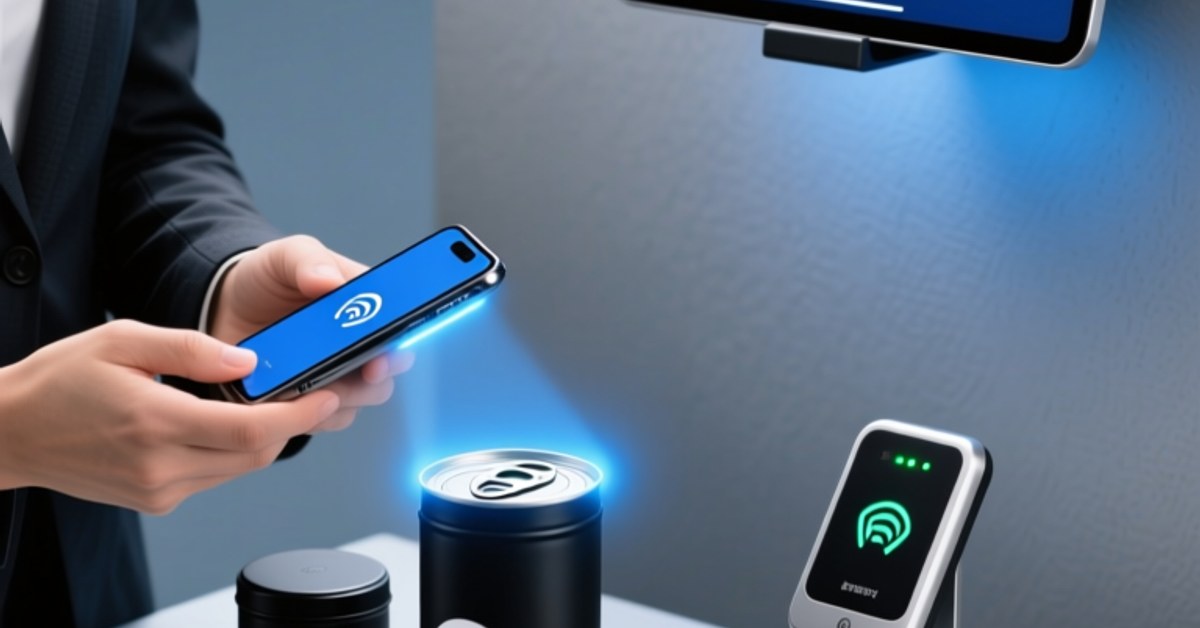
Battery fires in micromobility are often linked to counterfeit chargers, mismatched voltage, or tampered battery packs. NFC-based authentication creates a simple but powerful first line of defense. Each genuine battery and charger carries an NFC tag encoded with a unique, cryptographically protected identifier. Before charging or swapping, a rider, technician, or swap station can scan the tag to confirm that the component is authentic and approved for use.
How NFC Tags Secure Batteries and Chargers
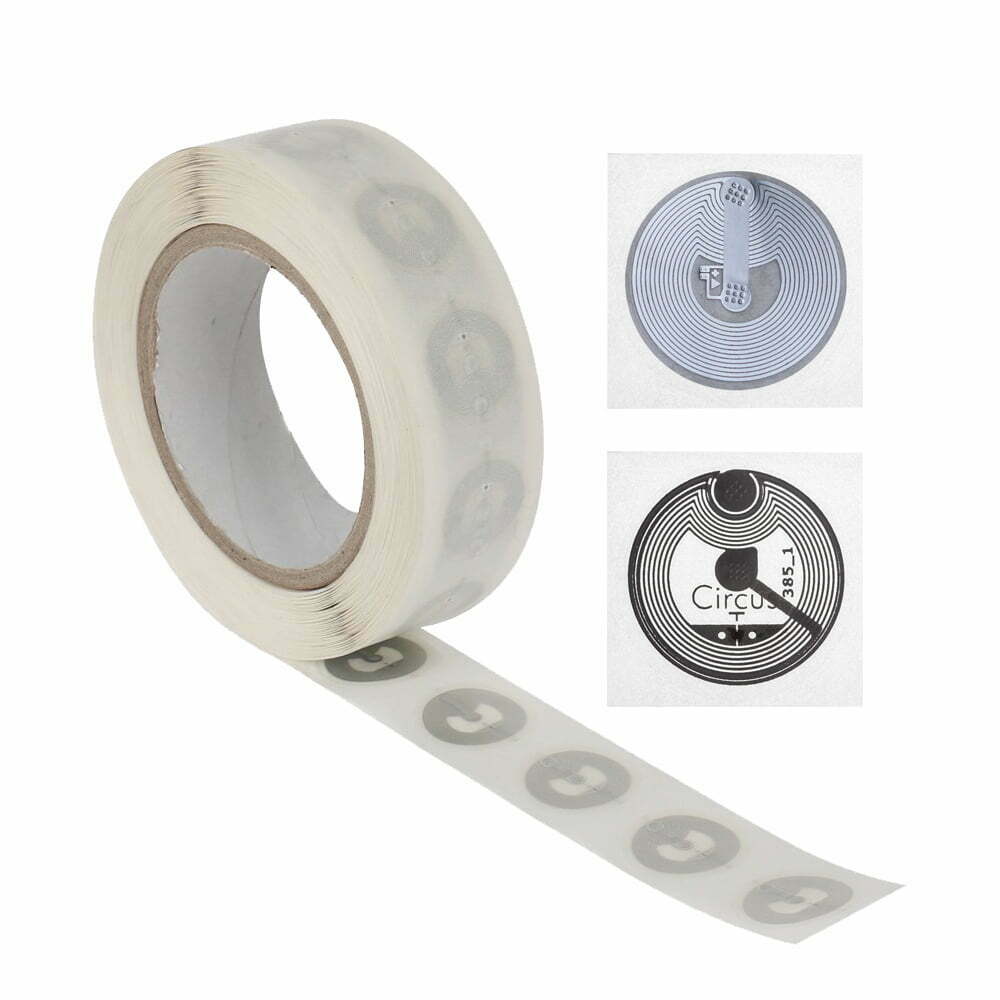
For battery packs, especially those with metal housings, anti-metal RFID tags or specialized NFC tags can be used to ensure reliable reads. These tags are designed to work on metallic surfaces without signal interference. On chargers, NFC stickers or durable NFC tags can be applied to the casing. The tag can store a digital certificate, manufacturing date, batch number, and compatibility information. When scanned with an NFC-enabled smartphone or a dedicated RFID reader, the system verifies the tag’s authenticity in real time.
Preventing Counterfeit Charger Risks
Counterfeit chargers often lack proper safety certifications and may deliver incorrect voltage or current. With NFC authentication, a charger that fails verification can be flagged immediately. Fleet operators can configure their management apps to reject unauthenticated chargers, preventing damage to batteries and reducing fire risk. This is particularly important for shared e-scooter and e-bike fleets, where chargers are frequently handled by riders or contractors. By making authentication a prerequisite for charging or swapping, operators enforce micromobility charger safety without adding friction for legitimate users.
Fleet and Swap-Station Identification with NFC
For fleet and sharing operators, knowing which battery is in which vehicle—and which swap station it interacts with—is critical for utilization, maintenance, and billing. NFC and RFID provide a reliable, low-power way to identify assets at key touchpoints.
Battery Swap Station Authentication
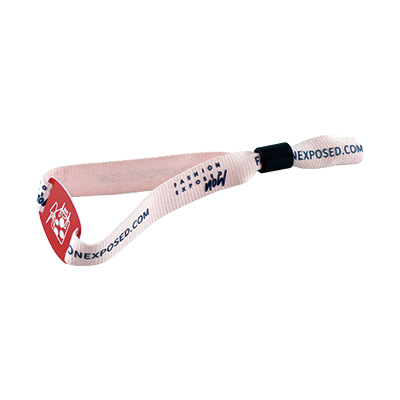
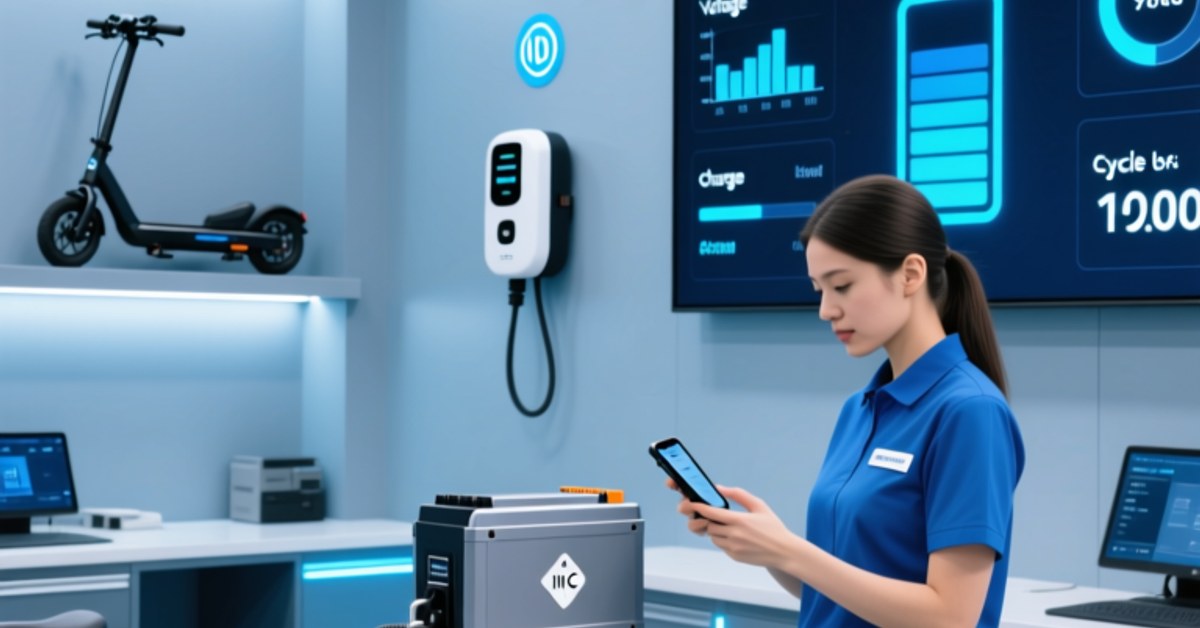
Battery swapping NFC enables fast, secure exchanges. At a swap station, a fixed or embedded RFID reader or NFC reader module identifies the incoming battery, verifies its state-of-health, and checks whether the rider is authorized to complete the swap. Riders can authenticate themselves with an NFC wristband or NFC card, making the process touchless and quick. The station logs the transaction, including battery ID, time, and rider ID, creating a complete chain of custody. This data is invaluable for fraud prevention, usage analytics, and warranty management.
Fleet Asset Tracking for Batteries and Chargers
Batteries and chargers move between vehicles, warehouses, and service centers. RFID asset tracking, using UHF RFID tags or NFC tags, allows operators to monitor inventory in real time. A handheld handheld RFID reader can scan racks of batteries during audits, while fixed readers at depot gates can automatically record items entering or leaving. This reduces manual logging errors and helps prevent theft. For a complete solution overview, visit our NFC products page.
State-of-Health and Usage Records on NFC
A battery’s remaining useful life depends on its charge cycles, temperature exposure, and charging habits. NFC tags with writable memory can store a summary of state-of-health (SOH) and usage history. When a battery is scanned, the reader can retrieve this data and compare it against the battery management system (BMS) records. This dual-source verification helps identify inconsistent or tampered data.
Linking NFC to Digital Product Passports
Many manufacturers and fleet operators are preparing for Digital Product Passports, which will require detailed lifecycle data. NFC tags can act as the physical key to a DPP, linking the physical battery to a cloud record. The tag itself can store a unique ID and a URL or URI, while the full history—from raw material sourcing to repair and recycling—lives in a secure database. This approach supports regulatory reporting and gives recyclers access to critical disassembly and safety information. Learn more on our Digital Product Passport page.
Insurance and Compliance: Building an Auditable Trail
Insurance providers increasingly ask for evidence that batteries and chargers are maintained and used correctly. NFC-generated records can provide that evidence. Each scan creates a timestamped log: who scanned, what was scanned, and what data was read or written. In the event of a fire or accident, this trail helps determine whether the components involved were genuine, properly matched, and within their service life.
Compliance with standards such as UL 2849, EN 15194, and the EU Battery Regulation is easier when every component has a digital identity. NFC can be used to store declarations of conformity, test certificates, and recycling instructions. For fleet operators, this means faster audits and lower administrative burden. Our Smart management solutions show how NFC data can be integrated into broader operational workflows.
Take-Back, Recycling and Second-Life Programs
E-bike battery recycling and second-life applications are essential for sustainability. NFC tags simplify reverse logistics by enabling automated sorting and grading at collection points. When a battery is returned, a reader scans its NFC tag to retrieve its history, including SOH, cycle count, and any safety flags. Batteries suitable for second-life use can be routed to refurbishment, while others go to certified recyclers.
Reverse Logistics with NFC
Collection centers, retailers, and service vans can use handheld RFID readers or NFC-enabled smartphones to log returned batteries. The system automatically updates inventory and triggers recycling documentation. This reduces the risk of batteries being illegally dumped or entering informal recycling channels. It also provides brands with data to improve product design and warranty policies.
Verifying Second-Life Batteries
Second-life batteries—whether used in stationary storage or light electric vehicles—must be accurately graded. NFC tags can store a certified second-life label with performance data, warranty terms, and remaining cycle life. Buyers can scan the tag to verify the battery’s provenance and condition, building trust in the secondary market. This supports the circular economy and extends the useful life of valuable materials.
Implementing NFC for Micromobility Consumables
Deploying NFC in a micromobility context requires choosing the right tag and reader for each component. The table below outlines typical recommendations based on product categories available from NFCWORK and RFIDHY.
>
| Component | Recommended RFID/NFC Product | Key Function |
|---|---|---|
| E-bike battery pack | Anti-metal RFID tags or NFC tags | Authentication, state-of-health, usage logs |
| Charger | NFC stickers or NFC tags | Genuine accessory verification, safety checks |
| Swap station | Fixed RFID reader or NFC reader module | Battery identification, access control, transaction logging |
| Fleet operator tools | Handheld RFID reader or NFC-enabled smartphone | Field audits, maintenance tracking |
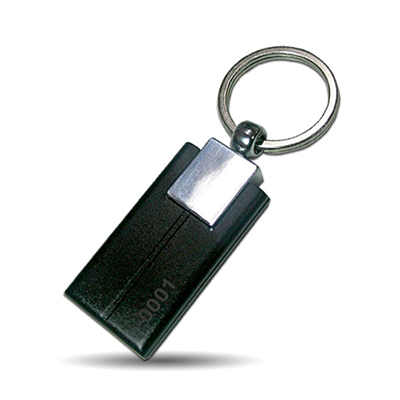
| Rider/technician access | NFC wristbands or NFC cards | Swap authorization, service check-in |
Pilot projects typically start with battery authentication and swap-station identification, then expand to full lifecycle tracking. Because NFC is already supported by most smartphones, riders and technicians can participate without specialized hardware. For higher-volume operations, dedicated RFID readers and RFID modules can be integrated into swap stations and charging racks.
Conclusion: Safer, Smarter Micromobility Through NFC
NFC and RFID are no longer optional for micromobility operators who care about safety, efficiency, and sustainability. From e-bike battery authentication and counterfeit charger detection to battery swapping NFC and e-bike battery recycling, these technologies provide the digital thread that connects every consumable to its history and its future. By choosing proven NFC tags, anti-metal RFID tags, and readers from NFCWORK and RFIDHY, brands and fleet operators can build trust, reduce risk, and support the circular economy.
FAQ
How does NFC authentication work on e-bike batteries?
An NFC tag is attached to or embedded in the battery. The tag contains a unique, cryptographically protected identifier. When scanned by an NFC-enabled smartphone or reader, the system verifies the tag’s authenticity and can retrieve battery data such as model, batch, and state-of-health. Cloned or tampered tags are rejected, helping prevent the use of counterfeit batteries.
Can NFC tags survive the heat and vibration of e-scooter batteries?
Yes, when the correct tag type is chosen. Anti-metal RFID tags and rugged NFC tags are designed for harsh environments and can withstand typical operating temperatures and vibration. The tag should be positioned to avoid direct battery cell heat and mechanical stress. Consultation with a supplier like RFIDHY ensures the right tag for the specific battery design.
What is the role of NFC in battery swapping?
Battery swapping NFC enables fast identification of batteries and riders at swap stations. A reader verifies the battery’s identity and state-of-health, while the rider authenticates with an NFC wristband or card. The station logs the exchange, ensuring only compatible and safe batteries are issued. This reduces swap time and improves fleet accountability.
How does NFC support e-bike battery recycling?
NFC tags store lifecycle data that recyclers and collection centers can read instantly. This helps sort batteries by chemistry, condition, and remaining value. It also automates documentation for take-back programs, ensuring that batteries are routed to certified recyclers and that second-life candidates are identified accurately.
Are NFC tags secure against cloning?
Modern NFC tags can include cryptographic features such as digital signatures and mutual authentication. While no system is completely immune, these measures make cloning significantly more difficult and detectable. Combining tag security with cloud-based verification adds another layer of protection.
Ready to Secure Your Micromobility Consumables?
Whether you are an e-bike brand, a sharing operator, or a battery swap provider, NFCWORK and RFIDHY can help you design and deploy an NFC authentication and tracking system tailored to your fleet. From anti-metal RFID tags for battery packs to NFC wristbands for riders, we supply the hardware and expertise you need.
Contact us today to discuss your project, request samples, or explore our NFC products and solutions.