The Challenge of Consumable Management in Managed Print Services
Managed print services (MPS) providers and enterprise print fleet managers constantly juggle competing priorities: minimizing downtime, controlling costs, and ensuring accurate billing. At the heart of these challenges lies consumable management—toner, ink, paper, and maintenance kits. Traditional methods of tracking consumables often rely on manual checks, guesswork, and reactive ordering, leading to stockouts, emergency shipments, and billing discrepancies. As print fleets grow, these inefficiencies multiply. Enter NFC technology, which offers a reliable, scalable solution for automating consumable tracking, enabling auto-replenishment, and supporting page-based billing models.
Why Traditional Consumable Tracking Falls Short
Manual consumable tracking is labor-intensive and error-prone. IT staff or office managers must physically inspect printers, note toner levels, and place orders before supplies run out. This reactive approach results in:
- Unplanned downtime when consumables run out.
- Higher costs due to emergency orders and expedited shipping.
- Inaccurate page billing because usage data is not tied to actual consumable consumption.
- Excess inventory or stockouts, both of which tie up capital and reduce efficiency.
These issues are exacerbated in large, multi-site fleets where visibility is limited and logistics are complex.
How NFC Technology Enables Smart Consumable Tracking
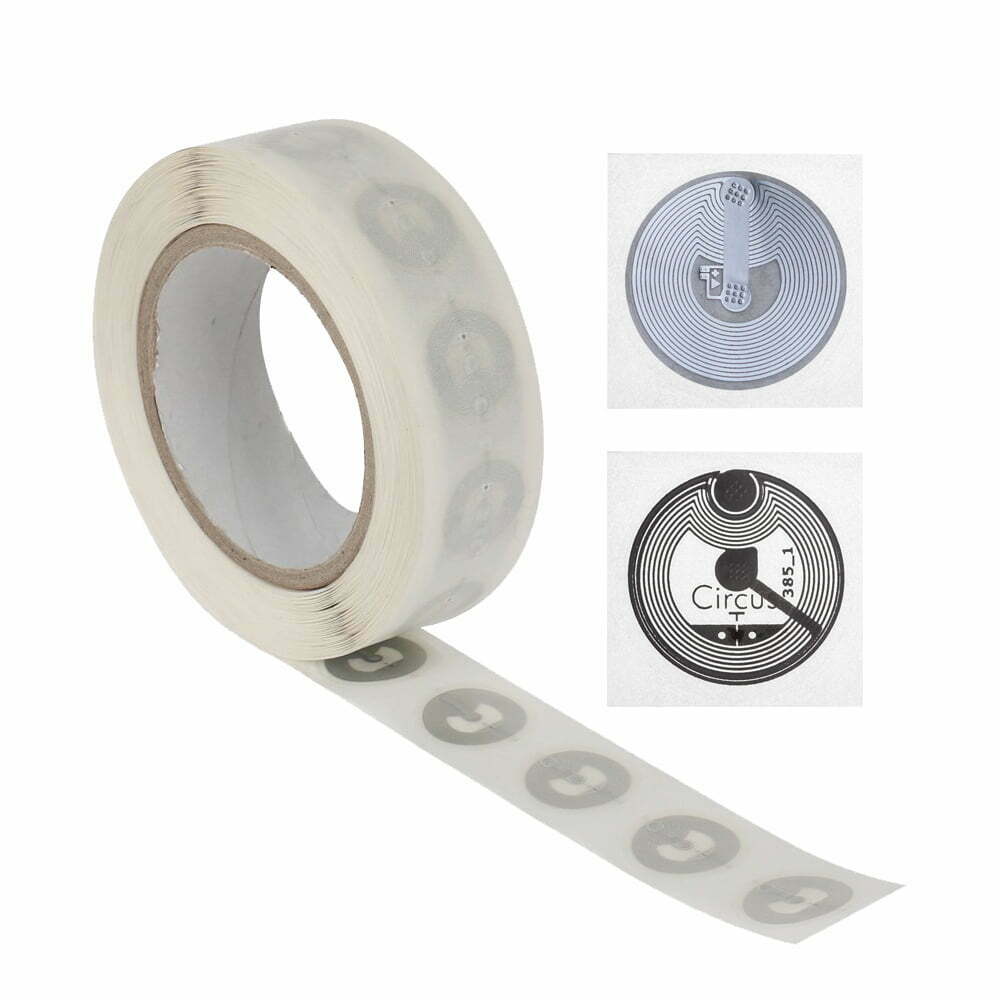
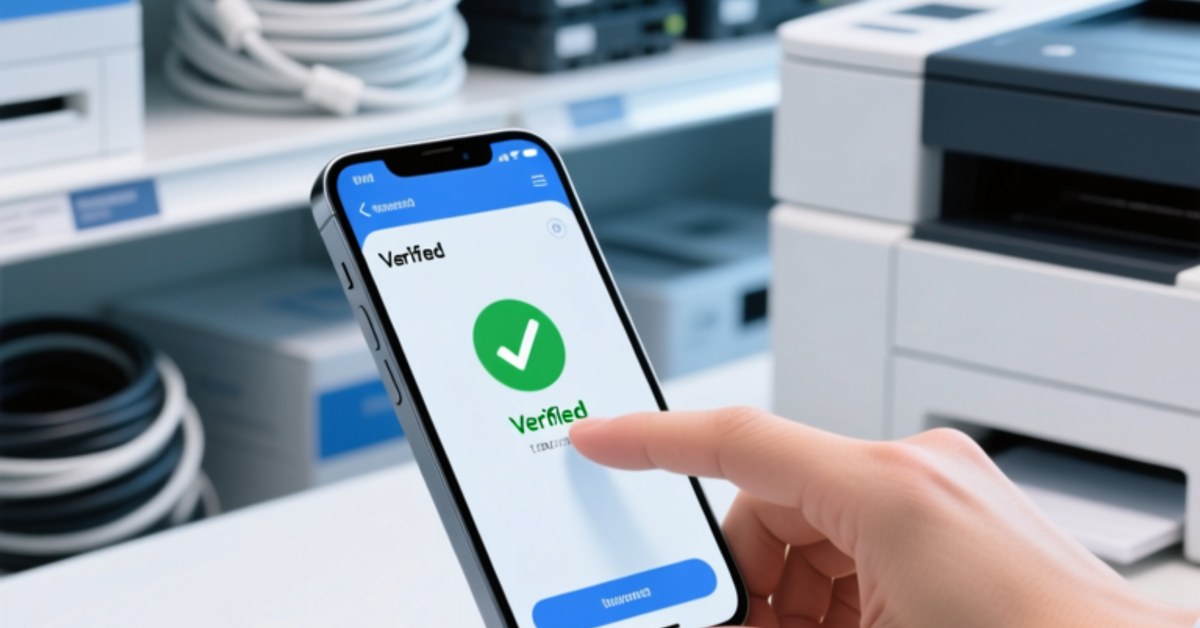
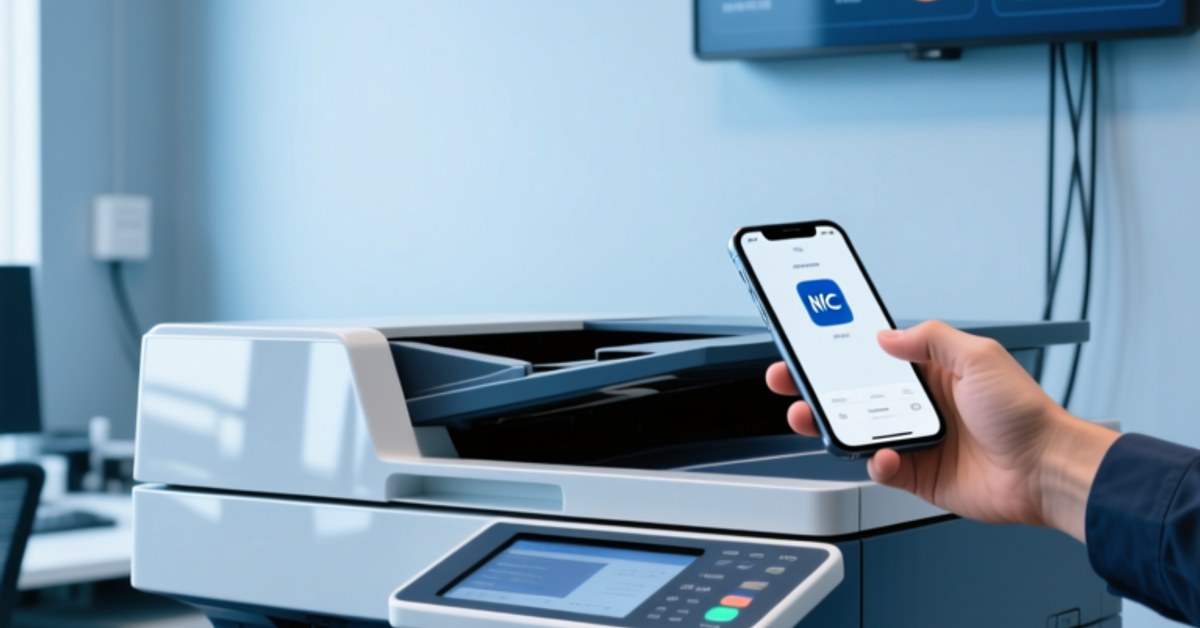
NFC (Near Field Communication) tags are small, inexpensive, and can be attached to toner cartridges, ink bottles, and other consumables. Each NFC tag contains a unique identifier and can store data such as part number, batch, and installation date. When a consumable is installed, an NFC-enabled smartphone or a fixed NFC reader can scan the tag, automatically registering the item in the print fleet management system. This simple action triggers a cascade of benefits: real-time inventory updates, usage tracking, and automated replenishment.
NFC Tags for Consumables: Practical Implementation
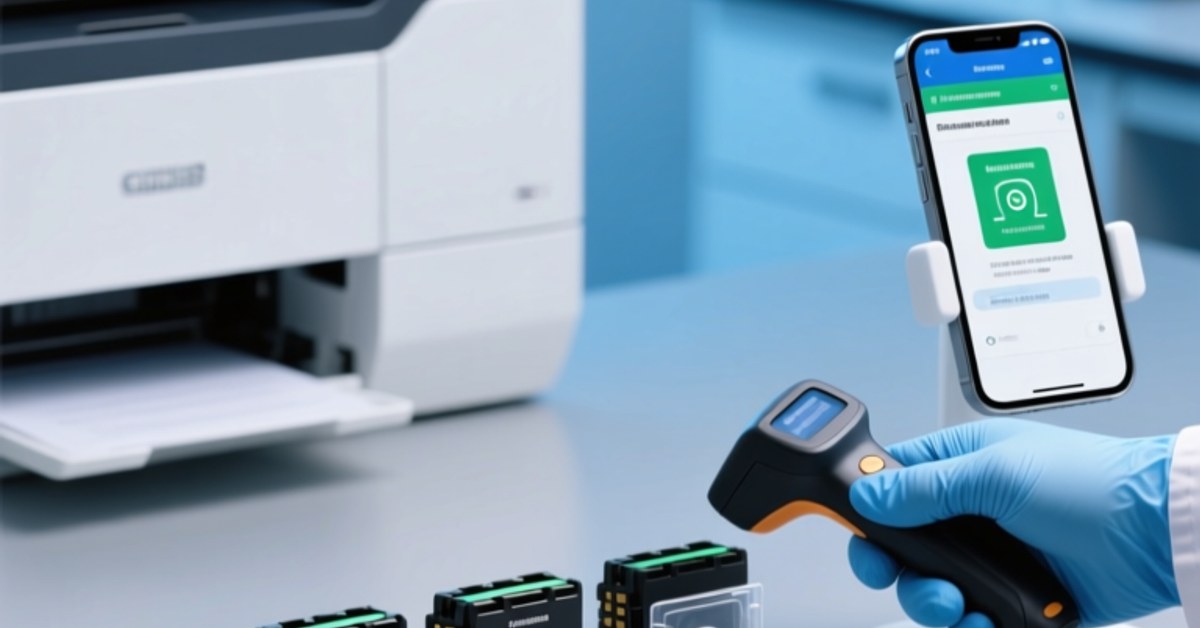
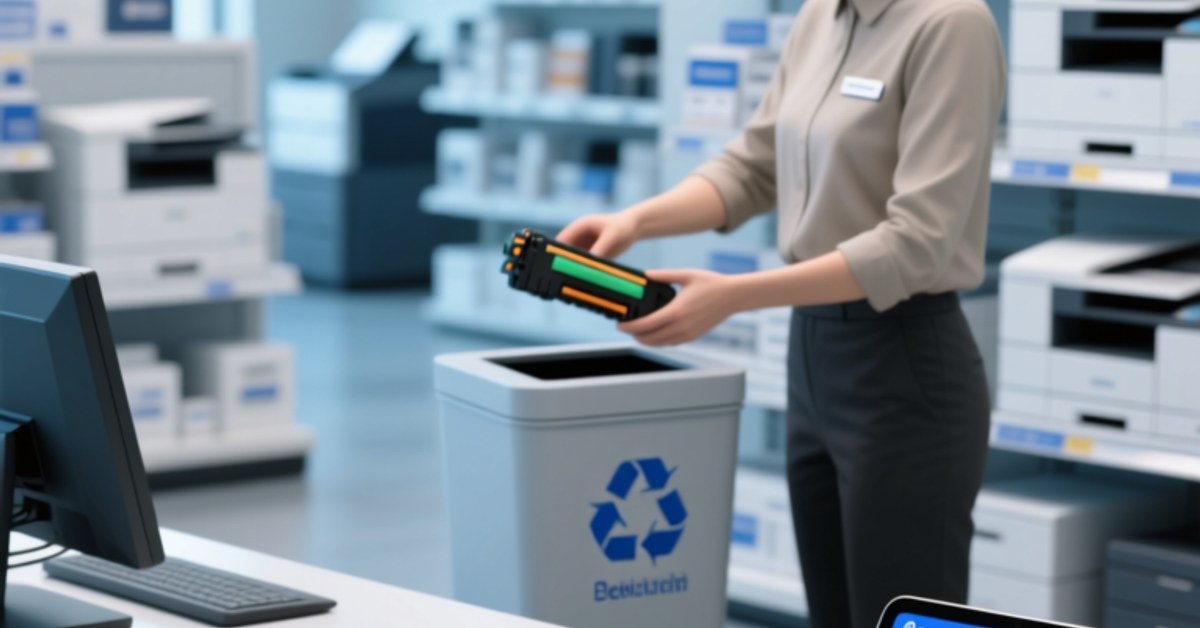
For MPS providers, integrating NFC tags into consumables is straightforward. NFC tags from NFCWORK’s product range can be customized with adhesive backing to fit various cartridge form factors. They are durable, resistant to dust and vibration, and can be read through non-metallic packaging. When a technician installs a new toner cartridge, they simply tap an NFC-enabled smartphone against the tag, and the system logs the installation, associates it with a specific printer, and updates the consumable’s status.
Alternatively, fixed NFC readers can be installed inside printers or on nearby walls to automatically detect when a new cartridge is installed. This eliminates manual scanning and ensures every consumable change is recorded without human intervention.
Fleet Visibility: Real-Time Insights for Proactive Management
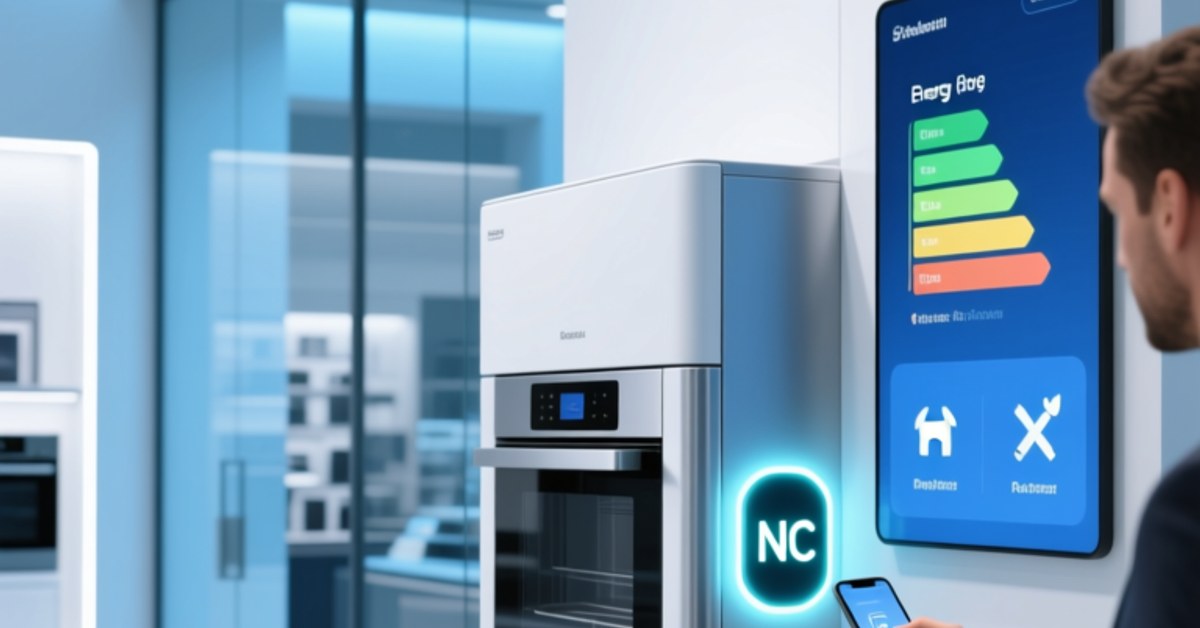
One of the most compelling benefits of NFC-enabled consumable tracking is enhanced fleet visibility. Print fleet managers gain a live dashboard showing the status of every consumable across all locations. This includes:
- Current toner levels (if integrated with printer sensors) or estimated remaining pages.
- Installation dates and expected replacement dates.
- Consumable usage patterns by printer, department, or site.
- Alerts when a consumable is nearing its automatic reorder threshold.
This level of visibility transforms MPS from a reactive service to a proactive, data-driven operation. Instead of waiting for a low-toner alert from a user, the system can predict when a cartridge will need replacement based on historical usage and trigger an order automatically.
Integrating NFC Data with Print Fleet Management Software
To fully leverage NFC data, MPS providers must integrate it with their print fleet management software. Most modern platforms offer APIs that can receive data from NFC scans or fixed readers. The integration enables:
- Automatic updates to inventory records.
- Real-time tracking of consumable lifecycles.
- Generation of usage reports for billing and analytics.
- Automated workflows for replenishment and service dispatch.
Integration with service platforms ensures that every consumable event—installation, replacement, or disposal—is captured and acted upon without manual intervention.
Auto-Replenishment: Setting Automatic Reorder Thresholds
Auto-replenishment is a cornerstone of efficient managed print services. By setting automatic reorder thresholds, MPS providers can ensure that consumables are ordered before they run out, eliminating downtime and emergency shipments. NFC technology makes this process seamless.
How Automatic Reorder Thresholds Work
Each consumable in the system is assigned a threshold—for example, when estimated remaining pages fall below 10%, or when a certain number of days have passed since installation. When the NFC system detects that a consumable has reached its threshold, it automatically generates a replenishment order. The order can be routed to the MPS provider’s warehouse, a distributor, or directly to the client site, depending on the contract terms.
Thresholds can be customized by printer model, usage volume, and service level agreements (SLAs). For example, a high-volume printer in a busy office might have a threshold of 15% remaining, while a low-volume printer in a remote location might have a threshold of 25% to account for longer delivery times.
Benefits of Auto-Replenishment for MPS Providers
- Reduced administrative overhead: No more manual ordering or chasing low-toner alerts.
- Lower shipping costs: Consolidated shipments and planned deliveries reduce expedited shipping fees.
- Improved customer satisfaction: Clients never run out of toner, reducing downtime and complaints.
- Better inventory management: Providers can optimize stock levels and reduce carrying costs.
Page-Based Billing and Consumables: Aligning Costs with Usage
Page-based billing is a common MPS pricing model where clients pay per page printed, with consumables included. However, accurately tracking page counts and attributing consumable costs can be challenging. NFC technology bridges this gap by linking consumable consumption directly to page output.
The Challenge of Accurate Page Billing
Traditional page billing relies on printer page counters, which may not reflect actual consumable usage. For example, a printer might report a page count, but the toner consumed could vary based on print density, paper type, and other factors. This discrepancy can lead to under- or over-billing, eroding trust and profitability.
Moreover, without accurate consumable tracking, MPS providers cannot easily identify which clients are using more consumables than expected, or which printers are inefficient.
How NFC Enhances Page Billing Accuracy
By tagging each consumable with an NFC tag, MPS providers can track the exact consumption of toner and other supplies. When a consumable is installed, the system records the starting page count. When it is replaced, the system records the ending page count. The difference, combined with the consumable’s yield, provides a precise measure of pages printed per consumable. This data can be used to:
- Validate page billing invoices.
- Identify anomalies that may indicate printer issues or misuse.
- Optimize consumable yield and reduce waste.
- Offer clients detailed usage reports that justify billing.
Table: Example of NFC-enabled page billing data
>
| Printer ID | Consumable ID | Start Page Count | End Page Count | Pages Printed | Toner Yield (pages) | Cost per Page |
|---|---|---|---|---|---|---|
| PRN-001 | TN-2024-001 | 1,200 | 4,500 | 3,300 | 3,500 | $0.012 |
| PRN-002 | TN-2024-002 | 800 | 3,900 | 3,100 | 3,500 | $0.012 |
This level of detail enables MPS providers to bill accurately and demonstrate value to clients.
Stock and Logistics: Streamlining the Supply Chain
Effective stock and logistics management is critical for MPS profitability. NFC technology provides the data needed to optimize inventory levels, reduce stockouts, and improve logistics efficiency.
Reducing Stockouts and Excess Inventory
With real-time consumable tracking, MPS providers can maintain optimal stock levels. The system can automatically calculate reorder points based on historical usage, lead times, and service level agreements. This reduces the risk of stockouts while minimizing excess inventory that ties up capital.
For example, if a particular toner model is used across multiple clients, the system can aggregate demand and trigger bulk orders when thresholds are reached, securing better pricing from suppliers.
Improving Logistics with Data-Driven Insights
NFC data can also inform logistics decisions. By analyzing consumable replacement patterns, providers can plan delivery routes more efficiently, consolidate shipments, and reduce transportation costs. For instance, if multiple clients in the same area need toner replacements within a short window, the system can schedule a single delivery route, saving time and fuel.
Additionally, NFC tags can include batch and expiration data, ensuring that older stock is used first (FIFO), reducing waste from expired consumables.
Integration with Service Platforms and ERP Systems
To maximize the benefits of NFC in managed print services, integration with existing service platforms and ERP systems is essential. This ensures that consumable data flows seamlessly into billing, inventory, and service management workflows.
APIs and Middleware for Seamless Data Flow
Most MPS platforms offer RESTful APIs that can receive data from NFC scans. Middleware can be used to translate NFC tag data into the format required by the platform. For example, when an NFC tag is scanned, the middleware might send a JSON payload with the consumable ID, printer ID, timestamp, and action (install/remove) to the MPS platform’s API. The platform then updates its records and triggers any associated workflows.
Integration with ERP systems allows for automatic inventory updates, purchase order creation, and invoice generation. This end-to-end automation reduces manual data entry and errors.
Choosing the Right NFC Hardware
Selecting the right NFC hardware is crucial for reliable performance. For consumable tracking, options include:
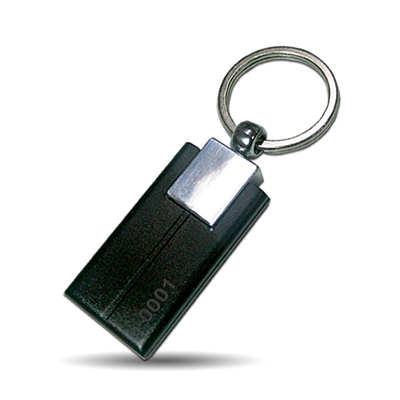
- NFC tags: Passive tags that can be attached to cartridges. Choose durable tags resistant to heat, chemicals, and vibration. NFCWORK offers a range of NFC tags suitable for industrial applications.
- NFC-enabled smartphones: Many modern smartphones can read NFC tags. Field technicians can use their own devices, reducing hardware costs. See NFC ENABLED SMARTPHONE for more details.
- Fixed NFC readers: For automated scanning, fixed readers can be installed in printers or on walls. These readers can continuously monitor for new tags and send data to the system.
When choosing hardware, consider read range, environmental conditions, and integration capabilities.
Implementing NFC in Your MPS Contracts: Best Practices
Adopting NFC technology in managed print services requires careful planning. Here are best practices for a successful implementation.
Pilot Programs and Phased Rollouts
Start with a pilot program involving a small number of clients or printers. This allows you to test the technology, refine processes, and gather data on ROI. Once proven, expand to more sites in phases, incorporating lessons learned.
Training and Change Management
Technicians and clients need training on how to use NFC tags and readers. Provide clear instructions and support materials. Emphasize the benefits: less downtime, accurate billing, and easier inventory management. Change management is key to adoption.
Security and Data Privacy Considerations
NFC tags can be read by anyone with an NFC-enabled device, so data privacy is a concern. Ensure that tags only contain non-sensitive identifiers (e.g., a unique ID) and that sensitive data is stored securely in the cloud. Use authentication and encryption for data transmission. Comply with data protection regulations such as GDPR.
The Future of Managed Print Services with NFC
As enterprises continue to digitize, managed print services will evolve. NFC technology will play a central role in creating smarter, more efficient print fleets. We can expect to see deeper integration with IoT platforms, predictive analytics for consumable demand, and even automated ordering through voice assistants. MPS providers who embrace NFC today will be well-positioned to lead the market tomorrow.
Conclusion
NFC technology offers a powerful solution for the challenges of consumable management in managed print services. By automating consumable tracking, enabling auto-replenishment, and supporting accurate page-based billing, NFC helps MPS providers reduce costs, improve fleet visibility, and enhance client satisfaction. With seamless integration into service platforms and ERP systems, NFC data drives operational excellence across stock, logistics, and billing. As the print industry continues to evolve, NFC will be a key enabler of next-generation managed print services.
FAQ
How does NFC technology work for consumable tracking in managed print services?
NFC tags are attached to toner cartridges and other consumables. When a technician installs a new cartridge, they scan the tag with an NFC-enabled smartphone or a fixed reader. The system records the installation, updates inventory, and tracks usage. This eliminates manual data entry and provides real-time visibility.
What are the benefits of auto-replenishment for toner?
Auto-replenishment ensures that toner is ordered automatically when it reaches a predefined threshold. This prevents stockouts, reduces emergency shipping costs, and improves customer satisfaction by eliminating downtime. It also streamlines inventory management for MPS providers.
Can NFC improve page-based billing accuracy?
Yes. By linking consumable consumption to page counts, NFC provides precise data on pages printed per cartridge. This helps validate invoices, identify anomalies, and optimize consumable yield, leading to more accurate and transparent page-based billing.
How do I integrate NFC data with my existing MPS platform?
Most MPS platforms offer APIs that can receive data from NFC scans. Middleware can translate NFC tag data into the required format and send it to the platform. This enables automatic inventory updates, billing, and service workflows.
What NFC hardware do I need to get started?
You will need NFC tags for consumables, NFC-enabled smartphones for technicians, and optionally fixed NFC readers for automated scanning. Choose durable tags and readers that suit your environmental conditions. NFCWORK offers a range of NFC tags and readers suitable for MPS applications.
Is NFC consumable tracking secure?
NFC tags typically contain only a unique identifier, while sensitive data is stored securely in the cloud. Use authentication and encryption for data transmission, and comply with data protection regulations. This ensures that consumable tracking remains secure.
Ready to Transform Your Managed Print Services with NFC?
NFCWORK Technology provides NFC tags, readers, and integration support for managed print services. Whether you are an MPS provider, IT fleet manager, or enterprise procurement team, we can help you automate consumable tracking, implement auto-replenishment, and improve page billing accuracy.
Contact us today to discuss your requirements or explore our NFC products for print fleet management.