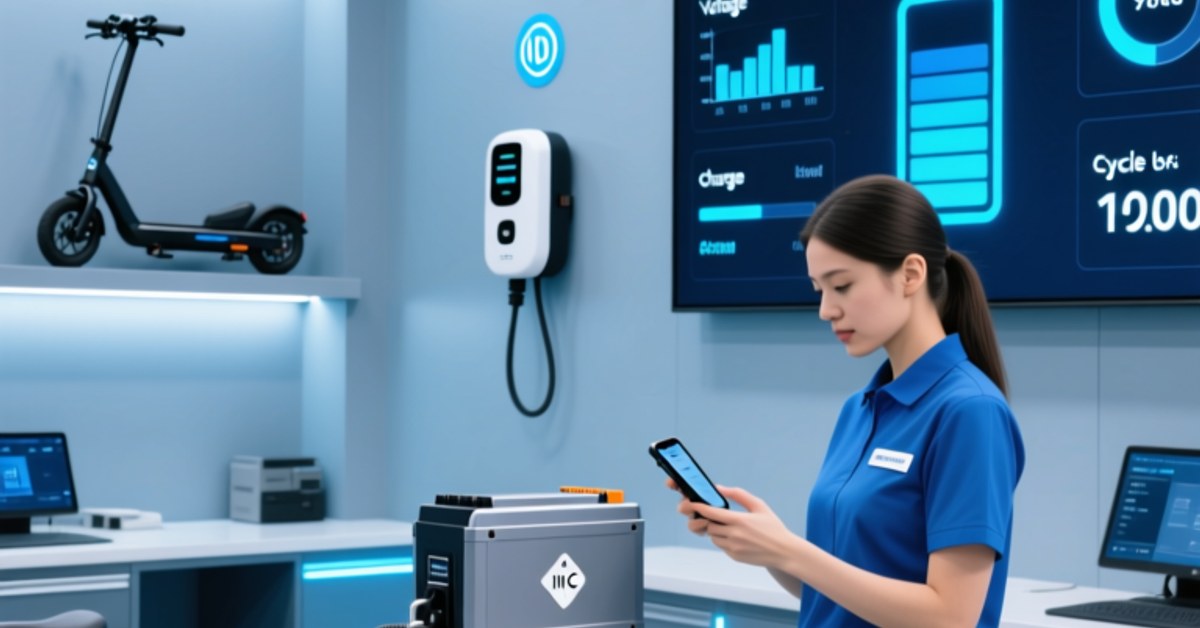
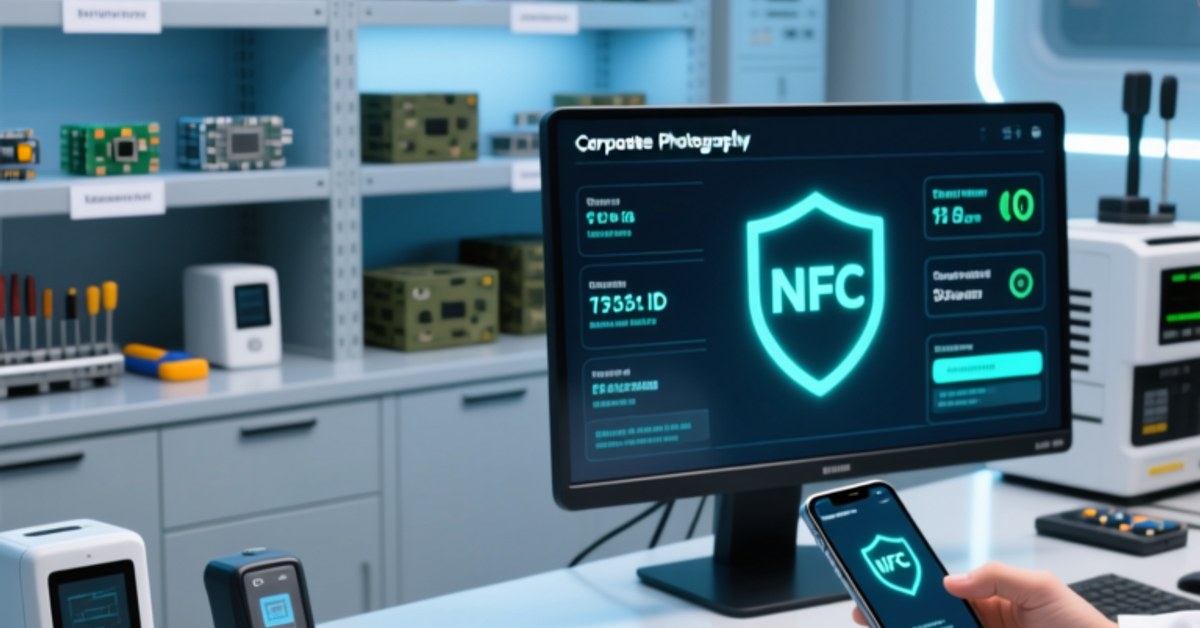
Chinese EV and industrial battery manufacturers must have a battery passport in place for batteries covered by the EU Battery Regulation, with the requirement applying from 18 February 2027 for EV batteries, LMT batteries and industrial batteries above 2 kWh. NFC tags provide a practical data carrier: each pack or module carries a stable identifier that resolves to the passport record holding material composition, carbon footprint, due-diligence and recycling information. The passport must remain readable throughout the battery’s life, including second-life and recycling stages.
Chinese cell and pack makers supply a large share of the European EV and stationary-storage market, which means the compliance burden lands on the exporter first. Brand owners and importers will request structured passport data as a condition of purchase, not as an afterthought.
The engineering problem is that a battery passport is a living record. State-of-health, ownership, repair events and end-of-life routing change over a decade or more, while the physical identifier on the pack must stay stable. A tag-to-record architecture, as described in battery passport compliance, handles that separation cleanly.
Which Batteries Fall Under the 2027 Requirement
The EU Battery Regulation (EU) 2023/1542 introduces a digital battery passport with a phased timetable. It covers electric-vehicle batteries, light-means-of-transport batteries and industrial batteries above a capacity threshold. Exporters should confirm the current applicability dates and scope with their EU importer, since the implementation timetable has been adjusted more than once.
Why the Passport Must Survive Second Life
A battery may be repaired, repurposed for stationary storage, and finally recycled. Each transition needs an updated record. A durable on-pack identifier keeps the record attached to the physical asset through all of these stages, which is the core argument in battery DPP lifecycle.
- EV traction batteries and LMT batteries.
- Industrial batteries above the specified capacity threshold.
- Packs and modules that may enter second-life applications.
- Units subject to recycling and material-recovery reporting.
What the Passport Record Must Contain
The passport is a structured set of static and dynamic fields. Static data is set at manufacture; dynamic data accumulates through use, repair and end-of-life handling.
| Data group | Typical fields | Who updates |
|---|---|---|
| Static / manufacturing | Model, serial, chemistry, capacity, manufacturing site and date | Cell or pack manufacturer |
| Material & carbon | Critical raw materials, recycled content, carbon footprint declaration | Manufacturer plus supply-chain data |
| Due diligence | Sourcing and supply-chain due-diligence documentation | Manufacturer / importer |
| Dynamic / in-use | State of health, repair events, ownership changes, second-life status | Service network or operator |
| End of life | Take-back, dismantling, recycling and material recovery records | Recycler / authorised handler |
NFC Tag Engineering for Battery Packs
A battery pack is a hostile environment for an HF tag: metal housings detune antennas, thermal cycling stresses adhesives, and high-voltage service intervals limit access. Tag selection and placement are engineering decisions.
On-Metal Mounting and Thermal Cycling
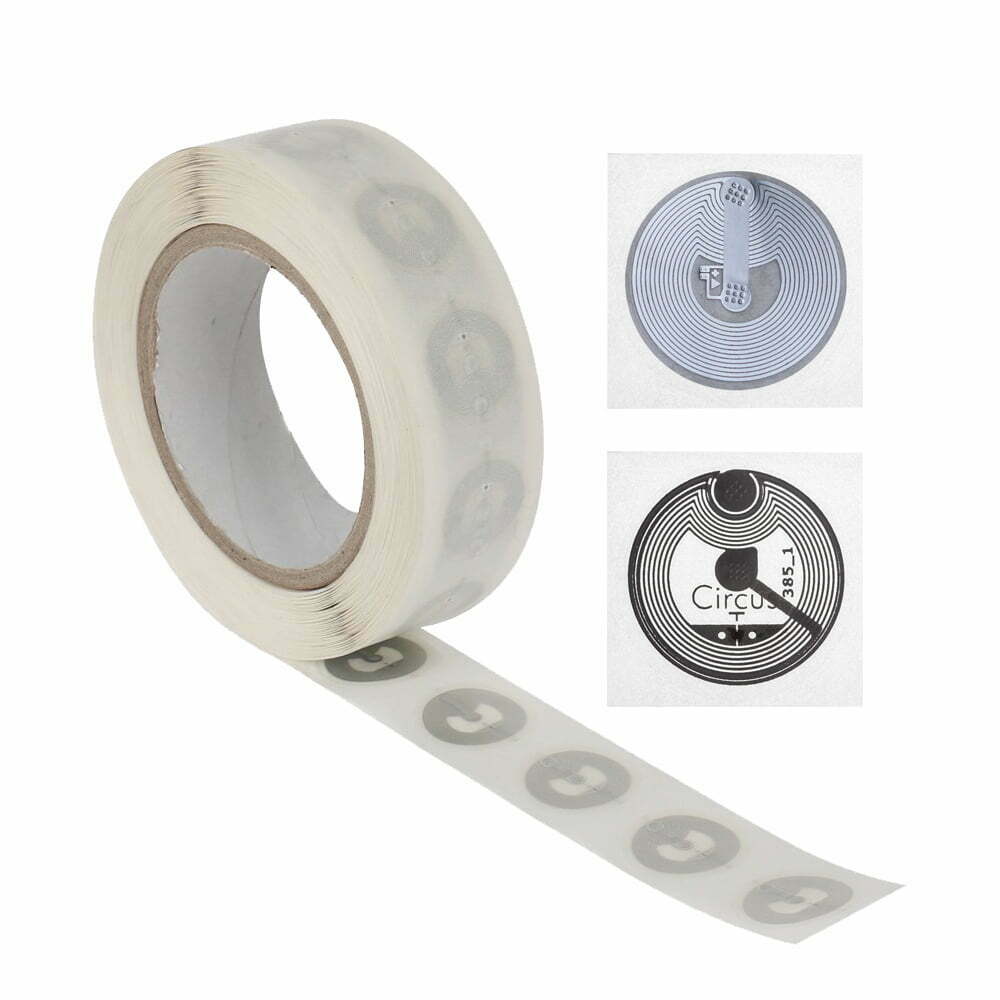
Use an on-metal NFC tag with a ferrite spacer or a purpose-built hard tag, positioned away from busbars and cooling plates. Validate adhesion through thermal cycling, vibration and exposure to cleaning agents. Guidance on battery DPP compliance guidelines applies directly here.
- Specify on-metal NFC or a ferrite-backed inlay, not a plain paper sticker.
- Validate read range on the assembled pack with the cover fitted.
- Test adhesive and housing through thermal cycling and vibration.
- Keep the identifier readable after service panel removal.
- Plan an offline read path for recycling facilities with poor connectivity.
From Manufacturing to Recycling: A Closed Data Chain
The commercial value of the passport extends beyond compliance. Recyclers need chemistry and dismantling data; second-life operators need state-of-health history; warranty teams need a verifiable service record. All of them can resolve the same identifier.
Avoiding Duplicate or Conflicting Records
Define a single authoritative record per battery and a controlled write policy. If every supply-chain party maintains its own copy, the passport fragments and the compliance evidence weakens. Establish the identifier scheme once and reuse it across the lifecycle.
Manufacturers that treat the passport as product data infrastructure, rather than a one-off export document, are better positioned for both EU compliance and circular-economy tenders.
FAQ
When does the EU battery passport become mandatory?
The requirement applies from 18 February 2027 for the battery categories covered by the EU Battery Regulation. Confirm the current timetable and scope with your EU importer or legal adviser, as dates have been adjusted.
Which Chinese battery products are affected?
EV batteries, light-means-of-transport batteries, and industrial batteries above the capacity threshold. The obligation sits with the economic operator placing the battery on the EU market, so exporters should align with their importer.
Why use NFC instead of a QR code on a battery pack?
NFC reads without line-of-sight, works on a dirty or recessed label, resists simple copying when secure chips are used, and supports offline verification. QR remains useful as a low-cost secondary carrier.
Can an NFC tag survive on a metal battery housing?
Yes, with an on-metal design using a ferrite spacer or hard tag housing. Always validate read range on the fully assembled pack, not on a bare inlay.
Does the passport need to be updated after the battery is sold?
Yes. Dynamic fields such as state of health, repair, second-life status and recycling records accumulate over the battery’s life. The tag should be a stable key resolving to an updatable record, not a static data store.
Build a Compliant Battery Passport Data Chain
NFCWORK Technology supplies on-metal NFC tags, rugged HF inlays and RFID labels for battery packs and modules. We can help you select a chip and housing, validate read performance on the assembled pack, and define the identifier scheme for your passport records.
Contact us to discuss your requirements, or explore our NFC products and solutions.