How to Get Started with NFC Anti-Counterfeiting: From Pilot to Scale
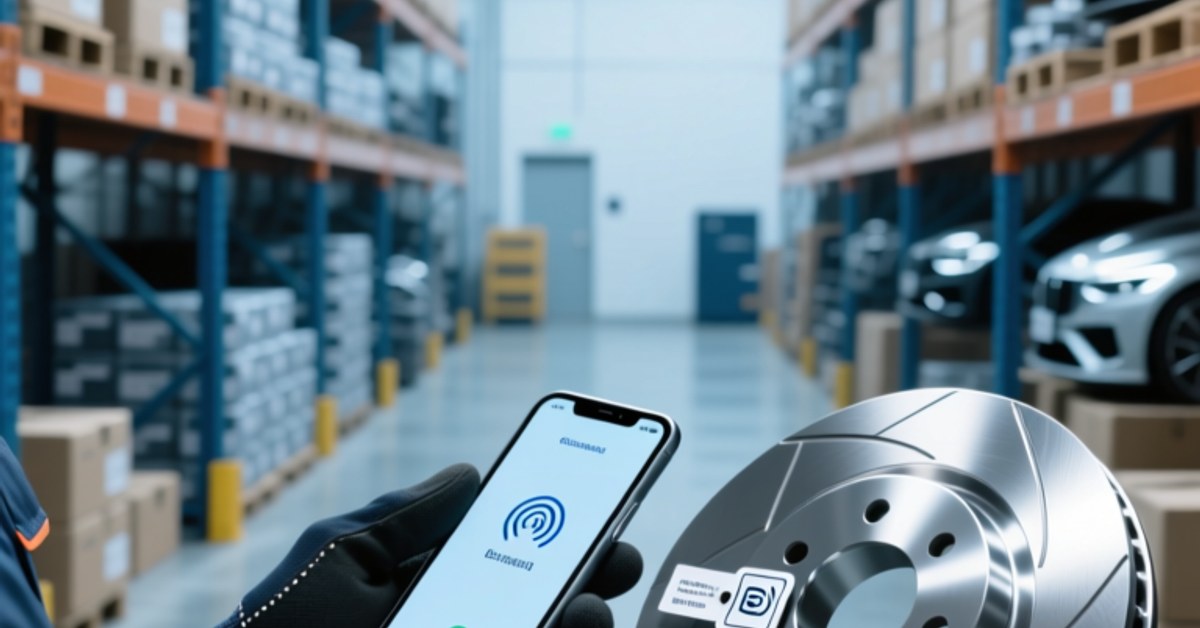
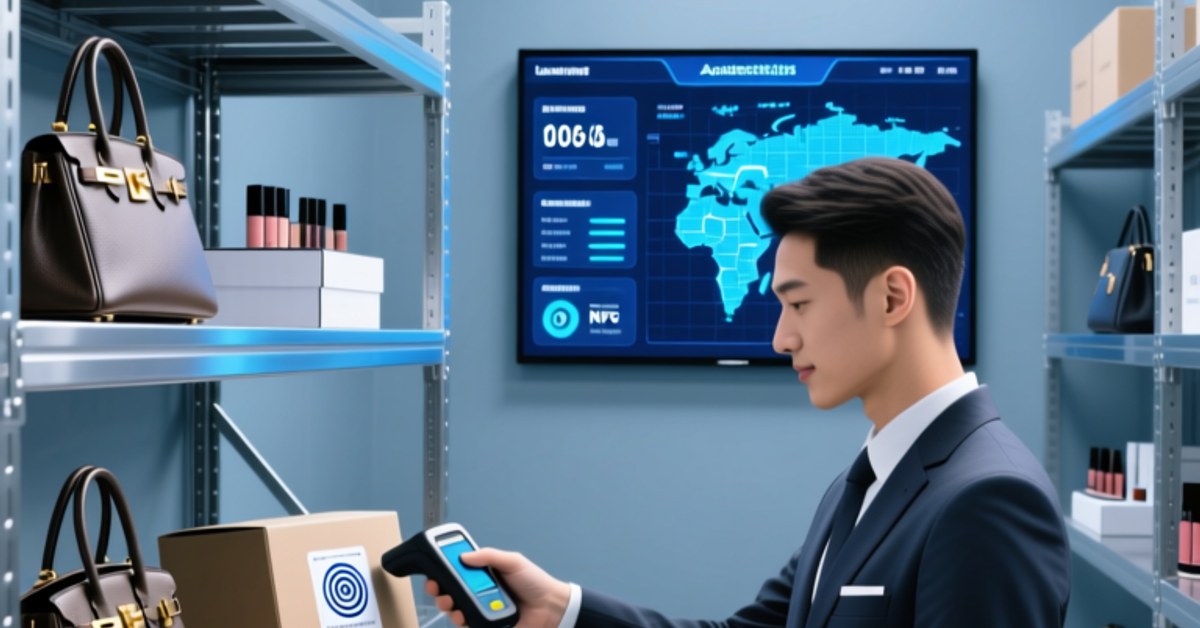
Counterfeit goods cost brands over $1.7 trillion annually — eroding margins, damaging trust, and exposing customers to unsafe products. NFC technology offers a secure, scalable, and consumer-friendly path to brand protection. At NFCWORK Technology, we help enterprises implement NFC-based authentication grounded in real-world infrastructure, proven hardware, and measurable outcomes. This guide walks you through every phase — from initial assessment to full ecosystem deployment — using only certified, production-ready solutions from RFIDHY and NFCWORK.
Step 1 — Define Your Use Case
Start by identifying your highest-risk product lines: luxury apparel, premium cosmetics, pharmaceuticals, or high-value electronics. Calculate revenue at risk using historical return rates, customs seizure data, and regional e-commerce fraud reports. Set clear success metrics — for example: 80% tap-through rate within 30 days of sale, 95% reduction in verified counterfeit complaints, and 15% increase in post-authentication warranty registrations.
Step 2 — Select the Right Tag
Tag choice depends on security needs, volume, and integration context. All recommended options are available across our partner sites:
>
| Tag Type | Ideal For | Available From |
|---|---|---|
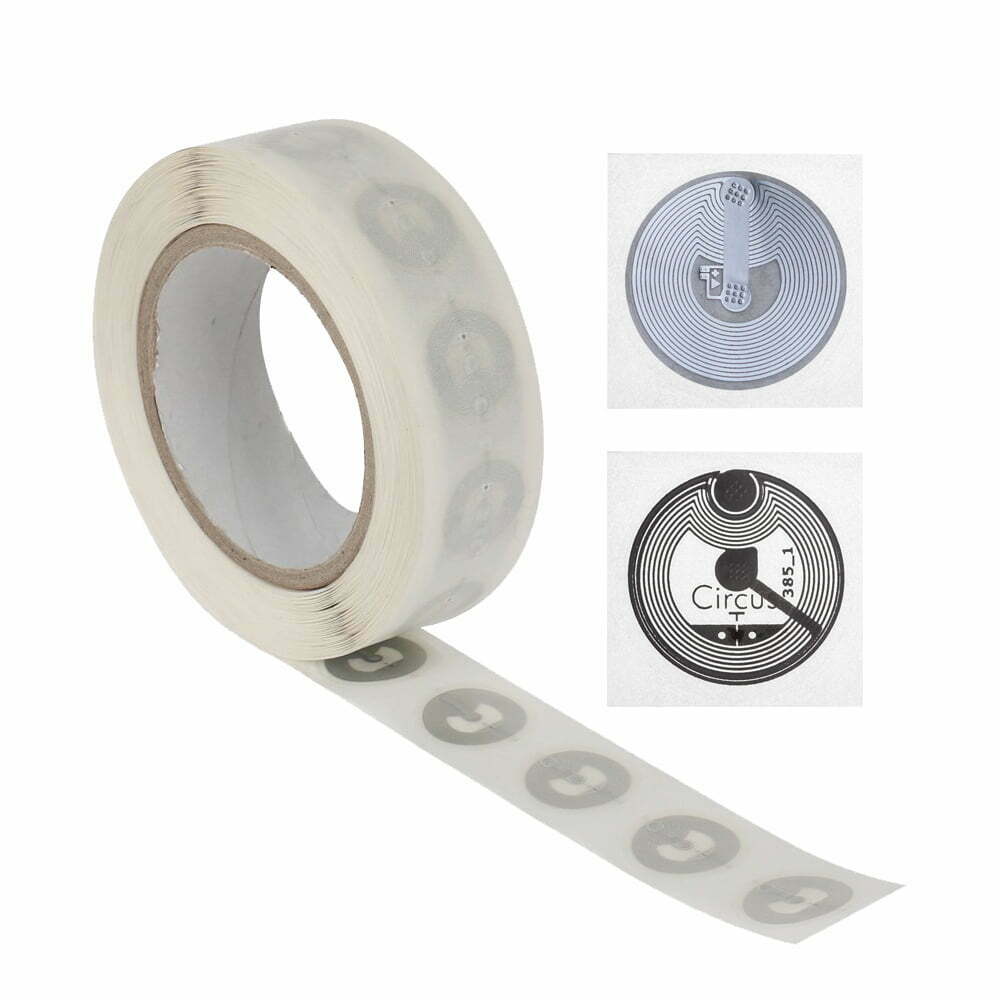
| NTAG 424 DNA (AES-128 SUN) | Luxury items requiring cryptographic verification and tamper evidence | RFIDHY NFC inlays & NFC stickers |
| NTAG 213 / NTAG 216 | High-volume consumer goods needing cost-effective, reliable authentication | NFCWORK NFC labels & NFC inlays |
| NTAG 226 | Products requiring rich multimedia experiences (e.g., video origin stories) | NFCWORK NFC business cards & smart labels |
| ICODE SLIX | End-to-end supply chain visibility + retail authentication | RFIDHY HF RFID tags & readers |
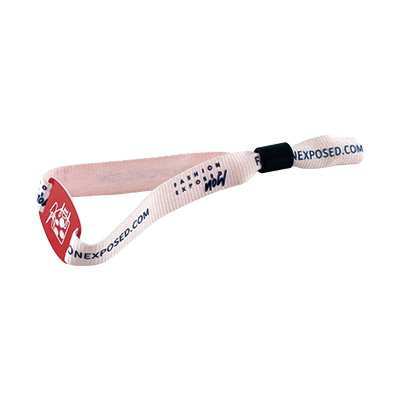
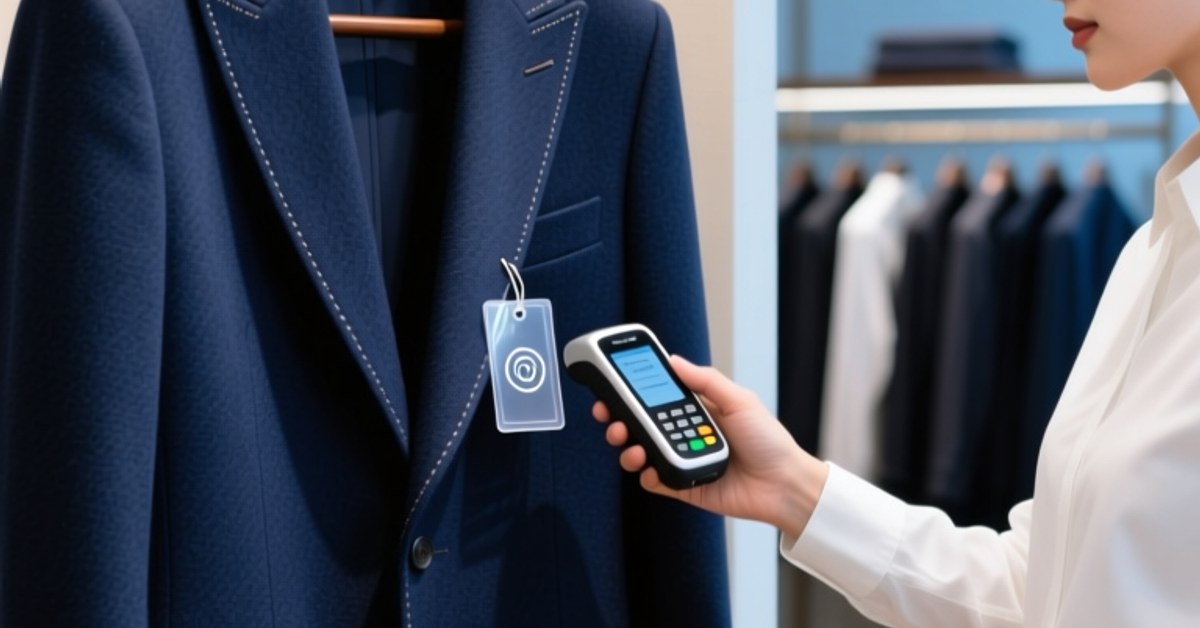
Form factors include adhesive NFC stickers, heat-seal inserts for packaging, hang tags, and sewn-in fabric tags — all available via NFCWORK.
Step 3 — Design the Consumer Experience
Choose between no-app tap (iOS-native URL redirection) or a branded white-label companion app (NFCWORK Smart Wearable Identification platform supports this). Every landing page must include: authentication confirmation, product provenance story, warranty registration, and social sharing — all built using our Digital Product Passport templates.
Step 4 — Run a Controlled Pilot
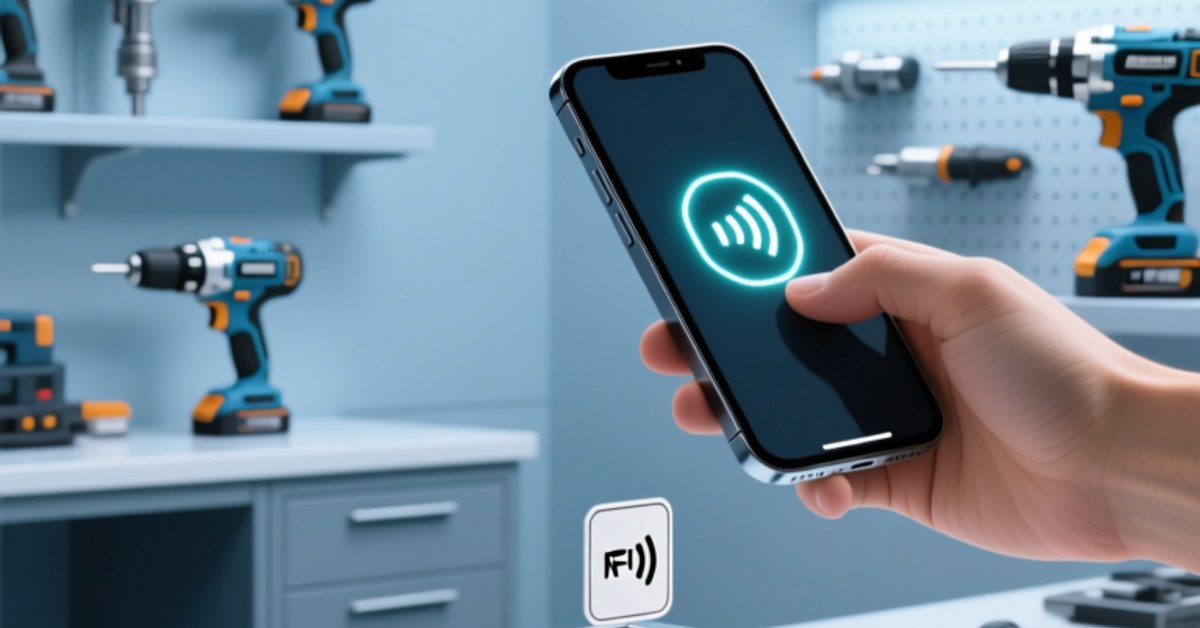
Deploy 5,000–10,000 tags on one flagship SKU for 4–6 weeks. Track: tap rate, conversion to registration, counterfeit alerts triggered, and qualitative feedback. Use RFIDHY handheld NFC readers for field validation and NFC-enabled smartphones for consumer testing.
Step 5 — Analyze & Optimize
Review tap analytics by geography and device type. A/B test landing page variants. Refine tag placement based on physical interaction patterns (e.g., sleeve seam vs. care label). Optimize insertion timing in packaging lines using RFIDHY industrial-grade encoding stations.
Step 6 — Scale Up
Expand to full catalog. Integrate tag data into ERP (SAP, Oracle) and CRM (Salesforce) via RESTful APIs. Deploy multilingual landing pages and embed real-time dashboards using NFCWORK Smart Management analytics.
Step 7 — Build the Ecosystem
Connect with customs API gateways for border verification. Enable pre-owned authentication on second-hand marketplaces. Offer distributor-facing API access and launch a certified channel partner program — supported by RFIDHY global logistics partners.
Avoid These Common Pitfalls
- Using unsecured tags without Secure Unique NFC (SUN) — easily cloned with off-the-shelf tools
- Omitting offline fallback (e.g., QR code backup or SMS shortcode)
- Inconsistent UX across SKUs or regions
- Treating NFC as a one-time feature rather than an engagement layer
Economic Analysis: Realistic ROI
Pilot cost: $0.15–$0.30 per tag (including encoding, testing, and cloud service). Scale cost: $0.08–$0.15 per tag (volume pricing on NFC inlays and labels). Break-even typically occurs in 3–6 months — driven by reduced returns, premium pricing validation, and increased repeat purchase rates. Average 12-month ROI: 10–25x.
FAQ
- Do I need a custom app for NFC authentication? No — iOS and Android support native NFC tag reading for URL redirects. A branded app adds loyalty features and deeper analytics.
- Which tags support cryptographic anti-cloning? Only NTAG 424 DNA (AES-128 SUN) and ICODE SLIX offer hardware-level cryptographic protection — available via RFIDHY.
- Can NFC tags be embedded in packaging during manufacturing? Yes — RFIDHY and NFCWORK supply heat-seal NFC inlays and wet/dry inlays compatible with high-speed packaging lines.
- How do I verify authenticity at borders or customs? Integrate with national customs APIs using our secure NFC CA (Certificate Authority) framework — part of NFC-Certified Authentication.
- What support is available for global rollout? NFCWORK and RFIDHY offer certified channel partners across EU, North America, and APAC — including technical deployment, compliance documentation (CE, FCC, GDPR), and local-language landing pages.
Ready to Launch Your NFC Anti-Counterfeiting Initiative?
Download our free NFC Anti-Counterfeiting Implementation Playbook, including vendor-verified tag selection matrix, pilot KPI dashboard template, and ERP integration checklist.