The Strategic Convergence of NFC and IoT
As enterprises accelerate digital transformation, the convergence of NFC and IoT is no longer theoretical—it’s operational. While IoT provides the infrastructure for device interconnectivity and data exchange across networks, NFC delivers the essential final-link capability: secure, low-power, proximity-based interaction between humans, devices, and physical objects. This synergy positions NFC as the definitive last centimeter connectivity technology in modern IoT deployments.
NFC’s Role in IoT Architecture
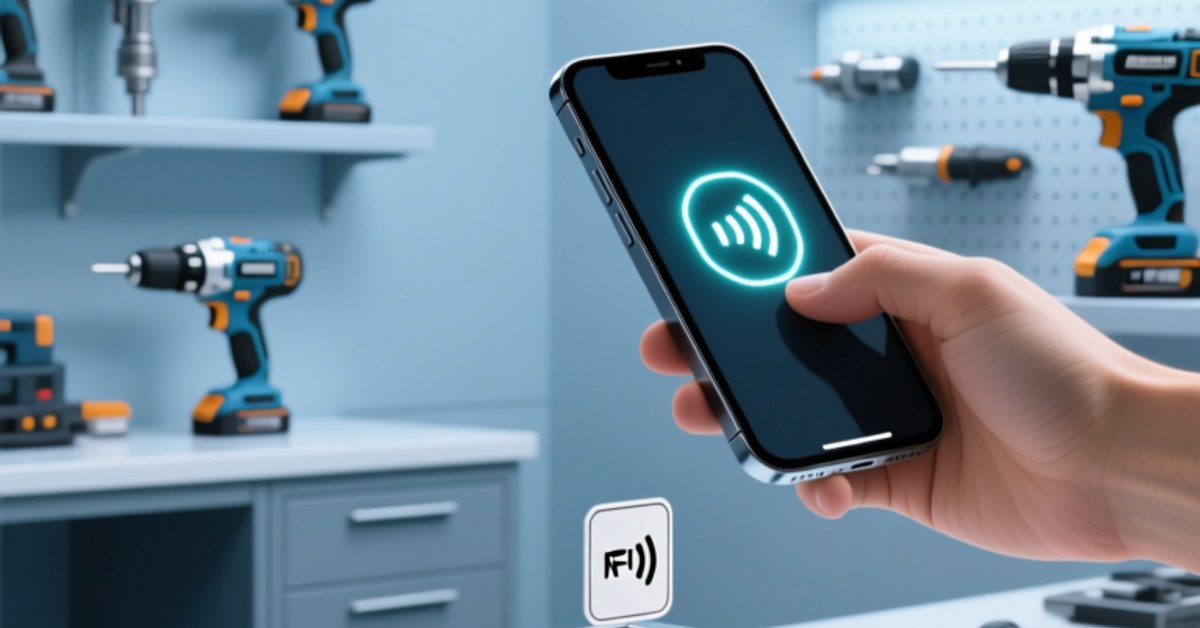
In layered IoT architectures, NFC bridges the gap between edge sensors and cloud intelligence. Unlike Bluetooth or Wi-Fi, NFC requires no pairing, consumes minimal power, and offers built-in security features—including mutual authentication and encrypted data exchange—making it ideal for onboarding, configuration, and identity verification of IoT nodes. For example, an enterprise can use an NFC inlay embedded in industrial equipment to instantly provision a new sensor node into its IoT platform via tap-to-configure.
Smart Homes: Seamless Interoperability Through NFC
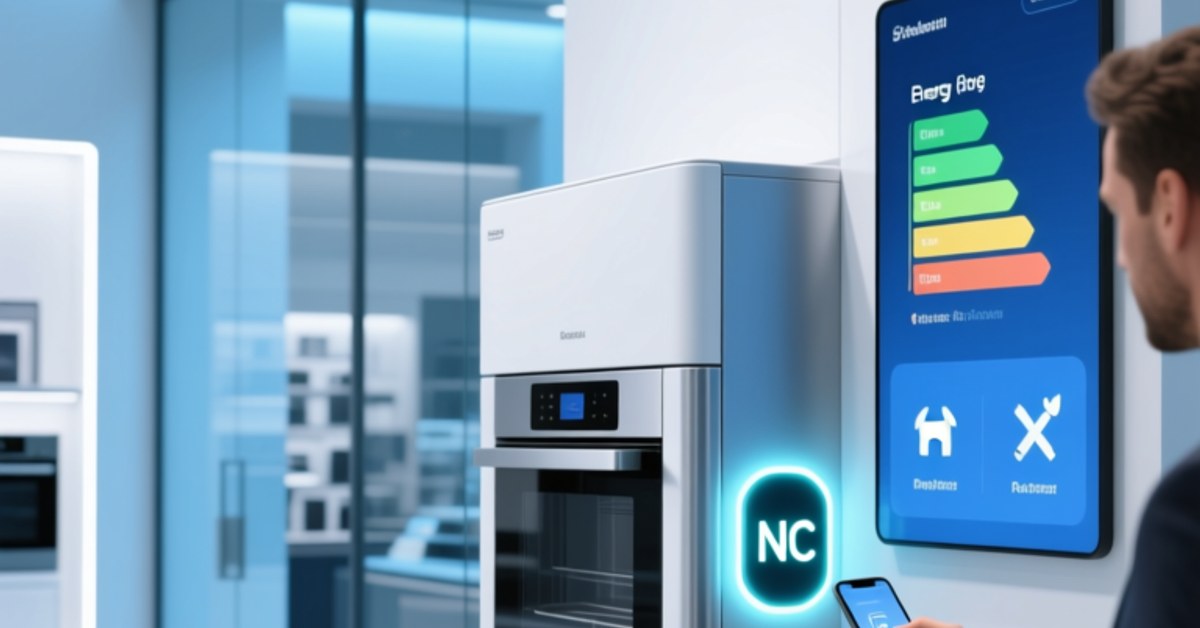
Within residential and commercial smart building environments, NFC smart solutions simplify user interaction while strengthening system integrity. NFC-enabled smart locks, lighting controls, and HVAC interfaces allow tenants or facility staff to authenticate and adjust settings with a single tap from a smartphone or NFC silicone wristband. These interactions trigger automated workflows—such as room occupancy detection linked to energy optimization—without requiring app downloads or complex setup. The result is higher adoption, lower support overhead, and consistent UX across diverse user groups.
Industry 4.0: NFC-Enabled Asset Intelligence
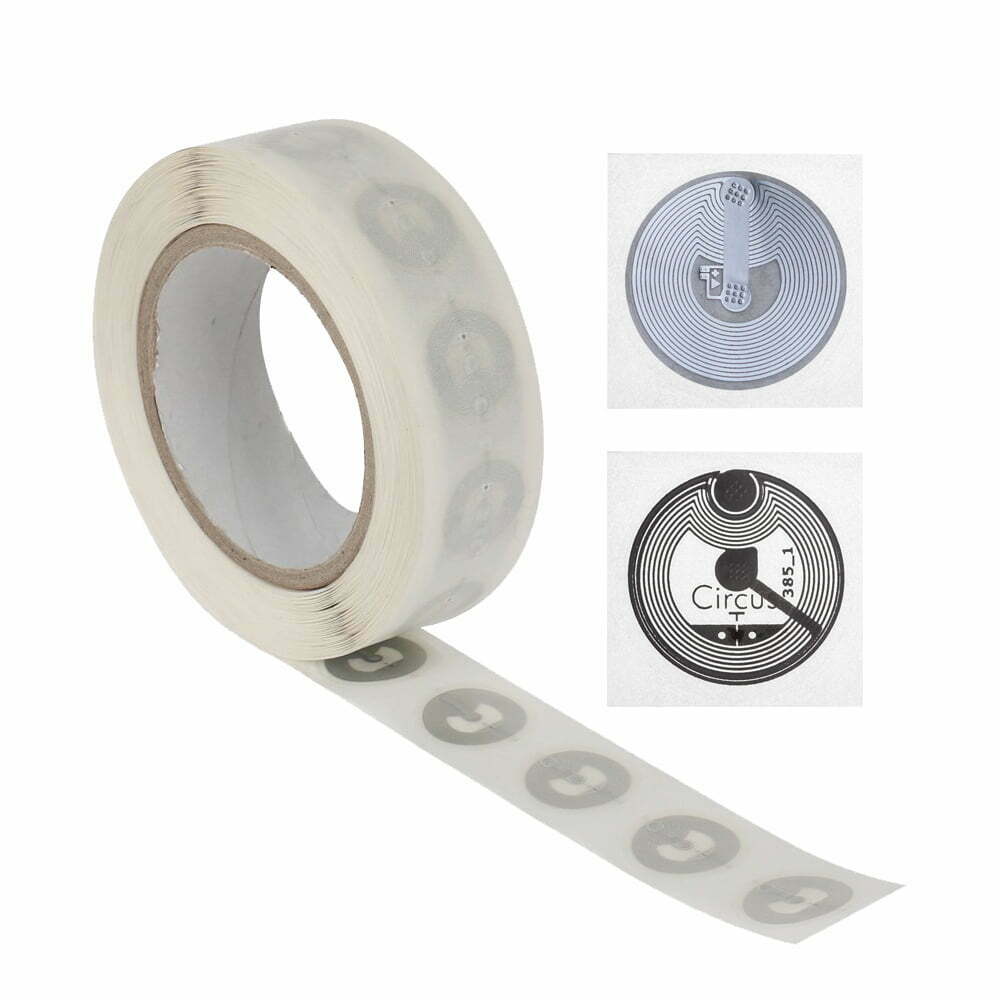
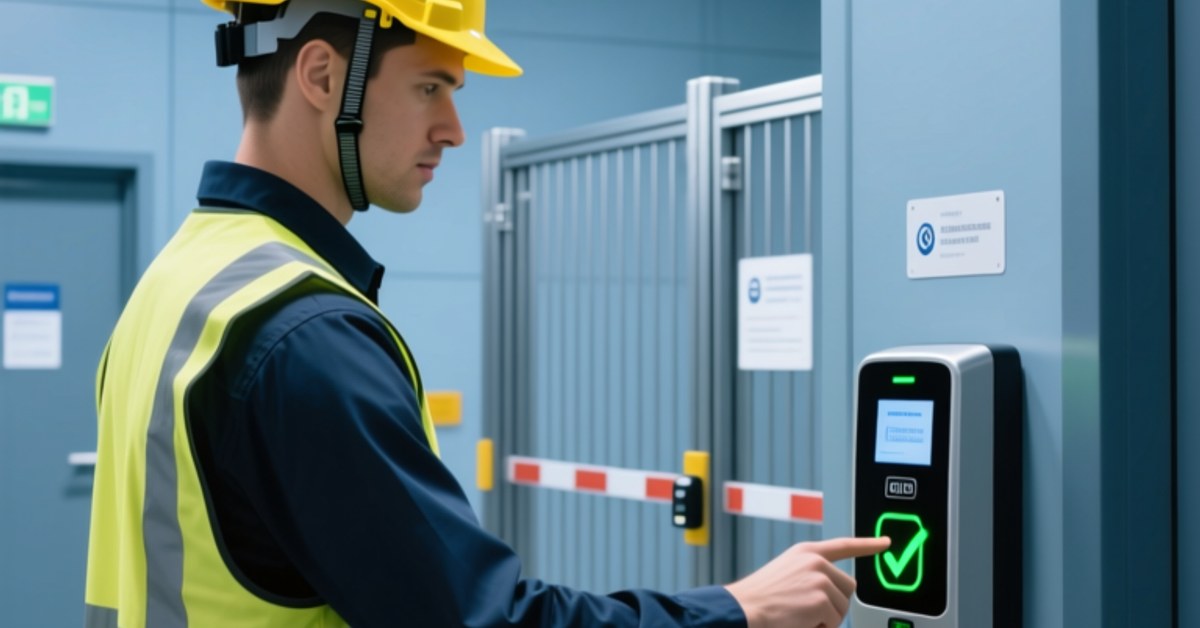
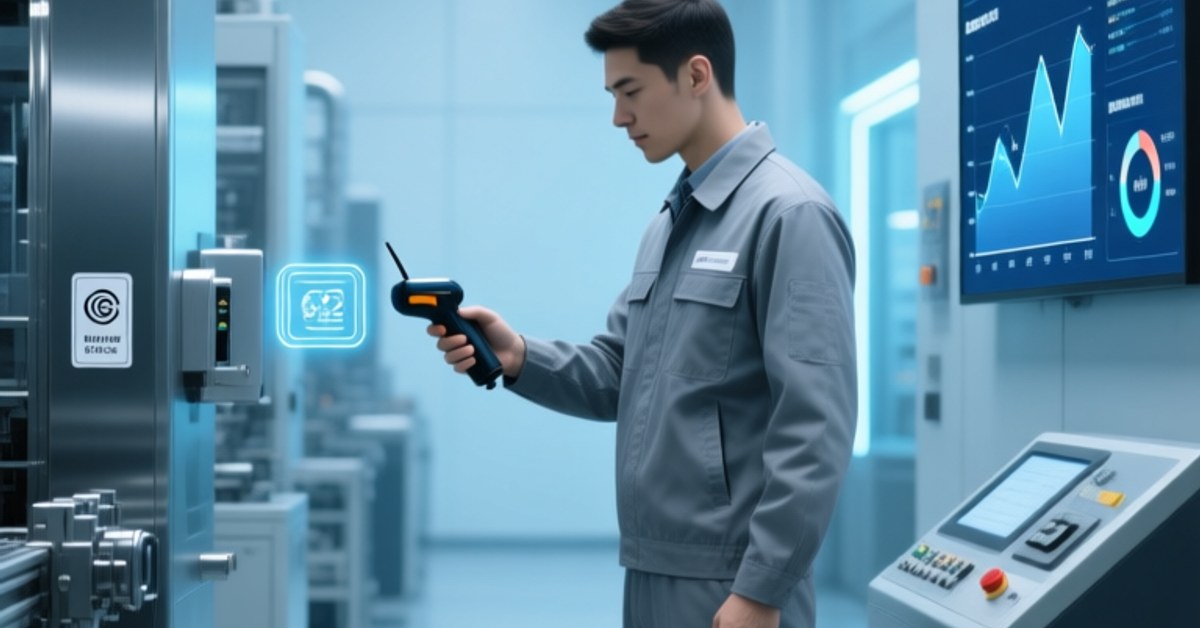
In manufacturing and logistics, the NFC Internet of Things transforms static assets into intelligent endpoints. By integrating UHF RFID readers with anti-metal RFID tags and NFC stickers on machinery, tooling, and containers, enterprises achieve end-to-end traceability and predictive maintenance readiness. A technician tapping an NFC tag on a CNC machine retrieves real-time calibration logs, service history, and IoT-collected vibration/temperature metrics—all synced to a centralized Smart Management dashboard.
Comparative Advantage: NFC vs. Other Short-Range Protocols
>
| Feature | NFC | Bluetooth LE | Wi-Fi Direct |
|---|---|---|---|
| Power Requirement | Ultra-low (passive mode) | Low | Moderate |
| Setup Complexity | Zero-touch tap | Pairing required | Network discovery + credentials |
| Security Foundation | Hardware-backed encryption & mutual auth | Software-defined, variable implementation | Dependent on WPA2/WPA3 |
Frequently Asked Questions
- Why is NFC called the ‘last centimeter’ technology in IoT?
NFC enables secure, instantaneous, human-initiated interaction at the precise point where digital systems meet physical objects—completing the IoT value chain without requiring network setup or user accounts. - Can NFC tags work alongside UHF RFID in the same IoT solution?
Yes. Many enterprises deploy hybrid systems: UHF RFID readers handle bulk inventory scanning across distances, while NFC tags provide granular, authenticated access to individual items or maintenance records—both supported by RFIDHY hardware. - Are NFC-enabled IoT solutions compatible with existing enterprise IT infrastructure?
Yes. NFC data payloads integrate seamlessly with REST APIs, MQTT brokers, and ERP systems like SAP or Oracle—enabling plug-and-play interoperability within your current Smart Management ecosystem.