Understanding NFC Tag Types for Enterprise Deployment
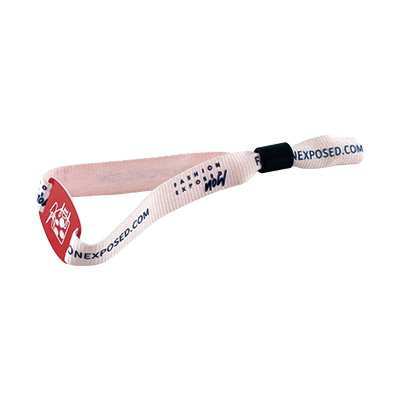
Selecting the right NFC tag is not a one-size-fits-all decision—especially at enterprise scale. With varying memory capacities, security features, write endurance, and compliance with NFC Forum standards, choosing an inappropriate chip can compromise system reliability, data integrity, and long-term TCO. At RFIDHY, we engineer NFC solutions grounded in real-world industrial requirements—from NFC tags and NFC inlays to NFC wristbands—all built on globally certified NFC chips. This guide provides a vendor-agnostic, standards-based framework to evaluate NFC tag types for your specific application.
NFC Forum Standard Tag Types 1–5: A Technical Overview
The NFC Forum defines five standardized tag types (Type 1–5), each specifying communication protocol, memory structure, and functional capabilities. Enterprise solution architects must understand these distinctions to ensure interoperability, future-proofing, and regulatory alignment.
Type 1 Tags
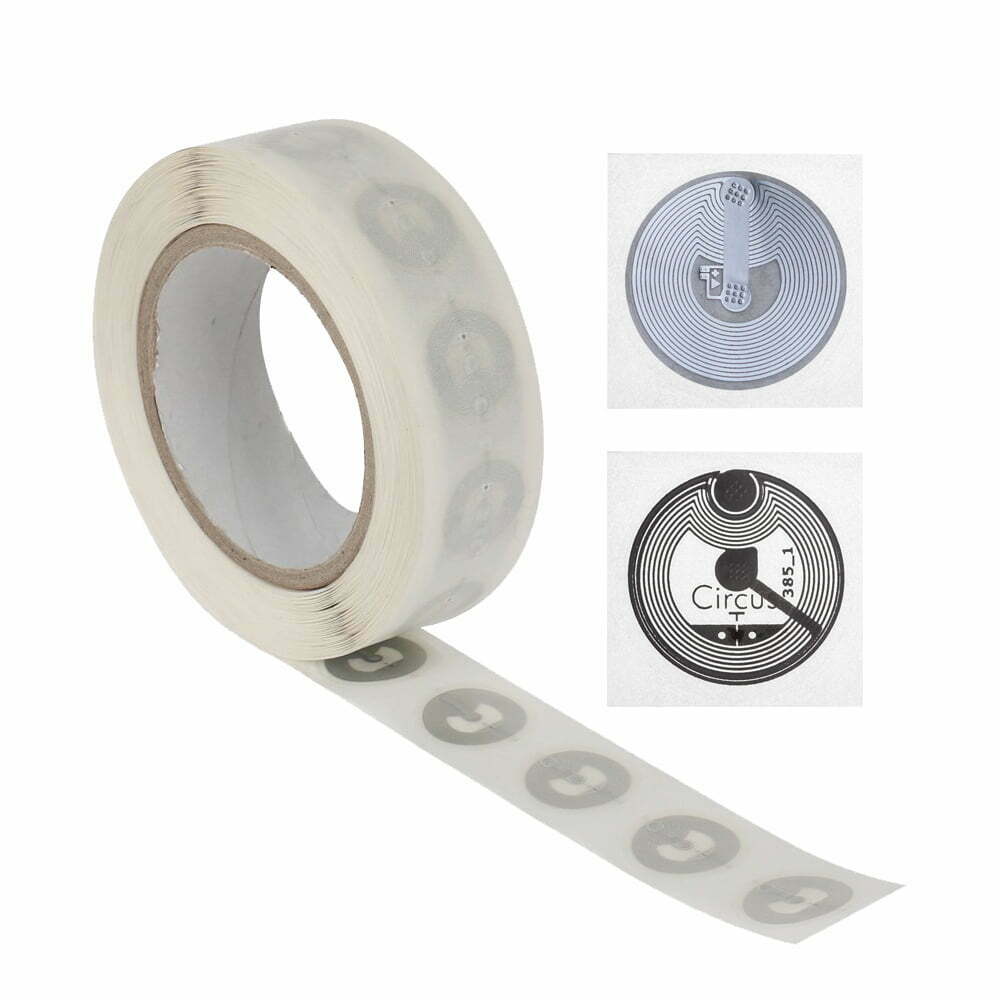
Based on ISO/IEC 14443-A, Type 1 tags offer low-cost, read/write functionality with up to 96 bytes of memory. They support basic NDEF formatting but lack cryptographic security. Best suited for disposable applications like event ticketing or simple product labeling. RFIDHY offers Type 1-compatible NFC stickers for cost-sensitive pilot deployments.
Type 2 Tags
Type 2 tags (e.g., NTAG203, NTAG213, NTAG215, NTAG216) operate on ISO/IEC 14443-A and deliver higher memory density and improved write endurance. They support NDEF formatting natively and include password protection options. Widely deployed across Digital Product Passport and Luxury items authentication systems due to their balance of performance and affordability.
Type 3 Tags
Developed by Sony and compliant with FeliCa (JIS X 6319-4), Type 3 tags feature fast read/write speeds and robust encryption. Common in Japan and select high-security access control systems. While less common in global enterprise logistics, RFIDHY integrates Type 3–compatible modules into custom Smart Wearable Identification solutions where regional compliance is required.
Type 4 Tags
Type 4 tags conform to ISO/IEC 14443-A/B and support both APDU-based command sets and NDEF. They offer up to 32 KB memory and advanced security features—including AES-128 encryption and mutual authentication. Ideal for financial-grade applications such as secure Smart Entertainment credentials or enterprise Smart management systems. MIFARE DESFire EV3 and similar chips fall under this category and are available through RFIDHY’s certified reader and module portfolio.
Type 5 Tags
Based on ISO/IEC 15693, Type 5 tags operate at longer read ranges (up to 1.5 m) and support anti-collision for dense environments. Though technically NFC-compatible via host card emulation, they are more commonly used in UHF RFID asset tracking. RFIDHY’s UHF RFID readers and UHF RFID tags often integrate Type 5–compliant inlays for warehouse and supply chain visibility.
NTAG213 vs NTAG215 vs NTAG216: A Practical Comparison
Among Type 2 tags, the NTAG series from NXP dominates enterprise NFC deployments. Below is a technical comparison aligned with real-world integration needs:
>
| Feature | NTAG213 | NTAG215 | NTAG216 |
|---|---|---|---|
| Memory (bytes) | 144 | 504 | 888 |
| NDEF Capacity (bytes) | 137 | 488 | 852 |
| Write Endurance | 100,000 cycles | 100,000 cycles | 100,000 cycles |
| Data Retention | 10 years | 10 years | 10 years |
| Security Features | Password protection, lock bits | Password protection, lock bits, configurable read/write protection | Enhanced password protection, UID mirroring control, extended configuration registers |
| Typical Use Cases | Basic NFC business cards, simple product labeling | Digital Product Passport, authenticated packaging | Multi-layer Luxury items authentication, tamper-evident seals |
For example, RFIDHY’s NFC inlay variants leverage NTAG215 for mid-tier traceability workflows and NTAG216 for high-assurance brand protection programs—ensuring full compatibility with Android and iOS NFC stacks while meeting ISO/IEC 14443-2 certification requirements.
Choosing the Right NFC Chip: Key Decision Criteria
- Memory Requirements: Estimate total NDEF payload size—including static identifiers, dynamic URLs, and encrypted metadata. NTAG215 supports complex Digital Product Passport payloads; NTAG213 suffices for static URL redirection.
- Security Needs: If tamper resistance or field-level access control is required, prioritize chips with configurable lock bits and password protection (NTAG215/216 or MIFARE DESFire EV3).
- Environmental Durability: For harsh settings (e.g., manufacturing floors or outdoor events), pair NFC chips with ruggedized NFC tags—such as epoxy-encapsulated or anti-metal variants—available across RFIDHY’s catalog.
- Reader Compatibility: All NTAG and MIFARE chips referenced here interoperate seamlessly with RFIDHY handheld and fixed NFC readers, ensuring plug-and-play integration into existing infrastructure.
Why Standardization Matters for Enterprise Scale
Adopting NFC Forum–certified chips ensures consistent behavior across devices, operating systems, and middleware layers. Non-standard or proprietary tags may work in isolated demos—but introduce risk during fleet-wide rollout, firmware updates, or third-party integrations. RFIDHY’s entire NFC tag and RFID module portfolio complies with NFC Forum specifications and undergoes rigorous interoperability testing with leading enterprise platforms.
Frequently Asked Questions
- What is the difference between NFC tag types and NFC chip models?
NFC tag types (1–5) define communication protocols and functional architecture per NFC Forum standards. Chip models (e.g., NTAG213) are specific implementations within those types—differing in memory, security, and physical packaging. - Can I upgrade from NTAG213 to NTAG216 without changing hardware?
Yes—both are Type 2 tags and share identical RF interfaces and command sets. Firmware and middleware require no modification; only tag replacement is needed to expand memory or enhance security. - Are RFIDHY’s NFC tags compatible with Apple iPhone and Samsung Galaxy devices?
All RFIDHY-certified NFC tags and NFC inlays comply with NFC Forum Type 2 specifications and have been validated across iOS 13+ and Android 9+ NFC stacks. - Do NTAG chips support encryption?
NTAG213/215/216 provide hardware-based password protection and memory locking—but not end-to-end encryption. For AES-128 or PKI-based security, consider Type 4 chips like MIFARE DESFire EV3, available through RFIDHY.
Need Help Selecting the Right NFC Tag for Your Enterprise Workflow?
Our technical team provides free chip selection guidance, sample kits, and integration support for NFC tags, RFID readers, and custom NFC solutions.