Understanding the Core Differences
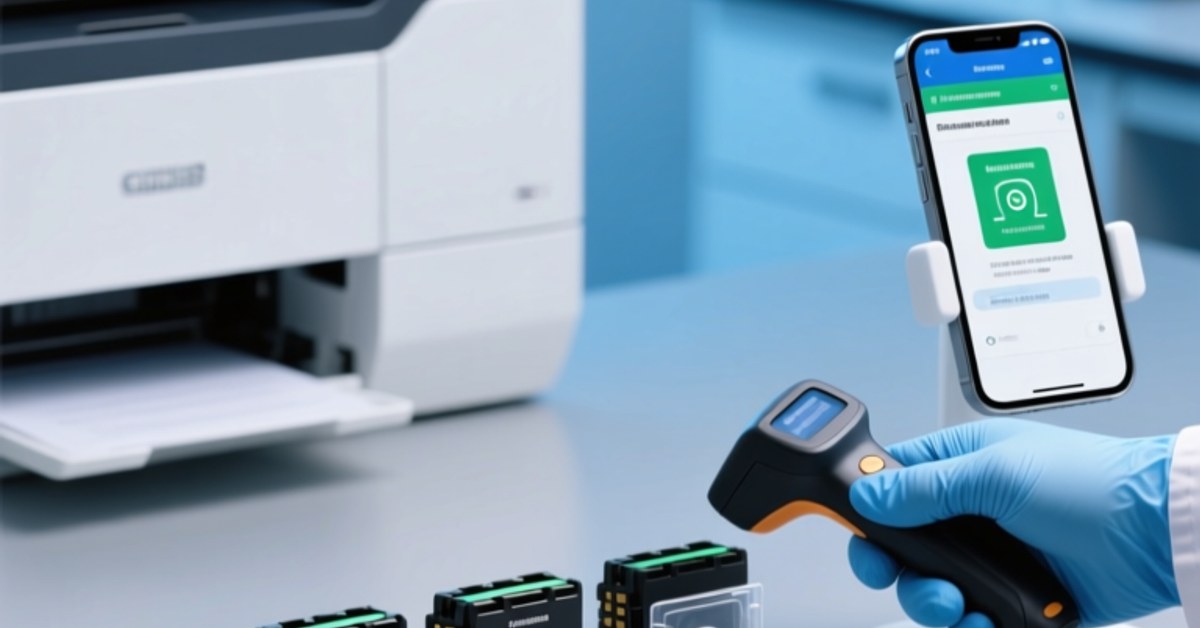
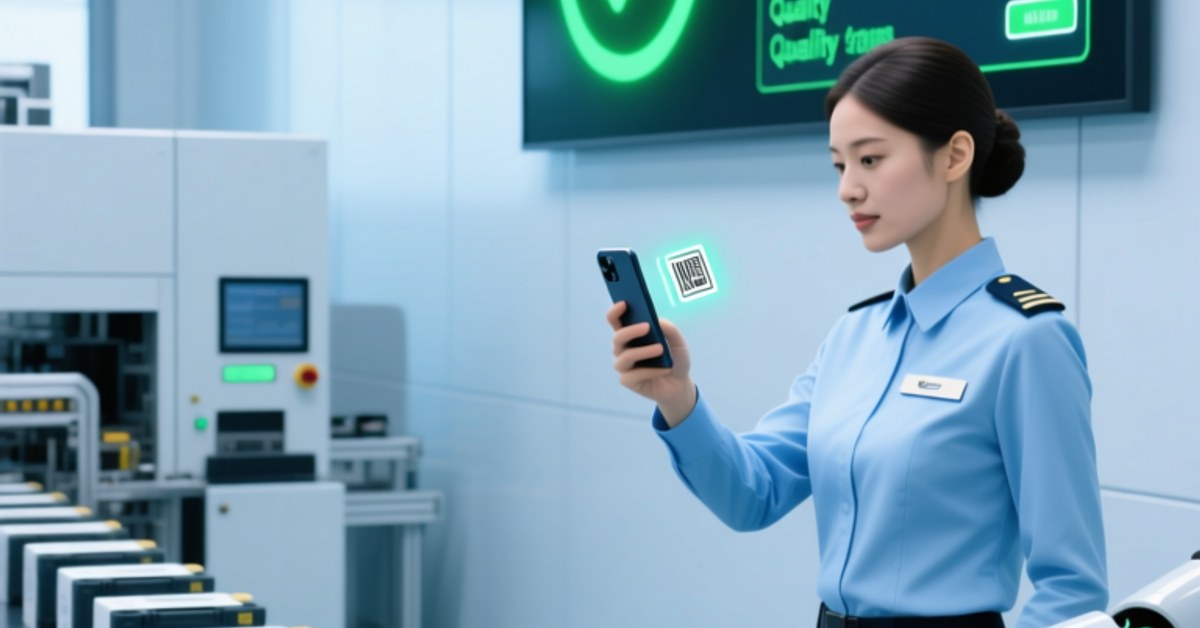
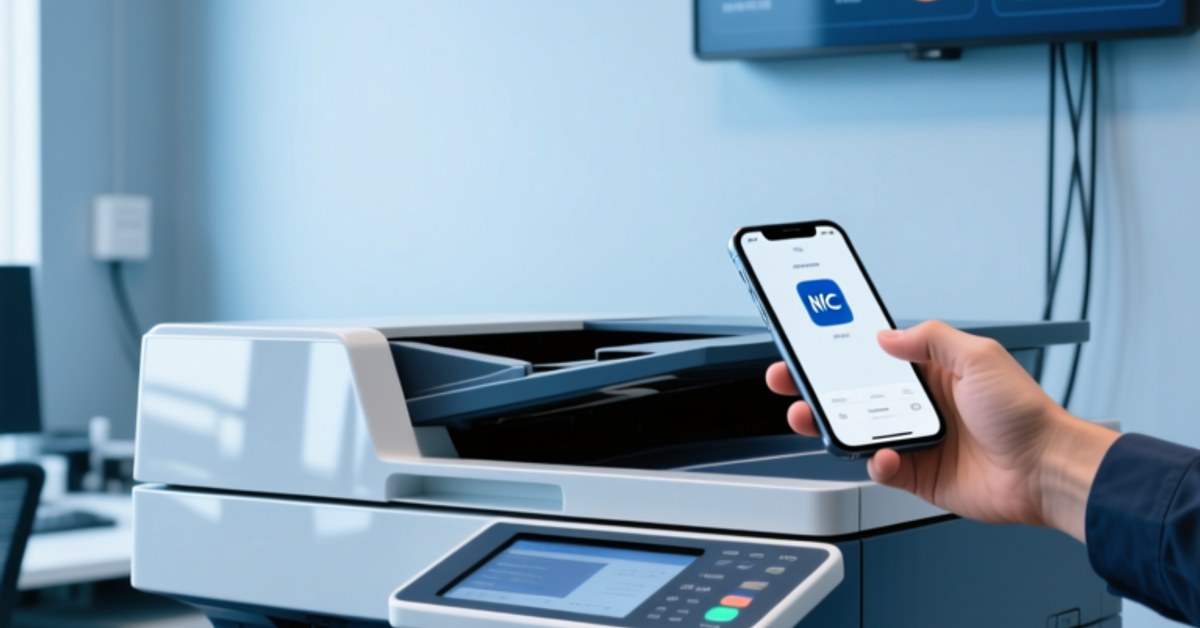
NFC (Near Field Communication) and QR (Quick Response) codes both enable contactless digital interactions—but they operate on fundamentally different principles. NFC is a short-range wireless communication protocol (<10 cm) that supports bidirectional data exchange between powered and passive devices. QR codes are static, scannable visual patterns read by smartphone cameras—requiring line-of-sight and app-level interpretation.
Security & Authentication
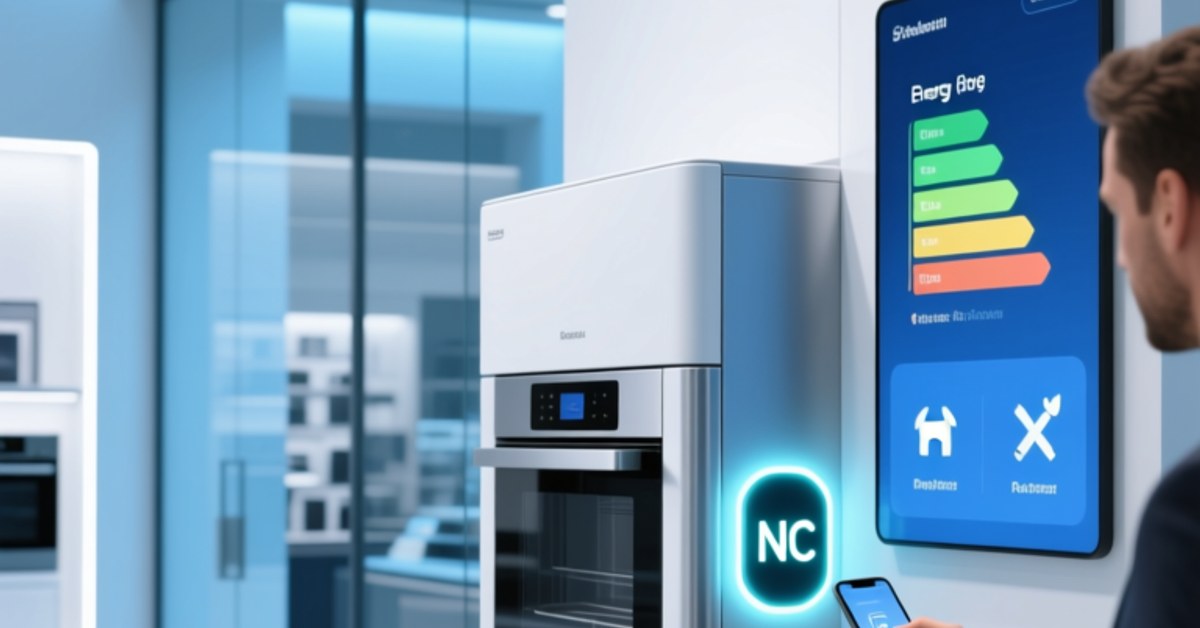
NFC excels in high-trust environments. Its built-in cryptographic capabilities support secure element integration, making it ideal for Digital Product Passport verification and luxury items authentication. QR codes lack native encryption; their security relies entirely on backend validation and URL integrity—increasing vulnerability to spoofing or redirection attacks.
User Experience & Reliability
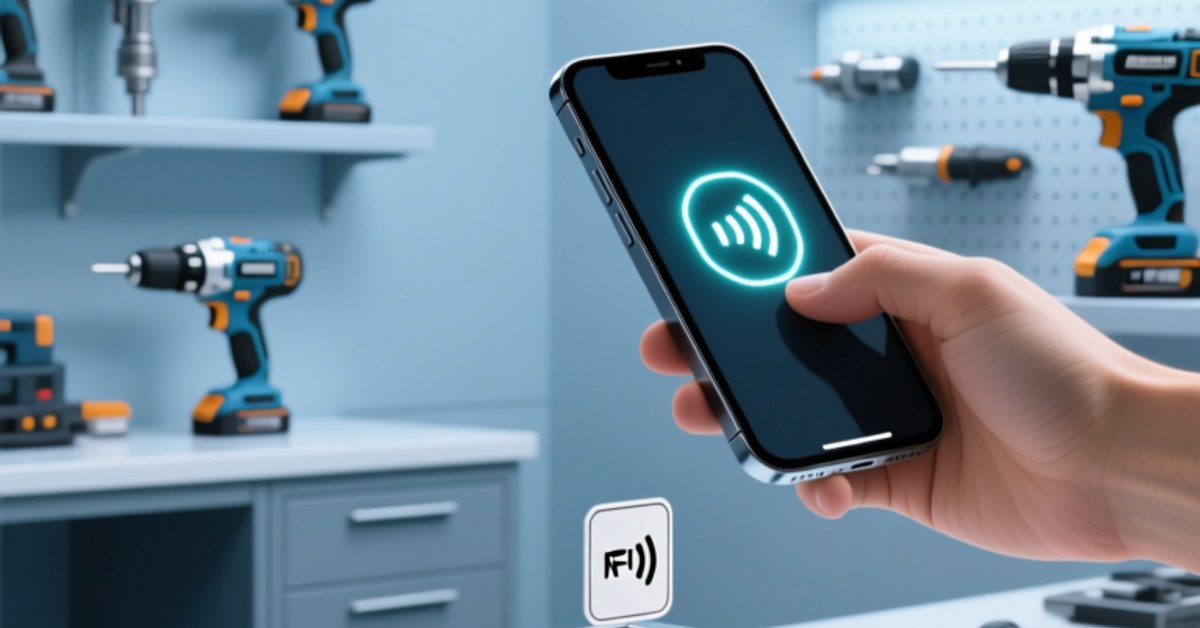
In Smart Entertainment venues or event access control, NFC enables tap-and-go activation—no camera alignment, lighting, or app permissions required. QR scanning fails under glare, motion blur, or damaged print. For Smart Wearable Identification, NFC’s passive operation ensures consistent performance even when embedded in wristbands or badges.
Integration & Infrastructure
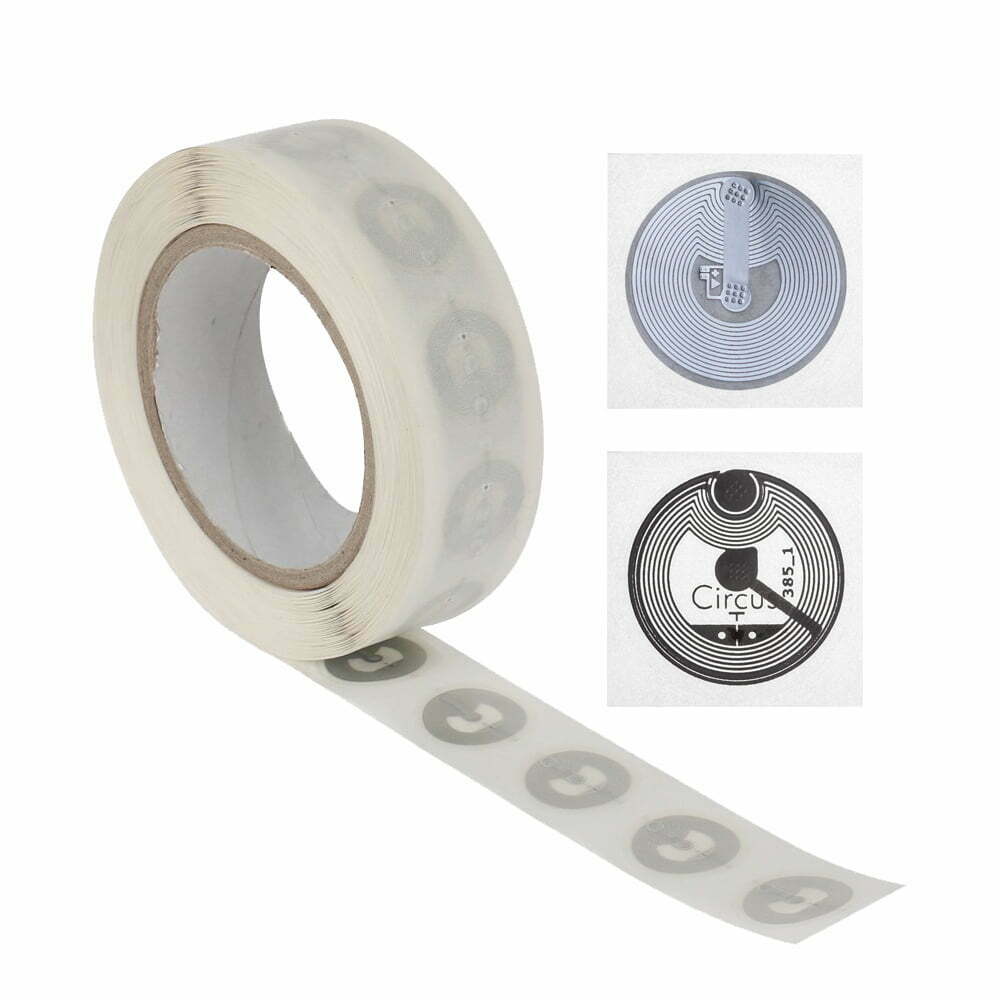
NFC supports deep system integration via ISO/IEC 14443 standards, enabling seamless interoperability with ERP, PLM, and IoT platforms. QR codes serve as lightweight bridges but require robust web infrastructure and analytics layers to track engagement. Enterprises deploying NFC benefit from deterministic read rates, offline functionality, and tamper-resistant write-once or read-write memory options.
When to Choose Each Technology
| Use Case | Recommended Tech | Rationale |
|---|---|---|
| Digital Product Passport lifecycle tracking | NFC | Enables authenticated, encrypted, and writeable product history stored directly on the tag |
| Luxury item anti-counterfeiting | NFC | Supports cryptographic challenge-response and secure element binding to physical goods |
| VIP access in Smart Entertainment venues | NFC | Enables fast, hands-free, battery-free entry—even in low-light or crowded conditions |
| General-purpose marketing links or menus | QR Code | Lower cost, universal device compatibility, and easy content updates |
FAQ
- Can NFC and QR codes be used together? Yes—hybrid deployments leverage QR for initial onboarding (e.g., linking to an NFC-enabled app), then use NFC for subsequent high-assurance interactions.
- Do all smartphones support NFC? Over 95% of modern Android devices and all iPhone models from iPhone 7 onward support NFC reading; iOS restricts background tag reading until iOS 18+, but full functionality is available via dedicated apps.
- Is NFC more expensive than QR codes? NFC tags have higher unit cost, but total cost of ownership improves with durability, reduced support overhead, and elimination of printing/scanning failures.
- How does NFC support Digital Product Passport compliance? NFC tags store standardized GS1 Digital Link payloads and can be cryptographically signed—enabling verifiable, immutable product data accessible without internet dependency.
Ready to Evaluate NFC for Your Enterprise Workflow?
Our RFIDHY engineering team provides free technical consultation—including use case mapping, tag selection guidance, and integration feasibility assessment for Digital Product Passport, luxury authentication, and smart wearable systems.