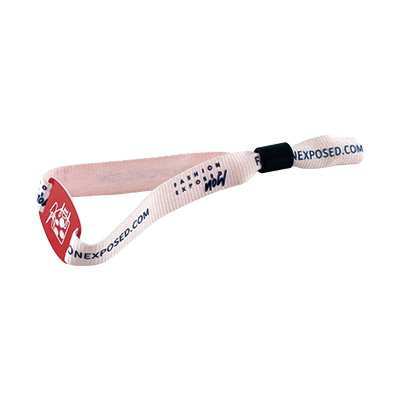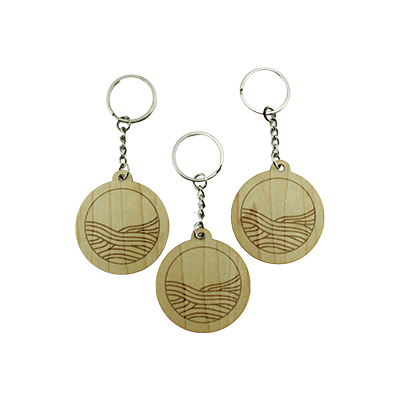
When preparing to incorporate NFC technology into a project, the first challenge you typically encounter is: “Which type of tag should I choose?” NFC tags are not a monolithic product; they vary significantly in their physical form factors, chip standards (NFC Forum Types), and intended application environments. Selecting the wrong type can lead to poor read sensitivity or cost overruns. This in-depth guide will help you navigate the various classifications, enabling you to make the most informed and professional decision.
1.Classification by Physical Form Factor: Finding Your “Carrier”
This is the most intuitive classification method for users, as it determines how the tag is mounted and its level of durability:
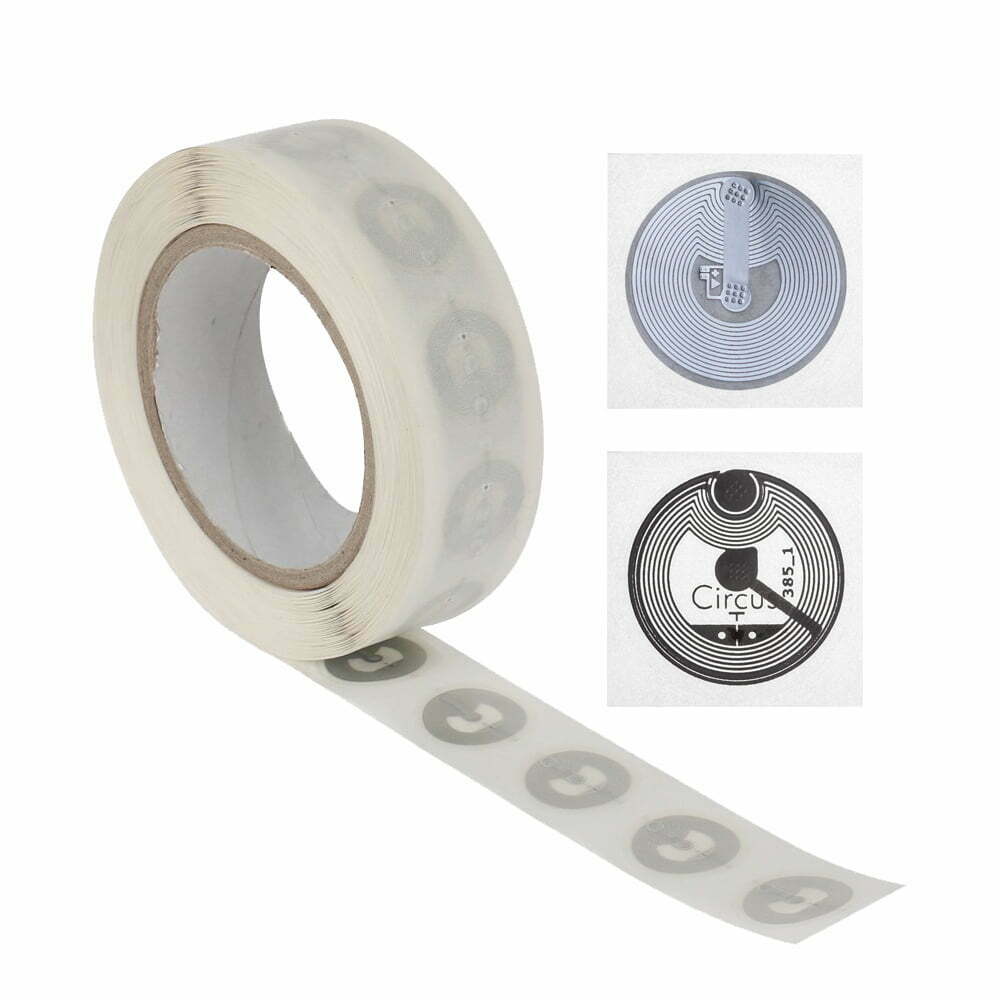
- NFC Stickers: The thinnest and most flexible option. Featuring a self-adhesive backing, they are ideal for marketing campaigns, smart packaging, and library management.
- NFC Cards: Standard credit-card size (CR80). Typically made from PVC, wood, or metal. Commonly used for digital business cards, hotel room keys, or employee ID badges.
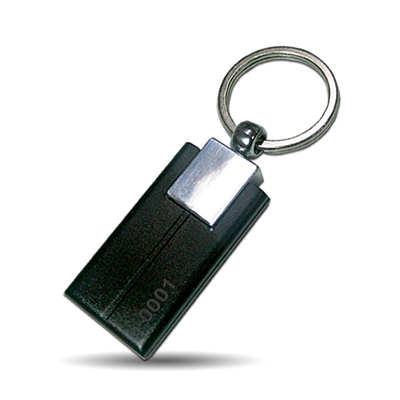
- NFC Key Fobs: Encased in durable ABS plastic or silicone; water-resistant and shockproof. Primarily used for residential access control, gym memberships, and cashless payment systems.
- On-Metal Tags / Anti-Metal Tags: Specially designed tags featuring a built-in ferrite layer. Note: If you intend to attach the tag to the back of a mobile phone or any metal device, you *must* select this type; otherwise, the signal will be blocked.
- Industrial Hard Tags: Capable of withstanding extreme temperatures (up to 200°C), harsh chemicals (acids/bases), or high-pressure impacts. Engineered specifically for factory inspections and outdoor asset management.
2.Classification by Technical Standard: The 5 NFC Forum Types
For developers and technical procurement specialists, the five tag types defined by the NFC Forum determine key parameters such as communication speed, storage capacity, and security features:
| Tag Type | Core Chip Examples | Technical Characteristics & Best Use Cases |
| Type 1 | Broadcom Topaz | Limited memory capacity (96 bytes – 2KB). Now rarely used. |
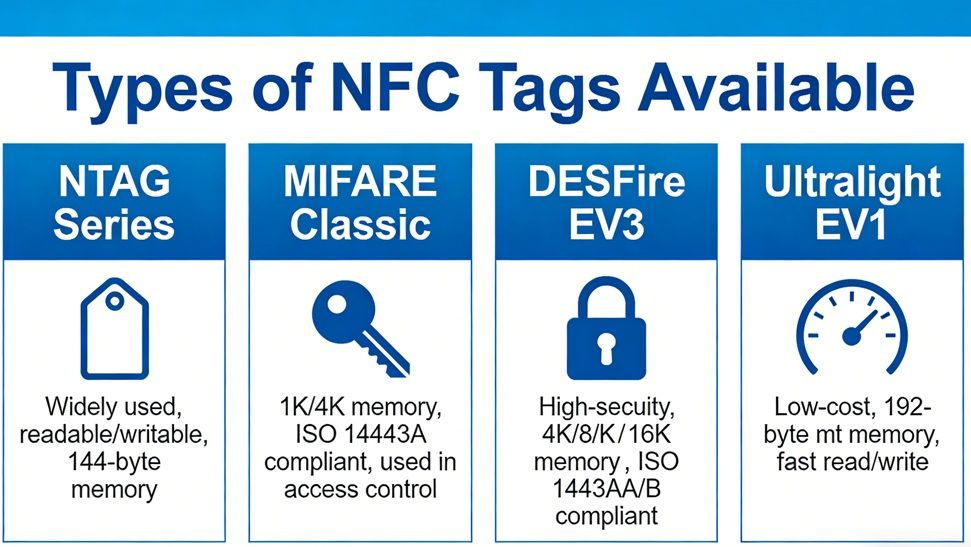
| Type 2 | NTAG213 / NTAG 215 / NTAG 216 | The industry-standard solution. Low cost, high speed, and excellent compatibility. Best suited for marketing stickers and general interactive applications. |
| Type 3 | Sony FeliCa | primarily used for transit cards in Japan and parts of Asia. It offers extremely high speed but comes with a higher cost. |
| Type 4 | MIFARE DESFire | supports hardware encryption and offers exceptional security. It is suitable for financial payments, secure access control, and identity verification. |
| Type 5 | ICODE SLIX | based on the ISO 15693 protocol. It boasts the longest reading distance and is frequently used in library management and warehouse logistics. |
3.Expanding Application Scenarios: How to Choose for Different Industries?
To help you make a more targeted selection, we have categorized options based on specific industry pain points:
- Laundry & Apparel (Laundry Tags): Encapsulated in PPS material, these tags can withstand over 200 industrial washing cycles.
- Brand Marketing (Marketing Tags): Prioritizing maximum cost-effectiveness, these applications typically utilize NTAG213 stickers for distributing coupons or directing users to social media channels.
- Sensor Tags: Equipped with built-in sensors capable of monitoring temperature and humidity. These are commonly used for monitoring food cold chain transportation.
4.The 3-Step Selection Process: A Decision Tree Guide
Before placing an order, please be sure to verify the following three points:
- Is there metal present at the installation site? If so, you must select an Anti-metal series tag.
- How much data needs to be stored? For simple URLs, the NTAG213 (144 bytes) is sufficient; for complex digital business cards, we recommend the NTAG216 (888 bytes).
- Do you have specific requirements regarding reading distance? If identification is required over a longer range (e.g., 10 cm – 50 cm), please consider a Type 5 (ISO 15693) chip.
Actual Test Data: Reading Distances for Different Tag Types
Summary
Understanding the various “Types of NFC tags” is the first step toward unlocking innovation in the Internet of Things (IoT). There is no single “best” tag—only the solution that is “best suited” to your specific business logic and budget.
Are you looking for a specific type of NFC tag? Browse our [Complete NFC Product Catalog] to explore our full range of chip options (NTAG, MIFARE, ICODE) and customization services—from entry-level NTAG stickers to industrial-grade anti-metal tags.
For more information,please contact us.