Introduction: A Transformation from Static Symbols to Dynamic Data Interfaces
Traditional textile care labels have limited and unchangeable information. Statistics show that over 60% of clothing damage results from improper washing. By integrating RFID (Radio Frequency Identification) technology, laundry labels are evolving into dynamic digital data carriers, providing the technical foundation for personalized smart laundry care and in-depth consumer interaction. This is not only about garment care but also a crucial step for brands to practice the circular economy and implement Digital Product Passports (DPP).
Technological Foundation: Washable RFID Data Carriers
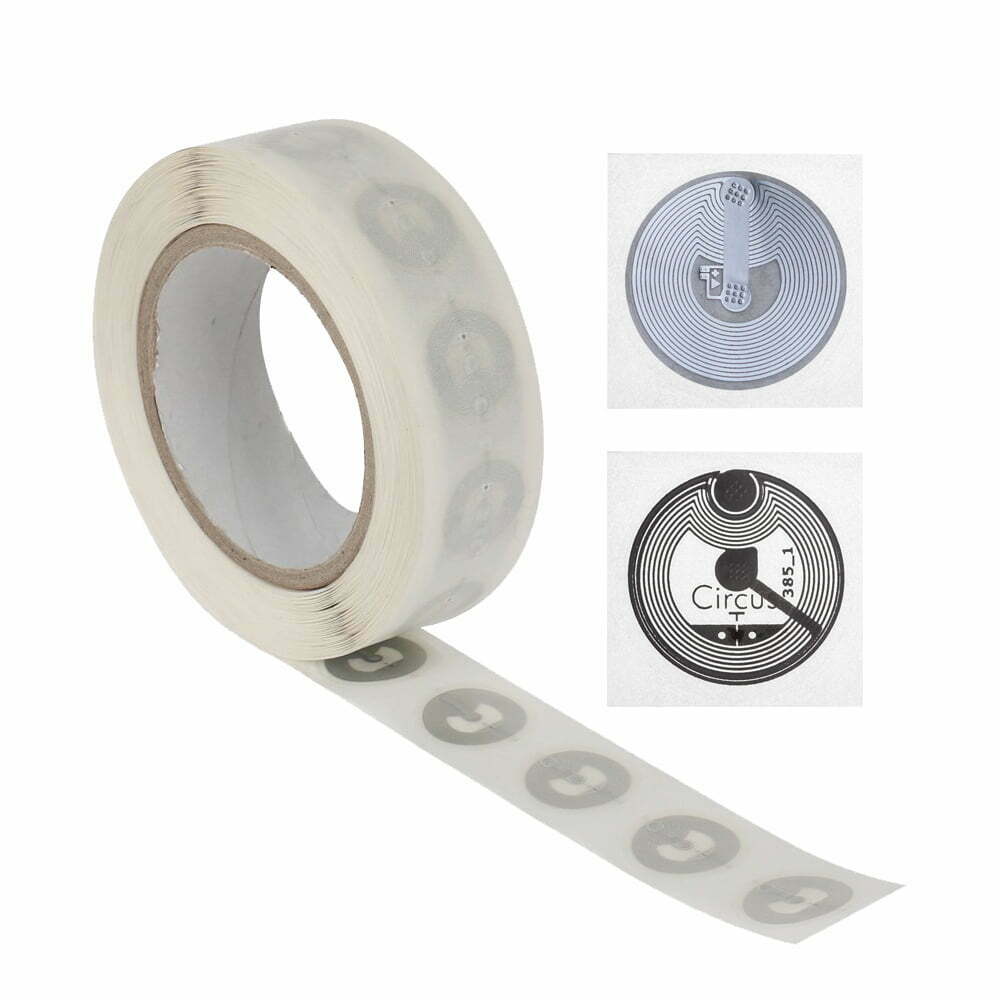
The primary condition for realizing this vision is that RFID tags must withstand the entire lifecycle of the garment. This requires tags to adhere to stringent industrial standards. The core lies in using UHF RFID chips compliant with the ISO/IEC 18000-6C protocol, combined with professional soft packaging processes. For example, the Impinj Monza® R6-P chip is widely used due to its high RF sensitivity and stability in humid environments. The tags themselves must pass washing tests similar to AARH Level 10, ensuring they can withstand over 100 industrial washes.
Leading suppliers like RFIDHY specialize in providing customized washable tag solutions for such scenarios, optimizing antenna design and packaging materials to ensure data remains readable after years of use.
Implementation Path: How to Store and Update Laundry Care Data
The core function of a digital laundry label is to store and allow updating of laundry care data. This is achieved through the user memory of the RFID chip. Chips supporting the EPC Gen2v2 standard (such as Alien H9) typically provide 512 bits or more of user storage space, sufficient to encode detailed initial laundry care instructions (such as water temperature, washing program, and ironing temperature).
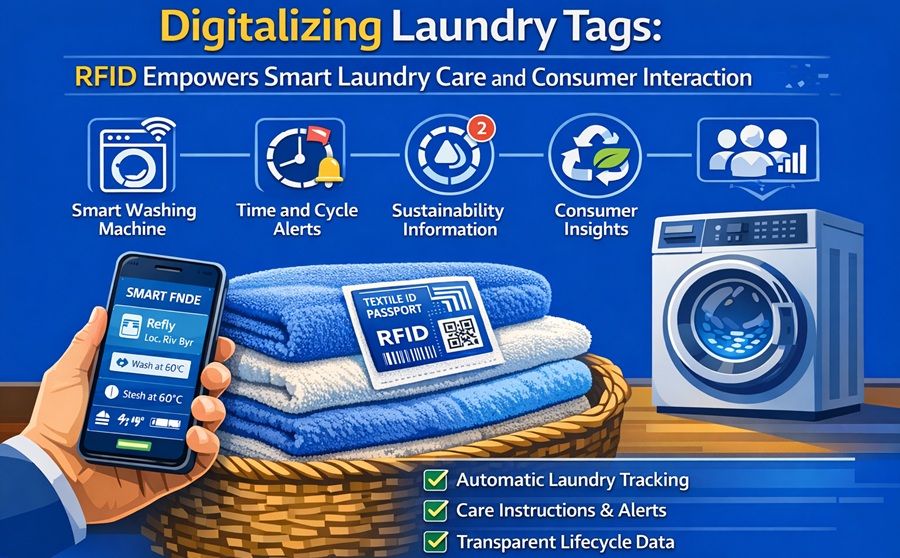
More importantly, this data space can be read and written by authorized devices. For example, smart home washing machines or professional laundry equipment connected to the cloud can automatically match and execute the optimal washing program after reading the tag ID. After the washing cycle is complete, the “care history,” including the gentleness and number of washes, is written back to the tag, creating an unalterable lifecycle log.
Data Value and Consumer Interaction Ecosystem
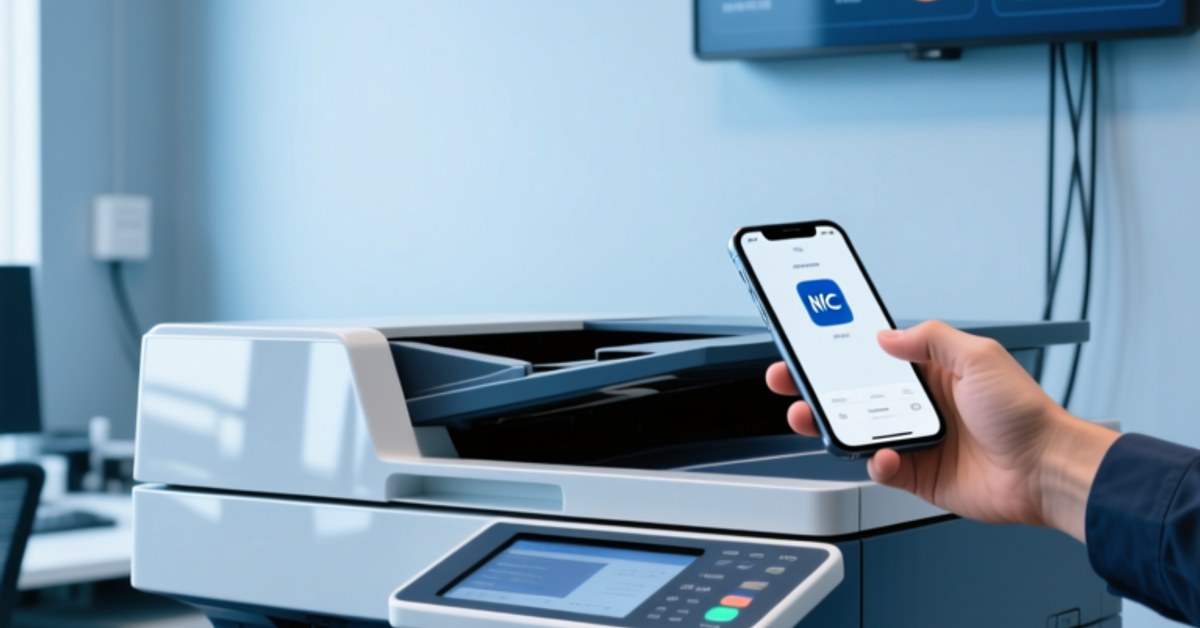
The dynamic data layer thus established opens up a new model of consumer interaction and brand service. Consumers can use their smartphones’ NFC function (following the ISO/IEC 14443 standard) to touch the garment tag and directly access and visualize the complete washing and care instructions, material composition, care history, and even carbon footprint information. This greatly enhances the user experience and care compliance, extending product lifespan.
For brands, this constitutes a consumer touchpoint for their Digital Product Passport (DPP), not only conveying sustainability concepts but also providing insights into actual product usage through data analysis, informing product improvements and personalized services (such as reminders for clothing recycling and recommendations for care products).
Conclusion
Integrating RFID technology into laundry tags is far more than simply replacing a label. It is the cornerstone of building a digital twin of clothing and achieving intelligent washing and care management throughout the entire lifecycle, from production and use to recycling. Through continuous consumer interaction, it transforms one-time transactions into long-term service relationships, ultimately promoting transparency and sustainable development in the textile industry. Successful implementation depends on choosing the right, proven wash-resistant tag technology partner.
Q&A
-
How is the durability of RFID-enabled laundry tags verified?
Reliable verification requires a combination of standard testing and real-world scenario testing. Standard testing refers to third-party laboratory certification based on IEC 60721-3-3 (climate and chemical environment) and AARH washing test methods. Real-world scenario testing should involve multiple cycles of testing in the brand’s own typical washing processes (including home and commercial use), monitoring the physical integrity and data readability of the tags.
-
How do ordinary washing machines in consumers’ homes interact with these smart laundry tags?
Currently, there are two main approaches. One is through smart washing machines equipped with NFC or UHF RFID read/write modules for automatic reading and program matching. The other is through the consumer’s smartphone as an intermediary: the phone first reads the tag information and then sends the washing parameters to the connected smart washing machine via Wi-Fi or Bluetooth. The latter requires fewer modifications to existing home appliances and is easier to popularize.
-
How does this technology integrate with the EU’s DPP?
The digital laundry label itself serves as a physical access point and key data source for the DPP. The unique ID within the label corresponds to the cloud-based DPP file. Washing and care history, as dynamic data, is continuously updated to this file through EPCIS (Electronic Product Code Information Services) events, providing a verifiable data chain for product durability, repair, and recycling, fully meeting the DPP’s requirements for lifecycle data transparency.
For more information,please contact us.