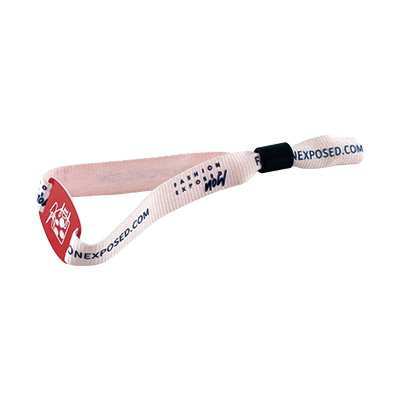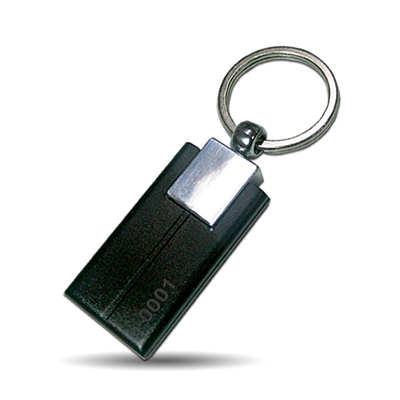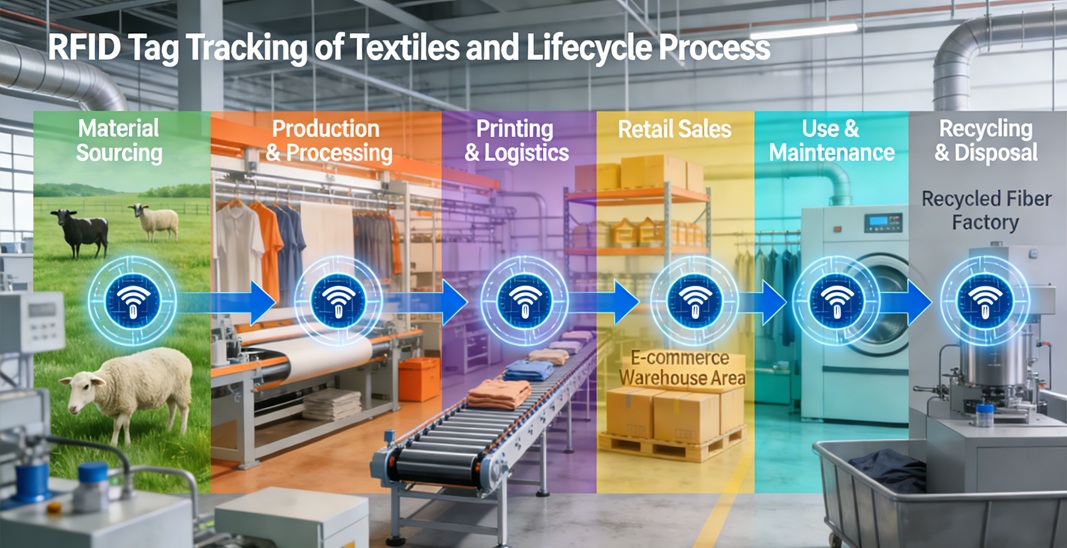
In the implementation of Digital Product Passports (DPP) for textiles, many brands initially tried using QR codes. However, with the disclosure of the EU ESPR regulations, the industry has gradually reached a consensus: to achieve true full lifecycle transparency, RFID is an indispensable technological foundation.
Efficiency Revolution: From “Item-by-Item Scanning” to “Batch Identification”
The biggest limitation of QR codes is the need for “line-of-sight reading.” In a logistics center, workers must find each garment’s hangtag and aim the scanner at it. In contrast, deploying an RFID tracking system allows for non-line-of-sight, large-batch, instantaneous reading.
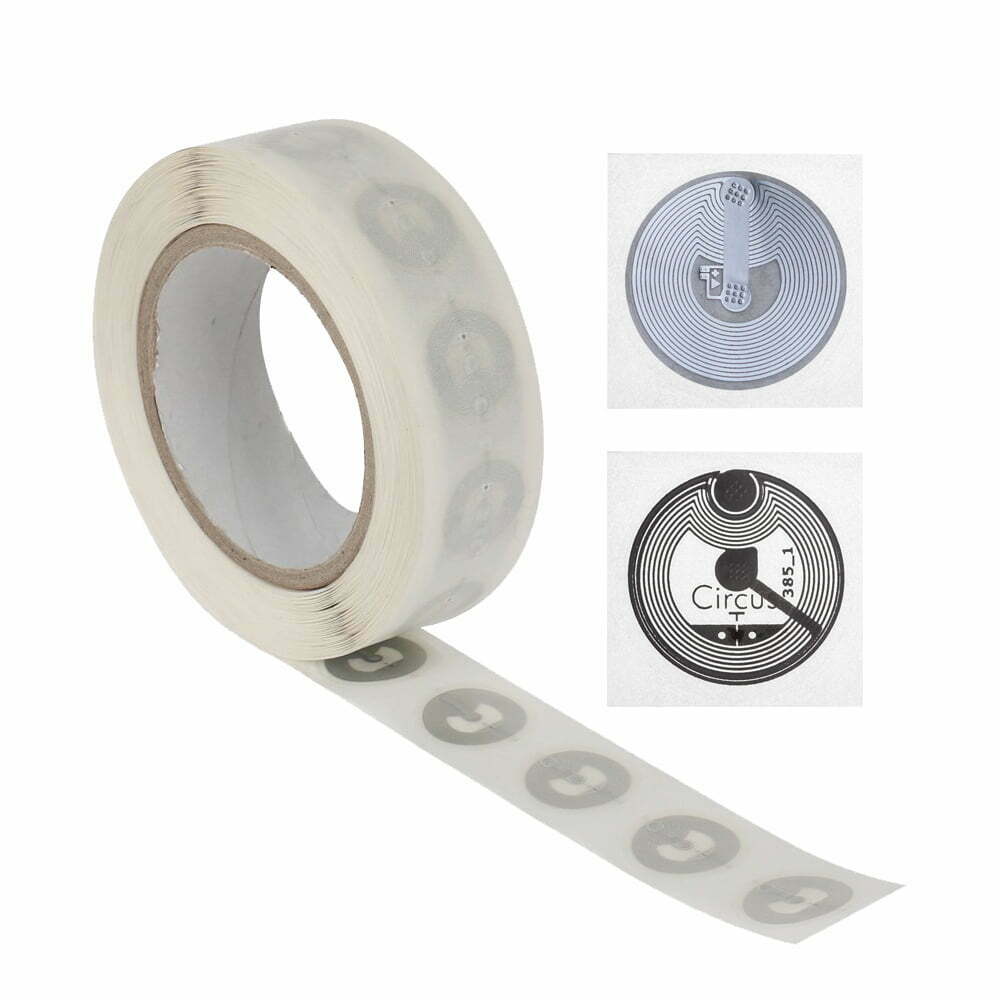
According to research data from the Internet of Things Business Review, warehouse inventory using RFID tracking tags is more than 25 times faster than using barcodes/QR codes. RFIDHY’s high-performance RFID stickers for inventory support reading over 700 tags per second, enabling brands to track the DPP dynamics of millions of individual items in real time without causing supply chain bottlenecks.
Durability Challenge: A “Digital Identity” That Withstands Washing Cycles
QR codes are usually printed on paper hangtags or internal labels, which are easily damaged by wear, washing, or creasing. For DPPs that require coverage of the recycling stage, this means a break in the data chain.
Professional RFID laundry tags (such as the RFIDHY industrial-grade series) use flexible packaging technology and can withstand pressures up to 60 bars and over 200 industrial washing cycles. This durability ensures that RFID clothing tags can still be accurately identified by RFID tag readers when garments enter second-hand circulation or sorting centers, providing accurate material composition information and contributing to the circular economy.
Data Security and Anti-Counterfeiting: Tamper-Proof Encryption Attributes
QR codes are easily copied and counterfeited, while each RFID tag has a globally unique UID code. In RFID tracking systems, this chip-level uniqueness provides brands with a natural anti-counterfeiting barrier. According to Statista, global losses from counterfeit goods prevented by the adoption of RFID anti-counterfeiting technology will exceed $5 billion by 2026.
Conclusion
QR codes may be a low-cost starting point for DPP (Digital Product Passport), but RFID tracking tags are the ultimate solution for textile companies to achieve long-term compliance and operational excellence. As a leading global provider of RFID solutions, RFIDHY offers businesses professional support ranging from embedded tags to full-link tracking, helping you overcome the hurdles of digital transformation.
For more information,please contact us.