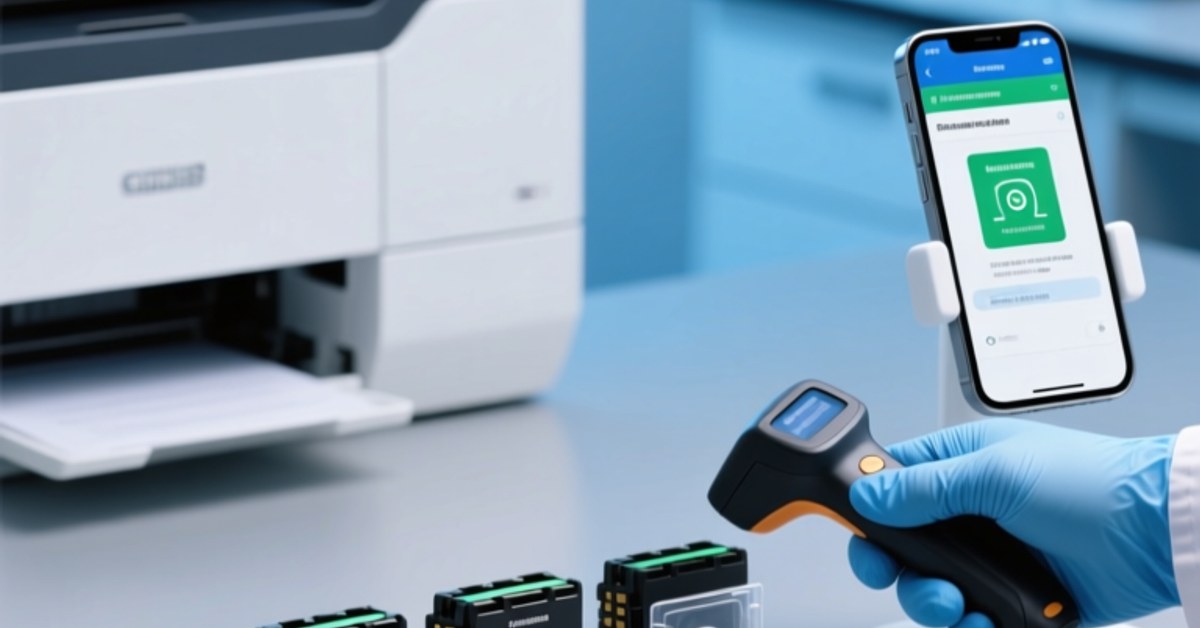
With the official adoption of the EU Sustainable Products Ecodesign Regulation (ESPR), textiles have been listed as one of the first key industries to be mandated to implement Digital Product Passports (DPP). The European Commission expects that from 2026–2027 onwards, categories such as clothing and home textiles will be required to disclose material sources, carbon footprint, repair, and recycling information through DPPs. According to the European Commission’s impact assessment, DPPs will cover approximately 80% of textile goods circulating in the EU market to support circular economy goals.
Why RFID Washable Tags?
In practice, a single QR code is difficult to meet the requirements of “read and write throughout the entire lifecycle” of clothing. After washing, ironing, and multiple transfers, QR codes are easily damaged, while passive RFID tags can operate stably for 5–10 years without batteries. Using high-temperature and chemical-resistant UHF RFID washable tags ensures continuous data collection from production, warehousing, and retail to recycling.
According to McKinsey, clothing companies that deploy RFID tracking systems can increase their inventory accuracy from 65% to over 95%, and reduce return rates by an average of 15%. This means that DPP is not only a compliance tool but also a “data engine” for refined brand operations.
Three Core Roles of RFID in DPP
- Acquisition: Automatically bind DPP IDs on the production line through RFID tag readers, avoiding manual entry errors.
- Execution: In warehousing and stores, RFID inventory tracking and RFID asset tracking synchronize DPP data, supporting real-time updates of fields such as carbon emissions and material traceability.
- Optimization: In the recycling and remanufacturing stages, RFID tracking tags help identify component proportions, supporting reuse decisions.
RFIDHY’s Implementation Practices
As a high-quality RFID solution provider, RFIDHY has provided “RFID + DPP interface” solutions to several garment factories exporting to Europe, covering RFID tag selection, RFID tags for inventory configuration, and integration with PLM/ERP systems. Its RFID laundry tags maintain a reading rate of >99% even after 200 industrial washes at 80°C, helping customers complete DPP compliance simulations ahead of schedule during the pilot phase.
Compliance countdown: What should brands do now?
- Identify the gaps between existing RFID tracking systems for manufacturing and DPP fields.
- Evaluate the cost-effectiveness of RFID tags and their lifespan.
- Select RFID tracking devices and platforms that support cross-system integration.
Conclusion
The EU textile DPP is not simply a regulatory upgrade, but a complete industry-wide digital transformation. Whoever can be the first to transform RFID laundry tags into an “invisible compliance infrastructure” will be able to seize the trust dividend of the European market before 2027.
For more information,please contact us.