The $1.2 Trillion Infrastructure Crisis: How NFC Can Empower Smart Cities
For city managers and public works directors, maintaining critical infrastructure (from streetlights to traffic sensors) is a constant battle with aging assets and tight budgets. The American Society of Civil Engineers (ASCE) gives U.S. public infrastructure a “C-” rating, citing a $1.2 trillion investment gap (ASCE 2024 report). The NFC Digital Product Passport (DPP) transforms this challenge, transforming each asset into a connected, data-rich node, optimizing maintenance and extending its lifespan.
The High Cost of Infrastructure Management:
Municipalities struggle with outdated, manual processes:
- Reactive maintenance: Repairs are performed only after a facility breaks down, leading to public safety risks and citizen complaints.
- Paper records: Lost work orders, forgotten maintenance histories, and inefficient audits.
- Data silos: Fleet management, utilities, and parks departments are unable to share asset data.
- Budget pressures: Labor costs and parts prices are rising, but efficiency hasn’t improved.
NFC DPP: Transforming Smart Maintenance in Cities
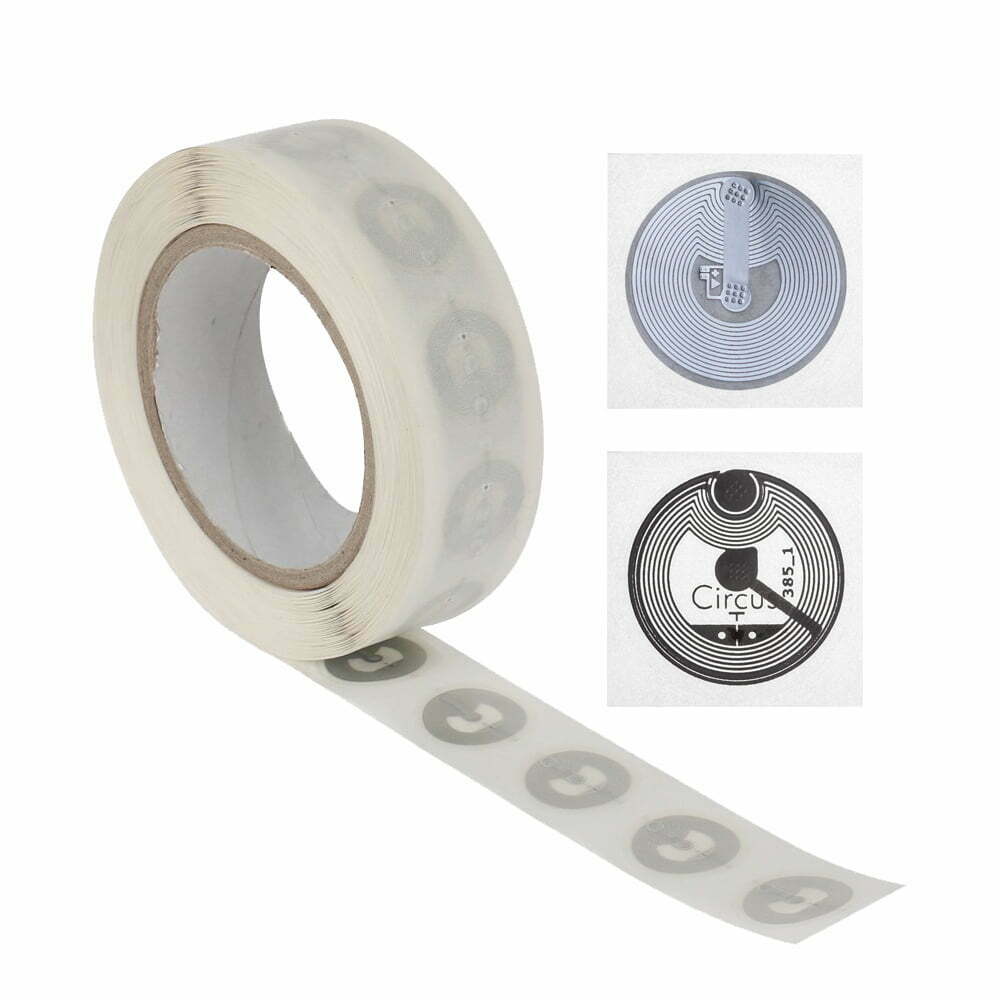
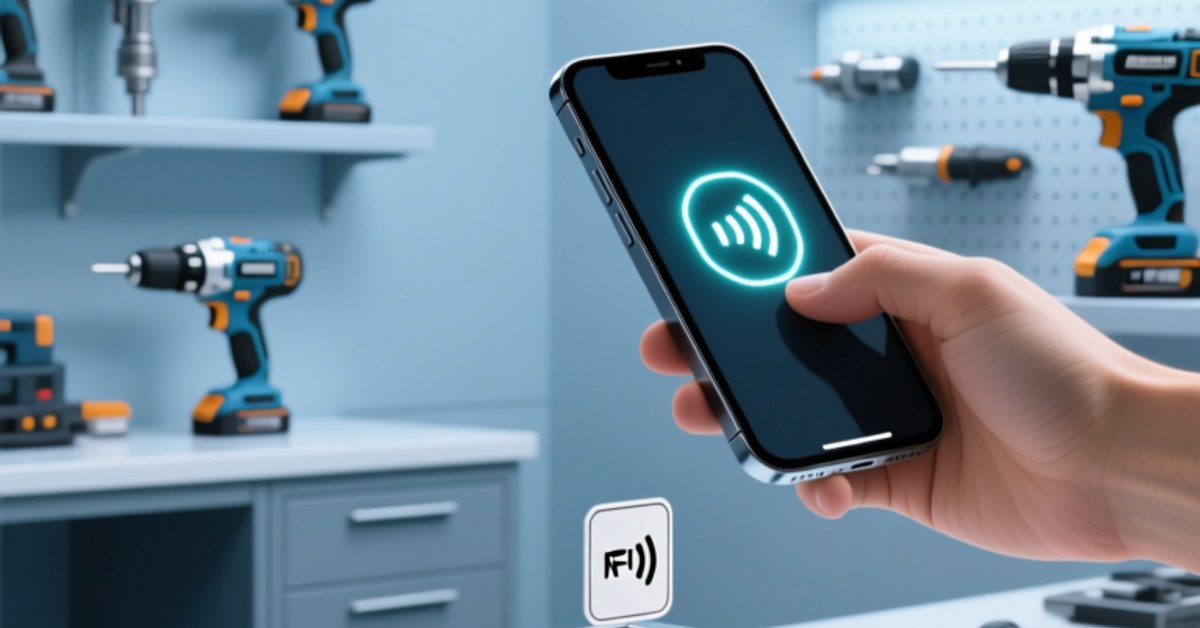
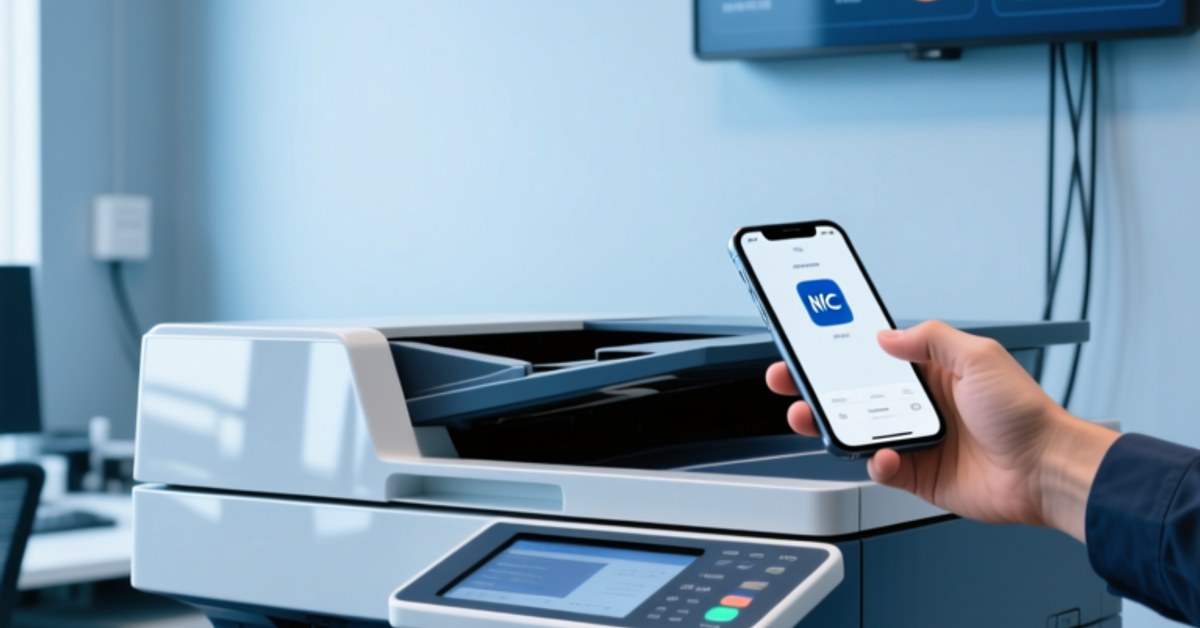
NFC (Near Field Communication) tags serve as a unique digital identity for each physical asset, storing critical data that can be read and updated by any field worker using a standard smartphone, without the need for specialized scanners.
Key Use Cases and Benefits:
| Infrastructure | Pain Point | NFC DPP Solution | Outcome |
|---|---|---|---|
| Streetlights | Unknown bulb lifespan, inefficient outage reporting | Tag stores install date, bulb type, last service date | Predictive replacement, 30% faster repair dispatch |
| Waste Bins | Inefficient collection routes, overflow complaints | Tag logs last collection date & fullness check | Dynamic route optimization, reduced fuel costs |
| Traffic Sensors | Costly diagnostics, unknown calibration status | Tag contains service manual, error logs, calibration cert | 50% faster troubleshooting, ensured accuracy |
Case Study: How a Major European Capital Achieved a 20% Saving in Maintenance Costs
A city of 1.2 million people faced:
- Citizen complaints about streetlight failures and slow response to overflowing trash bins.
- Public works budgets were stretched thin by inefficient, reactive maintenance cycles.
- Unable to track the lifecycle costs of thousands of dispersed assets.
Their Smart City NFC DPP implementation:
Over 50,000 assets (streetlights, trash cans, traffic control boxes) were tagged with rugged, waterproof NFC tags.
Field workers were equipped with their own iOS/Android devices to scan the tags.
Each tag provided instant access to:
- Complete maintenance history
- Installation date and warranty status
- OEM manuals and schematics
- One-click access to report issues or document completed work
Documented Results:
- Annual maintenance budget reduced by 20% through predictive scheduling and fewer truck rolls.
- Citizens reported a 25% improvement in response time, resulting in increased public satisfaction.
- Average asset lifespan extended by 19% through timely, data-driven service.
- Eliminate paper work orders and manual data entry.
Adoption Advantages: Why NFC Outperforms Other Technologies
- No Specialized Hardware: Leverages existing employee smartphones; no expensive RFID readers required.
- Offline Capability: Reads data and documents work even in tunnels, underground, or areas with poor cellular signal.
- Unparalleled Security: Encrypted tags prevent tampering and spoofing, ensuring data integrity for audits.
- Easy Integration: Cloud-based DPP data easily integrates with existing CMMS (computerized maintenance management systems, such as IBM Maximo or SAP).
Building a Smart City: A Trial Roadmap
- High-Impact Asset Pilot: Start with a row of streetlights or a group of trash cans.
- Choose Ruggedized Tags: Specify tags with an IP67+ rating for water and dust resistance.
- Empower Your Field Team: Train employees to use smartphones for scanning, reducing resistance to new technology.
- Measure and Scale: Demonstrate return on investment (ROI) during the pilot phase to secure funding for citywide deployment.
You may be interested also in:
For more information,please contact us.