Przez 2025, będzie więcej niż 75 miliardów urządzeń IoT działających na całym świecie, zasilając wszystko, od inteligentnych fabryk po systemy HVAC. Jednakże, zarządzanie tymi urządzeniami pozostaje wąskim gardłem: o 43% firm jako największe bariery na drodze do wdrożenia IOT wskazuje złożoność konfiguracji urządzeń i nieefektywność konserwacji.
NFC (Komunikacja w pobliżu) tagi stają się rewolucją, zapewniając beztarciowy sposób na wejście na pokład, aktualizacja, i rozwiązuj problemy z ekosystemem IoT. Jednym dotknięciem, technicy mogą ominąć nieporadne parowanie Bluetooth, automatycznie wdraża oprogramowanie sprzętowe, i radykalnie obniżyć koszty konserwacji.
Poniżej, omówimy korzyści techniczne, ROI w świecie rzeczywistym, i najlepsze praktyki integracyjne NFC.
Bezdotykowa konfiguracja urządzenia: Stuknij zamiast parowania Bluetooth
Wydanie: Konfiguracja Bluetooth/Wi-Fi wymaga ręcznego wprowadzenia danych uwierzytelniających, biorąc średnio 12 minut na urządzenie. W przypadku wdrożeń na dużą skalę, może to opóźnić osiągnięcie wartości o tygodnie.
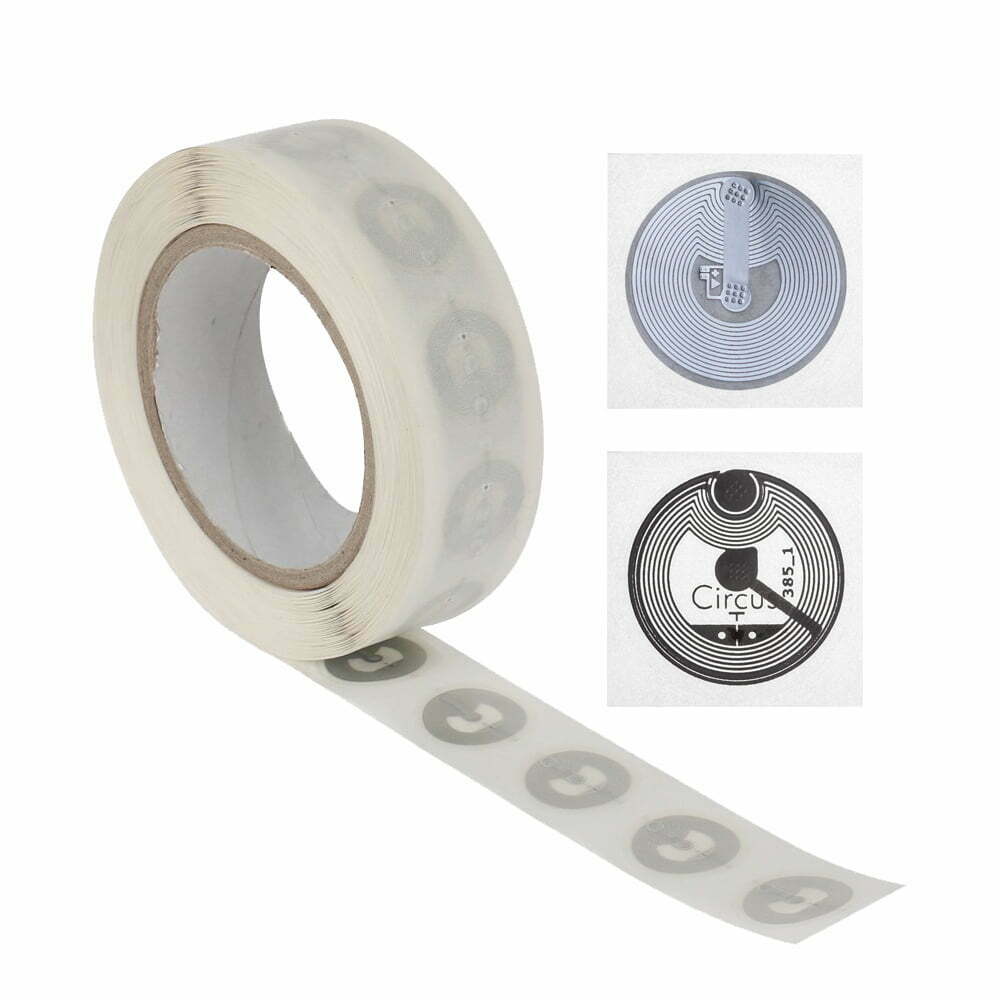
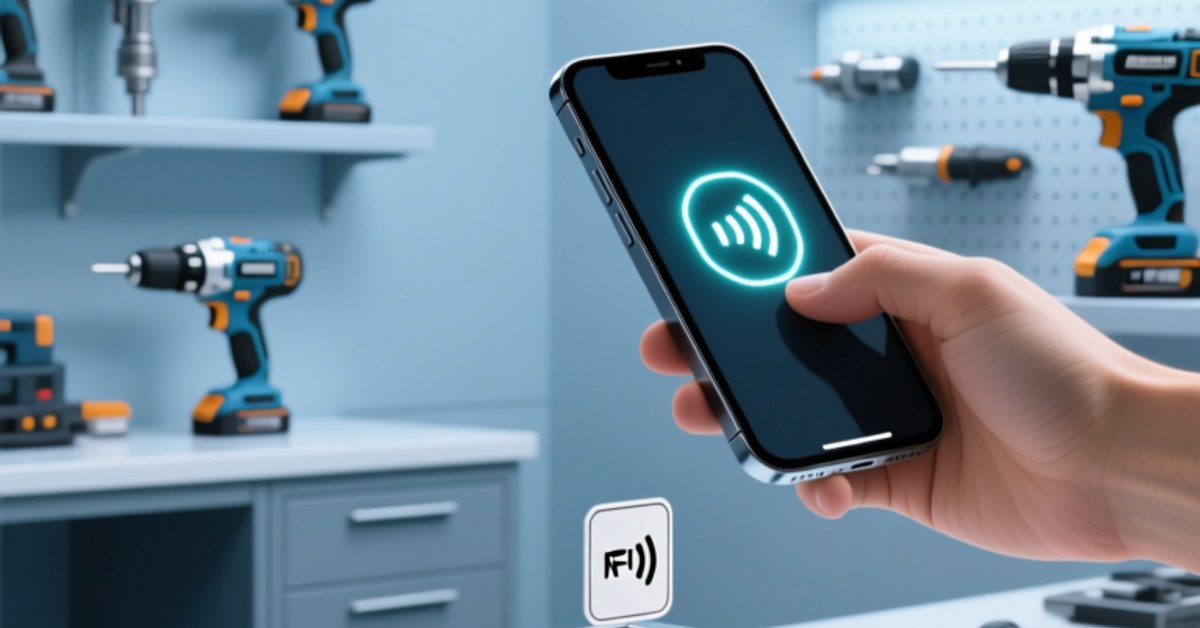
Rozwiązanie NFC: Osadzać Tagi NFC w sprzęt IoT (czujniki, siłowniki, bramy). Podczas konfiguracji, technik dotyka telefonu z włączoną funkcją NFC:
- dane uwierzytelniające Wi-Fi/chmurę są wprowadzane automatycznie
- Przypisz unikalny identyfikator urządzenia
- Wstępnie skonfiguruj dane geolokalizacyjne
Zalety techniczne: NFC 13.56 Częstotliwość MHz zapewnia zerową interferencję z pasmami operacyjnymi IoT (NP., LoRaWAN, Zigbee).
Przykład: Firma Siemens skróciła czas wdrożenia inteligentnych liczników o 65% zastępując kody QR kodami Tagi NFC w brytyjskim pilocie.
Aktualizacje oprogramowania sprzętowego jednym kliknięciem: Wyeliminuj przestoje w inteligentnych fabrykach
Wydanie: Ręczna aktualizacja więcej niż 10,000 urządzeń może spowodować wstrzymanie produkcji. W środowiskach o dużych zakłóceniach, bezprzewodowo (OTA) aktualizacje kończą się niepowodzeniem 8% (Dziennik IEEE IoT).
Poprawka NFC: Tagi są zaprogramowane tak, aby po zeskanowaniu uruchamiały proces aktualizacji:
- Pobierz najnowsze oprogramowanie sprzętowe z serwera Edge (omijanie opóźnień w chmurze)
- sprawdź sumę kontrolną przed instalacją
- Automatycznie zapisuj status aktualizacji w systemie zarządzania aktywami
Na wskazówkę: Użyj tagu NFC wielokrotnego zapisu (Allegate 216) do przechowywania historii wersji oprogramowania sprzętowego i umożliwiania przywracania bez dostępu do sieci.
Natychmiastowa diagnostyka: Rozwiązuj awarie IoT w mniej niż 90 towary drugiej jakości
Problem: 62% awarii sprzętu w inteligentnych budynkach wynika z dryfu kalibracji czujnika (McKinsey’a). Tradycyjne uruchomienie wymaga demontażu sprzętu.
Rozwiązanie NFC: Przechowuj ostatni 30 dni danych operacyjnych (temperatura, kody błędów, poziom baterii) na etykiecie. Technik kliknij dalej:
- Eksportuj wyniki diagnostyki do pliku CSV/JSON bez zasilania urządzenia
- Porównaj dane w czasie rzeczywistym z danymi bazowymi
- Wygeneruj zlecenie naprawy ze wstępnie wypełnionymi szczegółami usterki
Studium przypadku: Inteligentne biuro w Monachium skraca czas konserwacji HVAC o 300 godzin/rok poprzez zastosowanie czujnika CO2 z obsługą NFC.
Architektura technologii: Jak NFC wpasowuje się w ekosystem IoT
NFC + Schemat architektury IoT
Kluczowe komponenty:
- Tag NFC (Typ 5): Sklepy 2 KB danych (ISO 15693 standard) i można go stosować w temperaturach od -25°C do 85°C.
- Aplikacja mobilna: SDK dla Androida/iOS do odczytu/zapisu tagów.
- Brama brzegowa: Obsługuj lokalnie przepływy pracy wyzwalane przez NFC.
- Platforma chmurowa: Synchronizuj stan urządzenia pomiędzy pulpitami nawigacyjnymi.
NFC zamienia każde urządzenie IoT w samodokumentujące się urządzenie, zasób gotowy do pracy w terenie. W miarę skalowania przemysłowego IoT, Bezdotykowe zarządzanie jest nie tylko wygodne — to konieczność konkurencyjna.
Potrzebujesz niestandardowej porady dotyczącej wdrożenia? [Umów się na bezpłatną 30-minutową konsultację NFC]