Hoe duurzaam is NFC-technologie?
Contactloze technologieën zoals NFC spelen steeds meer een centrale rol in de digitale transformatie van ondernemingen, maar hun milieuprestaties zijn belangrijker dan ooit. Voor vooruitstrevende bedrijven die zich inzetten voor ESG-doelstellingen, Het begrijpen van het echte duurzaamheidsprofiel van NFC is essentieel.
Energie-efficiëntie: Minimale kracht, Maximaal nut
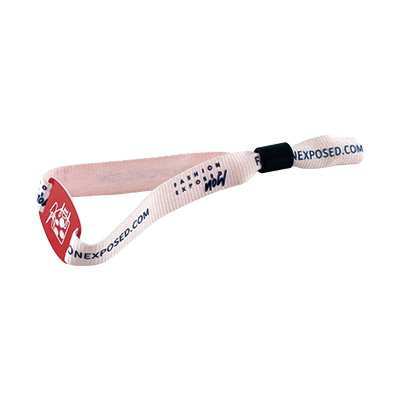
NFC werkt in de passieve modus voor de meeste zakelijke toepassingen, wat betekent dat tags geen interne stroombron nodig hebben. Wordt uitsluitend aangedreven door het elektromagnetische veld van een NFC-lezer of smartphone, milieuvriendelijk NFC-tags verbruiken vrijwel geen elektriciteit tijdens lees-/schrijfcycli. Vergeleken met batterijafhankelijke IoT-sensoren of Bluetooth-bakens, De passieve architectuur van NFC levert uitzonderlijke energie-efficiëntie bij grootschalige implementaties zoals NFC-inlays, NFC-visitekaartjes, En NFC-evenementpolsbandjes.
Vermindering van papierverspilling binnen alle activiteiten
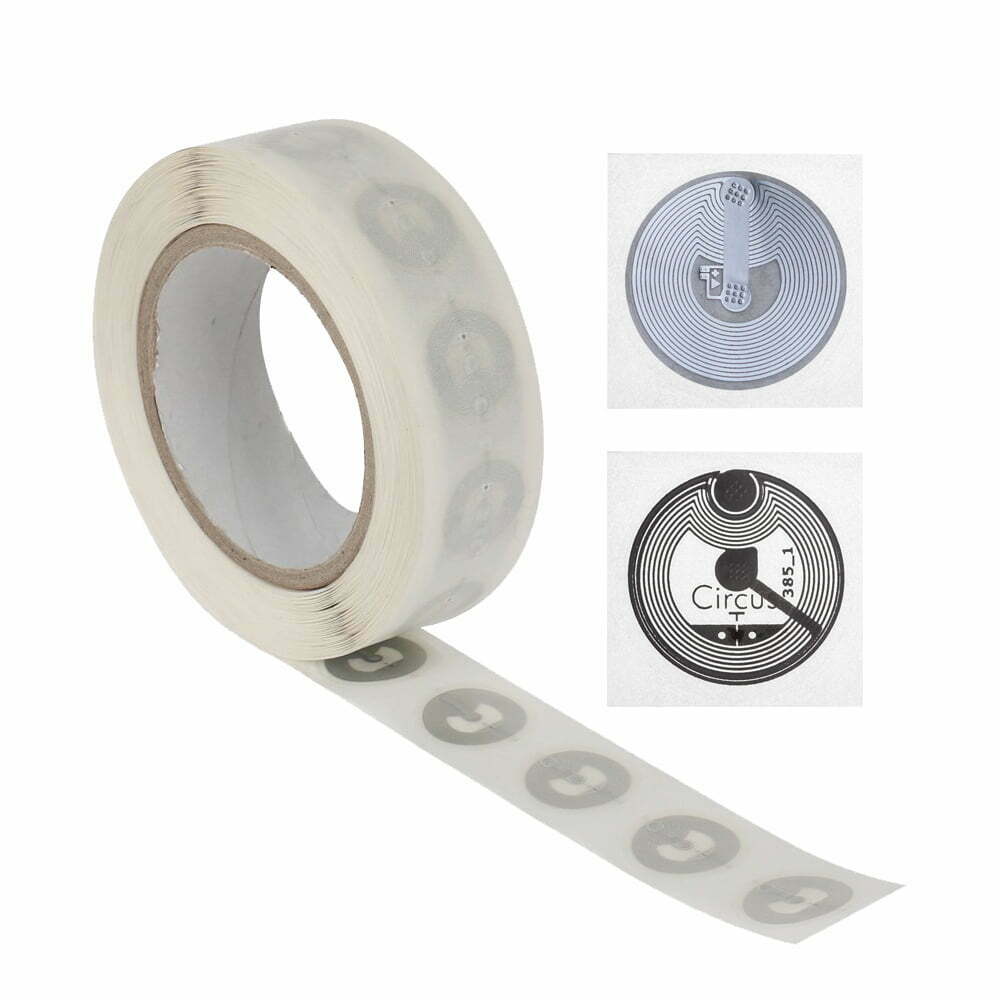
Bedrijven die NFC inzetten voor digitale productpaspoorten, slimme verpakking, of toegangscontrole elimineren jaarlijks miljoenen papieren contactpunten. Een enkele NFC-sticker vervangt gedrukte handleidingen, QR-gekoppelde brochures, gelamineerde ID-badges, en wegwerpkaartjes — die initiatieven voor nul-afval rechtstreeks ondersteunen. In de luxe detailhandel en farmaceutische sector, NFC-ondersteunde authenticatie vermindert de afhankelijkheid van holografische labels en papieren certificaten.
Integratie van de circulaire economie
NFC-tags ingebed in duurzame activa, zoals herbruikbare logistieke containers, medische apparatuur, of industriële gereedschappen — ondersteunen de traceerbaarheid gedurende langere levenscycli. Indien gekoppeld met UHF RFID-lezers of RFID-modules, deze systemen maken het volgen van voorraad in een gesloten lus mogelijk, reparatie route, en terugwinning van materiaal aan het einde van de levensduur – belangrijke pijlers van het ontwerp van een circulaire toeleveringsketen.
NFC vs. QR -code: Een duurzaamheidsvergelijking
Terwijl beide contactloze interactie mogelijk maken, hun ecologische voetafdrukken verschillen aanzienlijk:
>
| Factor | NFC-tags | QR -codes |
|---|---|---|
| Productie-energie | Laag — dunnefilmantenne + silicium chip; schaalbaar halfgeleiderproces | Zeer laag: inkt op papier of zeefdruk |
| Operationele energie | Verwaarloosbaar (passief); geen batterijverbruik van het apparaat vereist voor het lezen | Matig: smartphonecamera + processorgebruik per scan |
| Levenscyclusduurzaamheid | Hoog - tags met epoxy-ingekapselde of siliconen-ingebedde afgelopen jaren | Laag — gevoelig voor vervaging, scheuren, of vlekken |
| Herbruikbaarheid | Ja – herschrijfbare NFC-tags ondersteunen dynamische gegevensupdates | Nee – statisch; vereist herdruk voor nieuwe informatie |
Materiaalinnovatie in milieuvriendelijke NFC-tags
Toonaangevende fabrikanten zoals RFIDTAGHY bieden nu NFC-inlays met PETG aan, op papier gebaseerde substraten, en lijmen uit biologische bronnen – waardoor de afhankelijkheid van PVC en fossiele kunststoffen wordt verminderd. Deze duurzame NFC opties behouden volledige compatibiliteit met lezers van ondernemingsniveau en smartphones terwijl wordt voldaan aan de RoHS- en REACH-conformiteitsnormen.
Veelgestelde vragen
- Hebben NFC-tags batterijen nodig?? Nee – standaard NFC-tags zijn passieve apparaten die worden aangedreven door het veld van de lezer, waardoor ze inherent energie-efficiënt zijn.
- Zijn milieuvriendelijke NFC-tags compatibel met de bestaande infrastructuur? Ja. Alle NFC-tags van RFIDTAGHY voldoen aan ISO/IEC 14443 en NFC Forum-standaarden, zorgen voor een naadloze integratie met smartphones en UHF RFID-lezers.
- Kan NFC de rapportage over de circulaire economie ondersteunen?? Absoluut. Wanneer gebruikt in Digitaal productpaspoort oplossingen, NFC maakt verifieerbaar mogelijk, fraudebestendig delen van levenscyclusgegevens tussen belanghebbenden.
- Hoe verifieer ik of een tag voldoet aan de milieuwetgeving? Zoek naar certificeringen van derden (Bijv., TÜV SÜD, UL-omgeving) en materiaalverklaringen — voor iedereen beschikbaar RFIDTAGHY eco-NFC-inlays.
Verbeter uw duurzaamheidsdoelstellingen met geverifieerde NFC-oplossingen
Van milieuvriendelijke NFC-tags en RFID-modules tot end-to-end NFC-oplossingen, NFCWORK en RFIDHY tools op bedrijfsniveau leveren die zijn gebouwd voor milieuverantwoordelijkheid. Vraag een duurzaamheidsintegratieadvies aan vandaag nog — en ontdek hoe duurzame NFC kan uw operationele voetafdruk verkleinen en tegelijkertijd het merkvertrouwen versterken.