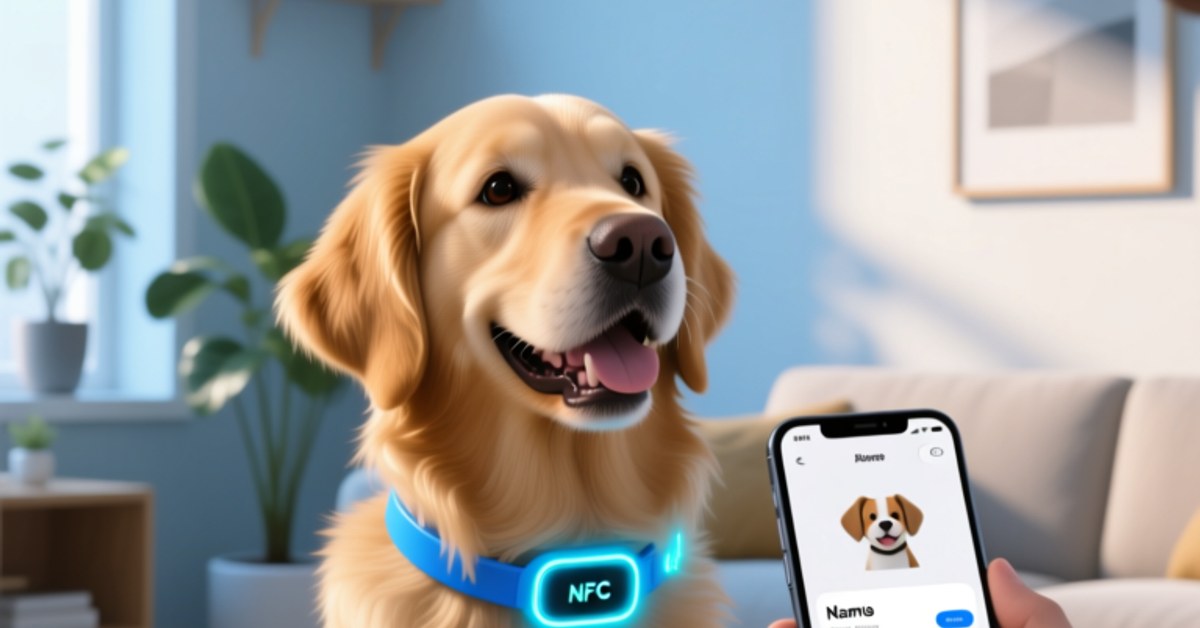
De emotionele en marktrealiteit van verloren huisdieren
Elk jaar, Miljoenen gezelschapsdieren worden vermist in de Verenigde Staten en de Europese Unie. Alleen al in de VS, de American Society for the Prevention of Cruelty to Animals (ASPCA) constateert dat ongeveer 6.5 Jaarlijks komen miljoenen honden en katten in opvangcentra terecht, waarbij een groot percentage arriveert als verdwaalde zwerfdieren. In de EU, het bezit van huisdieren is enorm gestegen – voorbij 90 miljoen huishoudens houden nu minstens één huisdier, maar de gecentraliseerde herstelsystemen blijven gefragmenteerd. De emotionele tol voor gezinnen is enorm, en de financiële kosten van het zoeken, flyers afdrukken, en het boarden van gevonden dieren escaleert snel.
Tegen deze achtergrond, de markt voor slimme huisdierwearables versnelt. Gewaardeerd op ruim $2 miljard wereldwijd, het wordt aangestuurd door eigenaren die de veiligheid en gezondheid van hun huisdieren voorop stellen. Traditionele identificatiemethoden falen te vaak: halsbanden breken, ID-tags vervagen, en microchips vertrouwen op gespecialiseerde scanners die de meeste vinders niet hebben. Dit is waar NFC (Near Field-communicatie) komt binnen als een transformatieve oplossing – tegen lage kosten, universeel toegankelijke digitale identiteitslaag voor huisdieren.
NFC-huisdiertags vs. Microchips: Een praktische vergelijking
Microchips zijn al tientallen jaren de gouden standaard voor permanente huisdieridentificatie, maar ze hebben kritische beperkingen. Ze vereisen implantatie door een dierenarts, werken op passieve RFID-frequenties, en kan alleen worden gelezen door speciale scanners die doorgaans in schuilplaatsen of klinieken worden aangetroffen. Een buurman die een verdwaalde hond in het park vindt, kan een microchip niet onmiddellijk lezen.
NFC-huisdiertags, daarentegen, Maak gebruik van dezelfde technologie die wordt gebruikt bij contactloze betalingen. Elke moderne smartphone kan een NFC-tag met een simpele tik: geen app-installatie nodig voor basislezen. Dit breidt het netwerk van potentiële ‘scanners’ dramatisch uit voor iedereen met een telefoon. Hieronder vindt u een vergelijking op functieniveau:
>
| Functie | Microchip | NFC-huisdiertag |
|---|---|---|
| Leesapparaat | Speciale scanner voor dierenartsen/opvangcentra | Elke smartphone met NFC-ondersteuning |
| Implantatie | Geïnjecteerd onder de huid | Gedragen aan halsband/harnas (niet-invasief) |
| Gegevens opgeslagen | Unieke ID (vereist opzoeken in de database) | Aanpasbare URL, contactgegevens, gezondheidsdossiers |
| Stroombron | Geen (passief) | Geen (passieve NFC) |
| Updatebaarheid | Alleen registerwijziging | Realtime bewerking via cloudplatform |
| Duurzaamheid | Levensduur van huisdier | Afhankelijk van de inkapseling van de tag (tot 10 jaar+) |
Terwijl microchips essentieel blijven voor herstel in een schuilplaats, NFC-huisdierentags vullen deze aan door onmiddellijke toegang mogelijk te maken, hereniging van de basis. Een gecombineerde aanpak: microchip voor officieel identiteitsbewijs, NFC-tag voor directe toegang – biedt het sterkste vangnet.
Workflow voor het terugvinden van verloren huisdieren met NFC
De kracht van een op NFC gebaseerd systeem ligt in zijn eenvoud. Hier is een typisch herstelproces wanneer een verloren hond wordt gevonden die een slimme NFC-halsband draagt:
- Tik om te scannen: Een vinder ziet het halsbandlabel met een NFC-symbool. Met een simpele telefoontap, de tag activeert een pop-up of weblink.
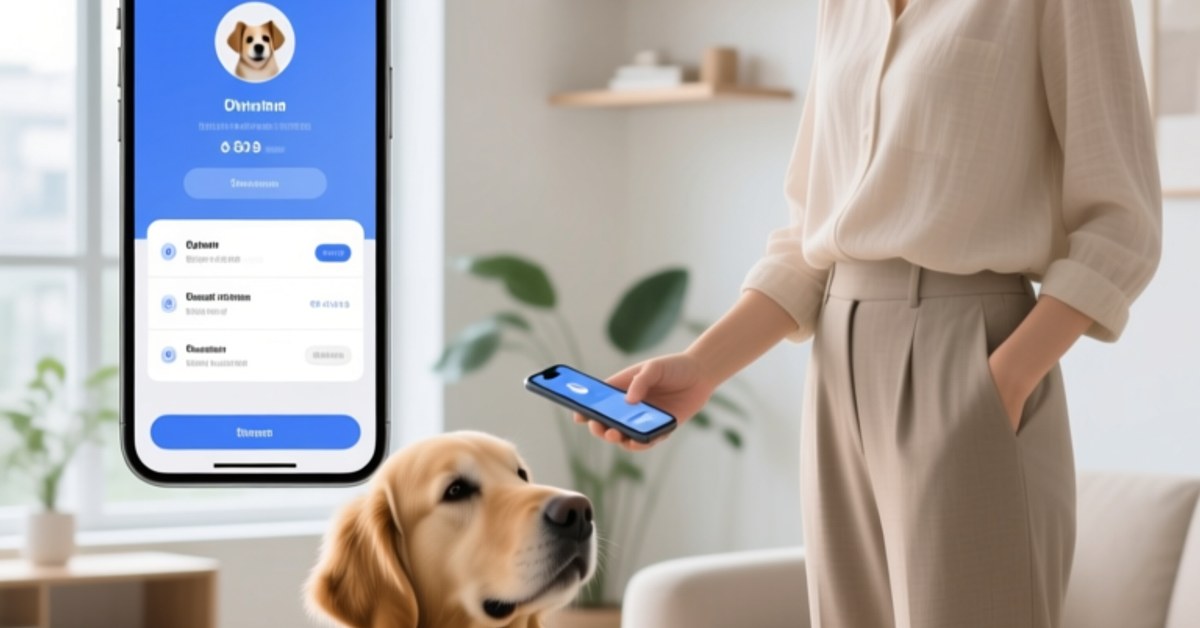
- Noodprofiel bekijken: De link opent een beveiligde huisdierprofielpagina waarop de naam van het dier wordt weergegeven, contactgegevens van de eigenaar (aanmelden), medische behoeften, en een knop ‘eigenaar bellen’.
- Onmiddellijke verbinding: De vinder kan de eigenaar bellen of een bericht sturen zonder privénummers prijs te geven, dankzij dynamische maskering of relaisdiensten.
- Locatie delen: Sommige geavanceerde tags registreren de GPS-coördinaten van de kraan (indien ingestemd) en stuur een waarschuwing naar de eigenaar met de geschatte locatie van de vinder.
- Hereniging: De eigenaar en vinder regelen een veilige ontmoeting, vaak binnen enkele minuten na de scan.
Omdat NFC-tags kunnen worden geprogrammeerd met dynamische URL's, eigenaren kunnen hun contactgegevens direct bijwerken via een webdashboard. Als een telefoonnummer verandert terwijl er een huisdier vermist is, het profiel blijft actueel – een aanzienlijk voordeel ten opzichte van gegraveerde metalen tags.
Integratie van huisdiergezondheidsgegevens via NFC
Modern huisdierbezit vereist meer dan alleen identificatie. Veterinaire klinieken, trimmers, en huisdieroppassers hebben snelle toegang tot vaccinatiegegevens nodig, allergieën, en medicatieschema's. NFC-wearables voor huisdieren dienen als toegangspoort tot deze informatie.
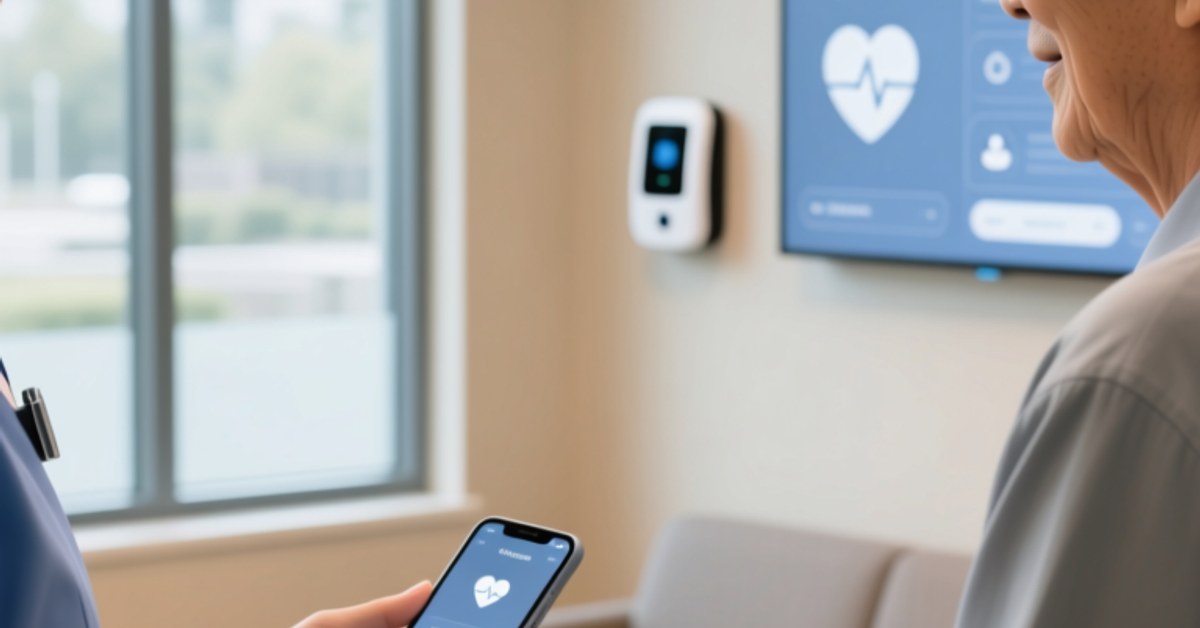
Wanneer een dierenarts op een NFC-compatibele halsband tikt, ze kunnen naar een HIPAA-achtig beveiligd portaal worden gebracht (in menselijke termen, AVG/AVMA-compatibel) met de volledige medische tijdlijn van het huisdier. Dit is vooral waardevol in noodsituaties, bijvoorbeeld, onmiddellijk op de hoogte zijn van de allergie van een huisdier voor een veelgebruikt antibioticum. Huisdiereigenaren kunnen in de tijd beperkte toegang verlenen tot klinieken of kennels, en familieleden kunnen één digitale gezondheidskaart voor hetzelfde dier delen.
Voor zorgverleners in huisdieren, dit vermindert de administratieve rompslomp en minimaliseert behandelingsfouten. Voor productontwerpers, het betekent dat het NFC-taggeheugen veilige tokens of UUID's moet bevatten die zijn gekoppeld aan cloudgebaseerde EMR's (Elektronische medische dossiers) in plaats van gevoelige gegevens rechtstreeks op de tag op te slaan.
Overwegingen bij productontwerp voor slimme halsbanden voor huisdieren
Het bouwen van een betrouwbaar draagbaar NFC-huisdier vereist doordachte hardwarekeuzes. Dierenmerken en OEM's moeten de volgende aspecten zorgvuldig evalueren:
Vormfactor en duurzaamheid
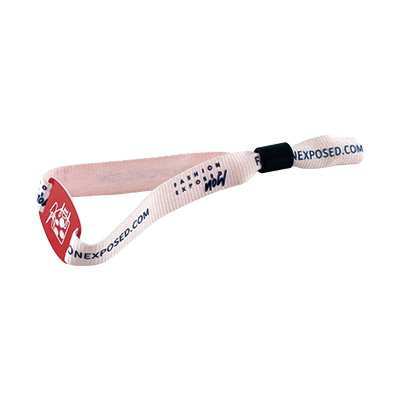
- Bevestigingsmethode: NFC-tags kunnen rechtstreeks in siliconenpolsbandjes worden ingebed (zoals die van RFIDHY), genaaid in nylonband, of gehuisvest in waterbestendige hangers. Siliconen NFC-polsbandjes aangepast voor halsbanden voor huisdieren zorgen voor schokabsorptie en kauwweerstand.
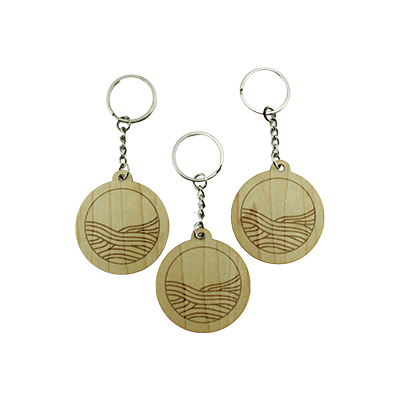
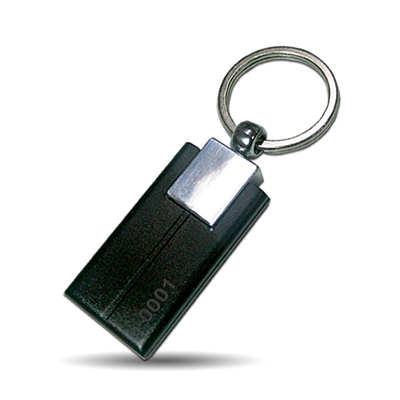
- Bescherming tegen binnendringen: Tags moeten minimaal een IP67-classificatie behalen. Ntag-serie NFC-inlays ingekapseld in epoxy of ABS-plastic zijn bestand tegen regen, zwemmen, en ruig spel.
- Maat: Kleine vormfactoren (Bijv., 25mm-schijven of 35×5 mm flex-inlays) geschikt voor katten en speelgoedrassen zonder overmatig gewicht toe te voegen.
Chipselectie en geheugen
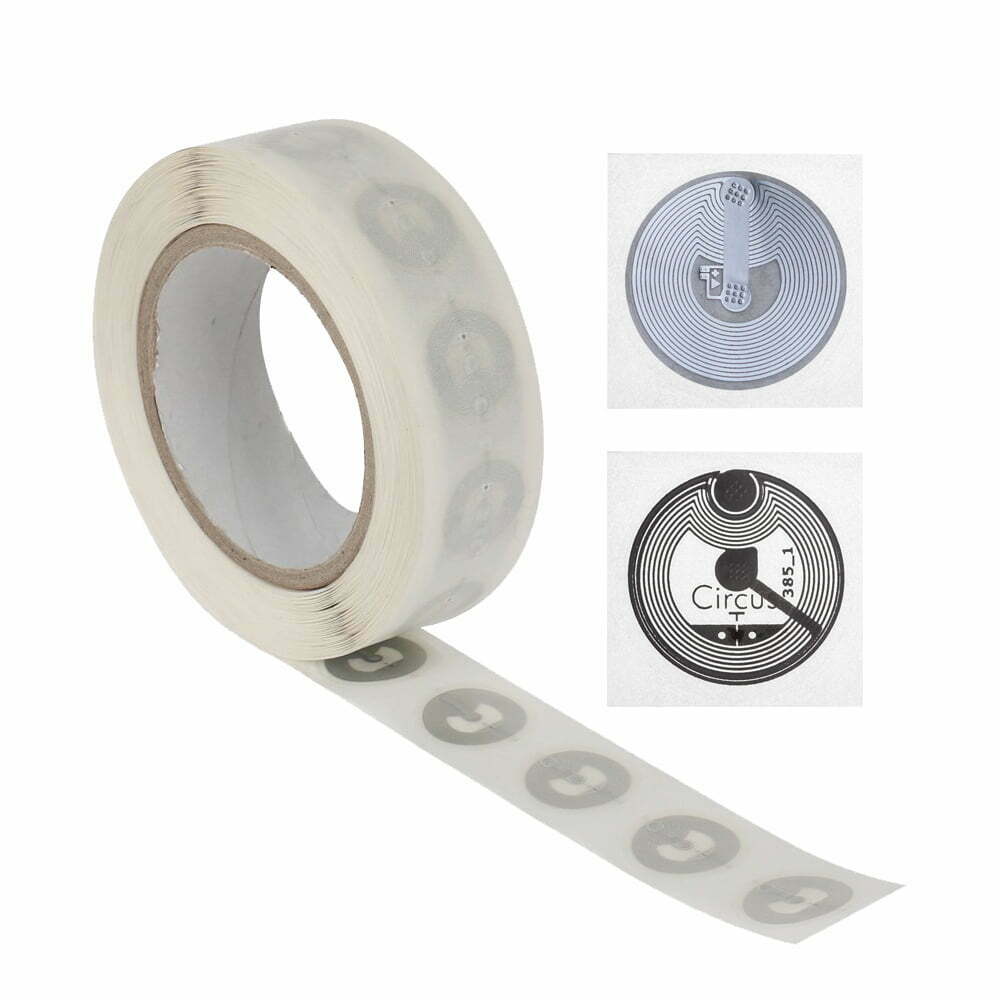
NFC-forumtype 2 labels (NTAG216, Bijvoorbeeld) met 888 bytes gebruikersgeheugen zijn een populaire basislijn. Ze bieden voldoende ruimte voor een URL plus een unieke identificatie. Voor integratie van medische dossiers, implementeer een tag-UUID die linkt naar een clouddatabase, waardoor de taggegevens minimaal en veilig blijven.
Milieucompatibiliteit
Huisdieren krabben, beet, en wrijf tegen oppervlakken. Anti-metalen NFC-tags (verkrijgbaar vanaf RFIDTAGHY) kan zonder ontstemming op metalen D-ringen worden gemonteerd. Voor stoffen halsbanden, NFC natte inlays of flexibele droge inlays van NFCWORK kan tijdens de productie worden genaaid, het creëren van een naadloze slimme halsband.
Gebruikerservaring
De tag moet zichtbare NFC-iconografie bevatten, zodat vinders de tikactie onmiddellijk begrijpen. Een back-up van een QR-code die op de tag is afgedrukt, kan niet-NFC-telefoongebruikers omleiden naar dezelfde profiel-URL. De leesafstand van de NFC-tag moet worden geoptimaliseerd voor tikken met dichtbij contact (1–3 cm) om onbedoelde triggers te voorkomen.
De weg vooruit: NFC en het Connected Pet Ecosystem
Naarmate wearables voor huisdieren evolueren, NFC zal dienen als brug tussen fysieke identiteit en digitale diensten. Stel je eens voor dat voerstations het voedingsprofiel van een huisdier herkennen via NFC, of hondenluiken die de toegangstijden registreren. Slimme steden zouden meldingen over verloren huisdieren kunnen integreren met gemeentelijke NFC-netwerken. Voor vooruitstrevende dierenmerken en dierenartspraktijken, Door NFC toe te passen wordt nu de basis gelegd voor toekomstige interoperabiliteit.
Door het combineren van robuuste NFC-inlays van RFIDHY en veelzijdige NFC-tagformaten van NFCWORK, productontwikkelaars kunnen slimme halsbanden op de markt brengen die niet alleen functioneel zijn, maar ook emotioneel resoneren, waardoor elke smartphone een potentieel herenigingsinstrument wordt.
Veelgestelde vragen
Hebben NFC-huisdiertags batterijen nodig??
Nee. NFC-tags zijn passieve apparaten die energie oogsten uit het elektromagnetische veld van de leessmartphone. Ze hebben geen batterij en gaan jaren mee, vaak een decennium of langer met de juiste inkapseling.
Kunnen NFC-huisdiertags worden gebruikt naast een microchip??
Absoluut. Ze vervullen complementaire rollen. Een microchip is permanent en vereist een kliniekscanner; een NFC-tag biedt directe smartphonetoegang. Als u beide gebruikt, heeft uw huisdier de grootste kans om snel terug te keren.
Zijn de persoonlijke gegevens van mijn huisdier veilig op een NFC-tag??
Moderne implementaties slaan alleen een unieke ID of URL op de tag op, geen persoonlijke informatie. De daadwerkelijke gegevens bevinden zich in een beveiligd cloudaccount dat u beheert. U kunt kiezen welke gegevens voor verschillende mensen zichtbaar zijn en de toegang op elk gewenst moment intrekken.
Is de NFC-tag bestand tegen water en ruig spel??
Bij gebruik van industriële NFC-tags zoals die van RFIDHY, ingekapseld in duurzame materialen, de tags zijn waterdicht (IP67+), schokbestendig, en ontworpen voor gebruik buitenshuis. Siliconen NFC-polsbandjes aangepast voor halsbanden zijn bijzonder robuust.
Wat gebeurt er als iemand mijn huisdier vindt, maar geen smartphone heeft??
Veel NFC-huisdierentags bevatten ook een afgedrukte QR-code en een korte URL op de tag. Iedereen met een cameratelefoon of internettoegang kan de code scannen of de link typen om naar het profiel van uw huisdier te gaan en contact met u op te nemen.
Hoe update ik mijn contactgegevens gekoppeld aan de NFC-tag?
U kunt inloggen op een cloudgebaseerde profielbeheerder (geleverd door de fabrikant of dienst van de tag) en bewerk uw informatie in realtime. De NFC-tag zelf hoeft nooit opnieuw te worden geprogrammeerd; het verwijst eenvoudigweg naar het laatste online record.
Wilt u NFC-identiteit integreren in uw huisdierproductlijn of veterinaire workflow? NFCWORK En RFIDHY leveren een compleet assortiment duurzame NFC-tags, inleg, en op maat gemaakte slimme wearables die zijn afgestemd op diertoepassingen. Bezoek onze Slimme draagbare identificatie oplossingspagina om vooraf ontworpen opties te verkennen, of neem contact met ons op om aangepaste vormfactoren en volumeproductie te bespreken.