De verschuiving naar één werkplekreferentie
Bedrijfsfaciliteiten en IT-leiders staan onder druk om de manier waarop werknemers gebouwen betreden te vereenvoudigen, gebruik gedeelde diensten, en de werkdag doorkomen. Traditionele opstellingen vereisen vaak meerdere inloggegevens: een proximity-kaart voor deuren, een papieren bezoekerspas, een aparte ID voor afdrukken, en nog een kaart voor cafetariabetaling. Deze fragmentatie leidt tot administratieve overhead- en veiligheidslacunes.
Een NFC-medewerkersbadge consolideert deze functies in één contactloze referentie. Gebouwd op HF/NFC-technologie, de badge werkt met moderne toegangslezers, bezoekersbeheersystemen, tijd- en aanwezigheidsterminals, en veel werkplekdiensten. Omdat het kan worden gelezen via NFC smartphones evenals vaste lezers, het opent ook mogelijkheden voor digitale onboarding, tijdelijke activatie van legitimatie, en tap-to-share identiteitsworkflows.
Voor inkoop- en operationele teams, een enkele slimme ID-kaarttoegang programma kan de heruitgifte terugdringen, vereenvoudig de onboarding van aannemers, en verbeter de werknemerservaring zonder dat een volledige revisie van bestaand deurbeslag nodig is. Tegelijkertijd, het kiezen van de juiste badgeconstructie, chip-platform, coderingsmethode, en het integratiepad bepaalt of de implementatie veilig en schaalbaar blijft.
Hoe NFC-werknemersbadges werken in moderne toegangscontrole
NFC-werknemersbadges werken doorgaans op 13.56 MHz en voldoen aan ISO 14443 of ISO 15693 normen. Ze bevatten een passief geïntegreerd circuit en een antenne ingebed in een PVC, composiet, of polycarbonaat kaartbehuizing. Wanneer gepresenteerd aan een NFC-lezer of een moderne smartphone, de badge haalt energie uit het leesveld en wisselt gecodeerde of gewone gegevens uit, afhankelijk van de chip en systeemconfiguratie.
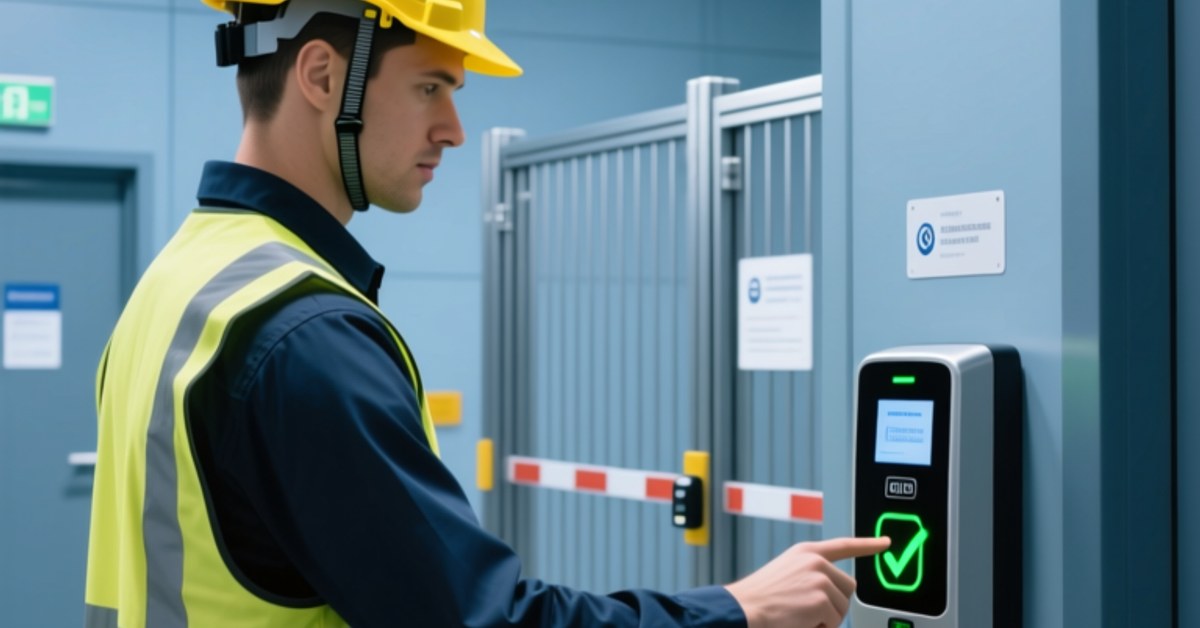
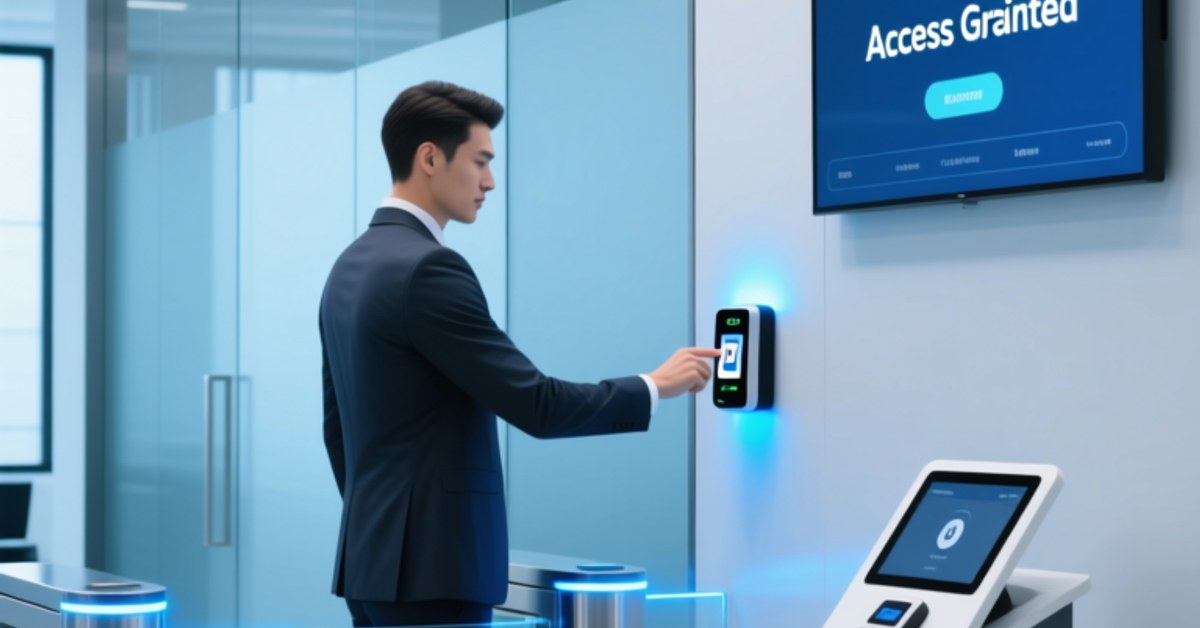
In kantooromgevingen, wandgemonteerde lezers bij deuren, tourniquets, liften, en parkeerpoorten kunnen worden geïntegreerd met het fysieke toegangscontrolesysteem. Een vaste RFID-lezer of NFC-lezerpaneel stuurt de badge-identificatie naar de controller, die de toegang valideert op basis van schema's, zones, en vrijgaveniveaus. Dezelfde badge kan wederzijdse authenticatie en gediversifieerde sleutels ondersteunen om klonen te voorkomen.
Gewoon toegangscontrole kantoor NFC integratiepunten omvatten:
- Deurlezers in lobby's, kantoren, en beperkte verdiepingen
- Tourniquets en speedgates bij ingangen van de campus
- Bedieningspanelen voor liftbestemmingen voor beperkingen op vloerniveau
- Parkeerbarrières voor toegang voor voertuigen
- Serverruimte- en datacenterdeuren met multifactoriële vereisten
Integratie van toegangscontrole zonder de bestaande infrastructuur te vervangen
Een veel voorkomende zorg is of het inzetten van NFC-badges een vervanging van de lezer op grote schaal afdwingt. In veel gevallen, dat is niet het geval. Veel bestaande 13.56 MHz-lezers ondersteunen al MIFARE DESFire, MIFARE Klassiek, of andere NFC-compatibele chips. Als het huidige toegangssysteem oudere lage frequenties gebruikt 125 kHz proximity-kaarten, Mogelijk is een gefaseerde migratie vereist, maar die migratie kan worden gepland door eerst NFC-compatibele lezers aan kritische deuren toe te voegen.
Integratie wordt vaak afgehandeld via de API van de PACS-leverancier of standaardprotocollen. De toegangscontrolesoftware slaat het serienummer van de kaart of de applicatie-ID op en koppelt dit aan een werknemersrecord. Wanneer een medewerkersbadge wordt getoond, het systeem controleert de machtigingen. Voor organisaties met meerdere gebouwen of gemengde lezersvloten, het centraliseren van de identiteit in één directory vereenvoudigt het beheer van de badgelevenscyclus.
Interne bronnen kunnen teams helpen opties te evalueren: beoordeling NFC-kaarten en tags En slimme werkplekoplossingen voordat u een identificatieformaat selecteert.
Voordelen van batterijloos badgeontwerp
Een belangrijk voordeel van NFC-medewerkersbadges is dat ze passief en batterijloos zijn. In tegenstelling tot actief RFID-tags of badges met Bluetooth waarvoor batterijen nodig zijn, NFC smart ID-kaarten vereisen geen interne voedingsbron. Dit heeft directe operationele voordelen:
- Lagere totale eigendomskosten: Geen vervanging van de batterij, oplaaddocks, of weggegooide batterijen.
- Langere levensduur: De badge blijft functioneel zolang de chip en antenne fysiek intact zijn.
- Geen onverwachte mislukkingen: Een badge op batterijen kan het begeven aan de deur; een passieve badge werkt zolang de lezer van stroom wordt voorzien.
- Slanke en duurzame vormfactor: Batterijloze kaarten kunnen dun zijn, afdrukbaar, en compatibel met bestaande ID-badgehouders.
- Makkelijker verduurzamen: Minder verbruiksartikelen en minder elektronisch afval ondersteunen de duurzaamheidsdoelstellingen van bedrijven.
Voor gebouwbeheerders, batterijloze badges betekenen ook minder helpdesktickets vanwege dode inloggegevens. De betrouwbaarheid van passieve NFC-technologie maakt het geschikt voor medewerkersingangen met veel verkeer en voor aannemersbadges die wekenlang ongebruikt blijven.
>
| Vermogen | Batterijloze NFC-badge | Actieve badge op batterijen |
|---|---|---|
| Stroombron | Lezer veld | Interne batterij |
| Onderhoudslast | Minimaal | Batterij vervangen of opladen |
| Typisch leesbereik | Contactloos, kort tot middellang | Kan een groter bereik zijn |
| Beste pasvorm | Toegang tot de deur, medewerker-ID, bezoeker passeert | Locatietracking over lange afstand of realtime detectie |
Kaartmaterialen en vormfactor voor werknemersbadges
Facilitaire teams zien vaak het fysieke ontwerp van de badge over het hoofd. Voor dagelijks gebruik, kies kaartlichamen die bestand zijn tegen veelvuldig gebruik, gebruik van een koord, en incidentele blootstelling aan vocht of hitte. PVC, HUISDIER, en polycarbonaat composietkaarten zijn gebruikelijk. Voor vanglijnen kan een sleufpons of clipbevestiging nodig zijn. Voor aannemersomgevingen, duurzame composietcarrosserieën kunnen de vervangingspercentages verlagen.
Als dezelfde identificatie wordt gebruikt voor afdrukken of visuele ID, Zorg ervoor dat het kaartoppervlak afdrukken van hoge kwaliteit ondersteunt. Veel organisaties combineren NFC -chips met personeelsfoto's, afdelingen, en contactgegevens voor noodgevallen. Er moet vroegtijdig een voorbedrukt of intern personalisatieproces worden gedefinieerd, omdat dit van invloed is op de keuze van het kaartmateriaal en de printerverbruiksartikelen.
Smartphones gebruiken als aanvullende referentie
Omdat NFC-badges zijn gebouwd op dezelfde technologie als veel NFC-badges smartphones, organisaties hebben opties om hun identiteit uit te breiden naar portemonnees voor mobiele toegang. Een op badges gebaseerd programma vereist niet onmiddellijk de overstap naar telefoons, maar het onderliggende identificatieformaat kan indien gewenst worden geselecteerd om toekomstige mobiele toegang te ondersteunen. Voor toegang tot faciliteiten waar medewerkers hun telefoon al bij zich hebben, dit kan de badge-afhankelijkheid verminderen. Echter, fysieke badges blijven belangrijk voor bezoekers, aannemers, gebieden waar telefoons niet zijn toegestaan, en als een zichtbaar identificeerbare referentie.
Deze hybride aanpak wordt in meer detail besproken op de NFC-compatibele smartphone pagina.
Bezoekers- en aannemersbeheer
Het bezoekers- en aannemersbeheer blijft een van de zwakste punten in veel kantoorbeveiligingsprogramma's. Papieren bezoekerslogboeken, handgeschreven insignes, en handmatige escorts zijn moeilijk te controleren en moeilijk op te schalen over een campus. Een NFC-medewerkersbadgeprogramma kan worden uitgebreid tot tijdelijke inloggegevens voor bezoekers, verkopers, en aannemers. Wanneer beheer van bezoekersbadges is volledig digitaal, Frontdeskteams kunnen passen uitgeven en intrekken zonder handmatige logboeken.
Het inchecken van bezoekers stroomlijnen met NFC-badges
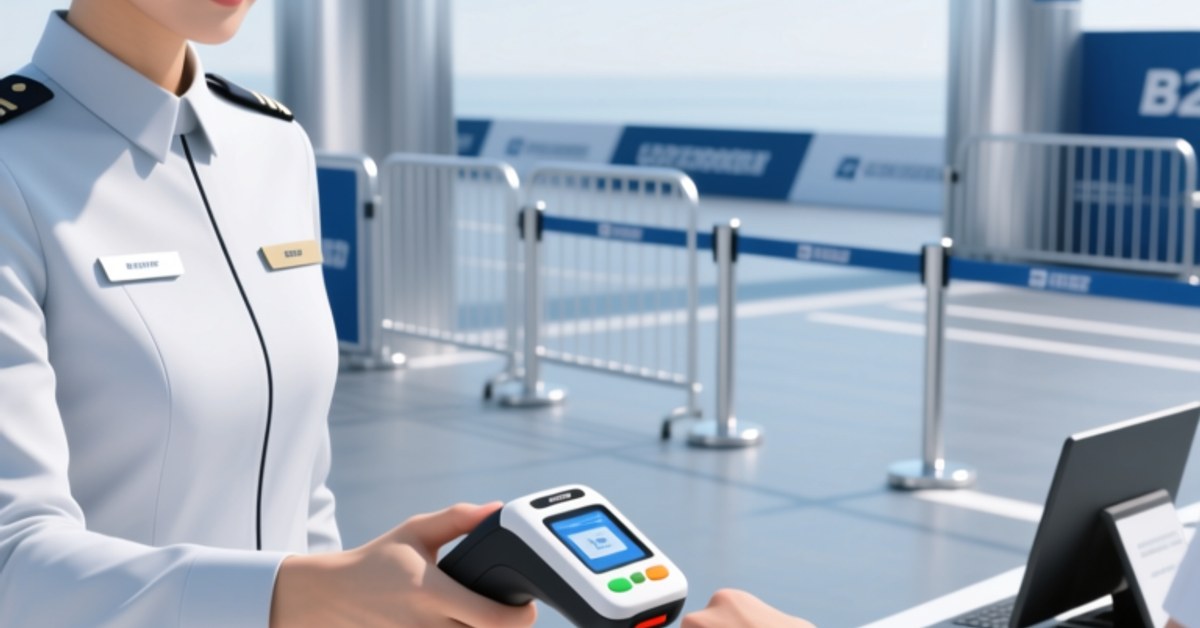
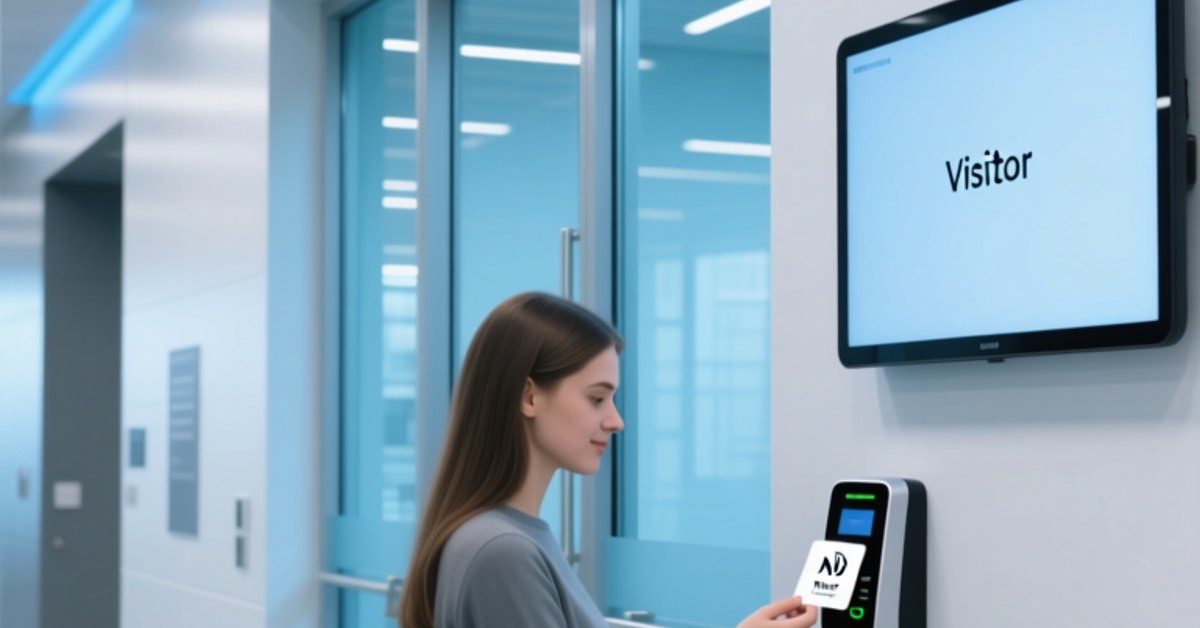
Een bezoekersbeheersysteem kan gebruik maken van een desktop RFID-lezer of NFC-lezer bij de receptie om een tijdelijke badge te coderen wanneer een bezoeker arriveert. Pre-registratiegegevens uit het bezoekersbeheersysteem kunnen worden gekoppeld aan een badgeserienummer, waardoor het receptiepersoneel binnen enkele seconden een badge kan uitgeven. Er kan met dezelfde badge worden geprogrammeerd:
- Geldige in- en uitstaptijdvensters
- Toegang tot specifieke verdiepingen, vergaderzalen, en gedeelde ruimtes
- Gastheer-medewerker notificatie bij aankomst van de bezoeker
- Automatische vervaldatum aan het einde van het bezoek
Omdat de badge passief is, bezoekers kunnen het niet per ongeluk uitschakelen door Bluetooth uit te schakelen of door een lege batterij. De bezoeker presenteert eenvoudigweg de kaart bij aangewezen lezers. Aan het eind van de dag, de badge keert terug naar de receptiepool of wordt definitief gedeactiveerd voor eenmalige bezoekers.
Aannemer en Tijdelijke Toegangscontrole
Aannemers hebben vaak een bredere toegang nodig dan eenmalige bezoekers, maar hun toegang moet nog steeds beperkt zijn, herroepbaar, en controleerbaar. Een NFC-badge voor meerdere toepassingen voor aannemers kan aangewezen zones bevatten, tijdsbeperkingen, en veiligheids- of nalevingsstatus. Als een opdracht van opdrachtnemer eindigt, het identiteitsbewijs kan centraal worden ingetrokken, en de badge geeft geen toegang meer.
Voor facilitaire teams, Door dezelfde identificatie-infrastructuur te gebruiken voor werknemers en contractanten is het minder nodig om een apart tijdelijk badgesysteem te onderhouden. Het creëert ook een consistent audittraject. Wanneer een onderaannemer zich verplaatst tussen verdiepingen of projectgebieden, het toegangsbeleid volgt de badge.
Badge voor meerdere toepassingen: Eén kaart, Veel toepassingen
De hoogste waarde van een NFC-werknemersbadge komt wanneer deze wordt behandeld als een identiteitsbewijs voor meerdere toepassingen in plaats van alleen als een deursleutel. Facilitaire en IT-managers kunnen stapsgewijs werkplekservices toevoegen nadat de basis voor toegangscontrole stabiel is.
Typische toepassingen voor meerdere toepassingen zijn onder meer:
>
| Werkplekdienst | Gebruikscase voor NFC-badges |
|---|---|
| Fysieke toegang | Deuren, tourniquets, liften, parkeren |
| Tijd en aanwezigheid | Tap-in/tap-out-terminals op werkplekken |
| Logische toegang | PC-aanmelding, VPN, printervrijgave indien gekoppeld met PKI of SSO |
| Cafetaria en verkoopautomaten | Contante betaling of saldo van maaltijdplan |
| Vergaderzalen | Boekingsbevestiging en inchecken via het kamerpaneel |
| EV-opladen | Authenticatie van medewerkers bij laadstations |
In de praktijk, Eén kaart en veel toepassingen vereisen een nauwe coördinatie tussen de gebouwdiensten, beveiliging, en IT. Een gemeenschappelijke architectuur gebruikt het PACS als de gezaghebbende bron voor deurtoegang en als identiteitsbeheerplatform voor andere diensten. De badgechip kan meerdere toepassingen bevatten, maar het back-endsysteem bepaalt wat elke service kan doen. Hierdoor blijft de intrekking gecentraliseerd: als een medewerker vertrekt, alle diensten stoppen in één keer.
Voor organisaties met tijdelijke of uitbestede arbeidskrachten, een badge voor meerdere toepassingen kan ook worden uitgegeven als contractreferentie met beperkte functionaliteit. Bijvoorbeeld, een horeca-aannemer kan tijdens bepaalde uren toegang krijgen tot dienstliften en een specifieke verdieping, plus contante betaling in de cafetaria, indien toegestaan. Dezelfde badge geeft geen ongerelateerde toegang tot gebouwen.
Implementatieoverwegingen voor faciliteiten en IT-teams
Een succesvolle uitrol van een NFC-badge voor medewerkers is meer dan het selecteren van een kaart en een lezer. Het vereist afstemming binnen de beveiliging, faciliteiten, HR, en IT. De volgende overwegingen helpen het risico te verminderen en herbewerking te voorkomen.
1. Definieer referentietechnologie en beveiligingsvereisten
Kies een NFC-chip platform dat uw huidige of toekomstige lezers ondersteunen. Veel voorkomende overwegingen zijn onder meer de grootte van het chipgeheugen, ondersteuning voor encryptie, en of de badge alleen een serienummer of aanvullende gegevens zoals een digitale kantoorreferentie opslaat. Voor hoogbeveiligde faciliteiten, selecteer chips die wederzijdse authenticatie en gediversifieerde sleutels ondersteunen in plaats van alleen op het serienummer van de kaart te vertrouwen.
2. Plan inschrijvings- en coderingsworkflows
Personalisatie kan intern worden uitgevoerd met een desktop RFID-lezer en badgeprintsoftware, of via een vooraf gecodeerde badgeservice. Bij gebruik van een extern bureau, definiëren hoe werknemersgegevens worden overgedragen, hoe kaartserienummers in het toegangssysteem worden geïmporteerd, en hoe de kwaliteitscontrole wordt geverifieerd. Voor bezoekers- en aannemersbadges, zorg ervoor dat de receptie eenvoudig is, herhaalbaar coderingsproces.
3. Pilot vóór volledige uitrol
Begin met één gebouw, één verdieping, of een kleine groep medewerkers. Valideer de prestaties van de lezer, badge-oriëntatie, lanyard- en houdereffecten, en systeemlatentie. Een pilot helpt ook bij het identificeren van randgevallen, zoals lezers met dubbele technologie, poort toegang, en liftintegratie. Gebruik de pilot om het interne trainingsmateriaal te verfijnen voordat u het over de campus uitbreidt.
4. Intrekking en levenscyclusbeheer tot stand brengen
Verloren of gestolen badges moeten onmiddellijk worden ingetrokken. Met toegangscontrolesoftware moeten HR- of beveiligingsteams een badge kunnen uitschakelen en een vervangende badge kunnen uitgeven zonder dat dit gevolgen heeft voor andere services. Een duidelijke levenscyclus van referenties: verzoek, goedkeuren, coderen, toewijzen, opschorten, vernieuwen, intrekken: houdt het systeem controleerbaar en vermindert het aantal weesaccounts.
5. Ga in op privacy en communicatie met medewerkers
Omdat NFC-badges meerdere services kunnen ondersteunen, wees transparant over welke gegevens worden opgeslagen en hoe deze worden gebruikt. Geef aan of de badge alleen een identificatiemiddel of aanvullende persoonlijke gegevens opslaat. Voor locaties waar werknemers zich mogelijk zorgen maken over interacties tussen tikken en smartphones, verduidelijken dat NFC-werknemersbadges geen gegevens verzenden tenzij ze aan een lezer worden gepresenteerd.
6. Voorkom veelvoorkomende implementatiefouten
Verschillende problemen kunnen een anderszins solide inzet van NFC-badges doen ontsporen:
- Een lezerssite-enquête overslaan: Bestaande deurcontrollers en lezermodellen ondersteunen mogelijk de geselecteerde NFC-chip niet.
- Het serienummer van de kaart gebruiken als enige veiligheidscontrole: Serienummers kunnen worden gekloond. Gebruik veilige authenticatie als er sprake is van risicovolle gebieden.
- Het coderen van alle applicaties vóór toegangscontrole is stabiel: Het is gemakkelijker om services toe te voegen nadat fysieke toegang betrouwbaar werkt.
- Communicatie met medewerkers verwaarlozen: Verwarring over hoe en waar de badge moet worden gebruikt, kan de belasting van de helpdesk vergroten.
- Het behandelen van bezoekers- en aannemersbadges als een bijzaak: Tijdelijke inloggegevens hebben dezelfde levenscycluscontroles nodig als werknemersbadges.
Het opbouwen van een businesscase voor NFC-werknemersbadges
Facilitaire en IT-managers moeten vaak de migratie van verouderde badges rechtvaardigen. De sterkste argumenten zijn operationele efficiëntie, verbetering van de veiligheid, en lagere levenscycluskosten van referenties. In plaats van zich alleen op de hardwareprijs te concentreren, evalueer de totale kosten over een periode van drie tot vijf jaar. Batterijloze badges maken het vervangen van batterijen overbodig en verminderen het opnieuw uitgeven, en het consolideren van meerdere inloggegevens in één badge vermindert de administratieve complexiteit.
Inclusief een praktische business case:
- Minder ondersteuning aan de bureauzijde voor verloren of kapotte badges
- Snellere bezoekersverwerking bij de receptie
- Betere audittrails voor aannemers en tijdelijke toegang
- Kosten van aparte maaltijd verwijderd, afdrukken, en parkeerkaarten
- Minder handmatige interventies voor offboarding en intrekking van toegang
Van gefragmenteerde inloggegevens naar één Smart ID
Bedrijfskantoren stappen af van afzonderlijke proximity-kaarten, papieren bezoekerspasjes, en badges voor één doel. Een NFC-werknemersbadge biedt een praktische weg naar een eenheid NFC-identiteit op de werkplek dat verbetert de veiligheid, vermindert de administratieve lasten, en ondersteunt de dagelijkse activiteiten, van toegang tot de deur tot de betaling van de lunch. Door te focussen op batterijloos badge-ontwerp, integratie met bestaande toegangscontrole, bezoekers- en aannemersbeheer, en gereedheid voor meerdere toepassingen, facilitaire en IT-managers kunnen een systeem inzetten dat meegroeit met de organisatie.
Veelgestelde vragen
Zijn NFC-werknemerbadges veilig genoeg voor toegang tot het kantoor??
Ja, wanneer geïmplementeerd met encryptie en het juiste toegangsbeleid. Kies badgechips die wederzijdse authenticatie ondersteunen en gebruik een fysiek toegangscontrolesysteem dat gediversifieerde sleutels valideert. Vertrouw niet alleen op serienummers voor gebieden met een hoog beveiligingsniveau.
Werken NFC-badges met bestaande kaartlezers??
Veel moderne 13.56 MHz-lezers ondersteunen al NFC-compatibele badges. Als uw huidige systeem gebruik maakt van legacy 125 kHz proximity-kaarten, Mogelijk is een gefaseerde upgrade van de lezer nodig. Een locatieonderzoek zal compatibiliteitslacunes identificeren.
Kunnen bezoekersbadges automatisch verlopen??
Ja. Tijdelijke badges kunnen worden geprogrammeerd met datum- en tijdbeperkingen. Zodra het toegangsvenster voorbij is, het PACS weigert de toegang, zelfs als de fysieke badge wordt behouden.
Kan één NFC-badge worden gebruikt voor parkeren?, afdrukken, en cafetariabetaling?
Ja. Een NFC-badge voor meerdere toepassingen kan worden gepartitioneerd voor fysieke toegang, tijd en aanwezigheid, logische toegang, en diensten met opgeslagen waarde. Plan de chipgeheugenstructuur vóór de uitrol om toekomstige uitbreidingen te vereenvoudigen.
Wat gebeurt er als een medewerker een badge verliest??
De badge kan onmiddellijk worden ingetrokken in het toegangscontrolesysteem en er kan een vervangende badge worden uitgegeven zonder de fysieke deurbeslag te wijzigen. Dit beschermt de faciliteit tegen ongeoorloofd gebruik zonder andere werknemers te storen.
Moeten batterijloze NFC-badges worden opgeladen??
Nee. Passieve NFC-badges halen stroom uit het leesveld, ze hebben dus geen batterijen of opladen nodig. Dit vermindert het onderhoud en elimineert uitvaltijd door lege batterijen.
Moderniseer uw werkplektoegang met NFC
NFCWORK Technologie helpt bedrijfsfaciliteiten en integrators bij het ontwerpen van praktische NFC-badgeprogramma's voor werknemers, van toegangscontrole tot bezoekersbeheer en identiteit voor meerdere applicaties.
- Begeleiding bij implementatie van een batterijloze slimme ID-kaart
- Lezer, kaart, en ondersteuning voor coderingscompatibiliteit
- Schaalbare workflows voor bezoekers- en aannemersreferenties
Praat met ons team over uw NFC-identiteitsproject op de werkplek of verkennen NFC-producten.