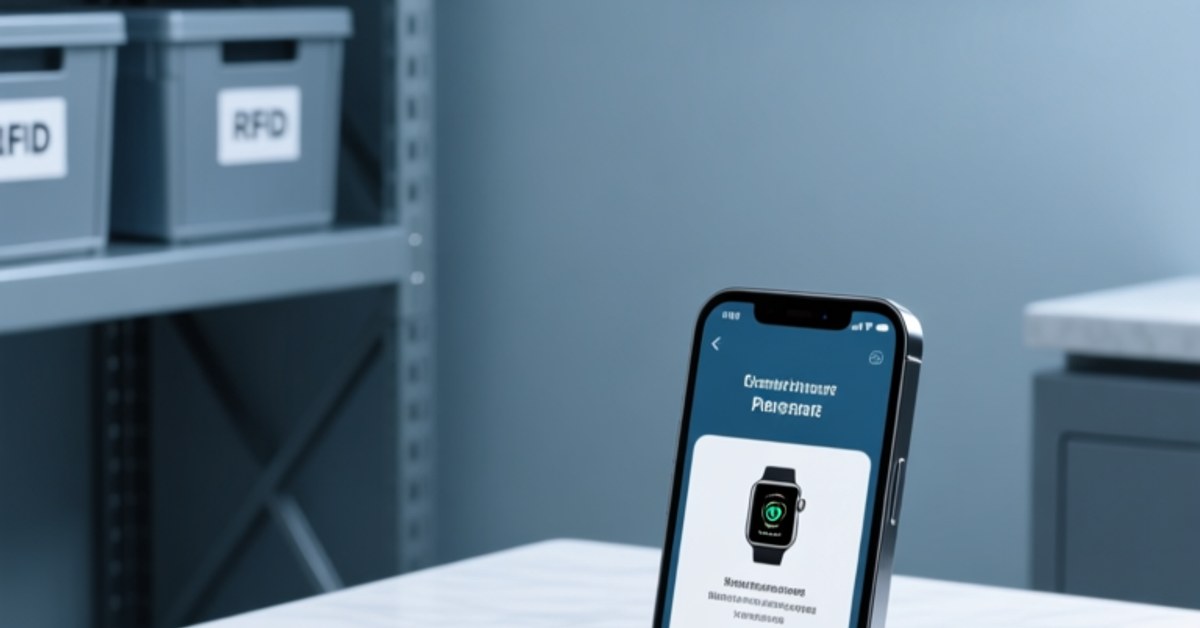
Understanding the Core Differences
NFC (Near Field Communication), RFID (Radio-Frequency Identification), and Bluetooth are wireless communication technologies frequently deployed across enterprise IoT ecosystems. While they share foundational radio principles, their design objectives, operational parameters, and suitability for specific B2B applications differ significantly.
Technical Foundations
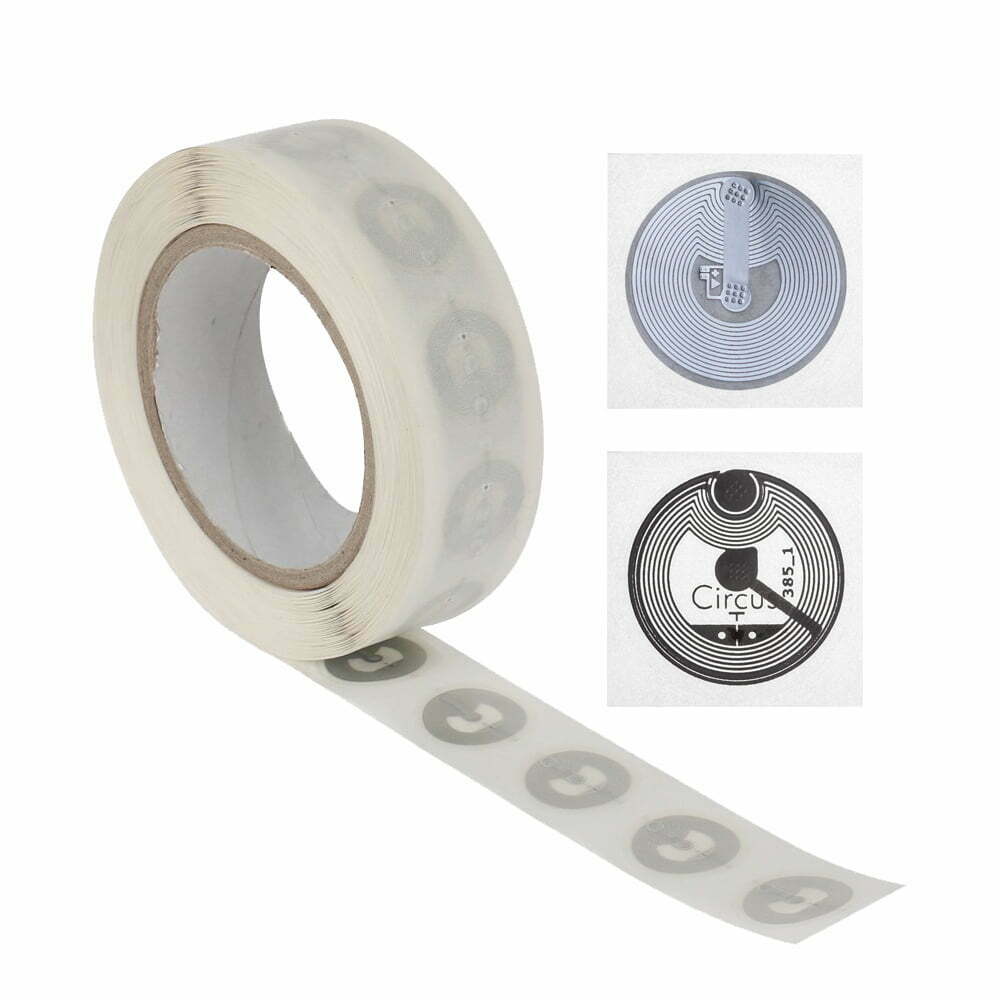
- NFC: A subset of high-frequency (13.56 MHz) RFID, standardized under ISO/IEC 14443 and 18092. Operates at very short range (typically ≤ 10 cm), requires no pairing, supports bidirectional communication, and enables secure element integration for cryptographic operations.
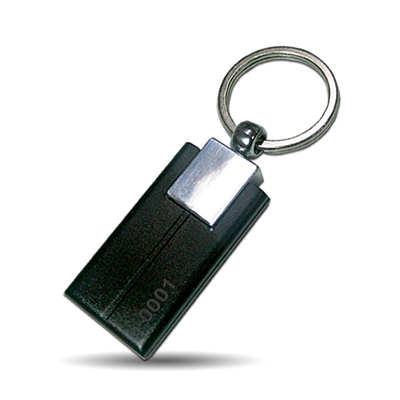
- RFID: Encompasses low-frequency (LF), high-frequency (HF), and ultra-high-frequency (UHF) systems. UHF RFID offers long-range (up to 12+ meters) bulk reading but lacks inherent security and device-level interaction — ideal for logistics tracking, not user-authenticated actions.
- Bluetooth: A general-purpose, medium-range (Class 1: up to 100 m) personal area network (PAN) standard. Designed for continuous, bidirectional data streaming between powered devices — suited for audio or sensor telemetry, not passive, tap-and-go identity verification.
Enterprise Application Alignment
NFC excels where intentional, secure, human-triggered interaction is required:
- Digital Product Passport: Tap-to-view lifecycle data with tamper-evident NDEF records and optional PKI signing via NFC-CA.
- Luxury Items Authentication: Instant, offline verification of genuine articles using embedded NFC tags with encrypted challenge-response protocols.
- Smart Entertainment: Contactless access control, loyalty redemption, and interactive exhibit engagement without app dependency.
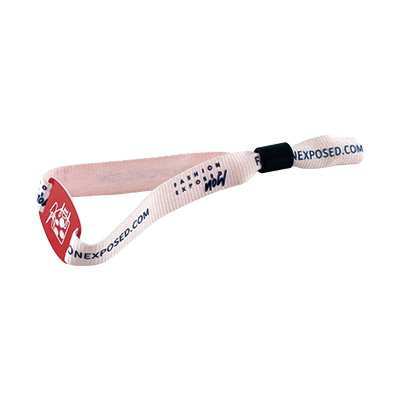
- Smart Wearable Identification: Secure, battery-free wearable credentials for facility access or event check-in — unlike Bluetooth wearables requiring charging and pairing.
Why NFC Stands Out for Trust-Critical Scenarios
Unlike generic Bluetooth or long-range RFID, NFC’s proximity constraint inherently reduces eavesdropping and relay attack risks. Its standardized secure channel support (e.g., Host Card Emulation, ISO/IEC 7816-4 APDUs) enables integration with enterprise identity providers and certificate authorities — a capability neither UHF RFID nor classic Bluetooth provides out-of-the-box. This makes NFC the de facto choice for applications demanding verifiable identity, integrity, and user intent.
FAQ
- Is NFC just a type of RFID? Yes — NFC is a specialized, standardized implementation of HF RFID (13.56 MHz) with added protocols for peer-to-peer communication, reader/writer mode, and card emulation.
- Can NFC replace Bluetooth for all wireless use cases? No. NFC complements Bluetooth: NFC simplifies secure pairing (e.g., tap-to-connect), while Bluetooth handles sustained data transfer. They’re often used together.
- Which technology is best for supply chain asset tracking? UHF RFID — due to its long read range and ability to scan hundreds of items simultaneously in transit.
- Do NFC tags require batteries? Passive NFC tags (the vast majority used in enterprise deployments) operate without batteries, drawing power from the reader field — enabling maintenance-free operation for years.
Need Help Selecting the Right Technology?
Whether you’re implementing a Digital Product Passport system, securing luxury goods, or deploying smart wearable credentials, our engineering team can help you evaluate NFC, RFID, and Bluetooth trade-offs — and design a future-proof, standards-compliant solution.