The Science Behind NFC Authentication
Near Field Communication (NFC) is a subset of high-frequency (HF) RFID operating at 13.56 MHz. Unlike active systems, most NFC tags used for authentication are passive: they contain no battery and draw power entirely from the electromagnetic field generated by an NFC-enabled smartphone or reader via inductive coupling. This energy harvesting enables reliable, contactless interaction within a secure 4 cm range — a physical constraint that doubles as a critical security feature.
The Eight-Step Authentication Journey
True NFC product verification goes far beyond reading a static ID. Here’s what happens during a trusted tap:
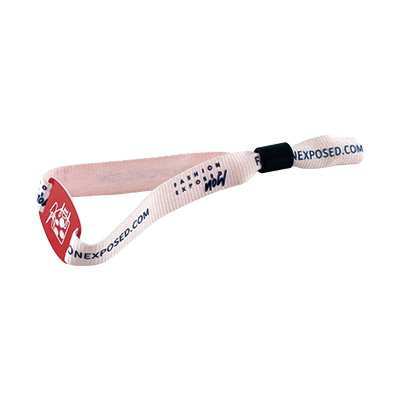
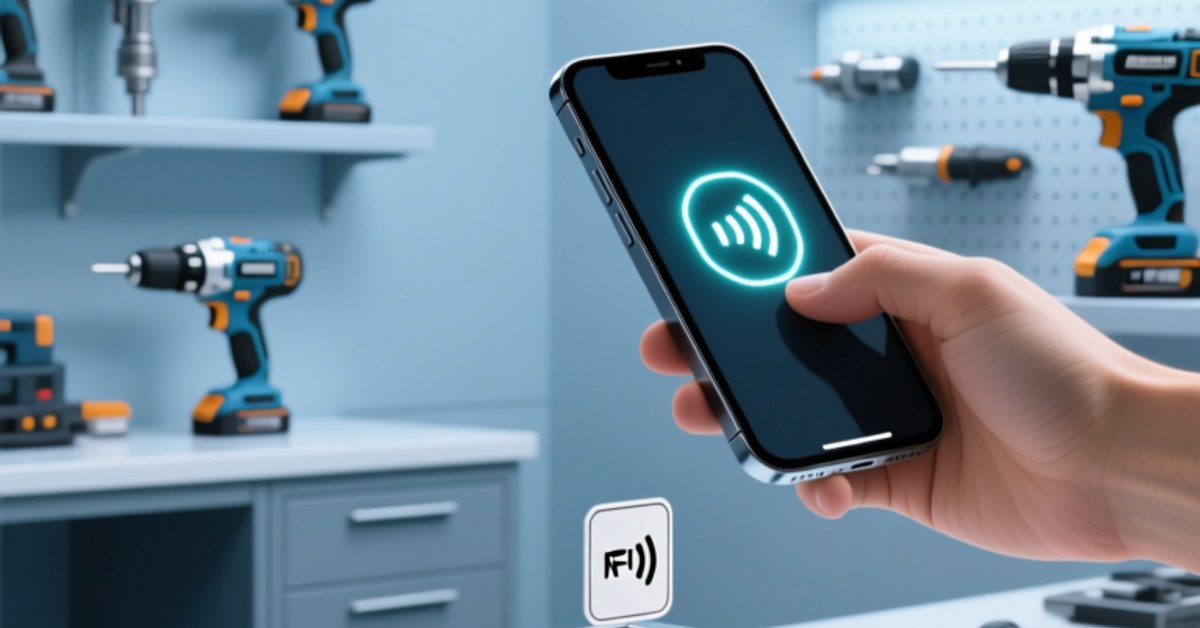
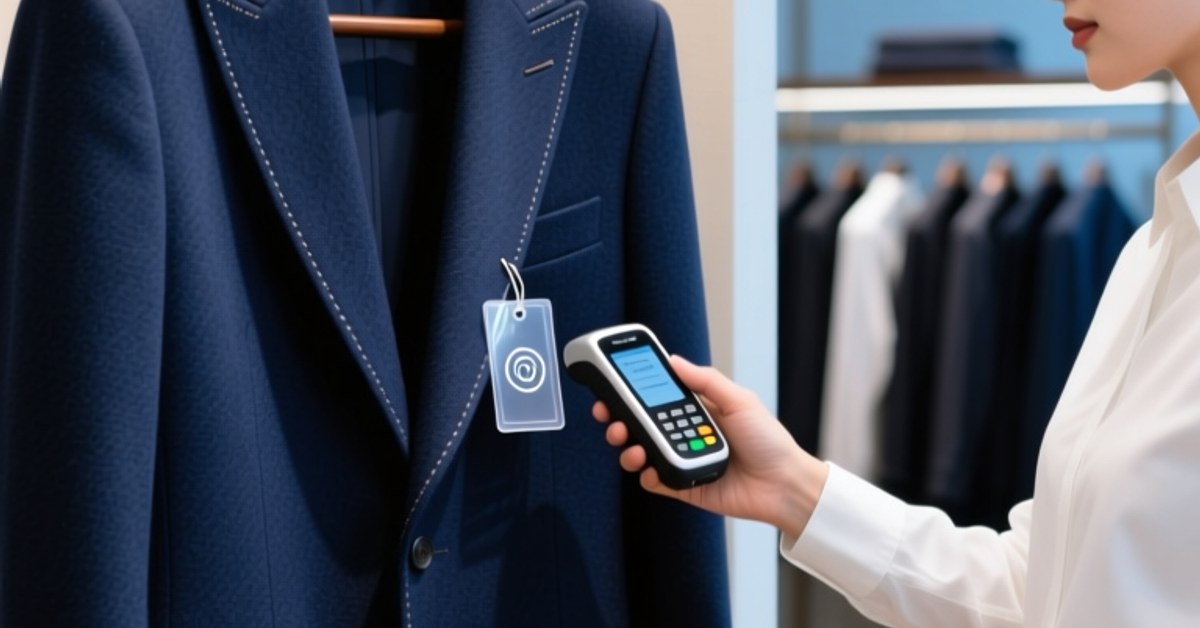
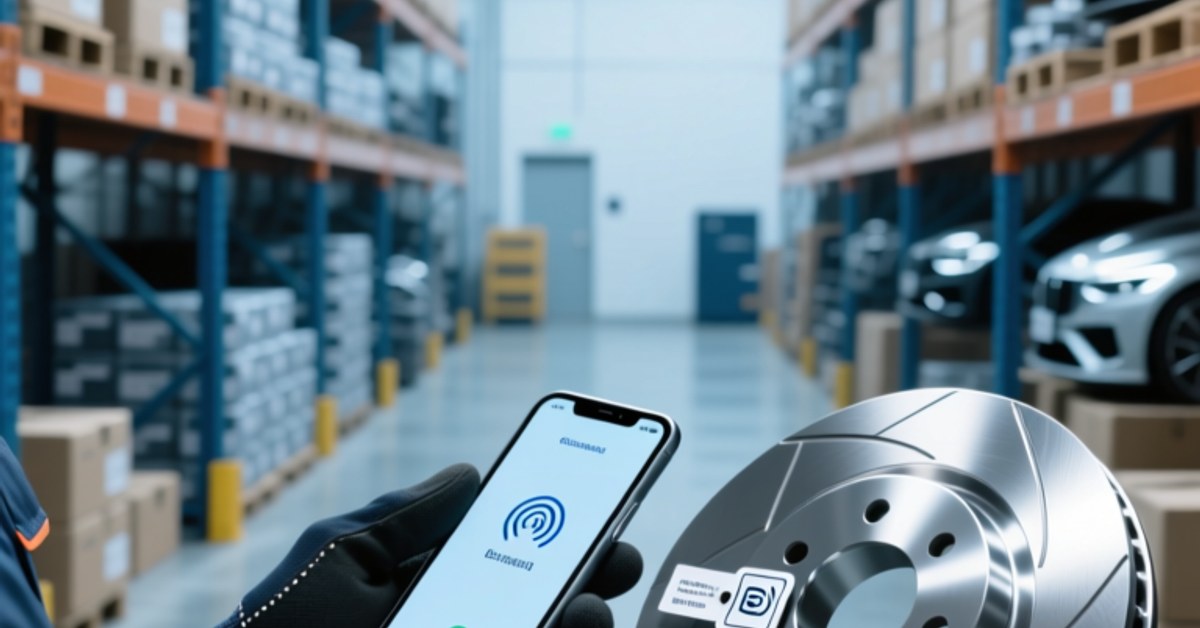
- Step 1: The consumer taps their NFC-enabled smartphone on an NFC tag embedded in a product — such as an NFC silicone wristband or NFC inlay on luxury packaging.
- Step 2: The phone’s antenna emits an RF field, powering the passive tag through electromagnetic induction.
- Step 3: The tag wakes up and transmits its factory-programmed, unclonable 7-byte UID — a foundational layer of identity.
- Step 4: The phone reads encrypted data stored in protected memory pages (e.g., product serial, batch, or digital signature).
- Step 5: The brand’s official app sends a dynamic, time-sensitive challenge to the tag.
- Step 6: The tag computes and returns an AES-128 encrypted response using its unique, embedded cryptographic key — impossible to replicate without hardware-level access.
- Step 7: The app validates the signature either against cloud-stored keys (via secure API) or using on-device cryptographic libraries.
- Step 8: A clear visual result — green checkmark or red warning — appears instantly, empowering the consumer with verified trust.
Chip Technologies That Power Trusted Verification
Different use cases demand different security tiers. At RFIDHY, we supply NFC chips aligned with global anti-counterfeiting standards:
>
| Chip Series | Use Case | Security Features |
|---|---|---|
| NTAG 213 / 215 / 216 | Basic read-only verification (e.g., DPP metadata) | Password protection, write-lock capability |
| NTAG 424 DNA | High-assurance luxury & pharma authentication | AES-128, SUN (Secure Unique NFC) message, NFC counter, tamper-evident antenna |
| ICODE SLI-S / SLI-X | Pallet- or case-level traceability | UID + EPC memory, ISO 15693 compatibility |
| MIFARE DESFire EV3 | Enterprise-grade access & multi-application use | Triple-DES & AES, application isolation, certified Common Criteria EAL5+ |
Why NFC Outperforms QR Codes for Authentication
While QR codes offer convenience, they lack inherent security:
- Passive & power-free: NFC tags require no battery or maintenance — unlike QR-linked web services vulnerable to DNS hijacking or phishing.
- Encrypted & non-copyable: Dynamic signatures (e.g., SUN messages) cannot be screen-captured or cloned — unlike static QR URLs.
- Tamper-evident design: Most NFC inlays include break-detect antennas; physical removal destroys functionality.
- Write-protected memory: Critical fields (UID, keys, counters) are permanently locked at manufacture — preventing unauthorized rewriting.
Real-World Example: Authenticating a Wine Bottle in a Restaurant
A diner taps their phone on an NFC wine label. Within 800 ms: the phone powers the NTAG 424 DNA chip; reads the bottle’s batch ID; issues a random challenge; receives an authenticated SUN response; verifies it against the winery’s cloud registry; and displays “Genuine — Vintage 2022, Château Lafite” — all before the sommelier returns to the table.
Practical Considerations
Range: ~4 cm maximum — limiting interception and ensuring intentional user action.
Compatibility: Over 95% of smartphones shipped since 2018 support NFC (iOS 13+, Android 4.4+).
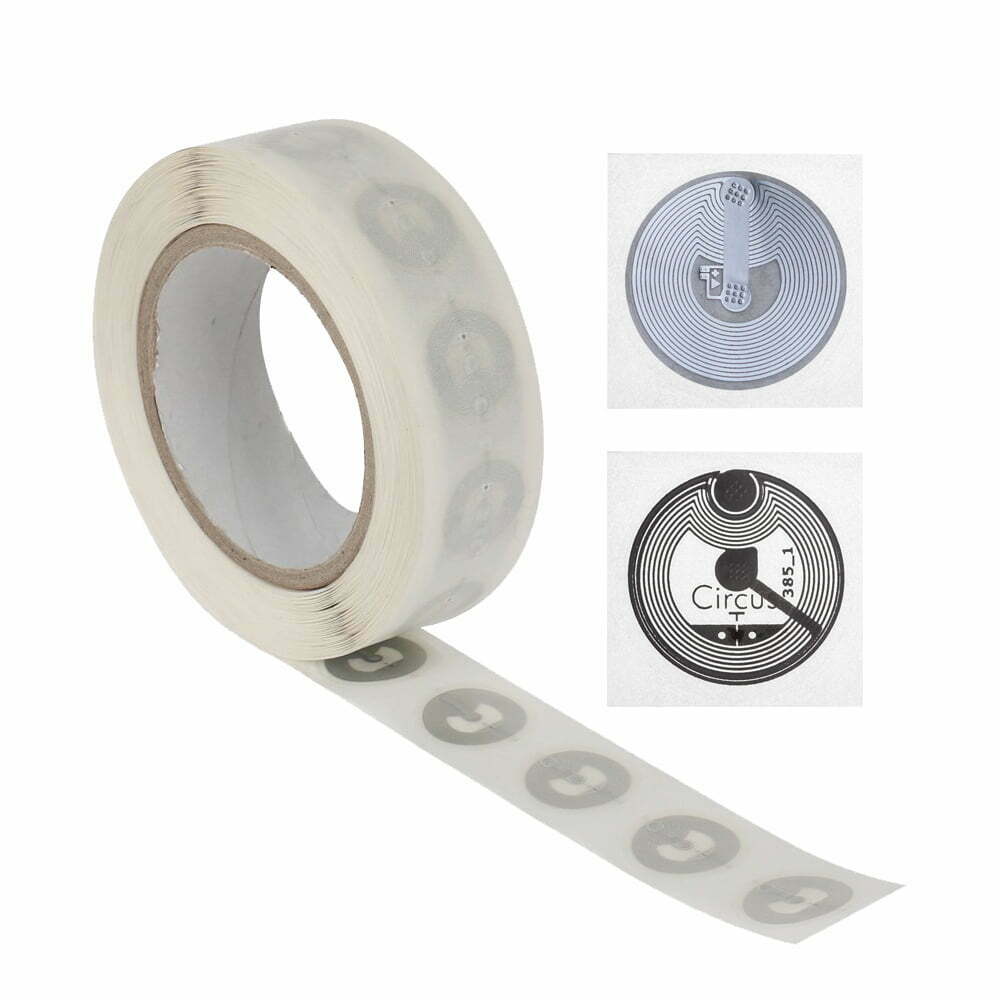
Deployment: NFC tags from NFCWORK integrate seamlessly into labels, inlays, and custom packaging — ready for enterprise-scale rollouts.
FAQ
- Can NFC tags be cloned? Standard UID-only tags can be emulated, but cryptographic NFC chips (e.g., NTAG 424 DNA) resist cloning via AES-128 encryption, SUN messages, and hardware-bound keys — making them ideal for anti-counterfeit applications.
- Do consumers need a special app? Yes — but only the brand’s official app, which handles secure challenge-response logic and cloud verification. Lightweight SDKs are available for integration with existing iOS/Android apps.
- What happens if the internet is unavailable? Offline verification is possible using pre-downloaded public keys or deterministic signature checks — though full cloud validation is recommended for highest assurance.
- Are RFIDHY and NFCWORK NFC tags compliant with EU DPP requirements? Yes — our NTAG 424 DNA and MIFARE DESFire-based Digital Product Passport solutions support DPP data structure, cryptographic integrity, and secure access control per EN 303 647.
Ready to Secure Your Products with Trusted NFC Authentication?
Explore our enterprise-grade NFC authentication solutions — from RFIDHY’s cryptographic NFC inlays to NFCWORK’s certified NFC tags and NFC wristbands for event and luxury authentication.