Why Stadiums Are Turning to NFC Technology
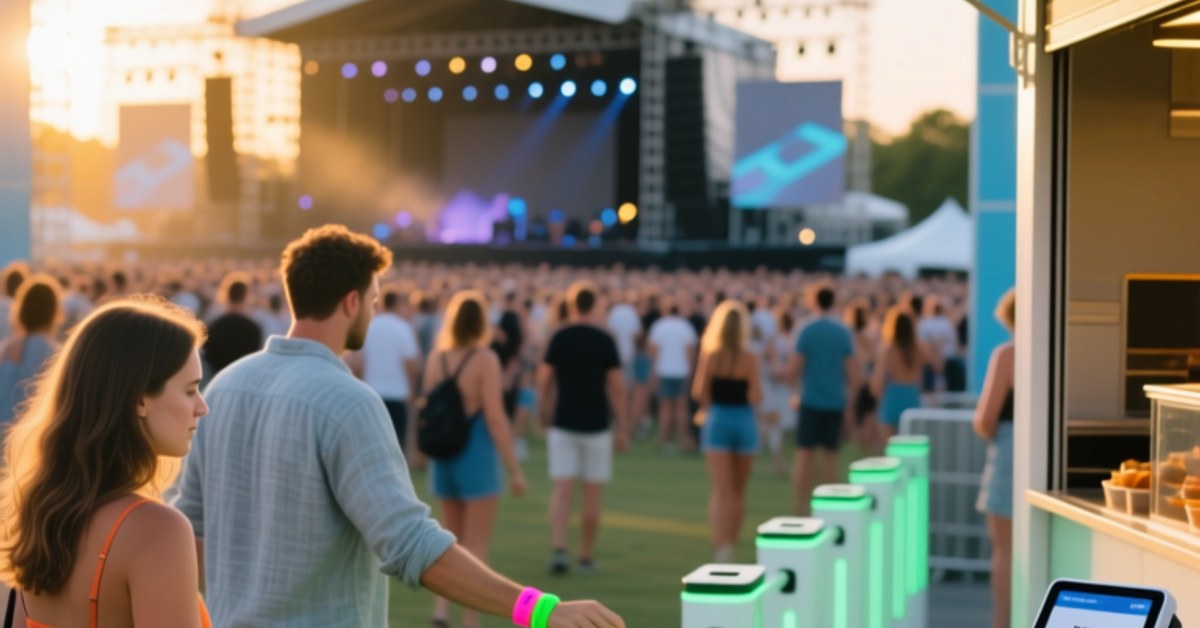
Modern sports arenas are compact cities on matchday. Fans move quickly through entry gates, crowded concourses, team stores and concession lines. Every queue creates the risk of losing a supporter’s goodwill or revenue opportunity.
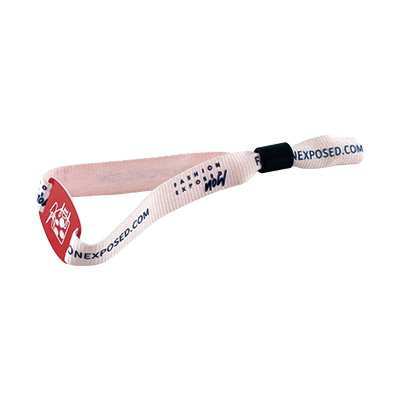
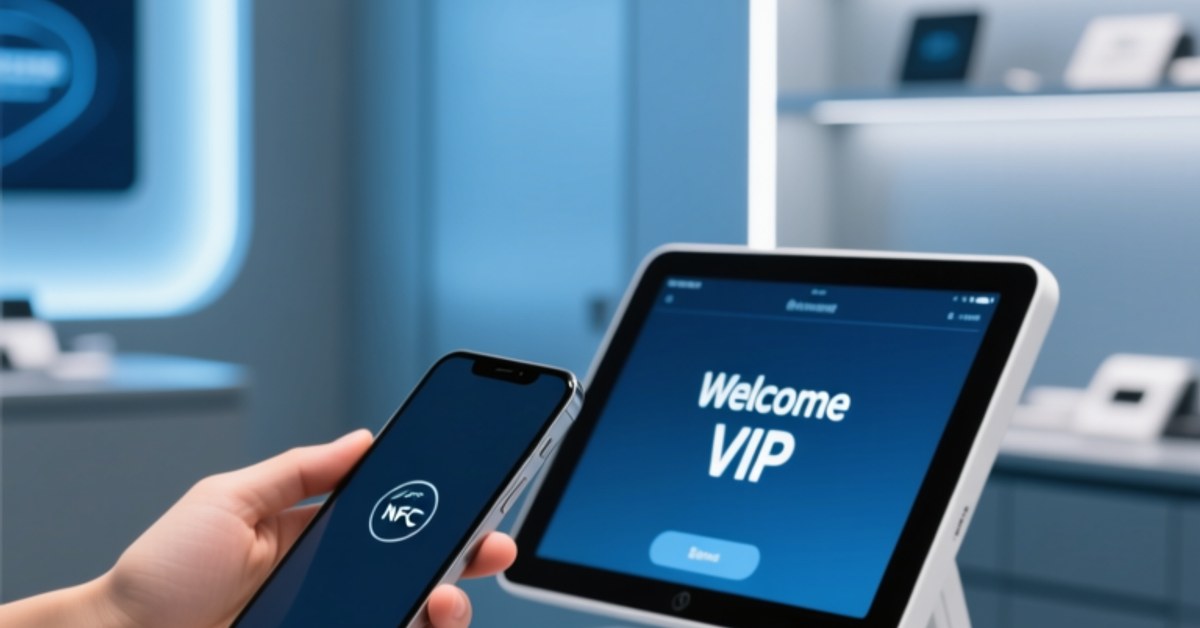
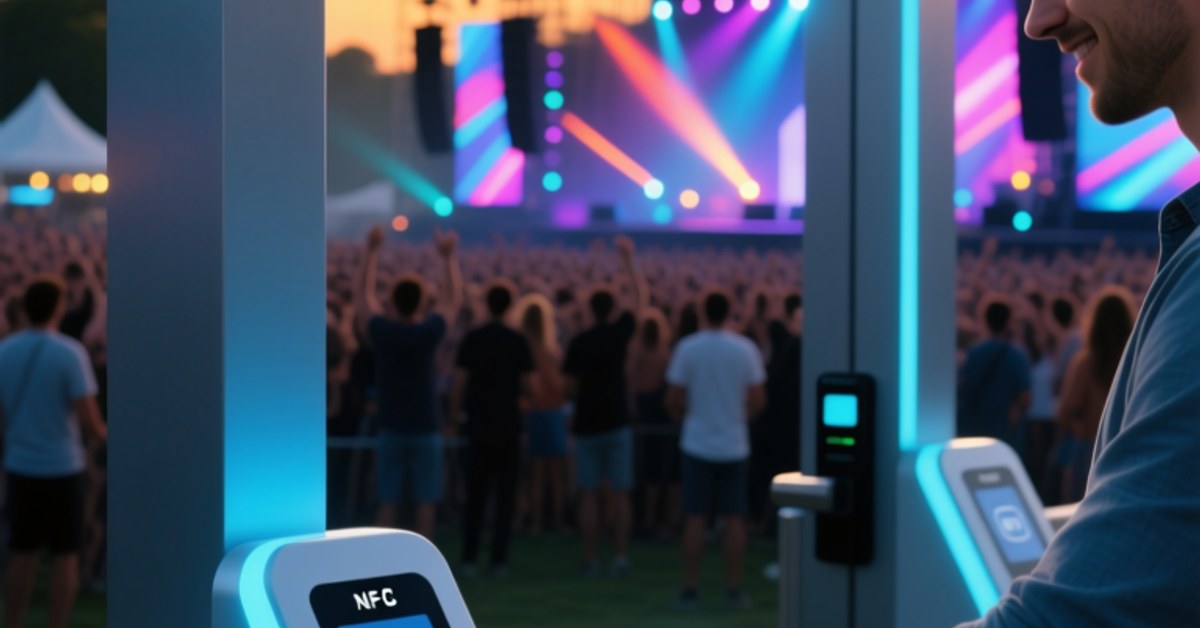
NFC stadium technology helps stadium operators and sports venue technology teams streamline those journeys. A contactless wristband, ticket card, or smartphone can be tapped at multiple touchpoints. One credential can validate the fan’s seating area, process a cashless payment, award loyalty points, or unlock a digital experience.
Por ejofunkciigistoj, the business case is based on improved ticket processing, lower payment friction, and access to data that helps manage the stadium more efficiently.
Faster Ticketing and Turnstile Flow With NFC
Entry is the first impression of a stadium. Fans expect the same speed they see at train stations or airports. NFC-based ticketing allows stadium operators to reduce manual scanning and create reliable gate controls.
Ticket Validation Options
- NFC-pojnoj with a pre-paid seat number can be tapped directly on fixed RFID readers at the gate.
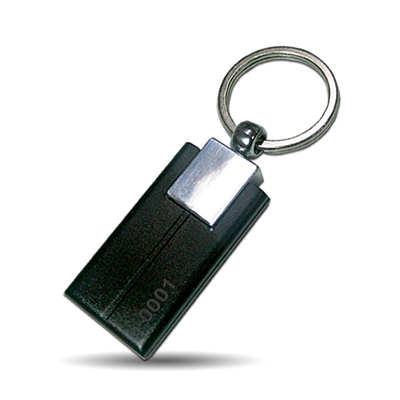
- NFC-kartoj and contactless ticket cards offer a low-cost reusable credential for season ticket holders.
- Handheld RFID readers allow security staff to validate digital tickets on phones or assist fans at open plaza entrances.
By using a single reader network, stadium operators can also monitor which gates are busiest in real time. If one turnstile lane has a longer queue, staff can quickly repurpose an adjacent lane for the same category of seats.
Reducing Paper and Improving Anti-Counterfeit Control
NFC tickets are harder to copy than printed barcodes. The identifier on an NFC -pojno or card can be linked to an encrypted secure element when integrated with a ticketing provider. This supports anti-counterfeiting while preserving smooth turnstile flow.
Cashless Concessions With Stadium Payment Wristbands
Cash payments notoriously slow down concession stands. Vendors spend extra time handling coins, checking bills, and reconciling drawers. Stadium payment wristbands remove much of that friction.
Ĉe la vendejo, the fan taps an NFC event wristband on a reader connected to a mobile point-of-sale system. The balance is deducted instantly from a closed-loop account or passed to an external payment processor. For staff, this means no card dips, no signatures, and no need to handle cash.
From an operations perspective, the data trail is equally useful. A venue operations team can view transaction volumes per concession stand and prepare replenishment before halftime. If one stand is slower than nearby stands, the team can compare payment activity with queue traffic and optimise staffing.
Seat Upgrades and Loyalty: Turning Every Seat into an Interface
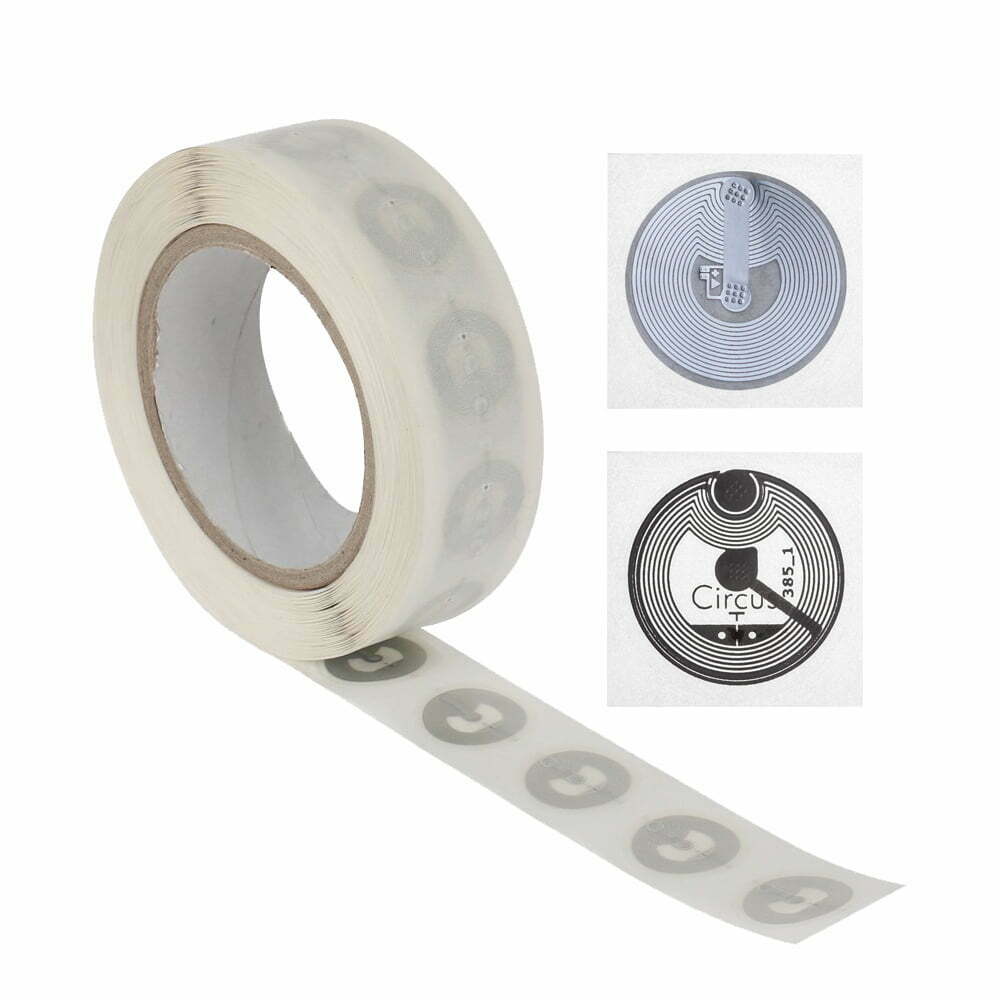
Stadium operators are surrounded by physical infrastructure that can become interactive. NFC-etikedoj can be installed under armrests, on headrest cards, or near entrance tunnels.
Suppose a season ticket holder finds their seat during a match. They notice that a premium area is half-empty because the club is hosting an away fan group in another section. A tap on an NFC-etikedo could show an upgrade offer with a discounted price and a map for moving. The fan confirms, their new location is recorded, and the old seat is released for inventory.
This capability creates an incremental revenue stream using inventory that already exists. It also rewards frequent visitors with personalized offers when the system is linked to their fan profile.
Arena Access Control: Different Credential Types
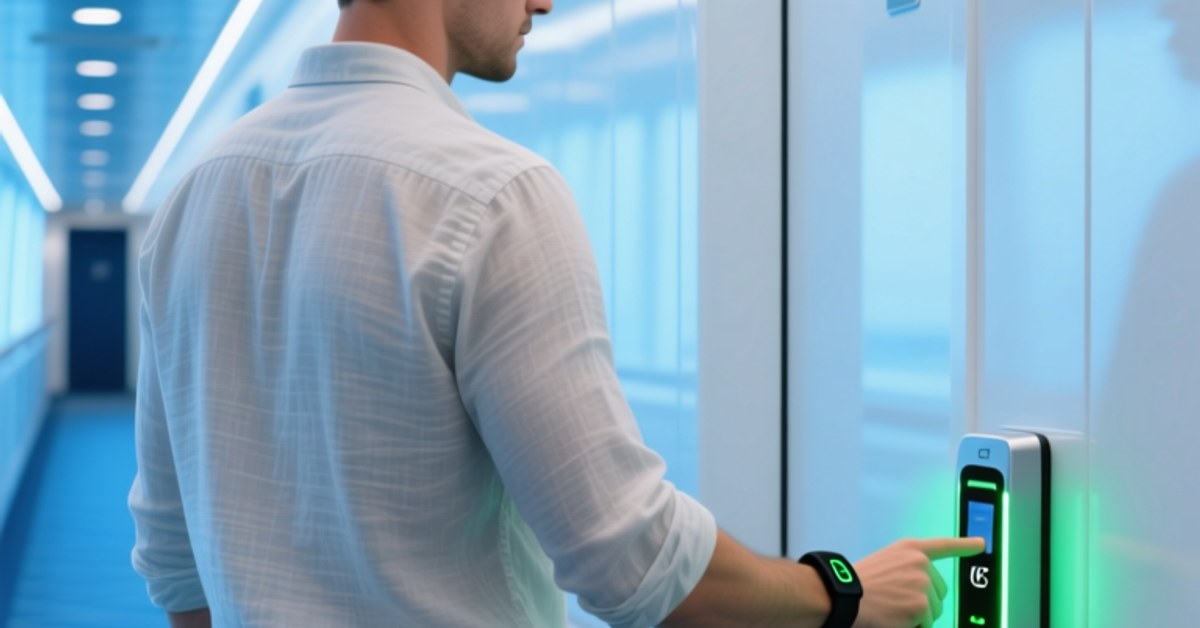
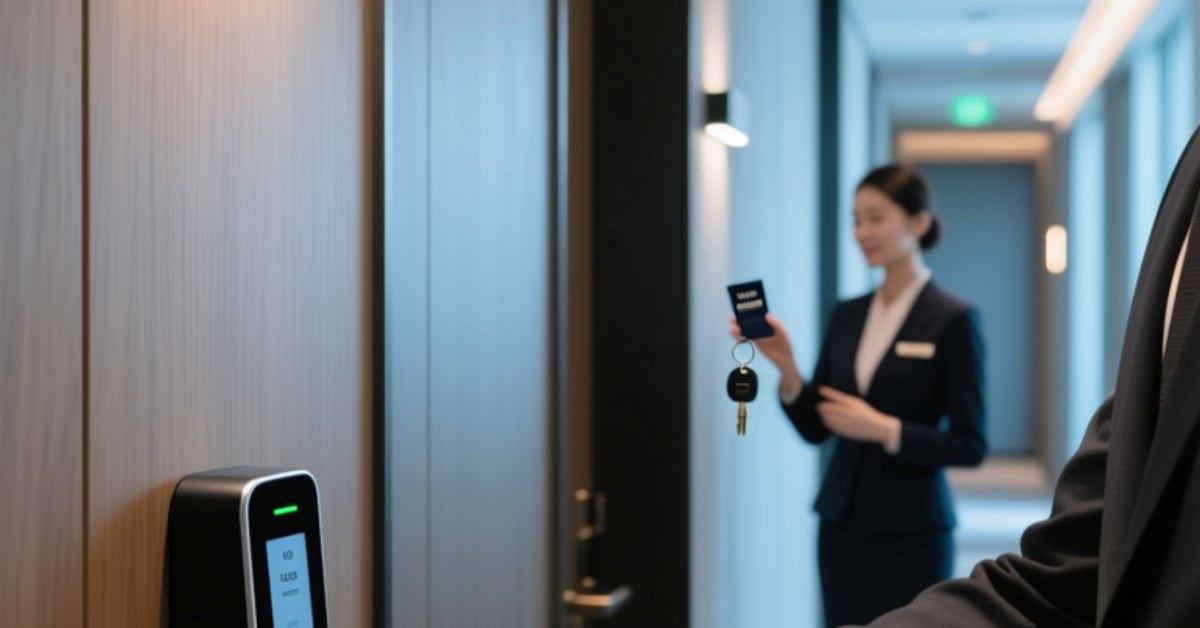
Arena access control means more than a public gate. Malantaŭ la kulisoj, staff members move through corridors, loading docks, media rooms, locker rooms, and security checkpoints. Different personnel can be issued NFC/RFID-pojnoj or contactless cards with different permissions.
- Kitchen and catering staff receive RFID-pojnoj that open only back-of-house areas.
- Media and broadcast crews get time-limited credentials that allow access to the press tribune.
- Players and club officials get encrypted NFC-kartoj for restricted changing rooms and medical suites.
All entries and exits can be stored in the venue event log to support safety audits and incident investigation.
Crowd Management Data: From Anonymous Taps to Better Matchdays
NFC interactions create timestamped data points. Unlike facial recognition or generic video analytics, NFC data has a clear and consented user context.
With a well-designed gateway system, stadium executives can observe:
- Arrival patterns by gate and time block.
- Dwell time near sponsorship zones.
- Concession queue pressure, correlated with sales.
- Wait time at food outlets and seat upgrade requests.
The same data can be anonymised and aggregated for crowd control. If a corridor between the north stand and the main concourse reaches a congestion threshold, staff can receive an alert and open a secondary staircase.
From a privacy perspective, operators should minimise the use of personal identification when analysing crowd flows. The NFC code embedded in a wristband can generate a hashed identifier used only for density analysis, separate from the user account.
Fan Engagement Campaigns That Build Community
NFC creates a natural bridge between physical venues and digital content. Because NFC communication triggers an action when tapped, sponsors and teams can create simple, app-free campaigns.
Examples include a poster with an embedded NFC tag that opens an augmented-reality selfie frame, or a mascot plush with a hidden NFC-glumarko that gives children a personalized greeting from a player. Fan voting can also be powered by tapping an NFC terminal placed around the concourse.
Each campaign can be linked to the fan’s membership account, so the club learns what content motivates fans to interact. This increases the lifetime value of the season ticket holder and demonstrates the value of the venue’s technology infrastructure to sponsorship partners.
Application patterns such as these are part of a broader movement toward connected entertainment spaces. Nia Smart Entertainment page provides more examples of how NFC/RFID-sistemoj support attractions and visitor experiences.
Stadium Implementation Quick Reference
The following table maps typical venue areas to the NFC/RFID product families commonly used by stadium operators.
>
| Venue Area | Typical Product Family | Main Process Supported |
|---|---|---|
| Entrance gates | Fixed RFID readers, NFC-pojnoj, contactless ticket cards | Turnstile flow and ticket validation |
| Concession stands | Surtablaj RFID-legiloj, NFC payment wristbands, mobile readers | Cashless payments and inventory management |
| Seats and premium lounges | NFC-etikedoj, NFC -Glumarkoj, NFC inkrustaĵo | Altgradigoj de sidlokoj, order-at-seat, lojaleco |
| Interactive sponsor zones | NFC-etikedoj, porteblaj NFC-legiloj, kiosk readers | Fan engagement, balotado, social sharing |
| Back office and logistics | UHF RFID-etikedoj, porteblaj RFID-legiloj | Produkta aŭtentigo, stock control and rental asset tracking |
The product families shown are reference points only. Each deployment requires a system design based on gate throughput, physical layout, and existing venue software.
Building a Business Case for Venue Operators
For budget owners, a clear business case has three pillars.
Revenue Protection
Ticket fraud, manual reconciliation errors, and staff time spent on routine checks can eat into margins. NFC credentials are more difficult to replicate and leave an automatic audit trail.
Revenue Expansion
With a fast payment method and logical upsell opportunities, supporters are more likely to spend. Seat upgrade offers, pre-match meal bundles, and personalised loyalty rewards can be automated based on tap activity.
Operacia Efikeco
Fewer manual checks and shorter queues mean fewer supervisors needed in each area. The time saved by staff can be reallocated to guest service, security checks, or sponsor activation support.
By including these factors, sports venue technology vendors can help club owners and facility management teams justify investment to their boards.
Selecting a Partner for Your NFC Stadium Project
NFC/RFID infrastructure products such as fixed readers, NFC-etikedoj, and wristbands should always be sourced from an experienced manufacturer. NFCWORK and its RFIDHY brand can provide the necessary hardware categories and technical guidance to simplify procurement for an integration project.
An effective project team combines a technology integrator, venue architects, and an RFID provider. The provider helps answer the most important questions:
- Which read range is necessary at each point?
- Which material works best in the venue’s environment?
- How do tags and readers connect to the existing control network?
- What credential form factor will fans actually use?
If you would like to discuss a new stadium project or upgrade an existing concourse, la NFCWORK team can help you define the right product list.
Oftaj Demandoj
How does NFC stadium technology improve turnstile entry?
NFC taps allow turnstile readers to validate access without manually scanning a paper ticket. Credentials can be issued on NFC wristbands, kartoj, aŭ saĝtelefonoj, helping operators improve throughput and reduce entry queues.
Can the same wristband be used for payments and loyalty?
Jes. An NFC/RFID-pojno can store one identifier that is linked to separate payment and loyalty wallets in the venue’s software. The same tap at a concession stand can deduct funds and credit reward points.
Are fixed RFID readers at stadium gates expensive to install?
Costs vary according to gate count, mounting environment, and existing access control systems. Fixed RFID readers are mature industrial products, and deploying them alongside NFC tags or wristbands is a standard integration project for venue technology vendors.
Does NFC work in crowded environments with many fans tapping at the same time?
Every reader uses a time slot for communication. Fixed readers are designed for high throughput, but system design should include enough antennas and gate lanes to manage peak arrival rates without errors.
Is NFC suitable for an app-free fan experience?
Jes. NFC tags and stickers can launch a web page when tapped on an NFC-enabled smartphone or presented to a self-service terminal. There is no need for fans to download an app before they interact.
Start Building Your Own NFC-Powered Stadium Experience
Whether you are planning a greenfield arena or upgrading an existing venue, the right combination of NFC wristbands, fiksitaj legantoj, and NFC tags can create memorable matchdays and more efficient operations.
Talk to our team for product guidance, configuration options, and integration advice across access control, pagoj, and fan engagement systems.
Contact our sales team or visit our Smart Entertainment page to see how connected experiences fit into the wider NFC ecosystem.