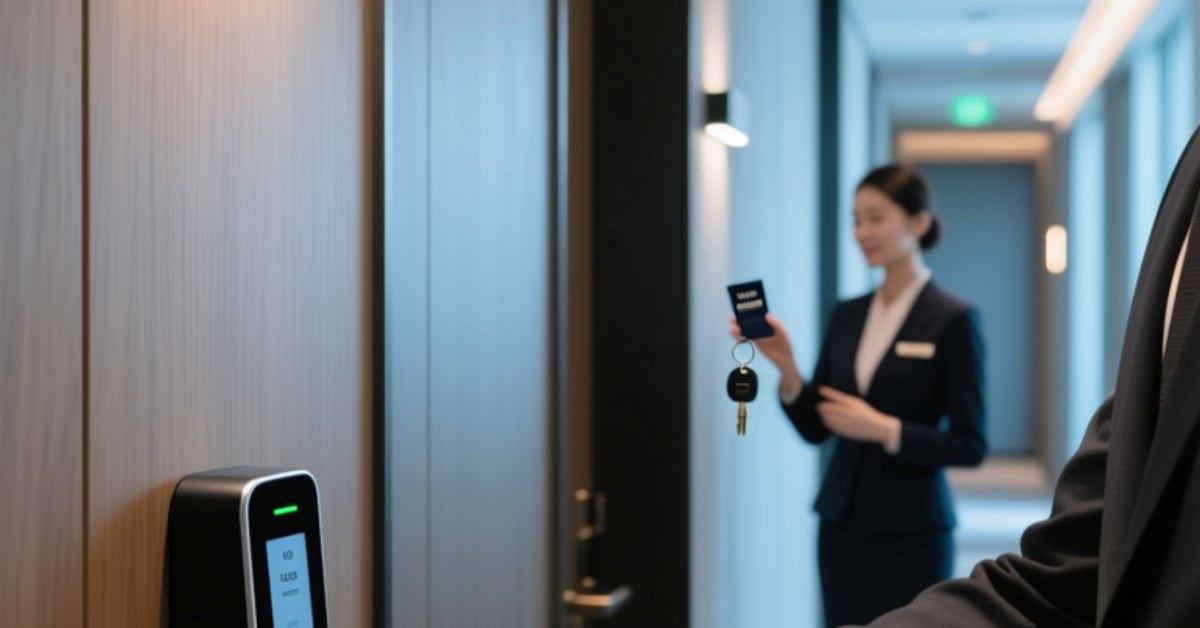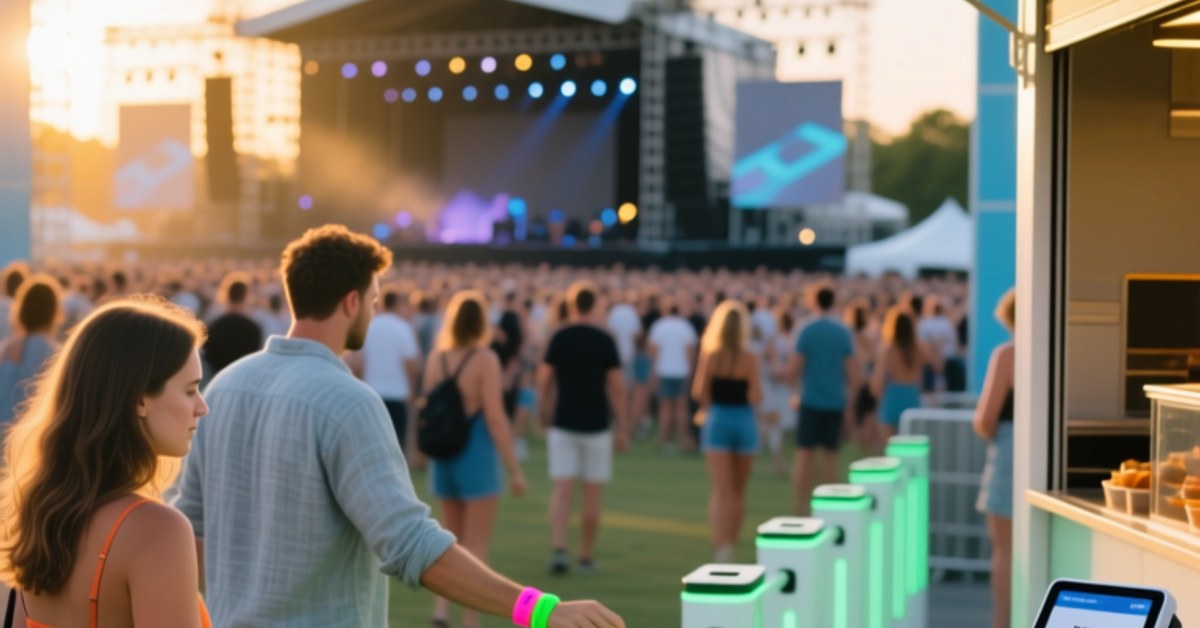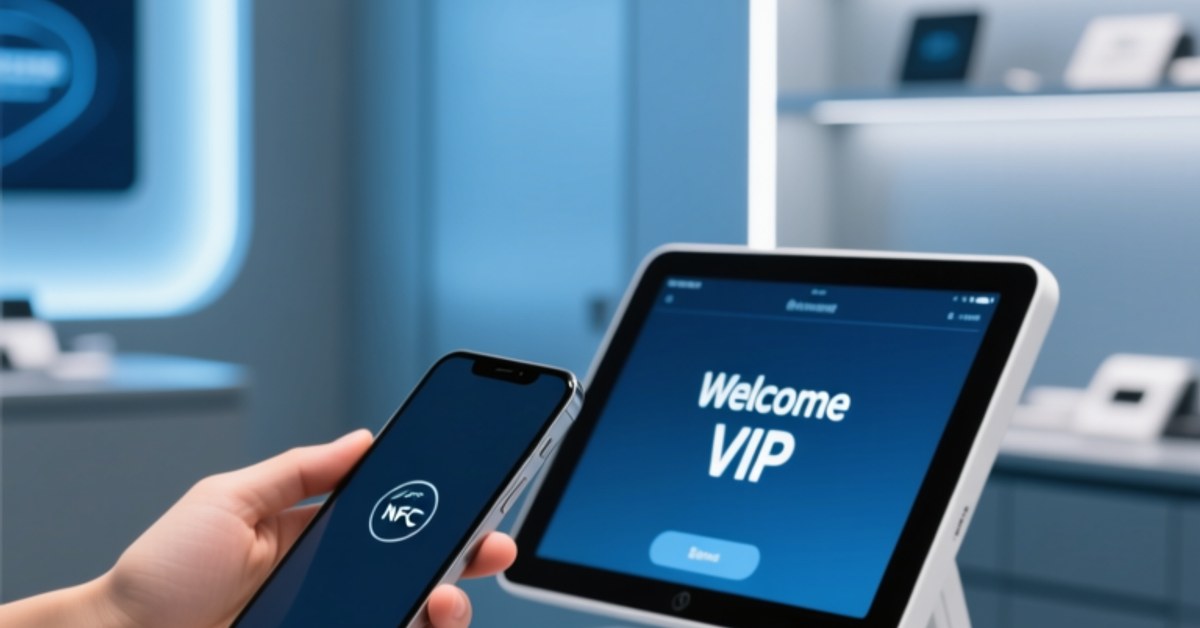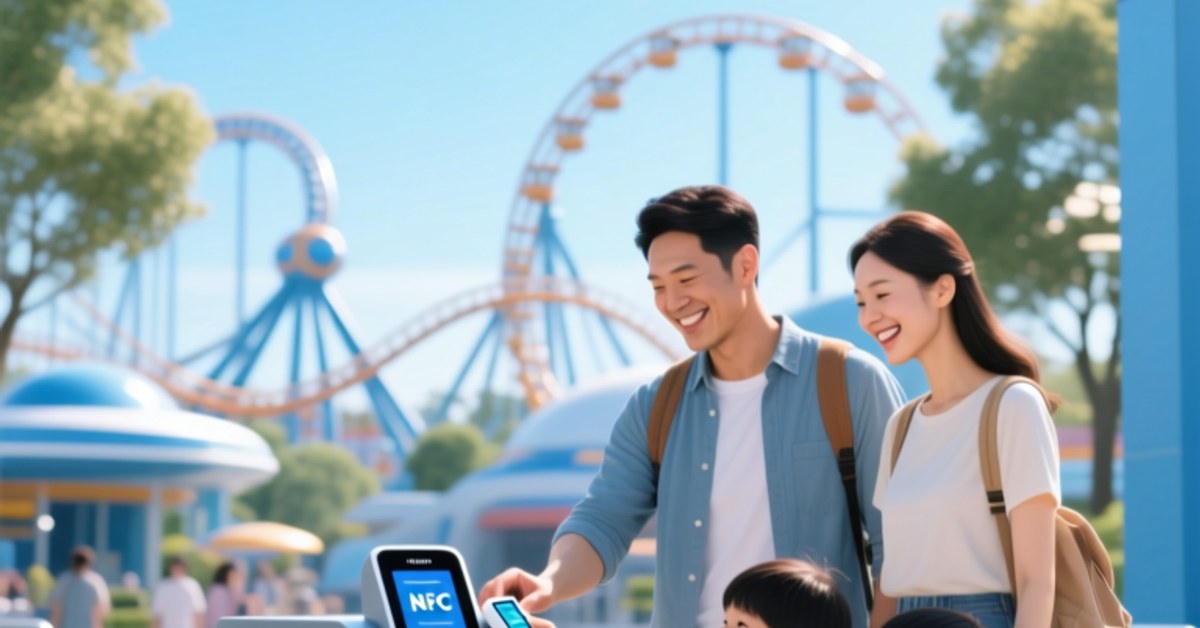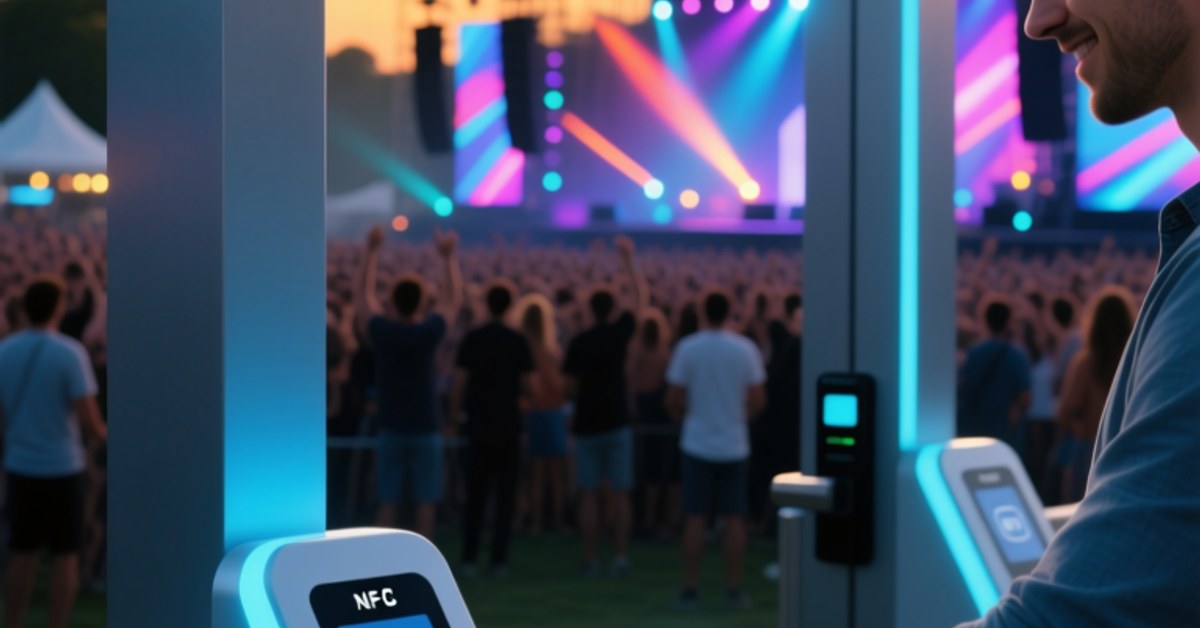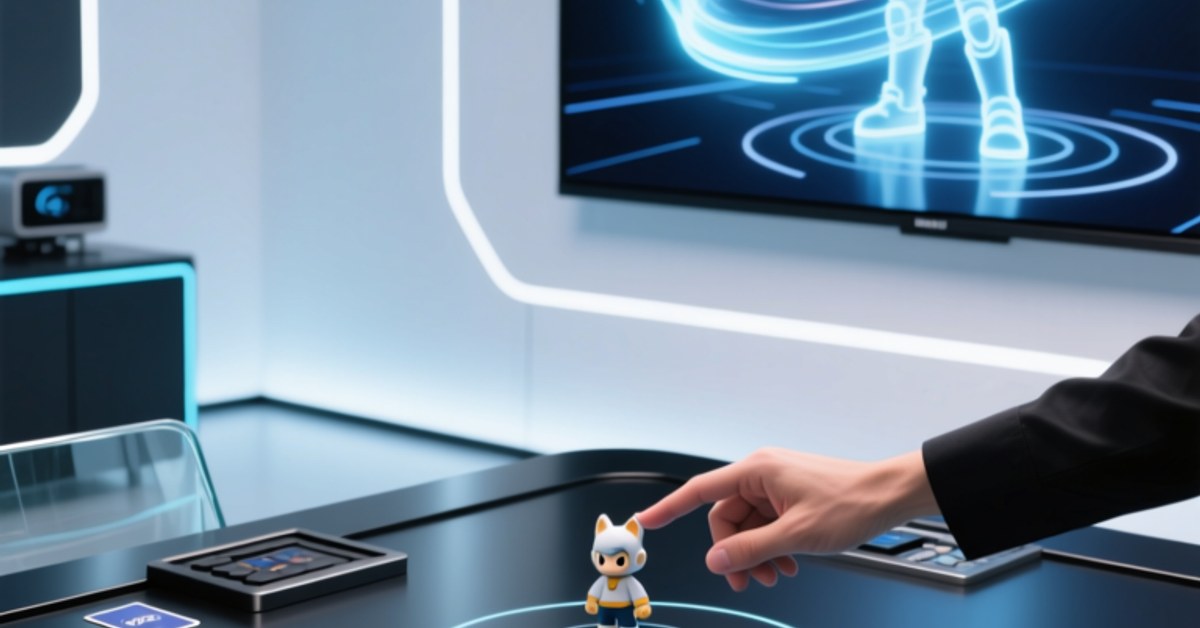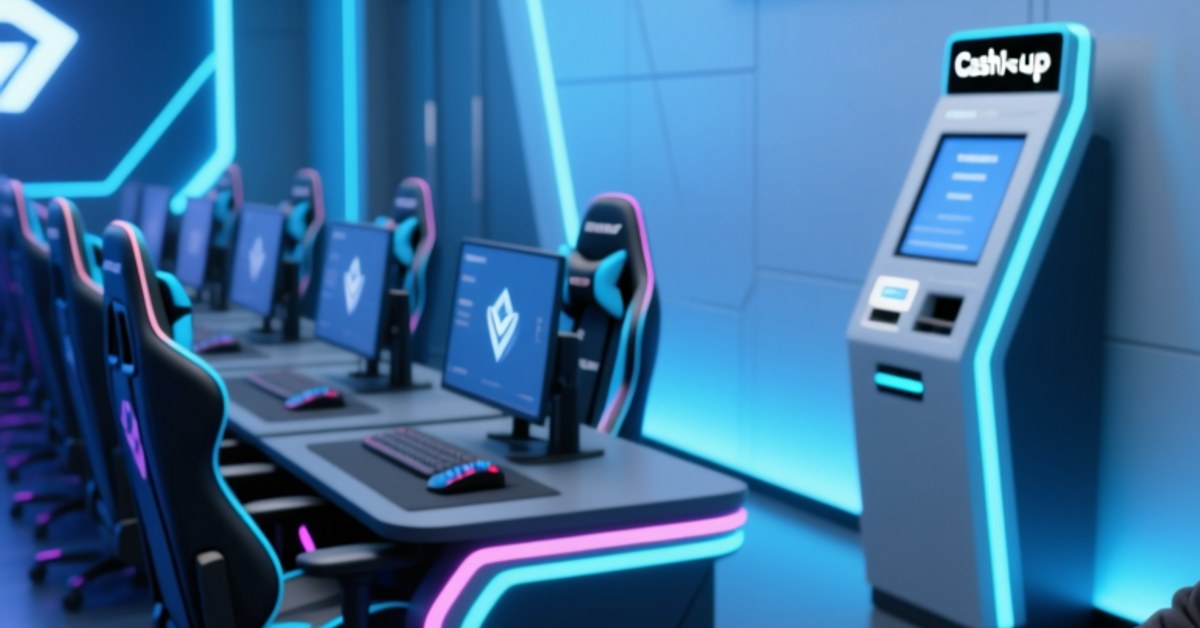
Modernaj sportaj arenoj ne plu estas nur vicoj de komputiloj kaj konzoloj. Ili estas altproduktaj operaciaj medioj, kiuj devas administri sidlokajn taskojn, fakturado de sesio, senkontentaj saldoj, turniraj identecoj, kaj podetalaj transakcioj sen bremsi ludantojn. NFC-teknologio aperis kiel praktika spino por ĉi tiuj laborfluoj, precipe kiam liveritaj tra ludcentraj pojnoj, NFC-kartoj, kaj fiksaj aŭ labortablaj RFID-legiloj.
Por ejofunkciigistoj, la celo estas simpla: redukti personan intervenon, pliigi po-vizitantan elspezon, kaj turni hazardan enirantan en registritan kutiman klienton. NFC subtenas tion farante ĉiun tuŝpunkton—eniro, seĝo malŝlosi, replenigi, enregistriĝo en turniro, aĉeto de varoj, and loyalty earning—faster and more data-rich. An NFC esports arena infrastructure connects these moments through one contactless credential.
Why NFC is the Operating Standard for Next-Gen Gaming Venues
Esports arenas and gaming centers operate like a mix of entertainment venue, retail store, and secure facility. They need to move players in and out quickly, manage session revenue, verify identities during tournaments, and sell high-value merchandise. NFC provides a single contactless layer that connects all these functions without requiring players to download a venue app or handle cash.
Por telefonistoj, an NFC esports arena infrastructure means fewer manual processes, better data, and more revenue opportunities. The same gaming center wristband that opens a LAN station can hold a cashless balance, check a player into a tournament, and earn loyalty points at the snack bar.
A Single Credential Across the Player Journey
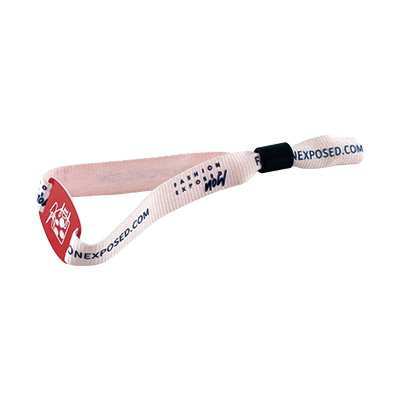
Unlike barcode systems that require line-of-sight scanning, NFC reads quickly with a tap. This makes it suitable for high-traffic entry gates, self-service kiosks, and seat-side readers. An NFC -pojno aŭ RFID-pojno can be associated with a customer account and carry permissions, ekvilibro, and player identity.
- Reduces front desk queues at peak hours
- Eliminates paper tickets and plastic membership cards that are easily lost
- Creates a unified profile for sessions, pagoj, and loyalty
- Supports contactless interactions in shared spaces
- Enables real-time occupancy and revenue monitoring
A Data-Rich Foundation for Better Decisions
Each tap generates an event. Kun la tempo, venue operators can see peak hours, popular games, unused premium zones, and repeat visit patterns. This allows evidence-based decisions about pricing, staffing, and floor layout. A desktop RFID -Leganto at the counter or fixed RFID readers at stations can feed this data without adding extra steps for staff.
Session and Seat Management Without Friction
Managing seat time manually is inefficient and prone to errors. In many LAN centers, staff still write down start times, enforce time extensions by verbal reminder, and process cash for extra minutes. Kun NFC, players tap a wristband at a station to begin or end a session, and the system tracks everything automatically.
Turning Stations into Smart Touchpoints
By installing fixed NFC readers at each gaming station, the venue can pair a seat with a player. The system knows when a session starts, how long it runs, and when it expires. If a player requests more time, they can top up at a kiosk or counter, and the same credential unlocks the extension. This creates a smoother LAN center access flow while improving billing accuracy.
>
| Venue Function | Traditional Approach | NFC-Enabled Approach |
|---|---|---|
| Seat assignment | Manual check-in and paper slips | Tap-to-activate station with user profile |
| Session timing | Staff timer or customer phone timer | Automatic session start/stop on tap |
| Seat condition or moves | One-to-one desk assignment | Tap to transfer or extend session |
| Access to premium zones | Separate ticket or staff escort | NFC -pojno tier unlock |
For multi-zone venues, wristbands can also act as access keys. A standard pass opens general seating, while a premium pass grants entrance to soundproof team rooms, streaming pods, or tournament areas. This simplifies late-night access and reduces the need for staff to escort players between zones.
Stored Value and Top-Up: Building a Cashless Gaming Ecosystem
Stored value is one of the strongest drivers of repeat visits. When players pre-load funds onto a wristband or membership card, they are more likely to spend on extra hours, snacks, or arcade games. NFC makes stored value practical by allowing quick balance checks and instant deductions at points of sale.
From Coins, Kartoj, and Paper Receipts to Closed-Loop Wristbands
Traditional arcade and LAN center payment flows involve multiple systems: coins for arcade cabinets, card swipes for PC time, and separate receipts for food. A unified NFC wristband replaces these with one payment token. Guests can load value at a self-service kiosk using a desktop RFID -Leganto or at the counter using an NFC cashless payment terminal. Then they simply tap at each interaction.
- Customer registers and receives a wristband or card
- Value is loaded and linked to a secure NFC ID
- The customer taps at stations, kabinetoj, or POS terminals
- The backend confirms the transaction and updates balance in real time
Por telefonistoj, this reduces cash handling, speeds up service, and opens the door to bonus incentives such as “top up $50, get $10 free.” Promotions like this are easier to execute when stored value is embedded in the guest credential. Uzanta RFID-pojnoj aŭ NFC-silikonaj pojnoj for stored value reduces coin handling, card loss frustration, and cash float reconciliation.
Tournament Player Identity and Access Control
Tournament integrity depends on accurate player identity. In casual arcade tournaments, staff may check IDs manually. In larger events, this becomes impossible at scale. NFC disponigas turnir-nivelan enregistran fluon kiu ligas pojnon aŭ insignon al registrita ludantoprofilo.
Protektante Konkurencan Integrecon
Antaŭ la evento, ludantoj registras kun sia ludantetikedo, teamo nomo, kaj semo. Ĉe enregistriĝo, personaro uzas porteblan RFID-legilon por skani la pojnon kaj konfirmi identecon. Antaŭ ĉiu matĉo, ludantoj frapetas ĉe la asignita stacio, kaj la sistemo registras, ke la ĝusta partoprenanto sidas. Ĉi tio reduktas sonorigilojn, planado de disputoj, kaj hazardaj misagordoj.
- Antaŭ-matĉa identeckonfirmo per pojnofrapo
- Aŭtomata stacidomo kaj lokaŭto
- Matĉaj rezultoj ligitaj al ludantoprofiloj
- Pli rapida rulvokoj por grandaj krampoj
- Integriĝo kun turniraj krampo iloj
Por revenantaj ligoj, la sama NFC-akreditaĵo povas stoki ludantajn statistikojn, rekordoj de venko-perdo, kaj kvalifiko. Ĉi tio faciligas funkcii sezonojn kaj konservi justajn rangotabelojn. Inteligenta portebla identigo povas integri kun turniradministradprogramaro por ke ludanto progresu, kvalifiko, kaj alirzonoj ĝisdatigas aŭtomate kiam rezultoj estas enigitaj.
Varo kaj Kolektebla NFC-Integriĝo
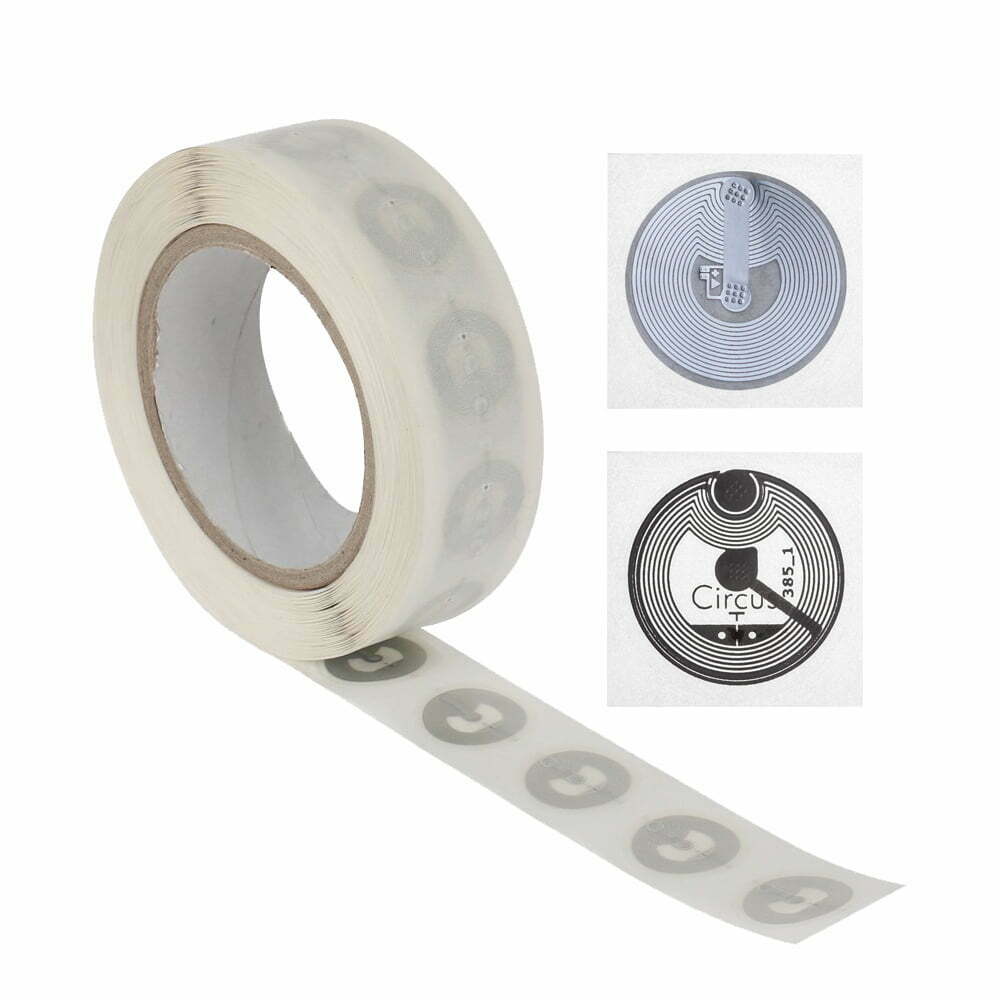
Esportejoj ĉiam pli vendas limigitajn ĵerzojn, statuetoj, akcesoraĵoj de regilo, kaj komerckartoj. Ĉi tiuj aĵoj estas ĉefaj celoj por falsado, precipe kiam revendite interrete. NFC-etikedoj, NFC -Glumarkoj, kaj NFC-inkrustaĵo povas esti enigita en varo aŭ pakado por kontroli aŭtentecon kaj konekti fizikajn produktojn al cifereca enhavo..
Konektante Fizikan Varon al Ciferecaj Spertoj
Fervorulo, kiu aĉetas limigitan ĵerzon, povas frapeti ĝin per telefono por postuli ekskluzivan en-ludan haŭton, aliru videon malantaŭ la kulisojn, aŭ registriĝu por estonta evento. This makes the merchandise more valuable and gives the venue a post-sale engagement channel.
For high-value collectibles, operators can use the Cifereca Produkta Pasporto model to store origin, aro, and ownership information. This supports both authentication and resale transparency. Ĉe la vendejo, staff can use a fixed or handheld RFID reader to encode NFC-etikedoj quickly, keeping checkout fast even during event peaks. Aŭtentikigo de luksaj objektoj methods also translate well to limited-edition peripherals and signed merchandise, where brand value depends on verified authenticity.
The Venue Loyalty Loop: Turning One-Time Visitors into Regulars
The most successful gaming centers treat each visit as the start of a longer relationship. NFC enables a closed loyalty loop because every tap is tied to a unique profile. Operators can reward frequency, session length, money loaded, or event participation.
How the Loyalty Loop Works
A player taps in, plays, spends, and leaves. The system logs all of that under one NFC ID. The venue can then send targeted offers: free weekday play, discounted tournament entry, or bonus arcade credits. Because the offer is linked to the same wristband or card, redemption is instant.
- Arrival and session taps create visit history
- Stored value usage tracks spend
- Merchandise purchases connect to fan profile
- Rewards are attached to the NFC credential
- Repeat visits increase lifetime value
This is a natural evolution of arcade NFC membership. Instead of a card that sits unused, the membership becomes part of the player’s wrist or key ring. The more the player uses it, the more useful it becomes.
Hardware Considerations for Esports and Gaming Venues
Different venues need different combinations of NFC and RFID products. The following table outlines common implementation scenarios with product categories available from RFIDHY kaj NFCWORK.
>
| Uzokazo | Typical Hardware Category | Integration Notes |
|---|---|---|
| Player entry and zone access | Fixed RFID reader or NFC-enabled access reader | Mount at doors, turniloj, or zone partitions |
| Session activation at seats | Fixed RFID reader per station | Link reader ID to seat for automatic billing |
| Stored value top-up and POS | Desktop RFID reader or NFC payment terminal | Connect to cashless software for balance updates |
| Tournament check-in | Mantenebla RFID-leganto | Mobile check-in at registration or match floor |
| Merchandise tagging and verification | NFC-etikedoj, NFC -Glumarkoj, NFC inkrustaĵo | Encode unique IDs and link to Pasporto de Cifereca Produkto |
| Guest credential | NFC -pojno, NFC silikona pojno, aŭ RFID-pojno | Water-resistant and durable for long sessions |
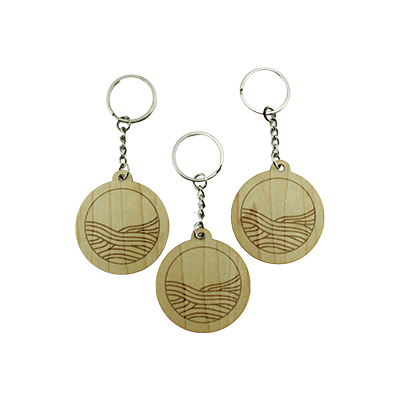
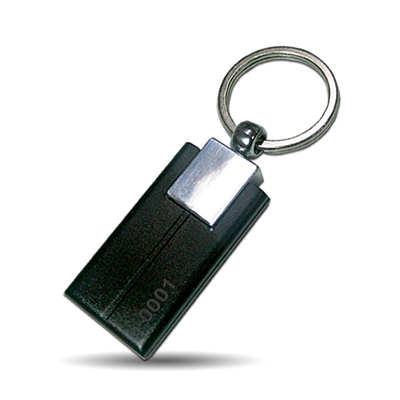
Consistency across locations is important for LAN center chains. Choosing one type of NFC -pojno and one family of fixed RFID readers simplifies training and data consolidation. For arcades where guests may prefer a card, NFC-kartoj or NFC key fobs can offer the same functionality in a smaller form factor.
Implementation Checklist for Venue Operators
Rolling out an NFC system does not require replacing everything at once. Start with the highest-impact touchpoints, then expand as the operation matures.
- Map guest flow from entry to exit
- Select a durable NFC wristband or RFID wristband for repeat use
- Install fixed RFID readers at entry gates and gaming stations
- Set up stored value kiosks with desktop RFID readers
- Encode merchandise with NFC tags or NFC stickers
- Connect tournament check-in to player profiles
- Launch a simple loyalty program tied to tap activity
- Train staff on cashless troubleshooting and balance adjustments
- Use session and sales data to optimize pricing and layout
For more implementation guidance, viziti la inteligentaj distraj solvoj page or explore the full NFC product range.
Building the Next-Gen Esports Venue
NFC is no longer a novelty. It is a practical infrastructure layer for esports arena operators, LAN centers, and arcade businesses that want to reduce friction, improve security, and grow repeat revenue. Whether you are managing session timing, stored value, tournament identity, or merchandise authentication, a unified NFC approach can make the venue easier to operate and more engaging for players. This is exactly what next-generation esports venue tech should deliver.
To discuss your venue’s specific requirements, contact NFCWORK or review the Oftaj Demandoj for common integration questions.
Oftaj Demandoj
What is NFC esports arena technology?
NFC esports arena technology refers to contactless NFC wristbands, kartoj, Etikedoj, and readers used to manage entry, sessions, pagoj, enregistriĝo en turniro, and loyalty in gaming venues. It creates a single player credential for multiple operational touchpoints.
Can NFC wristbands work with existing LAN center access systems?
Jes. Fixed NFC or RFID readers can integrate with access control and session management software through standard APIs or middleware. Many operators phase in the system by installing readers at entry points and gaming stations first.
Are NFC wristbands durable enough for esports and arcade use?
Jes. NFC silicone wristbands and event wristbands are designed for repeated use and active environments. For long-term membership programs, reusable RFID-pojnoj can be sanitized and reprogrammed as needed.
How does stored value work with NFC in a gaming center?
Guests load funds onto a wristband or card at a self-service kiosk or point of sale. They then tap the credential at gaming stations, arcade cabinets, or retail terminals. The backend deducts the transaction amount and updates the balance in real time.
What product categories should a venue start with?
A practical starting setup includes NFC wristbands, fiksitaj RFID-legiloj, labortablaj RFID-legiloj, and NFC tags for merchandise. Begin with entry, session timing, and stored value, then expand to tournament check-in and loyalty features.
Ready to Upgrade Your Esports Venue?
From NFC wristbands and fixed readers to merchandise tags and cashless integration, NFCWORK kaj RFIDHY provide the hardware and guidance to power your next gaming center deployment. Kontaktu nian teamon to discuss your requirements or explore NFC-produktoj to start planning.